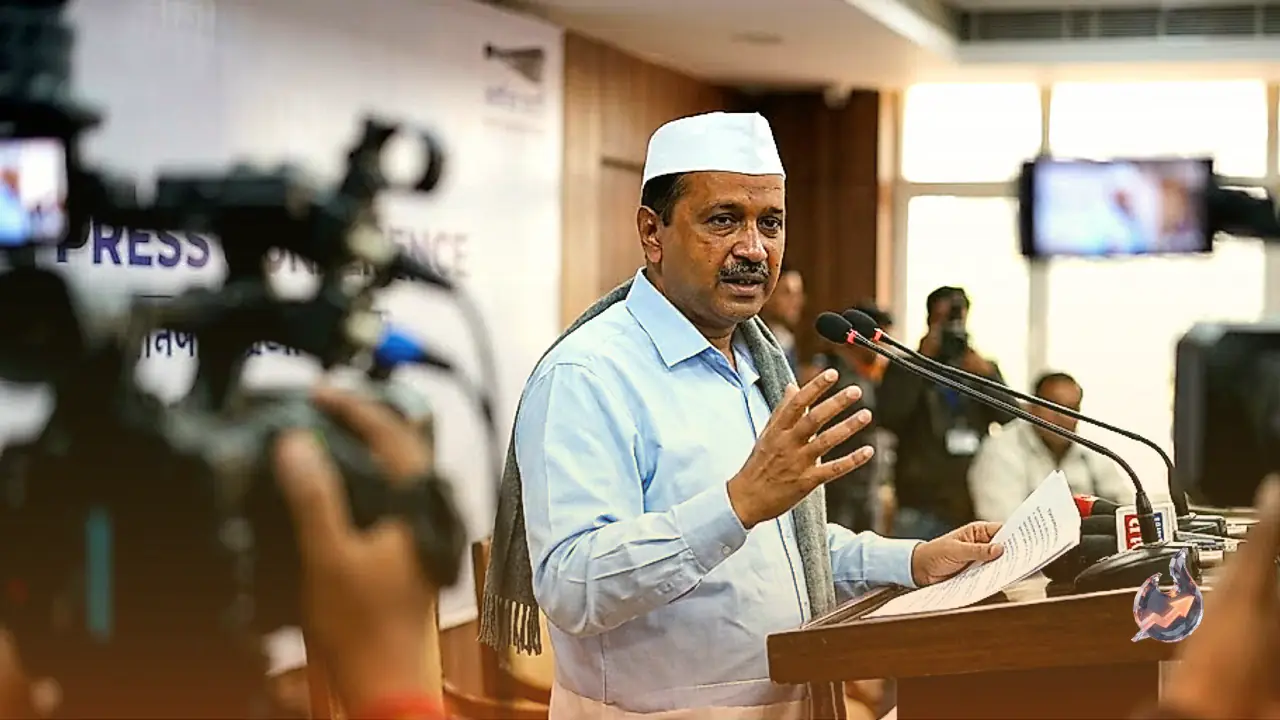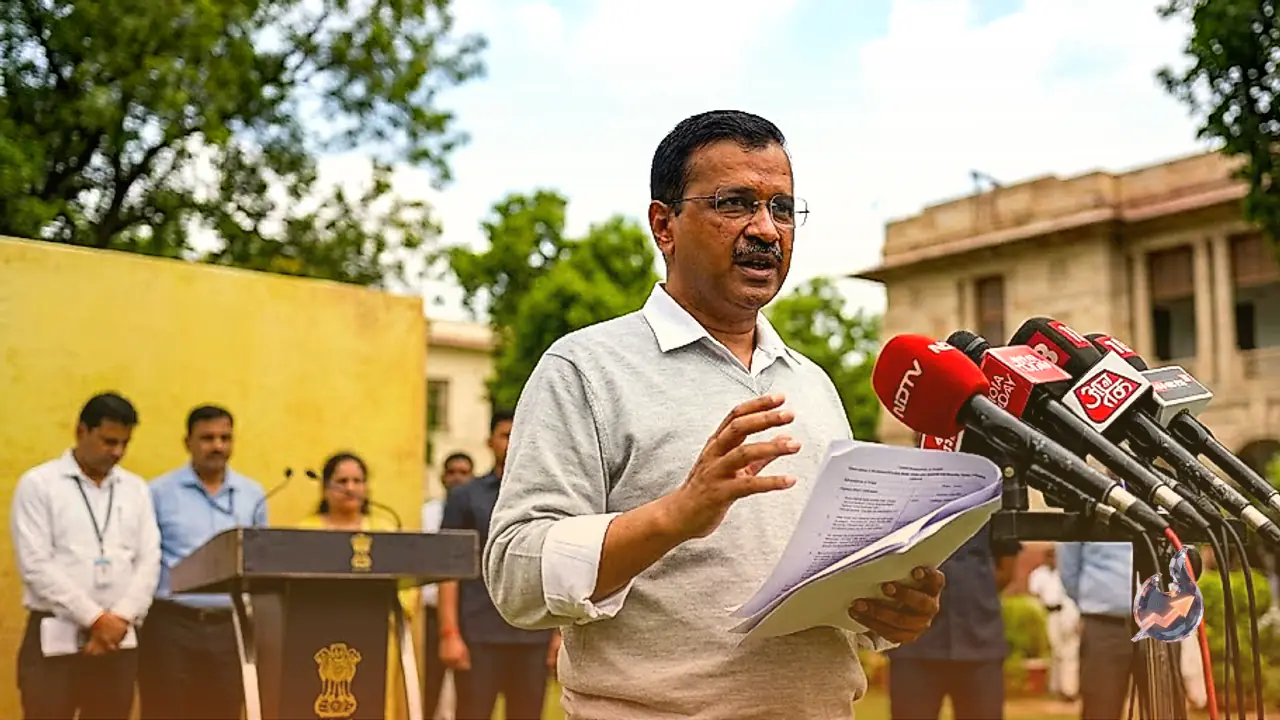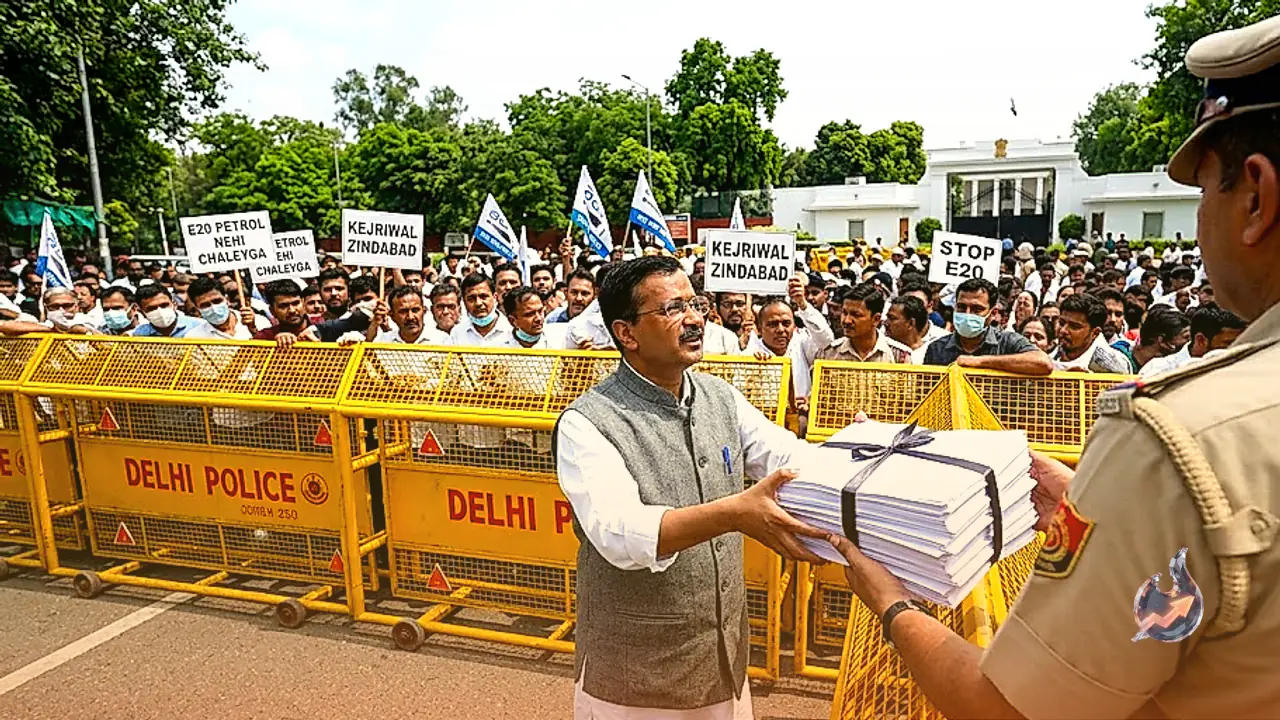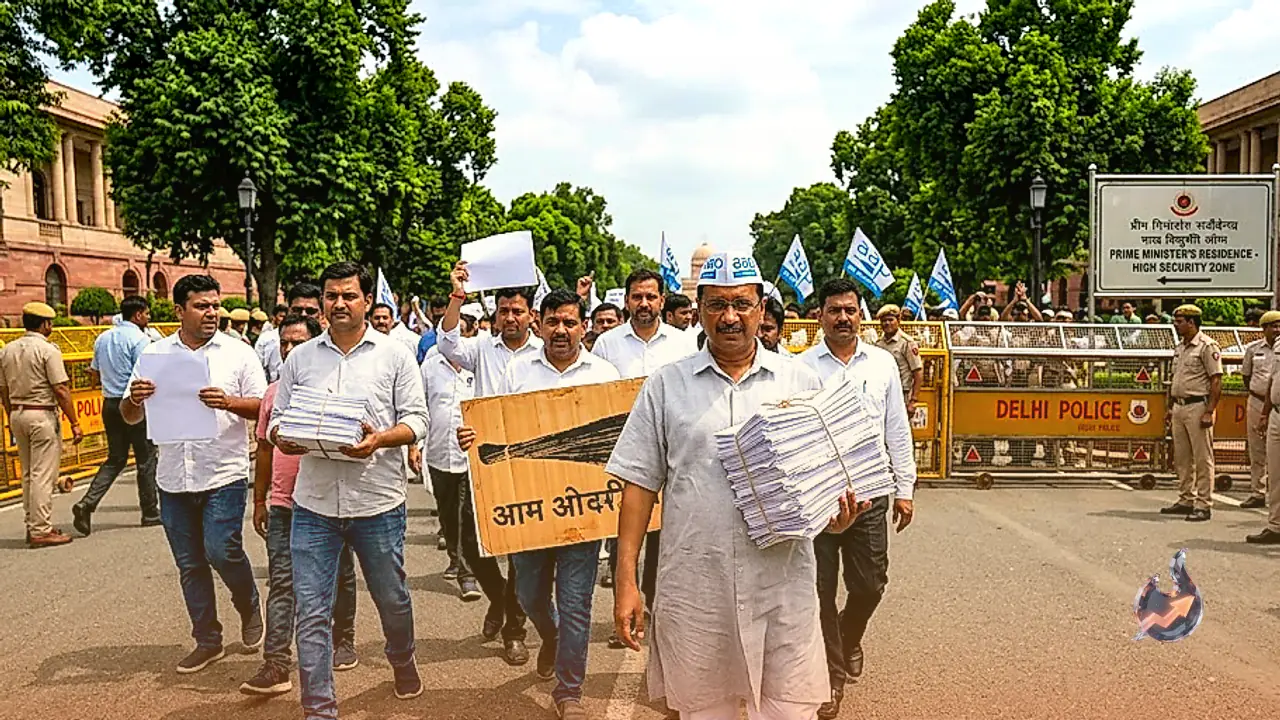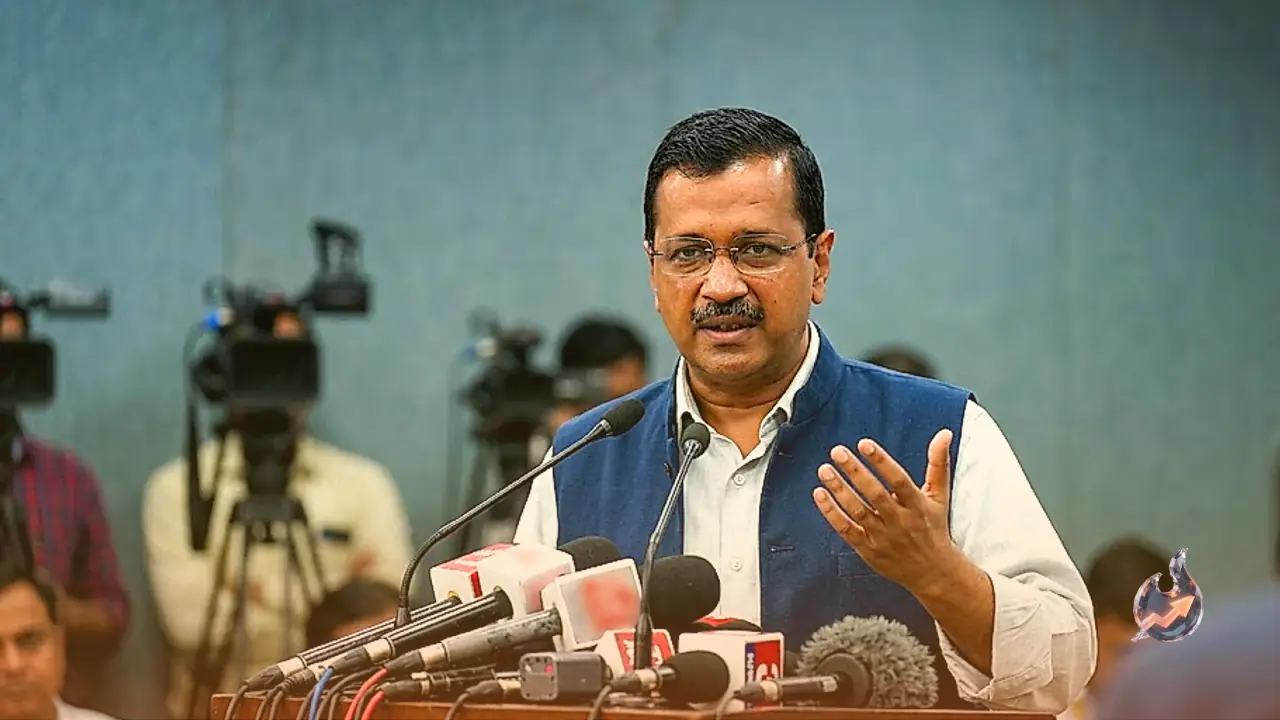
























A fresh political controversy erupted after Aam Aadmi Party leader Arvind Kejriwal raised serious questions on social media regarding flight safety, claiming that the Indian government is allowing the blending of ethanol in aviation fuel. Sharing a news report on X, Kejriwal warned that using adulterated aviation turbine fuel could potentially cause aircraft engines to shut down mid-air, risking passenger lives. However, the Union Civil Aviation Ministry and the Government of India swiftly dismissed these claims, calling them completely false, irresponsible, and without any factual basis.
Arvind Kejriwal Raises Questions Over Aviation Fuel Policy
In his social media post, Arvind Kejriwal cited a news report link and asked citizens whether they would risk flying in an aircraft powered by adulterated aviation fuel. Highlighting the possibility of mid-air engine failure, he emphasized the need for an educated and competent government. His remarks quickly sparked widespread discussions across digital platforms regarding aviation safety protocols and government fuel regulations. The core argument put forward by Kejriwal centered on the safety risks associated with introducing ethanol blending into jet fuel.
Government Responds Firmly to Safety Allegations
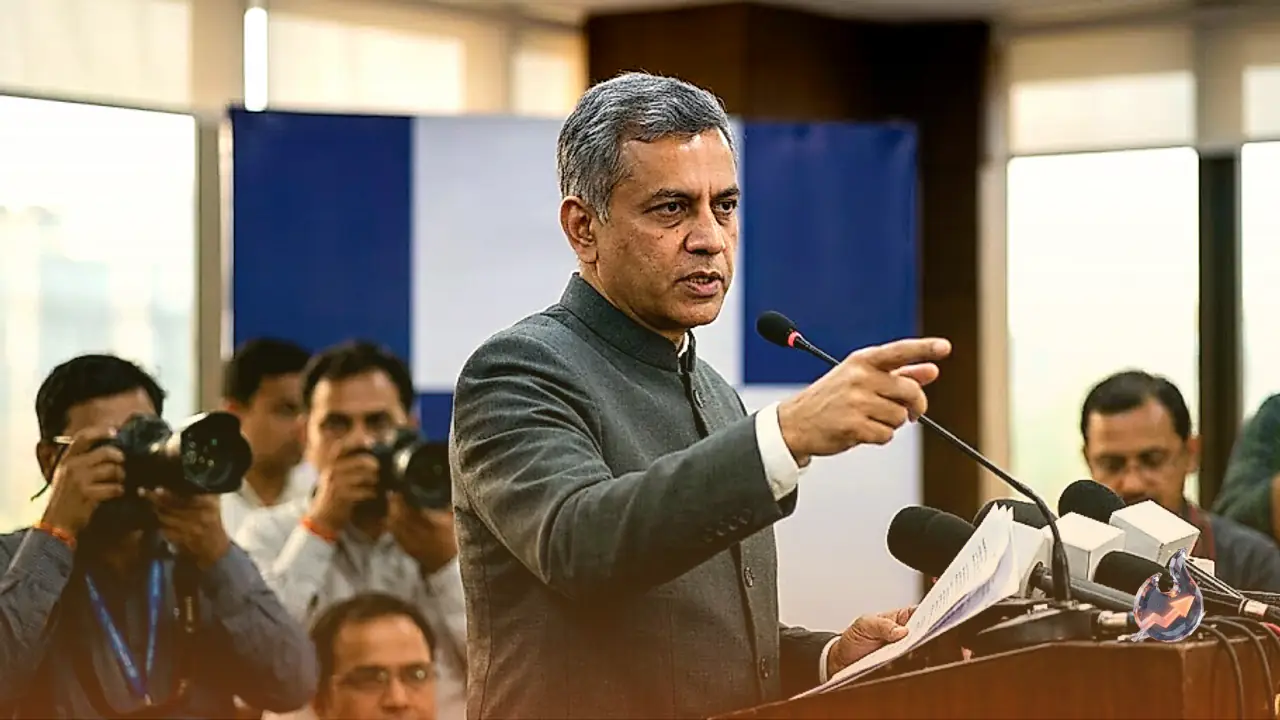
Responding strongly to the assertions made by Kejriwal, the Civil Aviation Minister and government representatives issued an official clarification rejecting the allegations. The government stated that there is absolutely no proposal or policy decision to introduce ethanol blending into Aviation Turbine Fuel (ATF). Authorities reiterated that aviation safety standards are governed by stringent regulatory frameworks and international aviation guidelines, assuring passengers that fuel quality is never compromised for policy targets.
Clarifying Sustainable Aviation Fuel Versus Ethanol Blending
Technical experts and industry insiders noted that the confusion stems from misinterpreting Sustainable Aviation Fuel (SAF) regulations as ethanol blending. India has been working toward introducing certified Sustainable Aviation Fuel (SAF) to lower carbon emissions in accordance with global aviation benchmarks. SAF undergoes rigorous certification to ensure complete engine compatibility and fuel quality standards identical to standard ATF. It is distinct from road vehicle ethanol blending, and existing aircraft engine specifications remain entirely uncompromised under current regulatory notifications.
Public Reaction
The post generated strong reactions from social media users, leading to intense debate. A significant section of online commenters criticized Kejriwal for conflating certified Sustainable Aviation Fuel with ethanol blending, accusing him of sharing misleading information. At the same time, other users expressed concern over aviation safety standards, demanding clear communication and absolute transparency regarding any fuel policy modifications affecting passenger air travel.