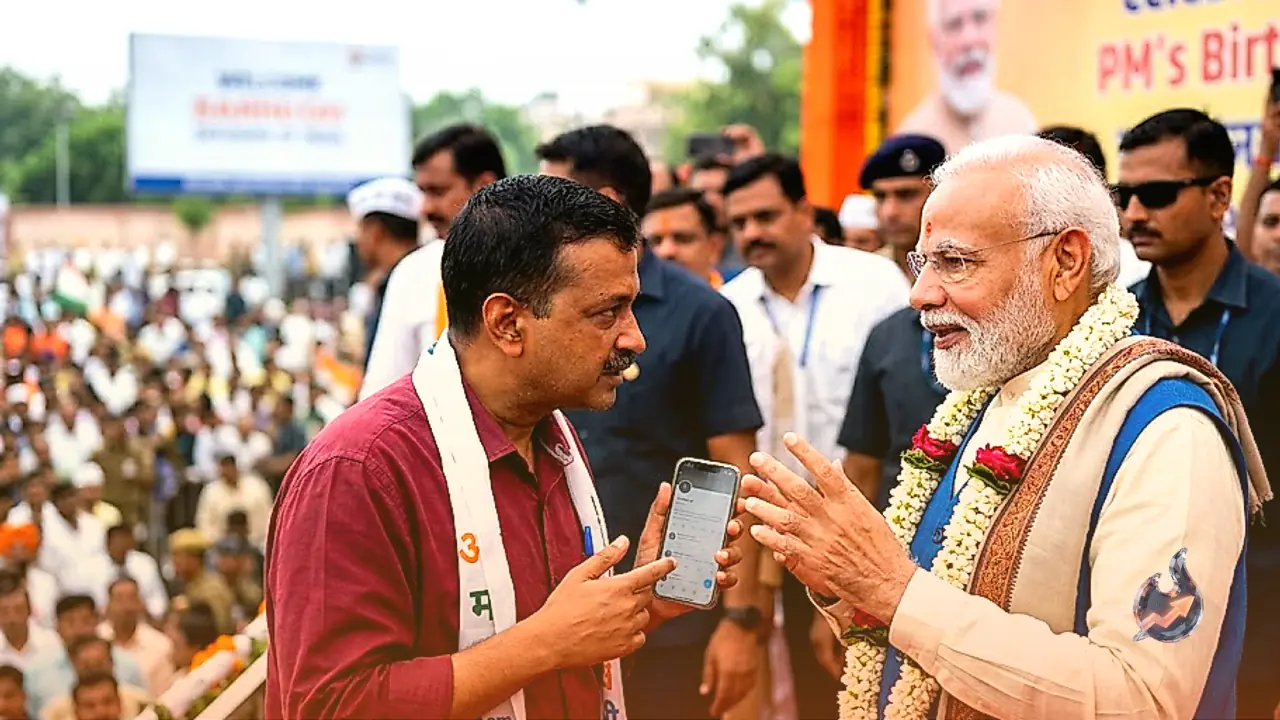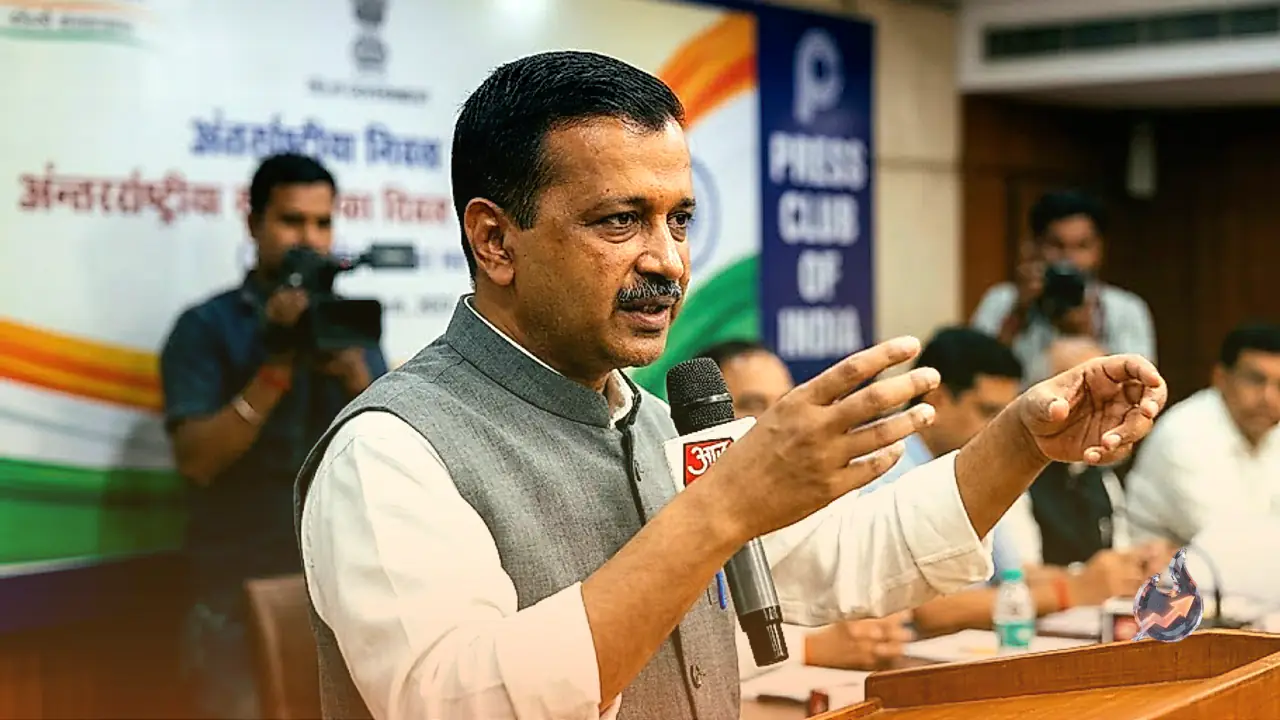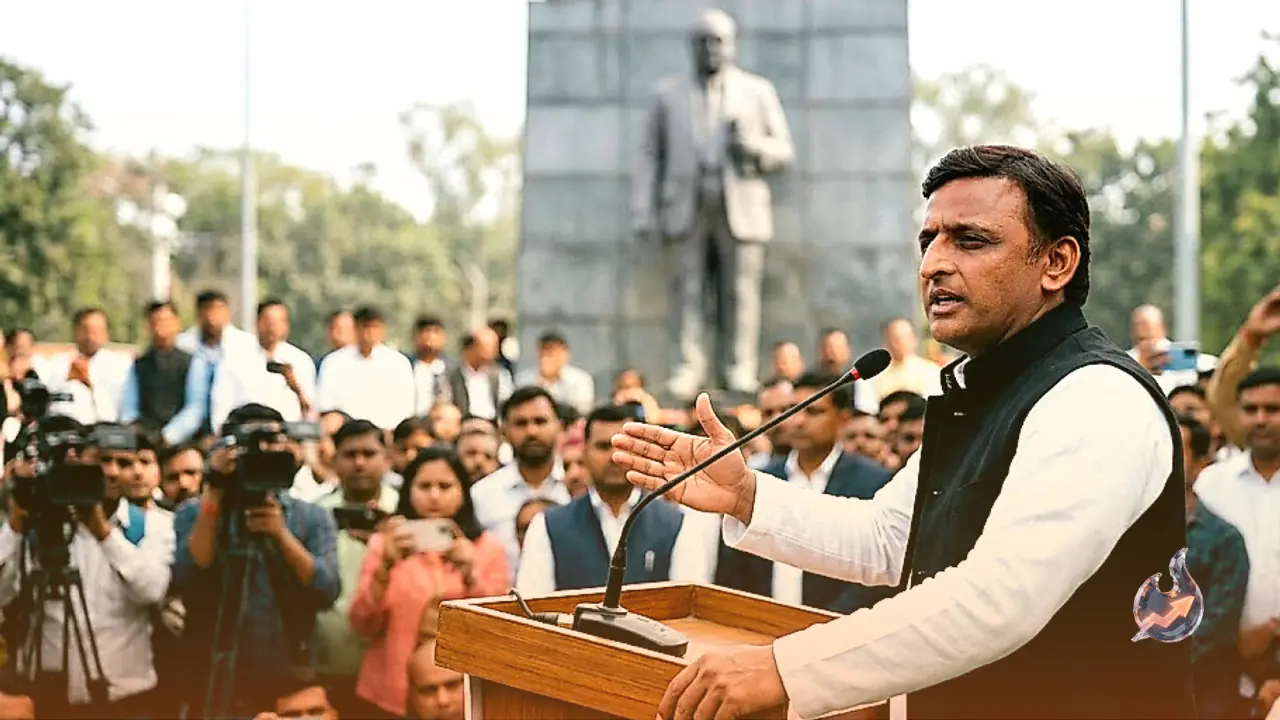



















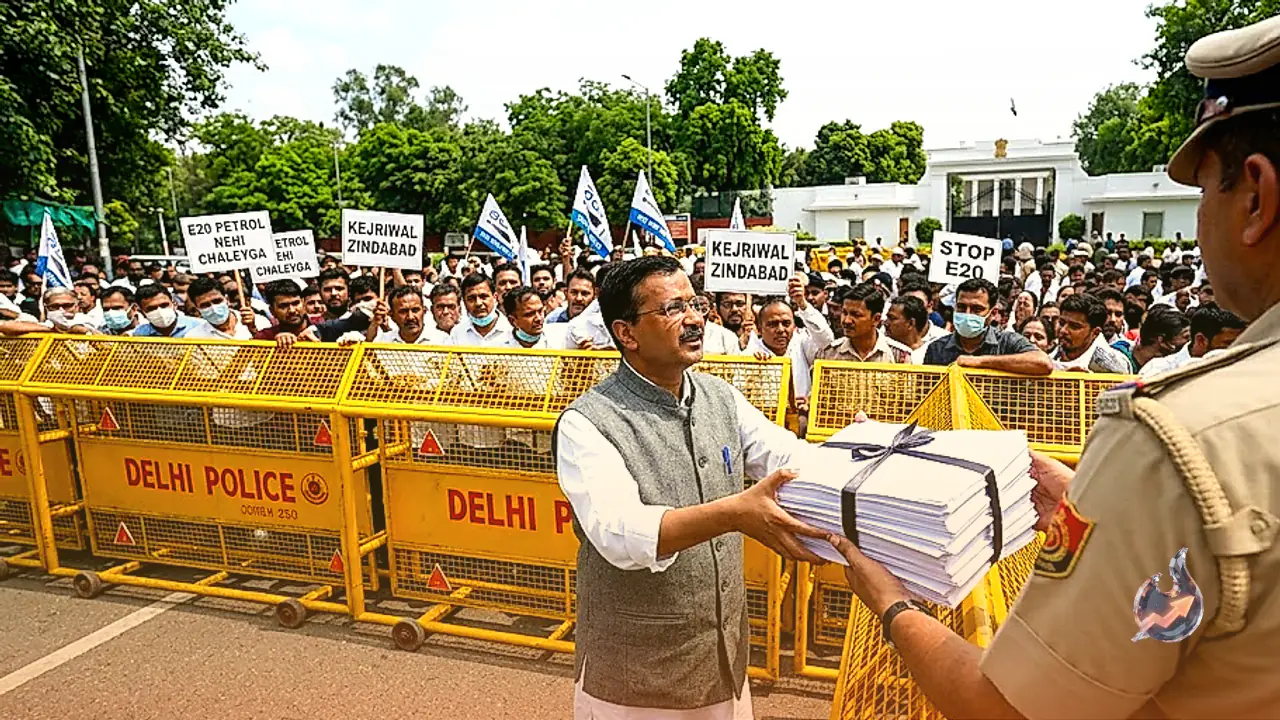

Arvind Kejriwal spearheaded a high-profile demonstration against the central government's E20 fuel blending policy, attempting to deliver over 2 lakh citizen petitions directly to Prime Minister Narendra Modi. As part of a pre-announced mobilization, Kejriwal led a delegation of 100 supporters toward the Prime Minister's residence at 12 PM. However, police forces deployed heavy barricades and stopped the marching group before they could reach the official residence. Following the security interception, the delegation submitted all 2 lakh collected petitions to the Prime Minister's office through official channels.
The Core Controversy Surrounding E20 Fuel Policy
The central government's E20 mandate aims to blend 20 percent ethanol with petrol across the country. While the initial deadline for reaching this 20 percent target was set for the year 2030, the government accelerated the timeline to 2025. This rapid advancement has drawn widespread concern from vehicle owners, mechanics, and automotive experts. Critics argue that higher ethanol concentration can corrode internal components in non-compliant legacy engines, leading to frequent breakdowns and reduced overall fuel efficiency. Concerns have escalated further amid reports that authorities are already considering a transition toward E25 petrol, which would increase ethanol blending to 25 percent.
Kejriwal Rebukes Government Action and Directs Aim at PM Modi
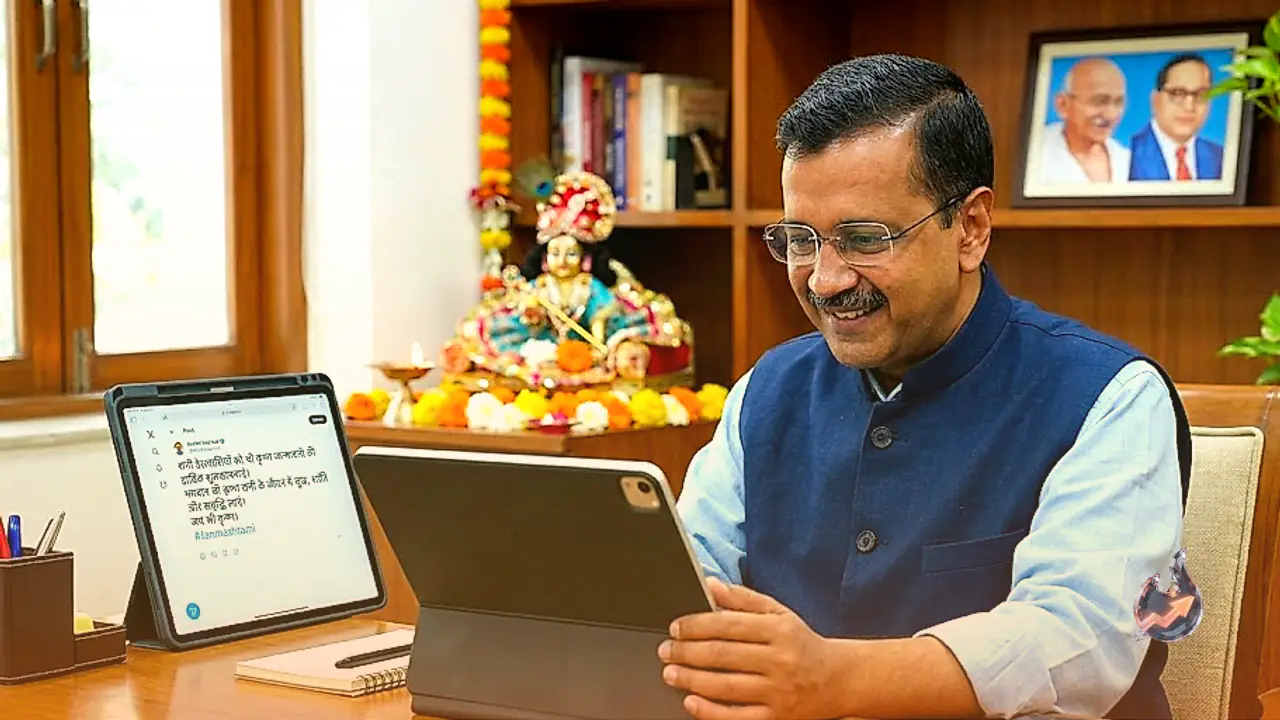
Following the police blockade, Arvind Kejriwal posted his message on social media platform X, accusing the administration of using state force to silence public opposition. Taking a direct jab at foreign policy and executive strength, Kejriwal urged, "Show this courage to Trump and stop forcing E20 on the country." He asserted that citizens gathered peacefully to air their genuine grievances regarding vehicle durability and fuel costs, but the government chose to deploy heavy security instead of engaging in direct dialogue.
Widespread Resistance and Emerging Legal Challenges
The movement against mandatory E20 implementation extends beyond political parties. Citizen bodies and interest groups, including CJP, the RHA platform boasting over 35 lakh followers, and the newly active E20 Janta Party, have launched campaigns challenging the initiative. Several groups are preparing legal petitions against Union Minister Nitin Gadkari and the central administration to halt the rapid rollout. On the other hand, government officials maintain that ethanol blending is critical for reducing India's foreign crude oil import bill and lowering carbon emissions, though opponents contend that the burden of unready vehicle technology should not be thrust onto ordinary consumers.
Public Reaction
The public reaction to the protest has been divided across social media and public forums. Supporters endorsed Kejriwal's stance against the abrupt policy push, highlighting engine maintenance costs and lowered mileage, while critics questioned the political motivations behind the march and pointed to governance challenges in regional administrations.