
























The Kerala cabinet has officially approved a stringent new anti-ragging draft legislation aimed at eliminating student harassment across educational campuses in the state. The proposed law introduces exceptionally strict penalties for offenders, reportedly including provisions for the death penalty in extreme cases where ragging leads to a student's death. This decisive move comes in the wake of the tragic demise of university student J.S. Sidharthan, an incident that sparked widespread outrage and highlighted the severe vulnerabilities within the existing campus safety mechanisms.
The Sidharthan Act and Distress App
Often referred to as the Sidharthan Act, the newly cleared bill is designed to close loopholes that previously allowed abusers to escape serious consequences. Alongside the legal framework, the state government has also given the green light to launch a dedicated 'Sidharthan' distress mobile application. This tech-driven initiative, which was first outlined during the Kerala state budget announcements, will empower vulnerable students to instantly report bullying, assault, or harassment directly to authorities in real time, ensuring a rapid response to distress calls.
Shashi Tharoor Applauds the Move
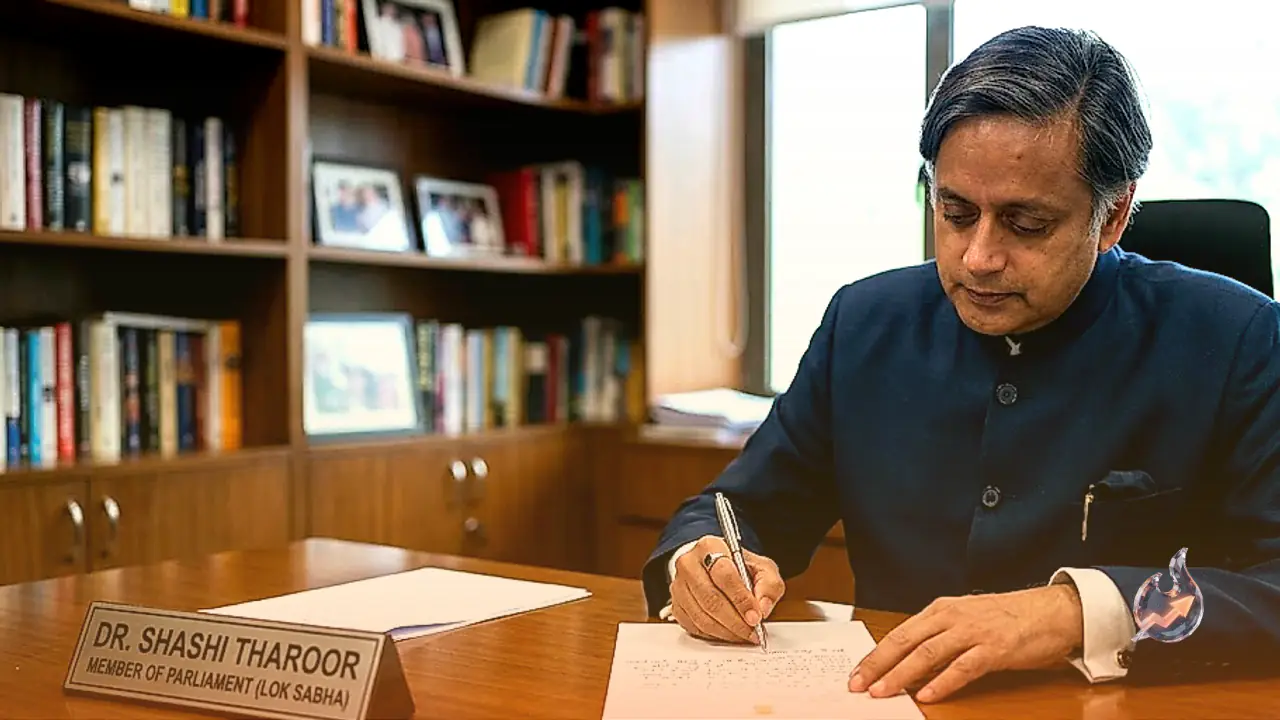
Following the cabinet's clearance, senior Congress leader and Member of Parliament Shashi Tharoor took to social media to commend the legislative development. Tagging Kerala's Leader of the Opposition V.D. Satheesan in his post, Tharoor praised his efforts in pushing for campus reforms. Reminding his followers of his own past interventions on the subject, Tharoor firmly stated, "Ragging is anti-social conduct that should never be tolerated." He expressed satisfaction that concrete steps are finally being taken to address the menace.
A Response to Rising Campus Violence
The urgency for this comprehensive law intensified after the Kerala High Court previously observed that the state's current anti-ragging measures were simply insufficient to protect students. Just days before the cabinet meeting, a prominent Kerala college was forced to suspend 13 senior students for brutally assaulting and ragging a first-year undergraduate. The new legislation represents a critical shift from mere administrative warnings to hardline criminal prosecution, aiming to restore a safe and harmonious learning environment.
Public Reaction
The response to Tharoor's statement on social media was largely supportive, with many citizens welcoming the government's strict approach to campus safety. While several users congratulated the political leaders for taking a definitive stand against academic bullying, a few individuals also used the comment section to draw attention to separate grievances regarding educational fellowship selections.