



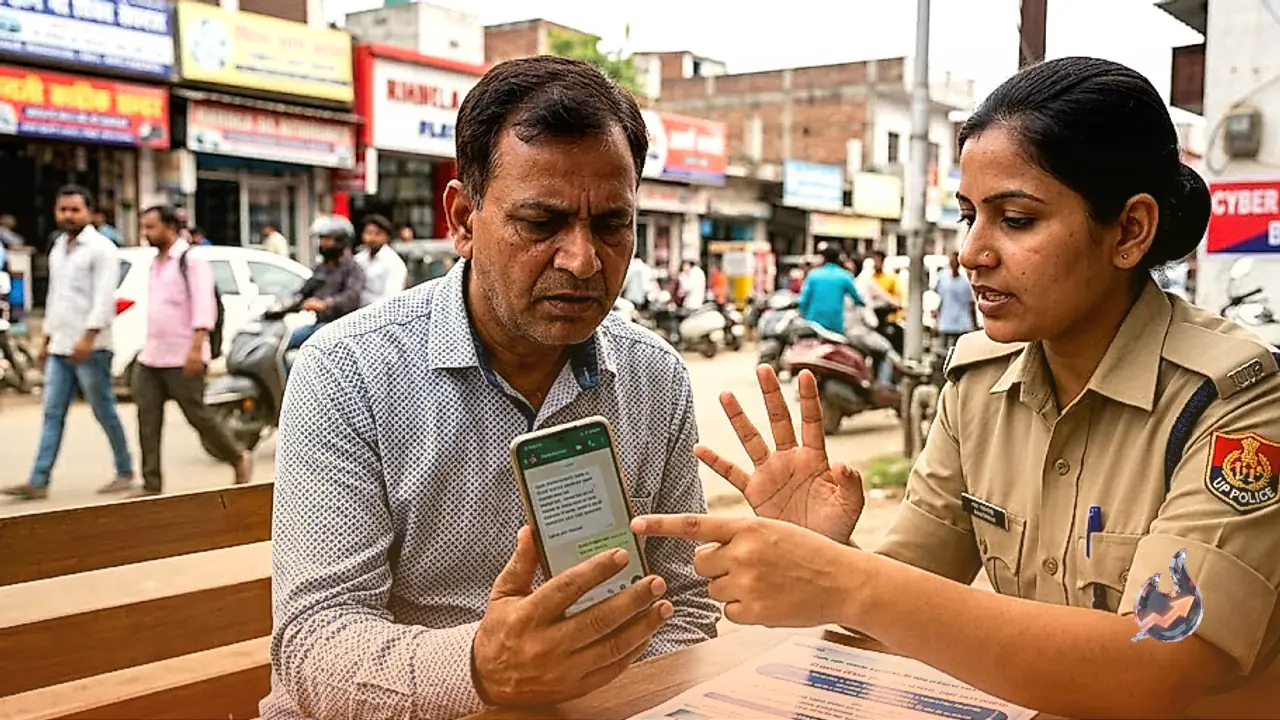



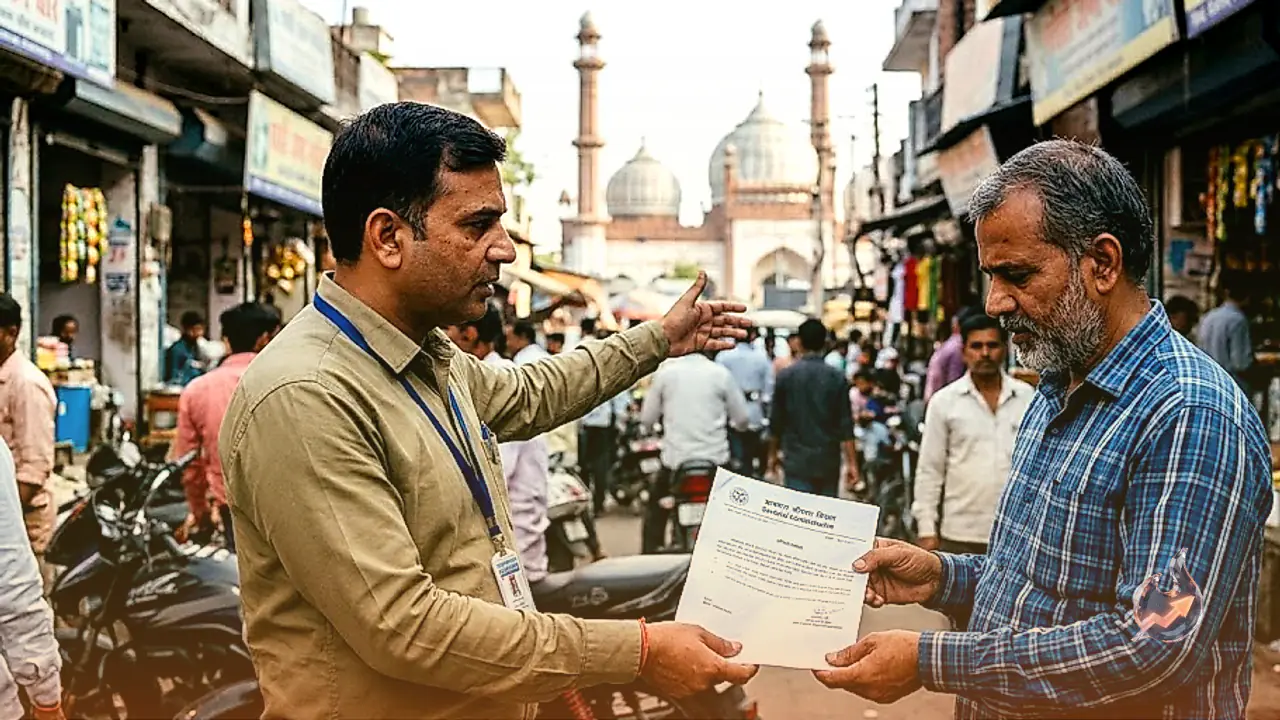















Prime Minister Narendra Modi has highlighted the transformative power of quiet administrative reforms, stating that the most meaningful governance changes are those that seamlessly integrate into the daily routine of ordinary citizens. Emphasizing the core philosophy behind 'Ease of Living', he noted that true progress is achieved when public services and welfare mechanisms function smoothly in the background without creating bureaucratic hurdles or requiring complex procedures for everyday families.
The Concept of Quiet Reforms and Ease of Living
Effective governance relies on simplifying public administration so that basic amenities and welfare services reach citizens without friction. Prime Minister Narendra Modi stressed that impactful reforms do not always require grand declarations; rather, their real success lies in how effortlessly they become a natural part of daily life. When government initiatives reduce administrative complexity, they restore dignity to households across the nation.
Over recent years, several key welfare measures have exemplified this approach to citizen-centric governance. Initiatives providing clean cooking fuel to rural households, universal banking access for unbanked populations, and comprehensive health cover for vulnerable families have eliminated tedious paperwork. For instance, schemes such as Ujjwala for LPG connections, Jan Dhan Yojana for financial inclusion, and Ayushman Bharat for medical protection have quietly restructured how essential services are delivered at the grass-roots level.
Transforming Public Delivery and Bureaucratic Efficiency
The integration of modern digital infrastructure has played a pivotal role in accelerating public service delivery across India. By replacing traditional paper-heavy workflows with direct digital transfers and online verification systems, governance has become significantly more transparent and accessible. Direct Benefit Transfer mechanisms have ensured that financial support reaches beneficiaries directly in their bank accounts, reducing leakages and eliminating intermediaries.
Furthermore, providing health insurance safety nets and easy banking access allows families to navigate economic uncertainties with greater confidence. When citizens no longer have to spend valuable time and resources navigating bureaucratic red tape for basic entitlements, their quality of life improves substantially. This quiet evolution in public administration serves as a fundamental pillar for long-term socio-economic growth and empowerment.
Public Reaction
The Prime Minister's observations evoked a wide range of responses from citizens and social media commentators. Many users welcomed the focus on administrative simplification, noting that direct welfare delivery and digital access have indeed eased daily struggles for millions of families. At the same time, other commentators raised queries regarding taxation structures for the middle class, reservation policies, and the need for broader structural reforms across diverse socio-economic categories.