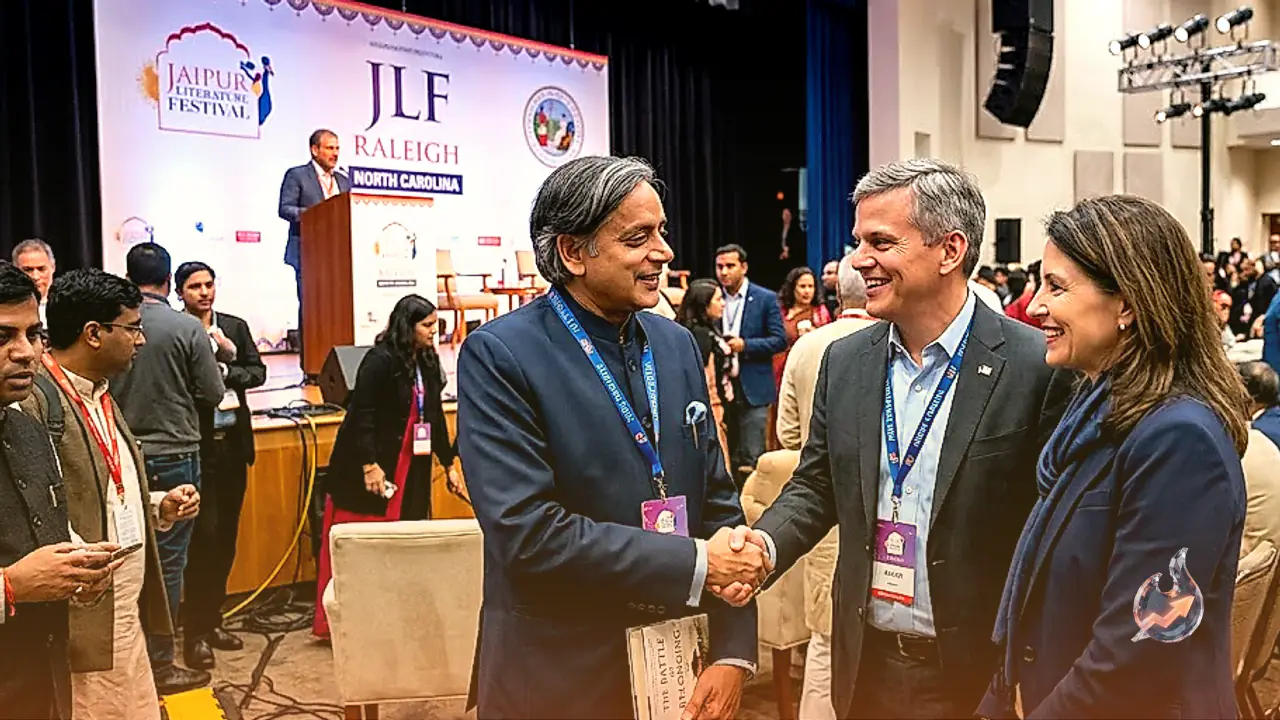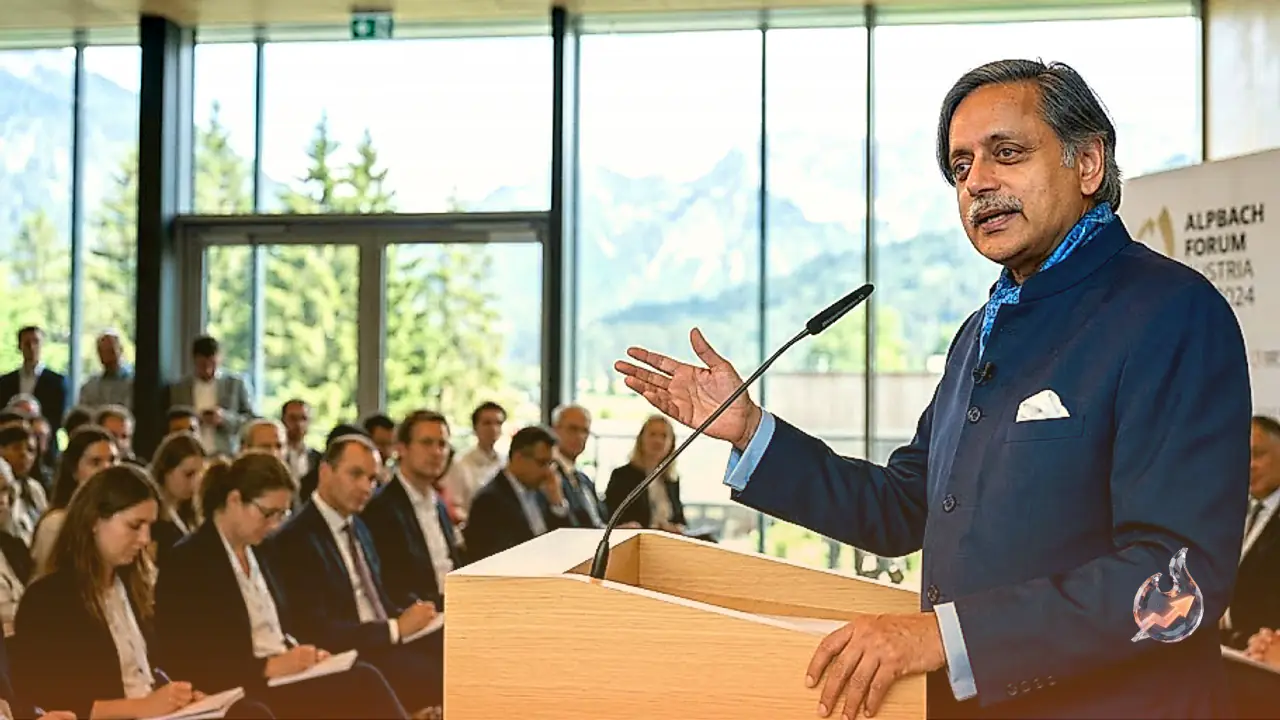




















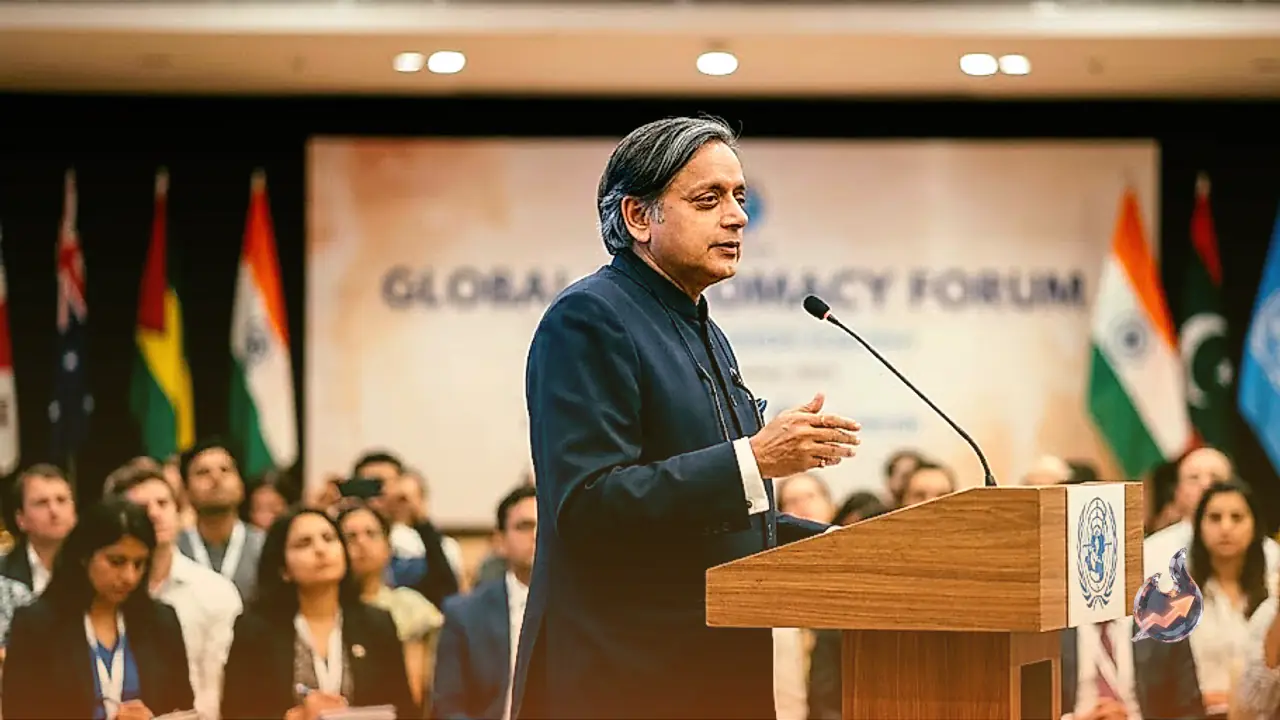

A diplomatic discussion over the governance and leadership selection of the United Nations has re-emerged following recent statements by Shashi Tharoor regarding the 2006 race. Tharoor reflected on his decision to step aside from the contest despite securing a majority in the General Assembly after encountering a veto within the Security Council.
The 2006 UN Selection and the P-5 Veto Decision
During the 2006 United Nations Secretary-General selection process, Tharoor faced a veto from a permanent member of the Security Council, even though he enjoyed strong majority backing within the General Assembly. At the time, proposals were made to leverage the General Assembly majority to push his candidacy forward, which he ultimately turned down.
Explaining his rationale, Tharoor highlighted that leadership at the international body requires constructive engagement with key world powers. "I declined to pursue that route because no UN SecGen can function effectively without the cooperation of the P-5," Tharoor stated.
Institutional Realities of the Security Council
The structure of the United Nations places significant authority in the hands of the five permanent members (P-5) of the Security Council. While the General Assembly represents the collective global membership, peacekeeping, high-level administrative functioning, and core international resolutions rely heavily on P-5 consensus. Running the organization in the face of direct opposition from permanent members presents immoveable operational hurdles.
Public Reaction
The online post drew varied responses from commentators across social media platforms. Some observers argued that the P-5 veto mechanism reflects an unbalanced concentration of power in international diplomacy, whereas others noted the pragmatic political realities involved in running the United Nations organization.