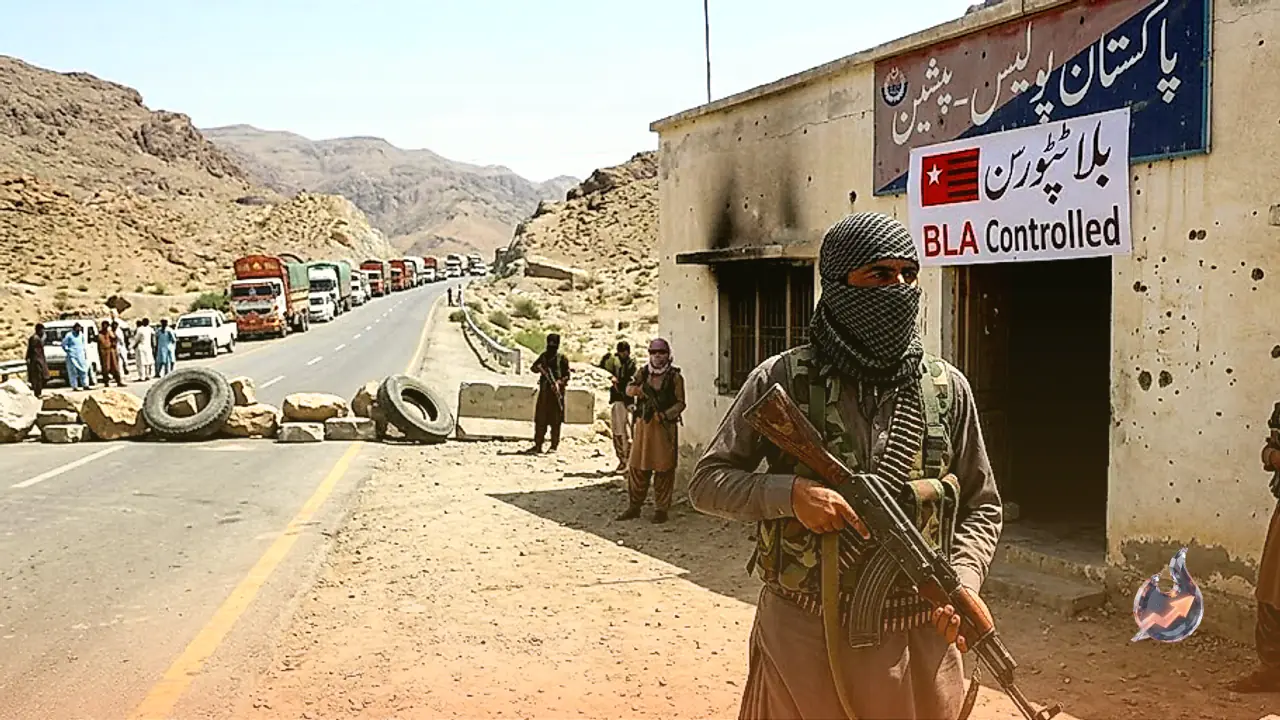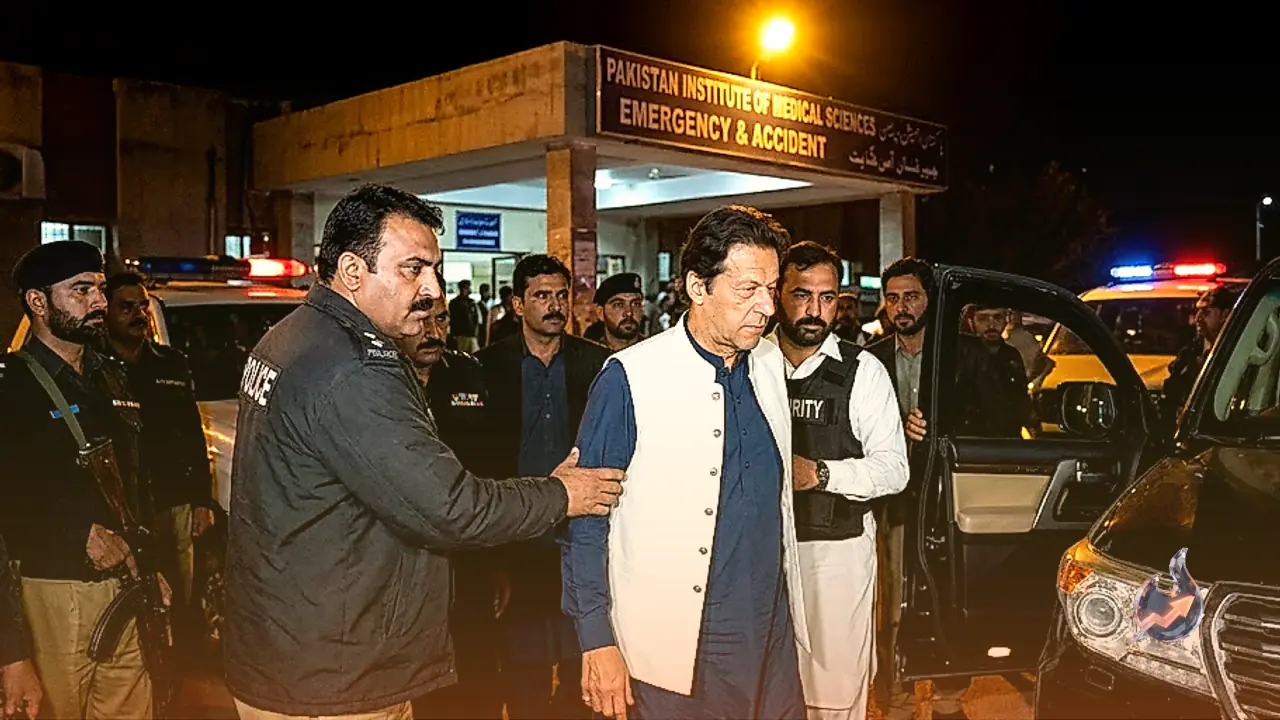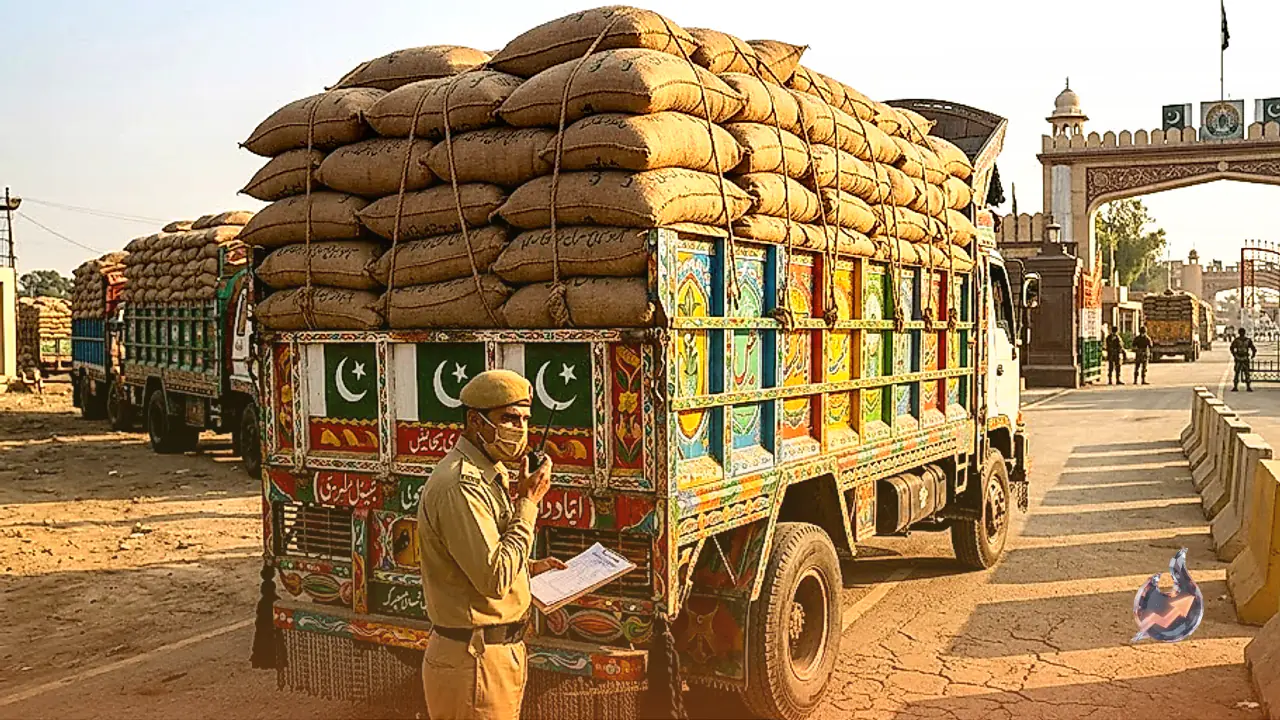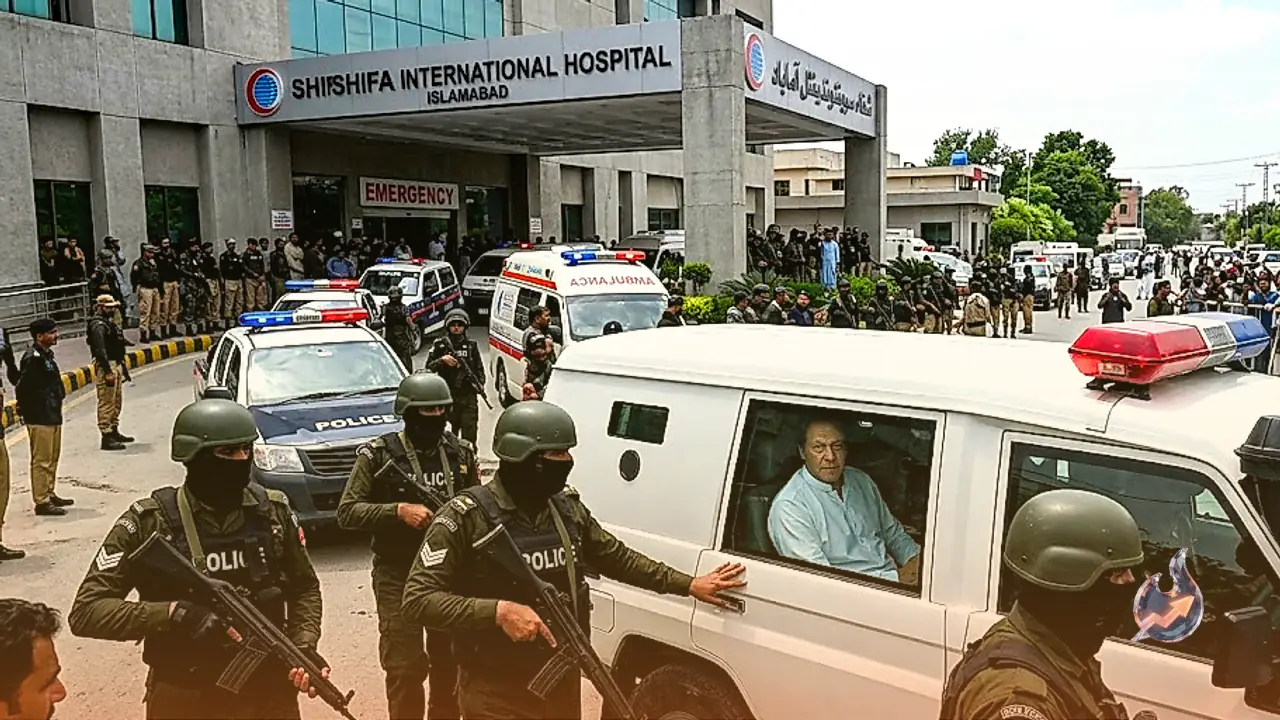























The security situation in Balochistan appears to be slipping out of control as fighters associated with the Baloch Liberation Army continue to push back government forces. Having failed to provide basic necessities like electricity and water to the local population, the Pakistani military leadership is now struggling to maintain law and order across the province. After a prolonged silence on the escalating conflict, the military chief has finally addressed the situation in Balochistan. However, rather than confronting the core grievances of the local population, the decision to label local protesters and insurgents as 'foreign agents' is being viewed by analysts as an attempt to mask strategic failures on the ground.
Allegations of 'Foreign Proxies' Made During High-Level Meeting
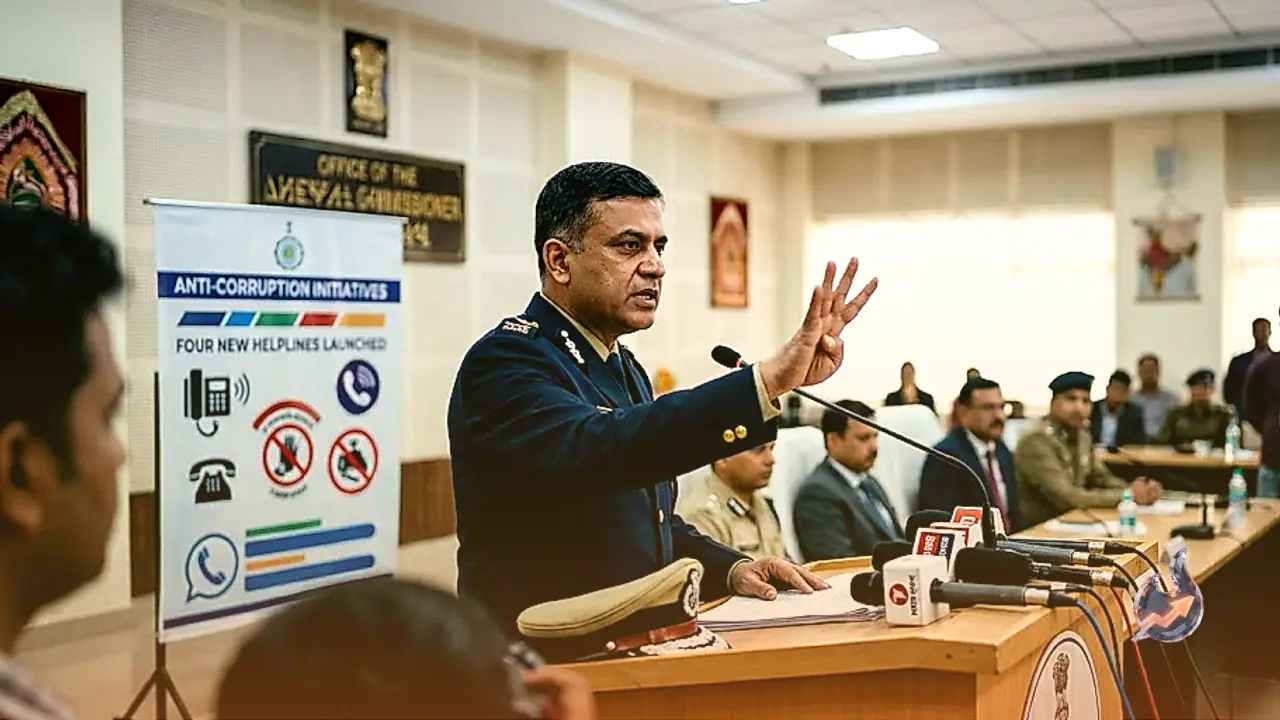
Field Marshal Asim Munir, the Chief of Army Staff of Pakistan, recently held a high-level conference with local political representatives and prominent community leaders from Balochistan. During this interaction, he launched a sharp rhetoric against armed groups demanding independence and self-determination for the region. Without explicitly naming any specific nation, Asim Munir asserted that the fighters orchestrating attacks in Balochistan are operating as external proxies at the behest of hostile foreign entities. He claimed their primary objective is to derail regional development projects, destabilize the security environment, and create an unbridgeable rift between the public and the state government.
Whenever the military establishment finds itself unable to enforce order within a province, attributing its failures to external conspiracies remains a recurring tactic. The crisis in Balochistan is not merely a law enforcement issue; it stems from decades of deep-seated political marginalization and economic exploitation. Local residents have long accused the central administration in Islamabad of extracting the province's rich natural reserves while depriving the native population of basic rights and economic opportunities. When the military fails to address these fundamental grievances, it frequently resorts to tagging local dissidents as tools of foreign powers.
Resource Extraction and Decades of Regional Marginalization
Balochistan is geographically the largest and resource-wise the richest province in Pakistan, boasting vast reserves of natural gas, gold, copper, and essential minerals. Despite this immense natural wealth, the region remains one of the most underdeveloped and impoverished areas in the country. For decades, the indigenous Baloch population has criticized Islamabad for siphoning off its natural wealth to fuel development in other provinces while leaving Balochistan politically isolated and economically neglected. Severe deficits in basic infrastructure, healthcare, employment, and education have fostered widespread resentment among the local population.
This discontent has been further aggravated by the repressive tactics employed by the state security apparatus. Local citizens and international human rights organizations have repeatedly accused the Pakistani military and intelligence agencies of executing enforced disappearances and extrajudicial killings to suppress Baloch youth and political activists. Heavy-handed military operations, coupled with airstrikes on local settlements, have resulted in civilian casualties and widespread displacement. These stern measures have severely eroded public trust in state authority and deepened the sense of alienation from Islamabad.
Escalating Lethal Attacks by the Baloch Liberation Army
The statements from the army chief come at a time when the Baloch Liberation Army (BLA) and allied insurgent groups have intensified their tactical strikes against military outposts, government installations, and economic infrastructure. The expanding reach, refined tactics, and precision of these attacks have placed immense pressure on the security apparatus. Insurgents are increasingly mounting direct assaults on fortified positions, underscoring the diminishing control of government forces in key parts of the province.
A series of high-casualty incidents in recent months highlights the severity of the security collapse. In July, insurgent forces launched a major assault on a critical police check post in the Ziarat district. The intense gunbattle resulted in the deaths of 27 police personnel, sending shockwaves through the regional security administration. The attack demonstrated the capability of insurgent groups to breach government checkpoints and execute coordinated operations in broad daylight.
Earlier in May, a devastating suicide bombing struck the provincial capital of Quetta. Insurgents targeted a crowded shuttle train at a central railway station, causing massive destruction. The powerful blast claimed the lives of at least 47 individuals and left more than 98 others critically injured. These consecutive attacks have eroded the deterrence of the military in Balochistan, showing that insurgent groups can strike deep within heavily guarded urban centers.
Rising Pressure from China Over CPEC Infrastructure Security
The conflict in Balochistan has evolved beyond a domestic counter-insurgency challenge into a significant geopolitical issue involving neighboring China. Under the multi-billion-dollar China-Pakistan Economic Corridor (CPEC), Beijing has invested heavily in developing the strategic deep-sea Gwadar Port and associated infrastructure across Balochistan. The corridor serves as a crucial trade route providing China direct access to the Arabian Sea.
However, BLA fighters have repeatedly targeted Chinese engineers, construction personnel, and CPEC installations across the province. These attacks have triggered serious concern and frustration in Beijing. The Chinese leadership has been exerting persistent pressure on the Pakistani government and Army Chief Asim Munir to guarantee absolute security for its nationals and investments. Faced with an inability to neutralize the BLA on the ground, the military leadership has turned to political meetings and foreign-conspiracy narratives to deflect accountability.
Human rights advocates and political commentators emphasize that dismissing local grievances as foreign proxies offers no viable path to stability. Accusing citizens of being foreign pawns rather than addressing systemic injustice reflects a lack of strategic options. As BLA influence expands and Chinese diplomatic pressure mounts, the Pakistani military faces an increasingly complex environment where rhetoric alone cannot restore control or resolve the structural crisis in Balochistan.