




















Economic and trade friction between the European Union and China has reached a critical turning point, threatening to reverberate across global financial markets. Responding to years of mounting trade imbalances, Europe has adopted an increasingly uncompromising stance against Beijing's industrial practices. European Union Trade Commissioner Maroš Šefčovič issued a firm warning indicating that unless Beijing delivers concrete results to narrow the trade deficit by October, Brussels will not hesitate to deploy rigorous defensive and retaliatory measures. While post-World War II Europe has traditionally relied on diplomatic negotiations to settle international disputes, officials emphasize that the current standoff directly threatens the survival of the continent's domestic industrial base. Consequently, diplomats consider the next two weeks exceptionally delicate for the future of bilateral trade agreements.
The October Deadline and High-Level Diplomatic Schedule
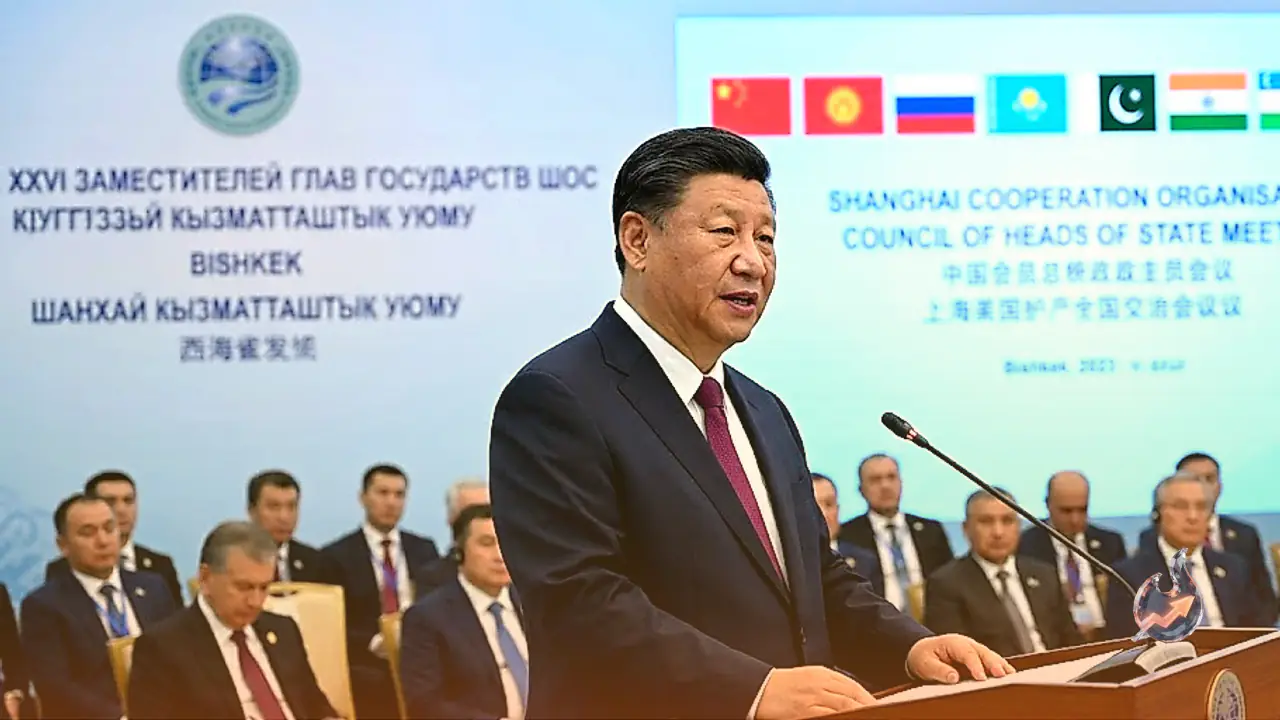
To steer these high-stakes negotiations toward a resolution, Brussels and Beijing have mapped out an intensive diplomatic schedule leading up to the fall. According to planned arrangements, EU Trade Commissioner Maroš Šefčovič will hold a pivotal video conference with Chinese Commerce Minister Wang Wentao in mid-September. This virtual meeting aims to address core disagreements regarding market access and trade disparities. Following these preliminary discussions, Šefčovič is scheduled to travel directly to China in October for face-to-face negotiations with senior officials in Beijing.
The diplomatic push will culminate at the end of October during a high-level summit of European Union leaders in Brussels, where the mounting trade deficit with China will top the political agenda. European officials confirm that all 27 member states stand fully united behind this assertive strategy. Rather than accepting verbal promises or general declarations, Europe is demanding a tangible 'proof of concept' demonstrating real structural changes in Chinese trade policy. If Beijing fails to demonstrate a clear remedial path by October, European leaders intend to build political momentum for decisive counter-measures.
A 'Super Political' Crisis and Ursula von der Leyen's Stance
European policymakers stress that the conflict has evolved far beyond routine commercial exchange, transforming into a highly sensitive, 'super political' confrontation. Speaking at a business forum in France, European Commission President Ursula von der Leyen delivered an unambiguous message regarding relations with Beijing. She noted that diplomatic dialogues and round-table discussions remain useful only as long as they yield measurable, concrete outcomes on the ground.
President von der Leyen reiterated that if diplomatic engagement fails to alter Chinese policies, the European Union will actively utilize its defensive trade toolkit. While Commissioner Šefčovič refrained from specifying the exact nature of upcoming restrictive measures, he disclosed that Brussels is finalizing a comprehensive 'diversification instrument'. This strategic framework is designed to dismantle Europe's forced economic dependency on China by securing alternative global supply chains for critical goods.
Deepening Disputes Across Automotive, Healthcare, and Agriculture
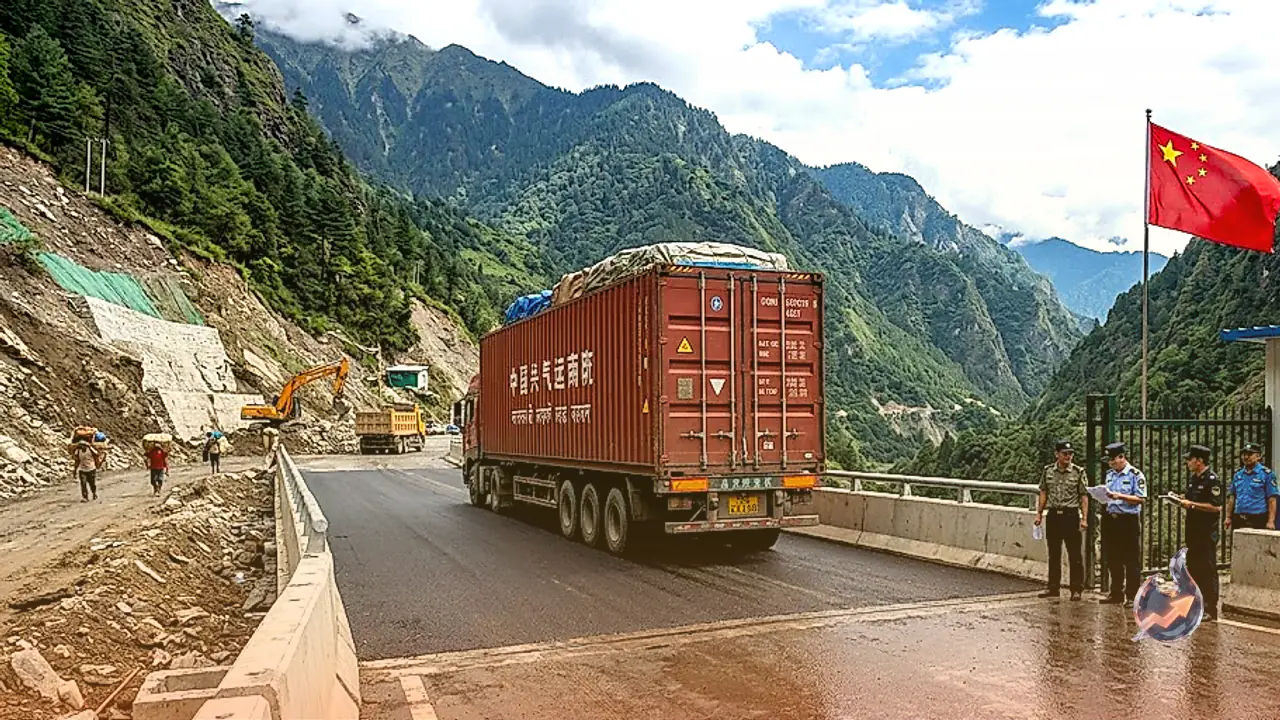
The primary driver of tension for Brussels is that every single one of the 27 EU member countries currently runs a substantial trade deficit with China. European businesses purchase vast quantities of Chinese manufactured goods, yet European exporters routinely face restrictive regulations and market barriers when attempting to sell their products within China. Although Šefčovič acknowledged that opening Chinese markets to European companies overnight is unrealistic, Brussels is demanding immediate relief across several vulnerable sectors.
The friction is concentrated in three vital economic areas
- Electric Vehicles (EVs): Heavily subsidized, low-cost Chinese electric cars are flooding European showrooms, placing severe competitive pressure on Europe's historic automotive manufacturers.
- Medical Equipment: European medical device manufacturers face systematic administrative hurdles that prevent direct, equal access to China's expanding healthcare market.
- Agri-Food Sector: Beijing maintains stringent regulatory standards and import controls on European dairy and agricultural products, constraining European farm exports.
Escalating Friction and Multilevel Investigations
Tensions between Brussels and Beijing have steadily intensified over recent months. In response to perceived market distortions, the European Union has imposed scrutiny and access limits on Chinese firms operating within the European bloc. In turn, Beijing has issued retaliatory threats aimed at restricting imports of European goods.
A specialized delegation of European Union officials recently concluded a fact-finding mission in Beijing and is returning to Europe to submit a detailed assessment report. Meanwhile, the European Commission launched multiple trade investigations into Chinese industrial practices over the summer. President von der Leyen confirmed that these regulatory probes are being accelerated specifically to target anti-competitive behavior and fraudulent practices by Chinese market participants.
Refusing to Back Down Amid Global Trade Risks
European leaders maintain that passive acceptance of distorted trade practices could drive domestic European industries to extinction. European strategists argue that failing to compel China to compete on fair terms now will leave Europe permanently reliant on Chinese supply chains for essential commodities and industrial components.
In closing, Commissioner Šefčovič highlighted the unprecedented intensity of current diplomatic exchanges, noting that European officials have never engaged their Chinese counterparts with such frequency or determination. The international community now watches to see whether Beijing will adjust its economic policies prior to the October deadline or if global markets will be forced to confront a broader trade conflict.