






















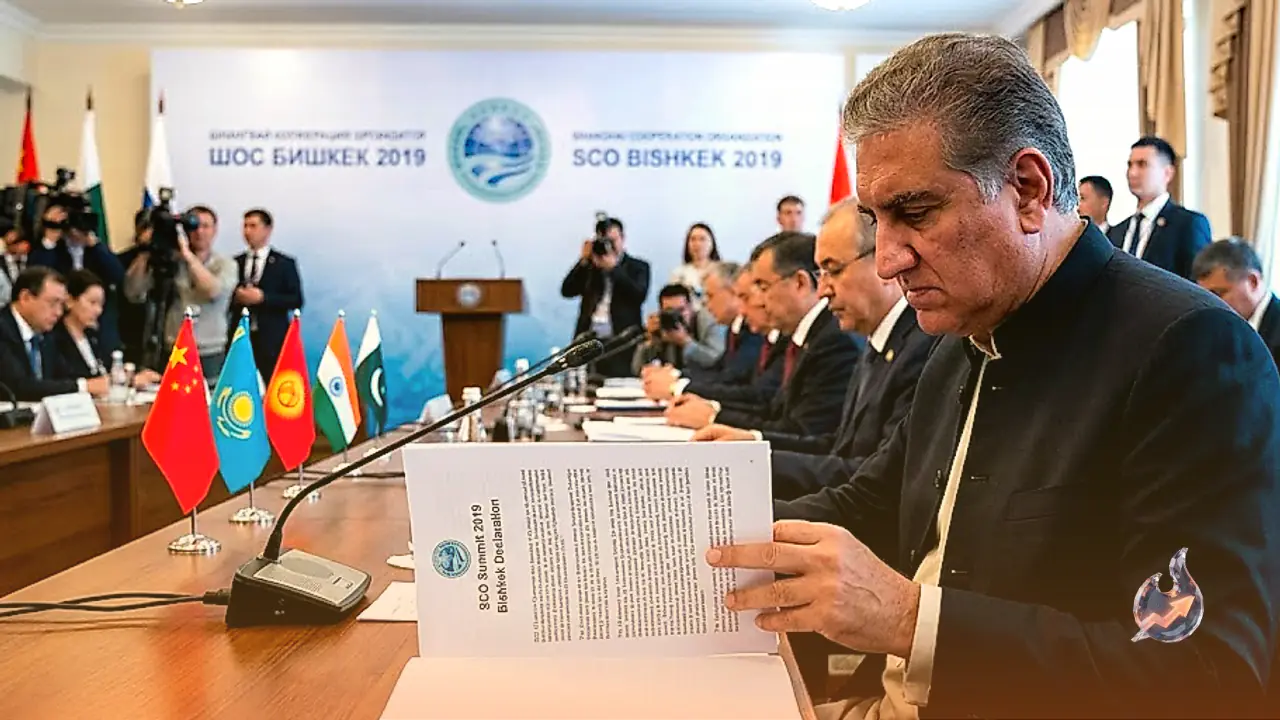

The joint declaration issued at the Bishkek summit of the Shanghai Cooperation Organisation, known as the SCO, marks a notable diplomatic milestone. Member states unanimously reaffirmed their collective commitment against terrorism, separatism, and extremism. The document contained explicit condemnation of cross-border terrorism, a development viewed in New Delhi as a significant diplomatic success. India has long urged international forums to hold state actors accountable for harboring terror groups. However, amid this consensus, a key question arises: why did Pakistan, which frequently faces global scrutiny for supporting cross-border terror networks, agree to language championed by India? The answer lies in Islamabad's internal security compulsions and calculated diplomatic maneuvering.
Key Provisions on Counter-Terrorism in the SCO Declaration
The Bishkek Declaration adopted a rigorous stance against all manifestations of terrorism. Member countries unequivocally stated that double standards in addressing terrorism are unacceptable under any circumstances. Citing the principles of the United Nations Charter and international law, the statement emphasized the complete implementation of the United Nations Global Counter-Terrorism Strategy and relevant United Nations Security Council resolutions. The declaration specifically called for curbing the cross-border movement of terrorists and mounting a joint effort to neutralize all recognized terror outfits. This wording directly reflects India's long-held position on global counter-terrorism framework.
Security Concerns Driving Pakistan's Agreement
India maintains a firm zero-tolerance policy toward state-sponsored cross-border terrorism. Pakistan's willingness to endorse such an unyielding document stems primarily from its own perceived security vulnerabilities. For years, Islamabad has alleged that ongoing insurgencies and instability in Balochistan and Pakistan-Administered Kashmir, or PoK, are backed by external forces, accusing Indian intelligence agencies of fostering unrest by supporting Baloch separatists.
By agreeing to the strict SCO language targeting terrorism and separatism, Pakistan aims to reframe these provisions to serve its own narrative. While facing international isolation over terror safe havens on its soil, Islamabad seeks to leverage the terms 'cross-border terrorism' and 'double standards' to project its internal instability in Balochistan and PoK as externally driven. This tactic allows Pakistan to attempt to deflect international criticism while trying to mirror India's grievances on multilateral platforms.
Shehbaz Sharif's Strategic Calculus and India's Position
Under Shehbaz Sharif, Pakistan's endorsement represents a strategic compulsion rather than a genuine shift in counter-terrorism policy. Islamabad relies on the SCO to maintain close diplomatic ties with major regional powers like China and Russia. Aligning with shared anti-terror statements helps Pakistan ease international pressure without dismantling its existing strategic posture. Pakistan hopes that broad definitions of terrorism can be repurposed to level accusations against India.
India, however, has consistently clarified that the crisis in Balochistan is Pakistan's internal issue, resulting from long-standing political disenfranchisement, economic neglect, and human rights violations. New Delhi maintains that it provides no support to separatist elements. In contrast, cross-border terror attacks originating from Pakistani territory—such as the strikes in Pathankot, Uri, and Pulwama, along with persistent border infiltrations—provide clear evidence justifying India's security stance.
Implications for Khyber Pakhtunkhwa and the Afghanistan Border
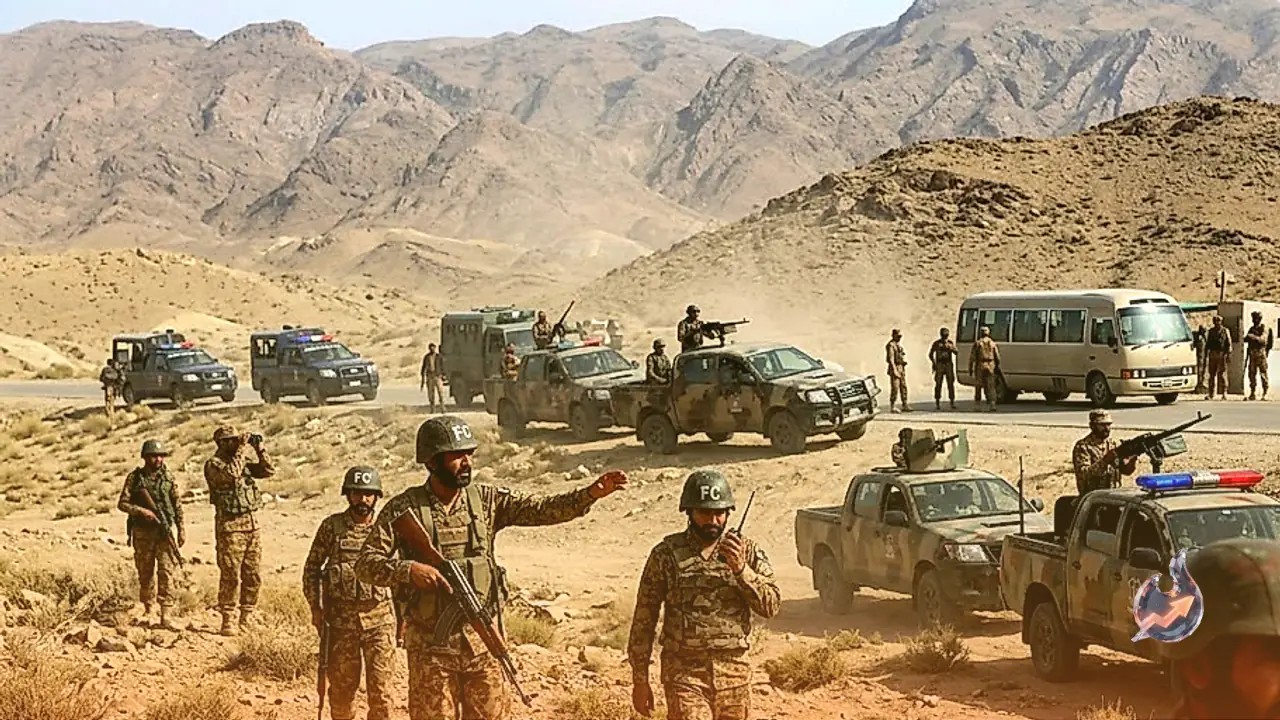
Another factor influencing Pakistan's position is its ongoing military operations in Khyber Pakhtunkhwa. Islamabad regularly accuses Afghanistan of granting sanctuary to Tehrik-i-Taliban Pakistan, or TTP, militants who launch attacks inside Pakistan. This issue has led to repeated border clashes and heightened diplomatic tension between Kabul and Islamabad. By supporting the SCO's strong language against terror sanctuaries, Pakistan seeks international legitimacy for its military actions along the Afghan border.
Diplomatic Gains and Future Vigilance for New Delhi
The Bishkek Declaration provides New Delhi with valuable leverage on the international stage. The explicit inclusion of references to cross-border terrorism and double standards allows India to intensify diplomatic pressure on Pakistan to dismantle terror infrastructure operating from its territory. Simultaneously, Indian foreign policy officials must remain vigilant to prevent Pakistan from misusing the declaration to internationalize the Balochistan and PoK issues on global forums.