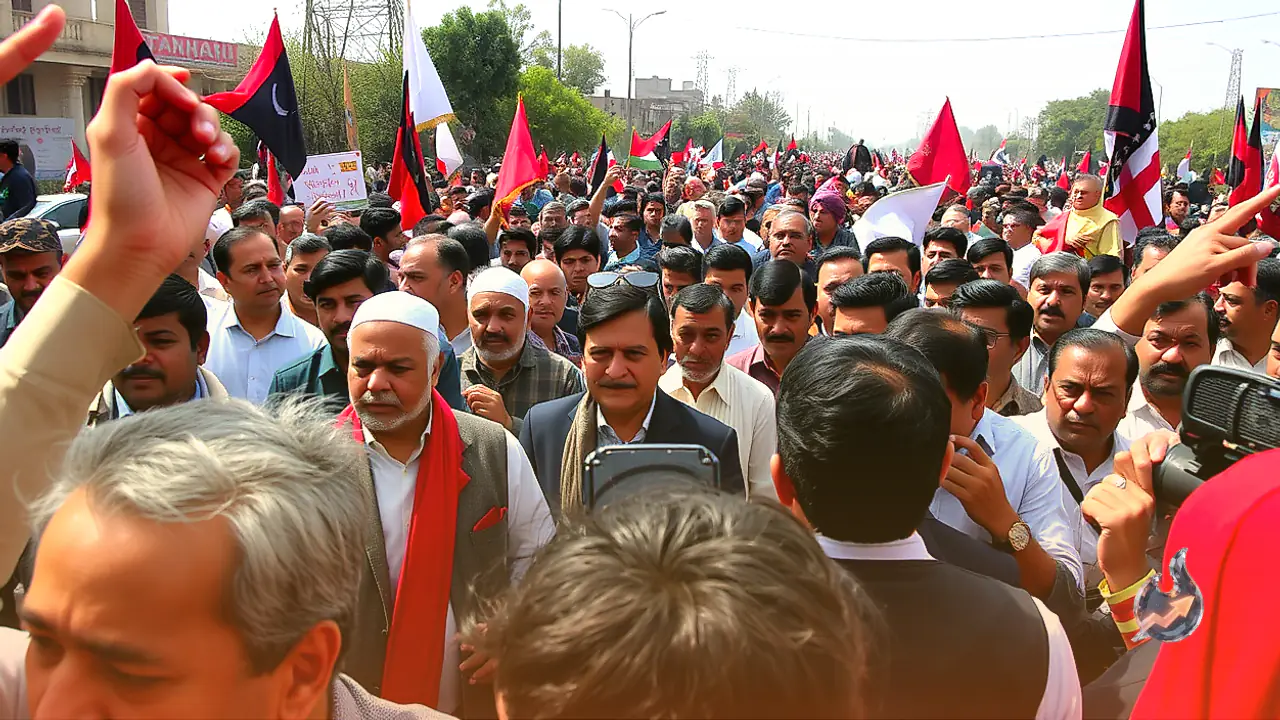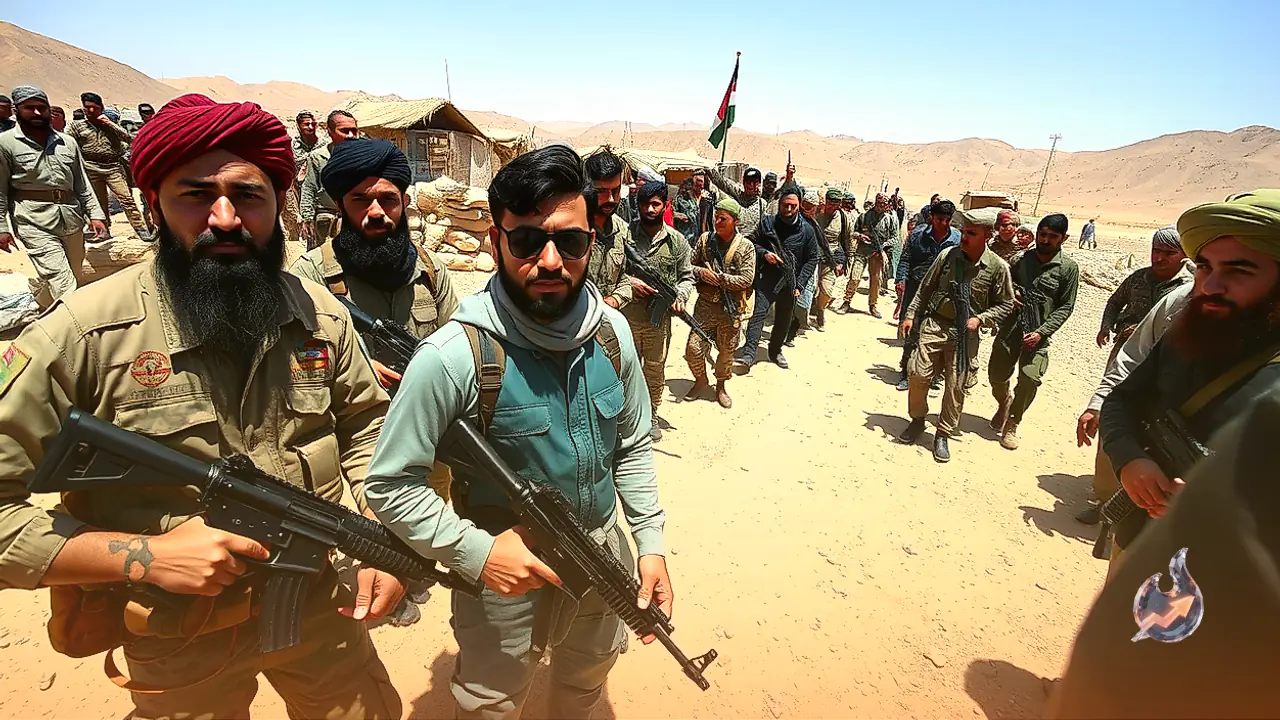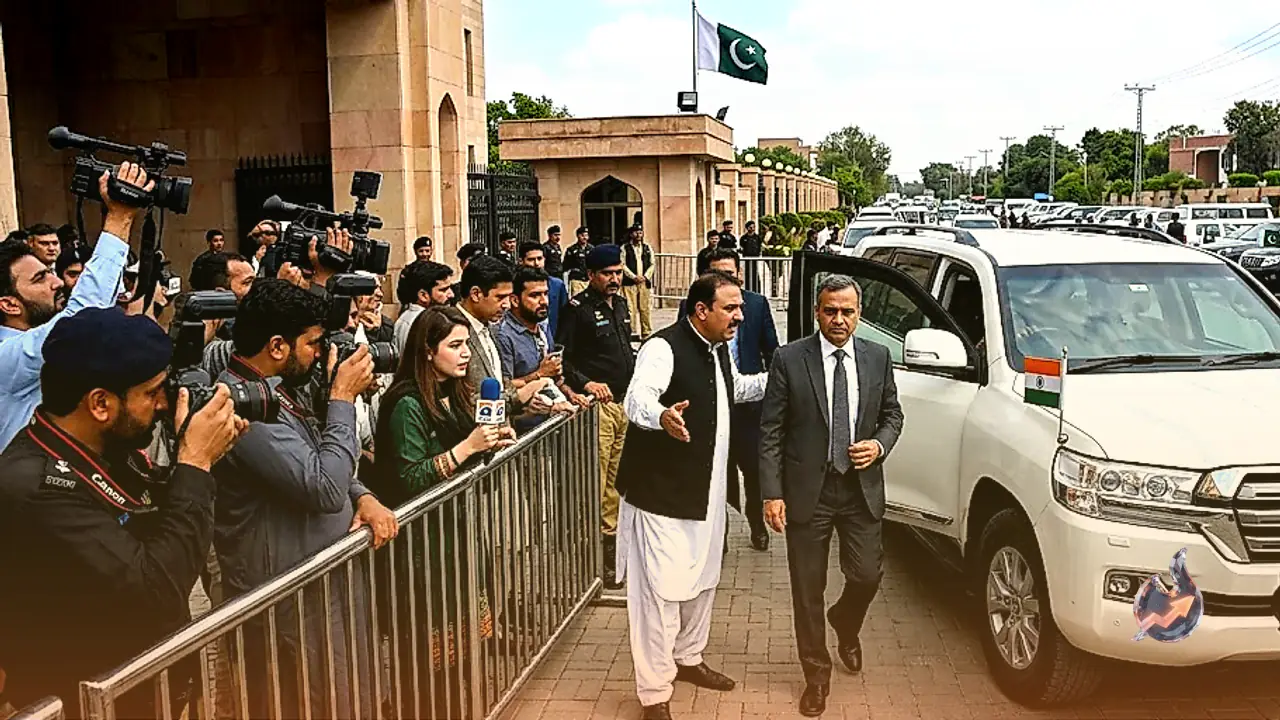



















Jamiat Ulema-e-Islam leader Maulana Fazlur Rehman has launched a scathing critique of the administration, asserting that government authority has effectively collapsed across vast regions of Pakistan. Speaking on the worsening security crisis, he claimed that parts of Khyber Pakhtunkhwa and Balochistan are now entirely beyond state control, with security forces unable to maintain order.
Comparing Pakistan to a Burning House
Drawing a stark analogy, the prominent politician likened the current state of Pakistan to a house engulfed in flames. He argued that when a home is on fire, the immediate focus must be on extinguishing the blaze rather than bickering over property divisions. According to him, the nation faces severe security threats that demand urgent attention, while political and administrative squabbling continues to distract authorities.
Loss of State Writ in Khyber Pakhtunkhwa
Elaborating on the ground realities, he stated that state influence has severely eroded across multiple districts west of the Indus River in Khyber Pakhtunkhwa. In areas such Lakki Marwat, Bannu, and Tank, the internal command structure of the police force is reportedly fracturing.
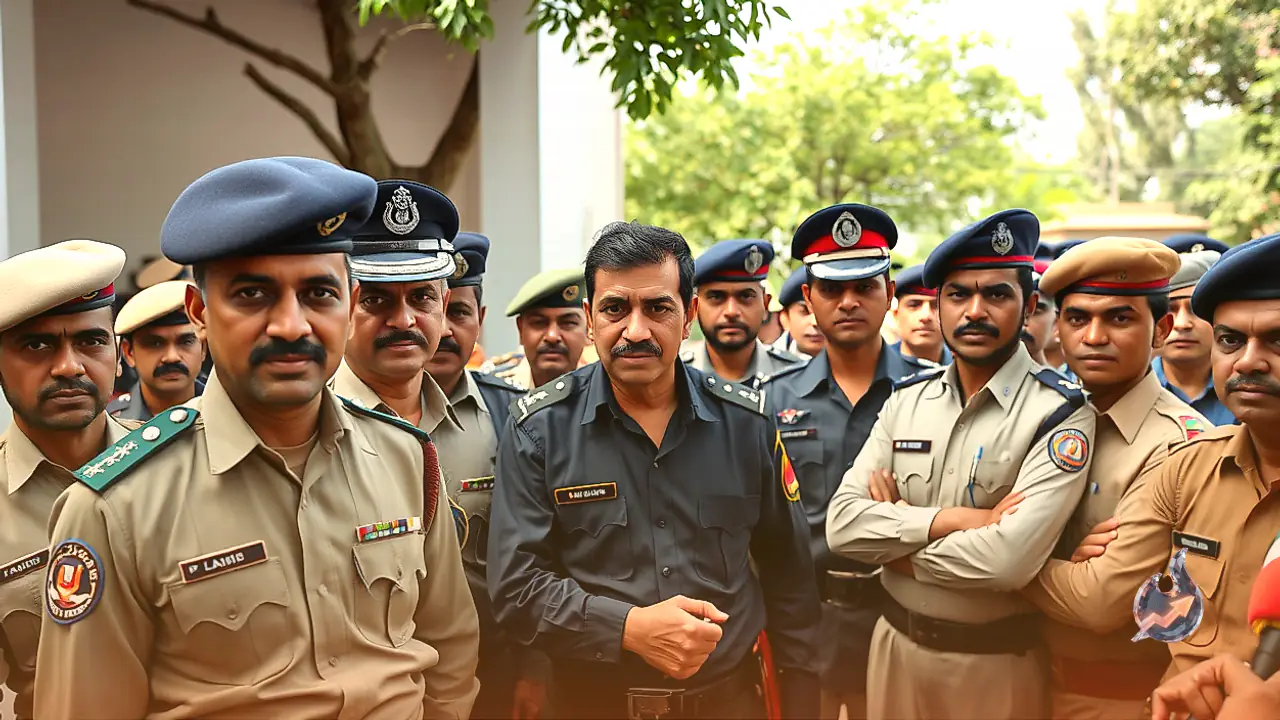
He alleged that in certain places, police personnel are openly defying orders from senior commanders, including DPO, DIG, and IG ranks. Discipline has deteriorated to the extent that local police units have allegedly set up independent committees and checkposts, operating outside the traditional chain of command.
Incidents in Hangu, Kurram, and Orakzai
Highlighting specific security failures, the leader referenced an incident in Hangu where a police compound was surrounded by the Taliban. Personnel were only rescued following the intervention of local clerics, with reports suggesting that officers had to surrender weapons and pay for their release. Similar concerns were raised regarding Kurram and Orakzai, where the state's physical presence and regulatory footprint have significantly weakened, threatening governance across the broader Pakhtun belt.
Shrinking Military Footprint in Balochistan
Turning attention to Balochistan, deep anxiety was expressed over the deteriorating security apparatus. In districts like Mastung, Khuzdar, and Chagai, military deployment appears increasingly confined to major urban centers and district headquarters. While defensive measures such as trenches are being dug around cities, vast rural expanses, agricultural fields, and remote villages are allegedly left unprotected and vulnerable.
Critique of Governmental Inaction
Concluding his assessment, the JUI leader questioned the government's apparent lack of urgency in addressing these escalating challenges. He reiterated that with state authority being challenged so blatantly in border and provincial regions, leaders must prioritize national security over political disputes and administrative maneuvering.