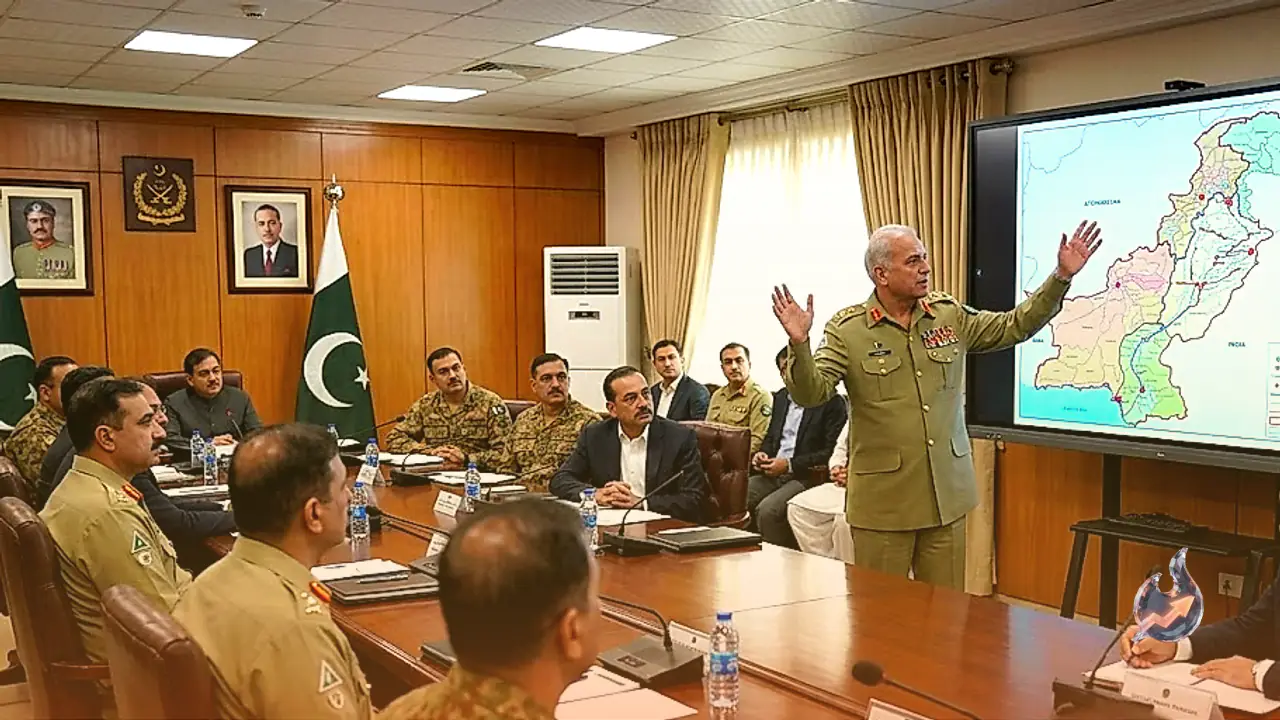























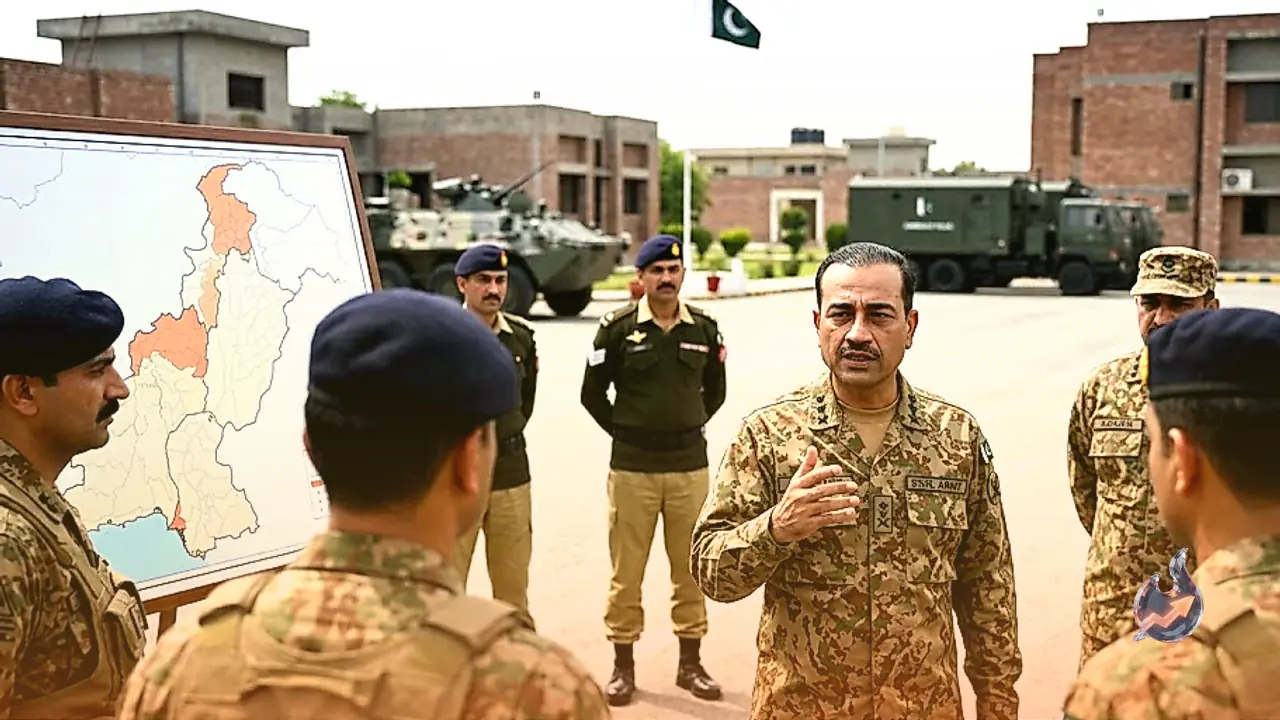

In an unexpected turn of strategic direction, the Pakistani military hierarchy has launched an extensive containment drive against religious extremist groups across the country. Historically, the military establishment had used these conservative radical outfits as leverage to maintain influence over domestic civilian administrations and manage regional security dynamics. However, facing a battered economy and shifting geopolitical alliances, Army Chief Field Marshal Asim Munir has enforced a zero-tolerance policy against these organizations. The primary objective behind this policy turn is to repair strained diplomatic relations with Western capitals, integrate the country into global financial markets, and project a modernized image of the nuclear-armed nation.
The Karachi Standoff: Rescuing a Family from Mob Fury
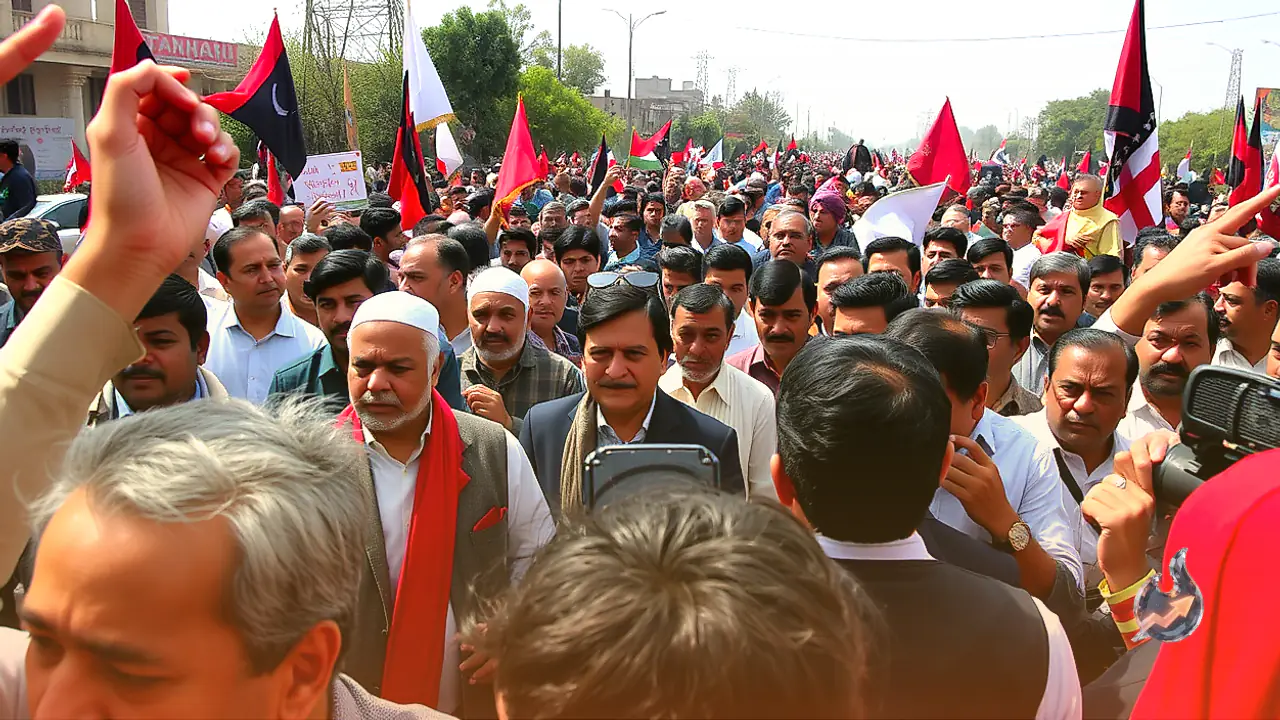
The practical enforcement of this military-directed containment was recently demonstrated on the streets of Karachi, Pakistan's largest commercial hub. A crisis erupted in a densely populated neighborhood when a Christian family was accused of blasphemy against the Prophet and Mohammed. Within minutes, an agitated crowd of hundreds gathered around their residence, loudly calling for severe punishment and extrajudicial violence. Inside the house, four women and a young child were trapped, leaving law enforcement officers with a critical window of barely a few minutes to intervene before the situation turned fatal.
Historical data indicates that since 1990, approximately 90 individuals in Pakistan have fallen victim to mob lynching over blasphemy allegations, with almost all such tragedies initiating in a similar manner. However, when police commander Sanghar Ali Malik arrived at the narrow lane with his tactical unit, the operational environment proved noticeably different. The aggressive ringleaders from established radical religious groups, who traditionally mobilize and inflame such street crowds, were conspicuously absent due to ongoing security operations.
Officer Sanghar Ali Malik seized the opportunity to de-escalate the tension. Addressing the gathering directly, he emphasized that no religious code authorizes citizens to bypass the judicial framework or take law enforcement into their own hands. To reinforce his argument, Malik recited verses from the Islamic holy scripture, the Quran. Deprived of extremist leadership and reassured by promises of an impartial legal investigation, the crowd gradually dispersed. Police successfully evacuated all five family members to a secure location, and initial inquiries subsequently revealed the accusations to be completely unfounded.
Diplomatic Alignment and Economic Survival Strategies
Political analysts observe that the crackdown on religious outfits is driven by urgent diplomatic and economic calculations rather than simple domestic policing. Four separate government and security sources confirmed that under the direct supervision of Field Marshal Asim Munir, radical organizations have been systematically pushed into retreat.
General Asim Munir is actively working to consolidate personal diplomatic rapport with US President Donald Trump. This strategic realignment coincides with a severe fallout between Islamabad and the Afghan Taliban leadership. Despite their historical ties, relations with the Taliban regime have deteriorated over border security and militant sanctuaries. Because the Taliban enforce extreme ideological laws, Pakistan's military leadership is keen to distance itself from religious extremism to present the country as a stable, progressive partner to Western governments.
Sources close to the army chief report that Munir maintains a rigid clarity regarding internal governance: radical religious outfits and a prosperous, modern Pakistan cannot coexist. Safeguarding the global reputation of a nuclear-armed nation has been designated a top priority for the military command.
Internal Security Pressures and Foreign Investment Goals
Field Marshal Asim Munir, the son of an imam, is known to be a deeply conservative Muslim in his personal life. While religion remains deeply embedded in the governance structure of Pakistan, economic survival has forced pragmatic policy adjustments. Munir has spearheaded efforts to secure international financial backing through diverse avenues, including cryptocurrency framework negotiations, securing foreign funds, offering mediation in US-Iran disputes, and concluding strategic defense pacts with Saudi Arabia.
Furthermore, internal security challenges in resource-rich provinces have heightened the pressure on the military command. Armed insurgencies have escalated across Balochistan and Khyber Pakhtunkhwa. Last year, General Munir presented lucrative investment proposals to the US government, inviting foreign firms to exploit the vast mineral wealth in these volatile regions. Establishing a safe climate for foreign capital necessitated stripping religious groups of the institutional immunity and state patronage they previously enjoyed.
Statistical Drop in Mob Attacks and Government Commitment
The real-world impact of this zero-tolerance policy is reflected in recent statistical metrics compiled by independent monitoring agencies. According to documentation from the Human Rights Commission of Pakistan, the total number of registered blasphemy cases nationwide dropped to just 13 this year. This represents a reduction of approximately two-thirds compared to annual totals recorded in recent years.
Data compiled by the Conflict Tracking Organization ACLED highlights an even sharper decline in street violence. Between 2021 and 2024, Pakistan recorded an average of more than seven blasphemy-related riots or mob attacks annually. In contrast, over the preceding 12 months, only a single such violent incident was documented across the entire country.
Commenting on the state's revised operational strategy, Minister of State for Interior Talal Chaudhry affirmed that government institutions have drawn vital lessons from past mistakes. He noted that the political government and the military leadership are operating in complete alignment. Talal Chaudhry emphasized that the state's clear mandate is to dismantle any organized faction that attempts to dictate terms or hold the nation and its citizens hostage.