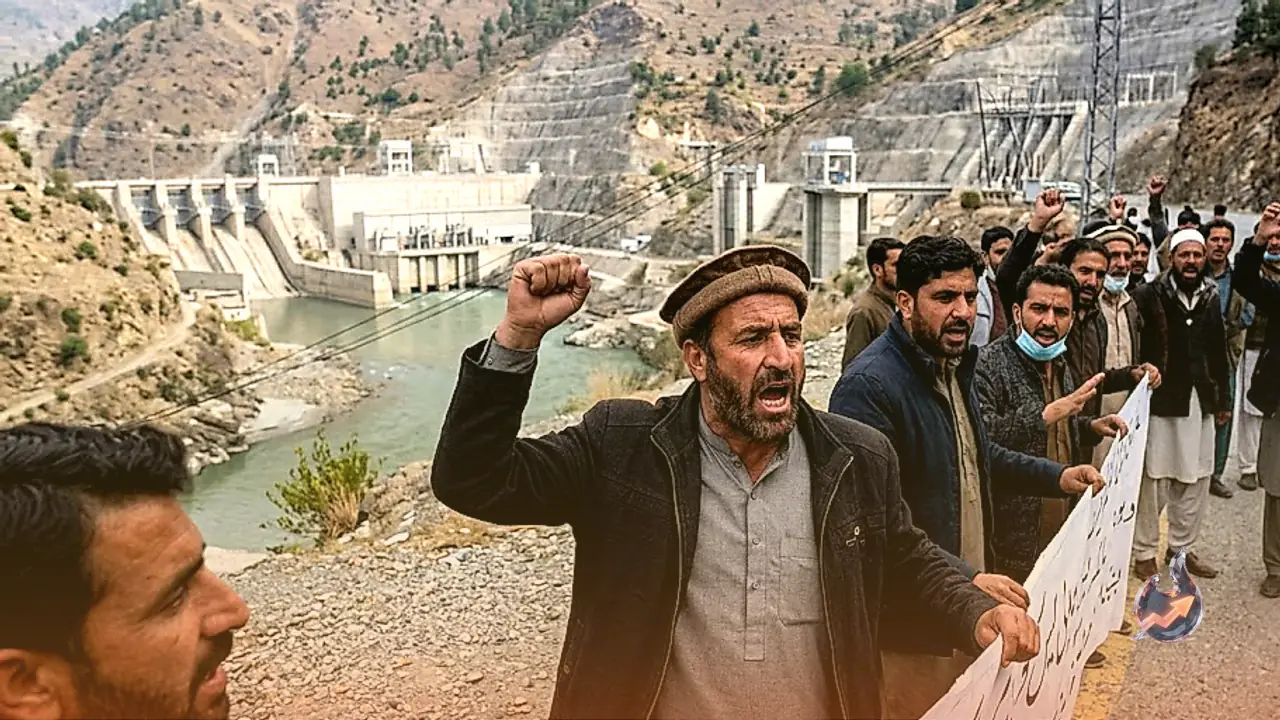




















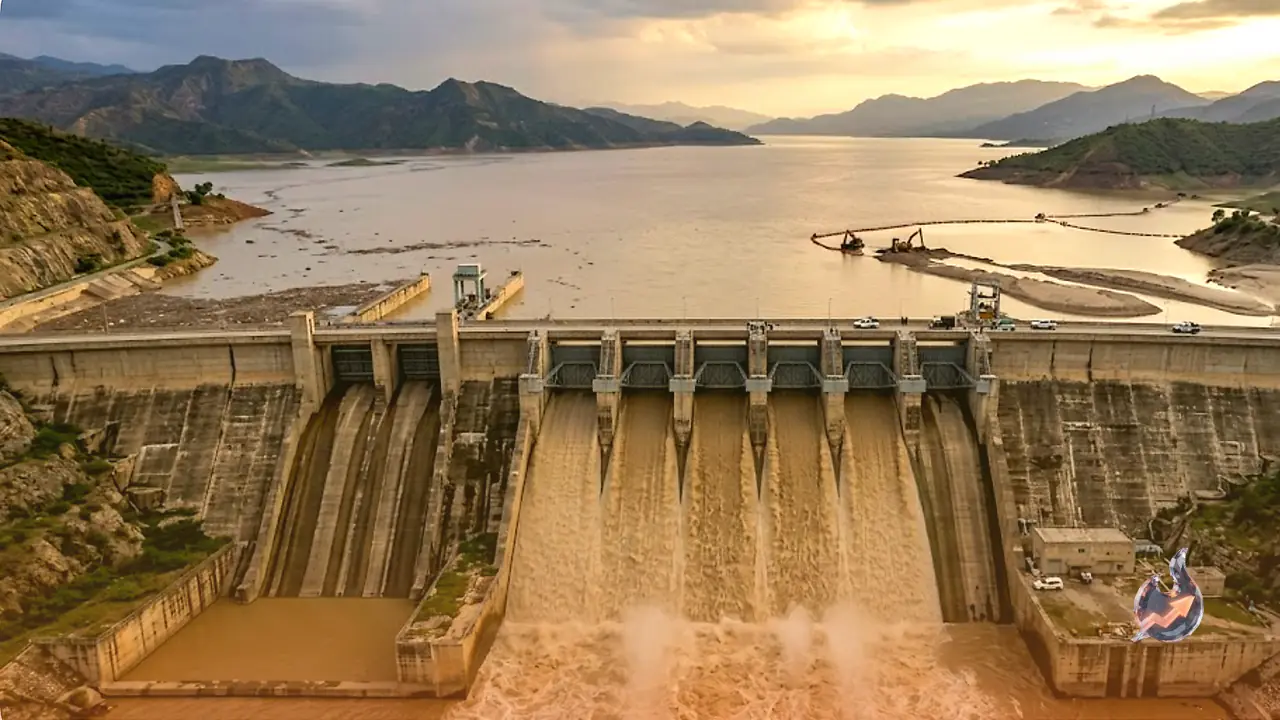

After the Pahalgam terror attack, India's decision to put the Indus Waters Treaty on hold sent ripples through Pakistan, felt everywhere from its farm fields to its government offices. The water squeeze grew so serious that, at the start of the 2025 Kharif season, Pakistani officials were already projecting a shortfall of up to 21 percent across the system. Falling flows in the Jhelum and Chenab rivers deepened the unease in Islamabad. In farming heartlands like Punjab and Sindh, there was real fear that crops would not get the irrigation water they needed. Then the weather took a turn that flipped the entire picture.
The most striking part of the story is that the crisis Pakistan had been preparing for simply never came. Snow in the upper catchments melted rapidly, and the severe floods of August 2025 reversed the situation. A country bracing for scarcity suddenly saw its reservoirs fill close to capacity within a few months. That relief, however, is not permanent, because a new and far bigger danger is now staring it in the face.
Pakistan Was Bracing for a Dry Season
Pakistan's official records show that before the Kharif season began, its two largest reservoirs, Tarbela and Mangla, had drawn down close to dead storage levels. The carryover from the previous season was negligible too. That is why officials estimated a roughly 21 percent water deficit across the system and even deferred the season's entire water distribution plan. Punjab and Sindh were expected to bear the heaviest blow, since a large share of Pakistan's irrigated agriculture depends on these regions.
The worries were well founded. Several meetings featured serious discussion of the weak flows in the Jhelum and Chenab river system. In one meeting, officials stated plainly that reservoirs would have to be operated with extreme care to handle the crisis caused by reduced supply from India in the Chenab, so that every province could receive its allotted share of water.
Then Fortunes Turned, and the Flood Became a Blessing
In the second half of the season, the weather swung unexpectedly. Rising temperatures in the upper Indus basin sped up snowmelt and pushed up river flows. Late in August 2025, heavy rain battered the catchments of the Chenab and the eastern rivers, triggering large-scale flooding. Pakistan had projected an inflow of 104.03 million acre feet (MAF) for the Kharif season, but the actual figure came in at 122.36 MAF, about 18 percent higher than expected. The whole water balance flipped, and a system once short of water now had more than it could use.
The impact of this bonus water from floods and snowmelt was immediate. By September 2025, Pakistan's major reservoirs had filled to nearly 99 percent of capacity. Reservoirs sitting near dead storage at the season's start were brimming within months. The surplus water flowing past the Kotri Barrage and out to sea reached 30.85 MAF, three times the projected volume and about 71 percent above the five-year average. In short, the crisis Pakistan had feared was, for now, pushed away by nature.
Now the Big Question Mark Over Tarbela Dam
The floods may have delivered immediate relief, but the deepest weakness in Pakistan's water system remains untouched. The greatest concern centers on the shrinking capacity of the Tarbela reservoir. For Pakistan, Tarbela is not just a dam but the backbone of its agriculture and water security. When the dam first came online, its live storage capacity was 9.68 MAF; today it has fallen to about 5.73 MAF. That means roughly 48 percent of its capacity has been lost over the decades, with the steady buildup of sediment cited as the main culprit.
Even Floods Cannot Fix This Problem
According to a government survey, Tarbela's live storage was 5.827 MAF in May 2022, dropping to 5.580 MAF by March 2026. The sharpest decline came during 2025, which officials attribute to abnormally heavy sediment inflow. Tarbela also plays a key role in power generation and drought management, so its dwindling capacity could create a serious crisis for Pakistan in the years ahead. Experts point out that floods can supply extra water but cannot undo the sediment accumulating in the reservoirs.
Food Security Is at Risk Too
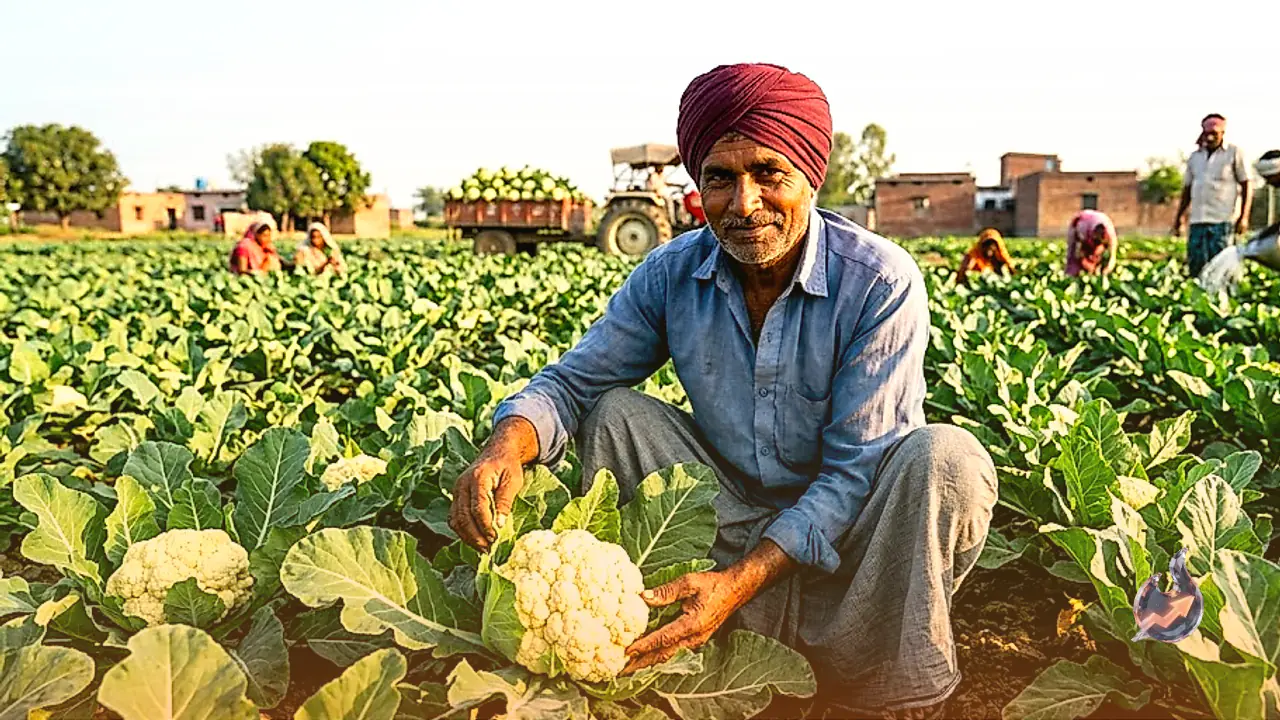
The Indus basin irrigation system meets close to 90 percent of Pakistan's agricultural production needs. Any change in the Indus river system therefore strikes directly at its food security. The falling reservoir capacity and the sediment problem are not just a water issue, they could become a test of Pakistan's very ability to feed itself.