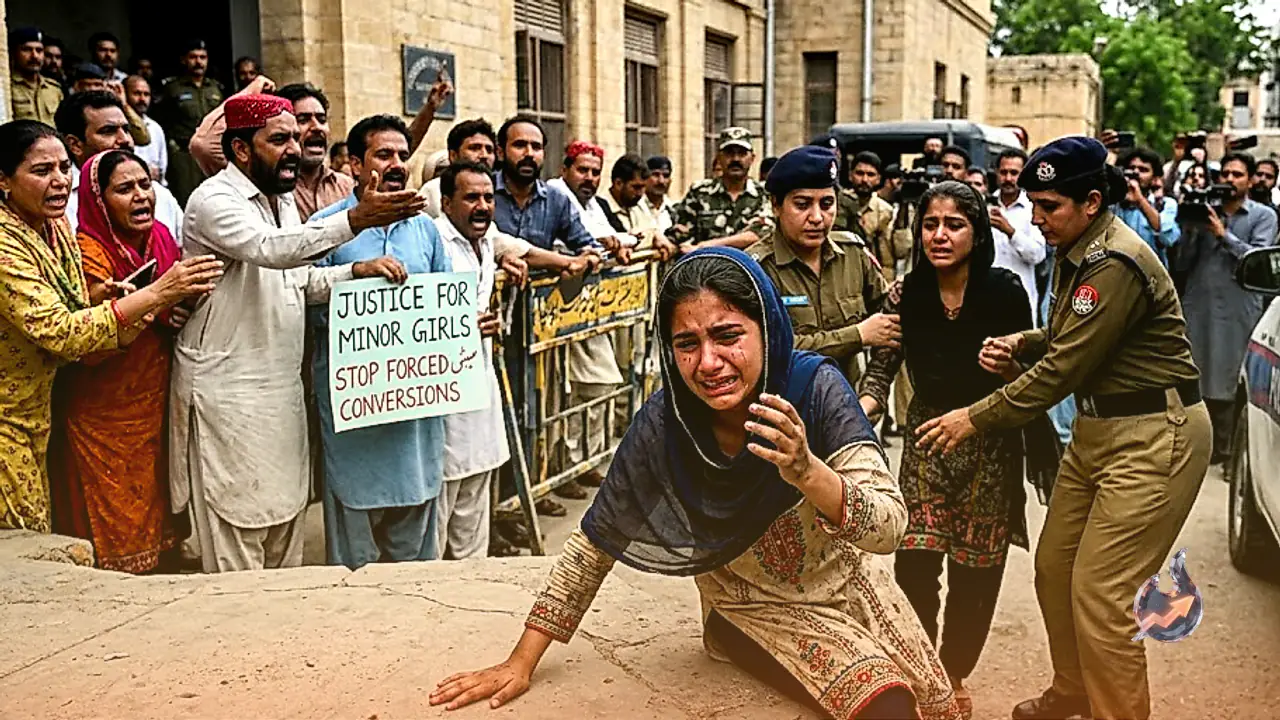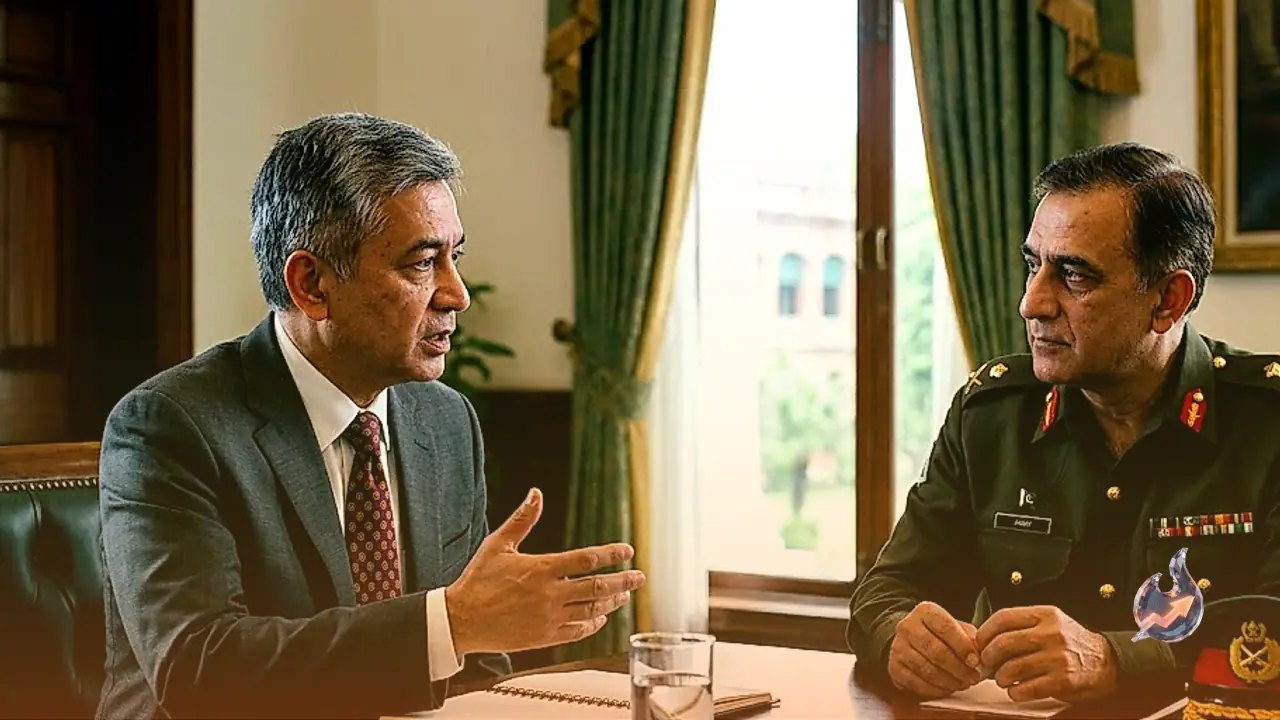























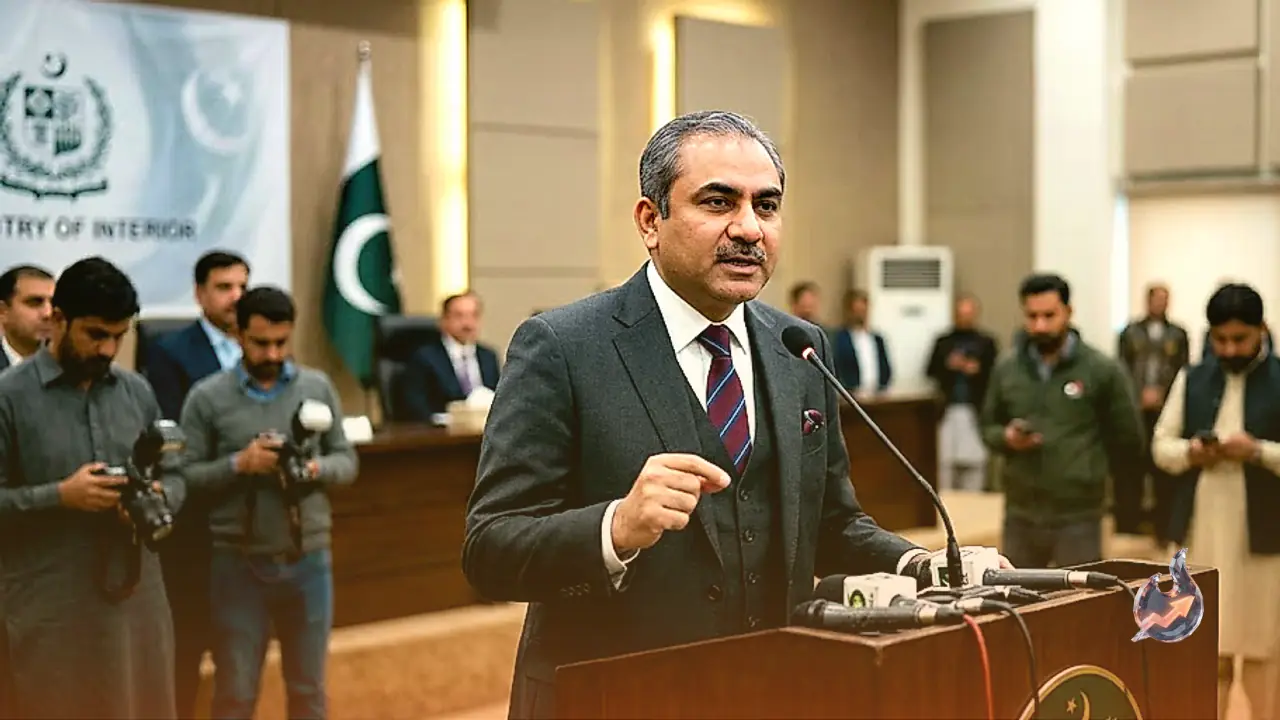

Speculation surrounding the stability of the ruling administration in Islamabad has intensified following political friction and controversial statements regarding governance failure. Rejecting claims of an early government exit, Interior Minister Mohsin Naqvi stated, "There is no question of the government going anywhere. Prime Minister Shehbaz Sharif will complete his full five-year constitutional term." However, the need for such a public clarification highlights ongoing political instability and tensions within the ruling coalition, especially given the historical context of governance in the nation, alongside widespread public protests across the country in recent months.
How Recent Statements Fuelled Speculation Over Government Collapse
The political turmoil gained momentum after remarks made by Mohsin Naqvi himself regarding the state of federal governance. Last week, the Interior Minister questioned the administrative structure, describing the current system as severely failed and advocating for major structural reforms, including the creation of new provinces. These observations triggered sharp reactions from political partners, notably Bilawal Bhutto Zardari, President of the Pakistan Peoples Party, who stated that the countdown for the Shehbaz Sharif administration had officially begun. This exchange sparked widespread rumors in political circles about potential system failures and an early exit for the Prime Minister.
Proposed Audits and Accountability Across Federal Ministries
Addressing media representatives, Mohsin Naqvi emphasized that his primary accountability rests solely with Prime Minister Shehbaz Sharif. To counter allegations of inefficiency, Naqvi proposed an independent agency review for all federal ministries, offering his own department for scrutiny first. He stated his intention to request the Prime Minister to order a comprehensive audit of all administrative bodies and make the findings public. Naqvi, who also serves as the Chairman of the Pakistan Cricket Board alongside his cabinet portfolio, reiterated that only the Prime Minister possesses the constitutional authority to evaluate his performance and governance output.
Critique of an Eight-Decade-Old Administrative System
Evaluating long-term governance challenges, Naqvi offered a critical assessment of the institutional framework, noting that the nearly 80-year-old administrative system has failed to deliver the progress required by the nation. He argued that if the system functioned efficiently, Pakistan would have achieved vastly superior economic and institutional standing today. Praising the work ethic of Prime Minister Shehbaz Sharif, Naqvi stated that the Prime Minister dedicates 14 to 16 hours daily to official duties, adding that a revamped administrative apparatus could enable the current leadership to deliver a thousand times better results.
Historical Context of Prime Ministerial Tenures in Pakistan
The persistent questioning of the government's lifespan stems from historical precedent within the country's political history. No elected Prime Minister in Pakistan has ever completed a full five-year constitutional term since independence, with political interventions and military influence frequently disrupting civilian governments. Against a backdrop of widespread public protests over economic and administrative challenges in recent months, assertions regarding government stability remain under intense scrutiny across the political landscape.