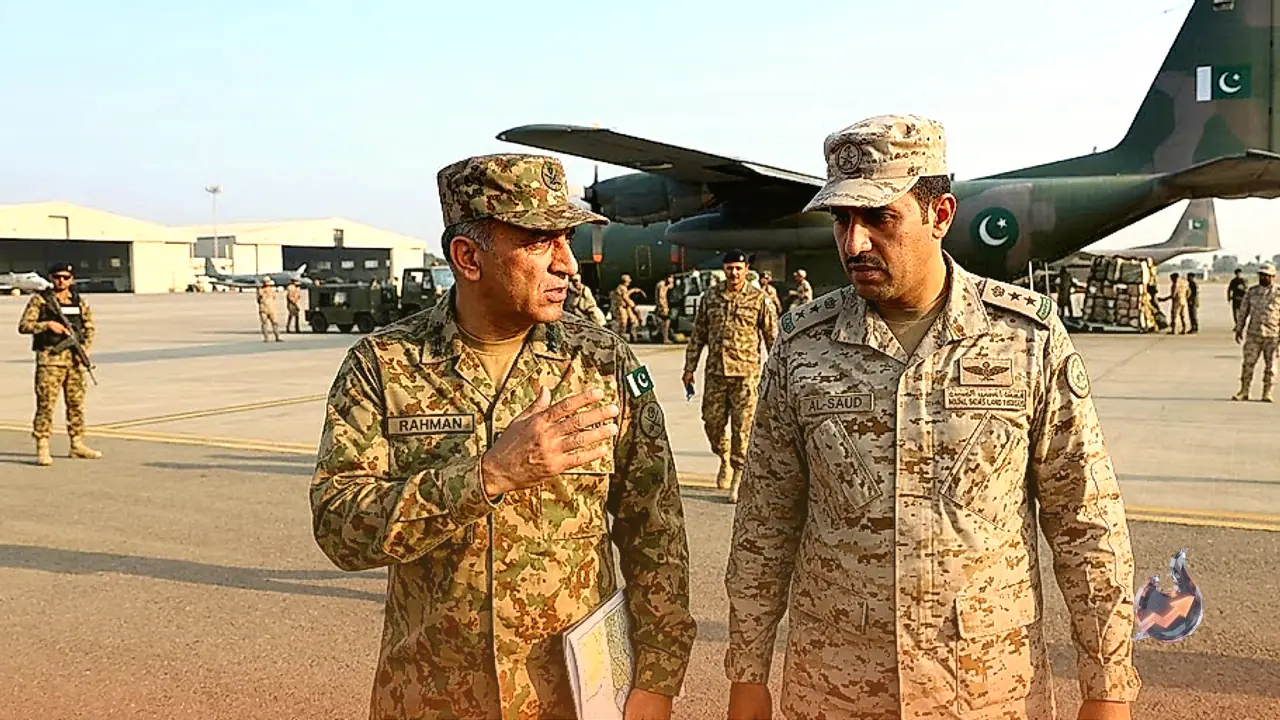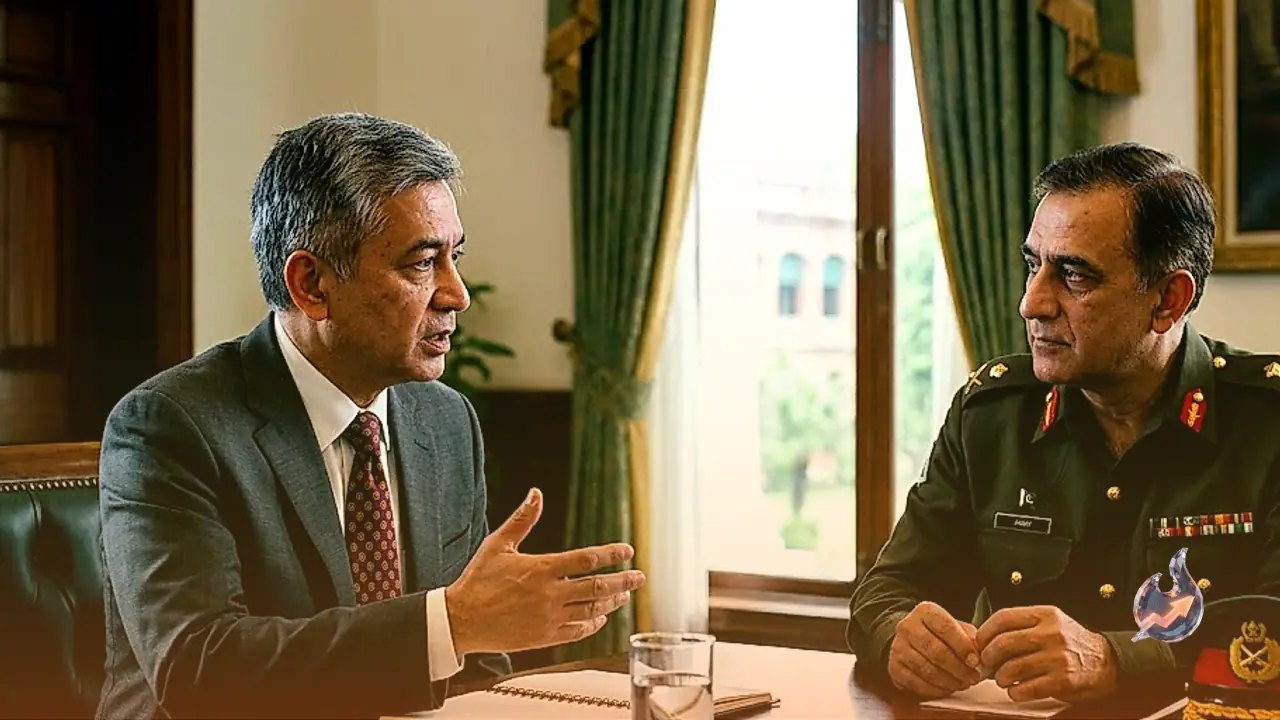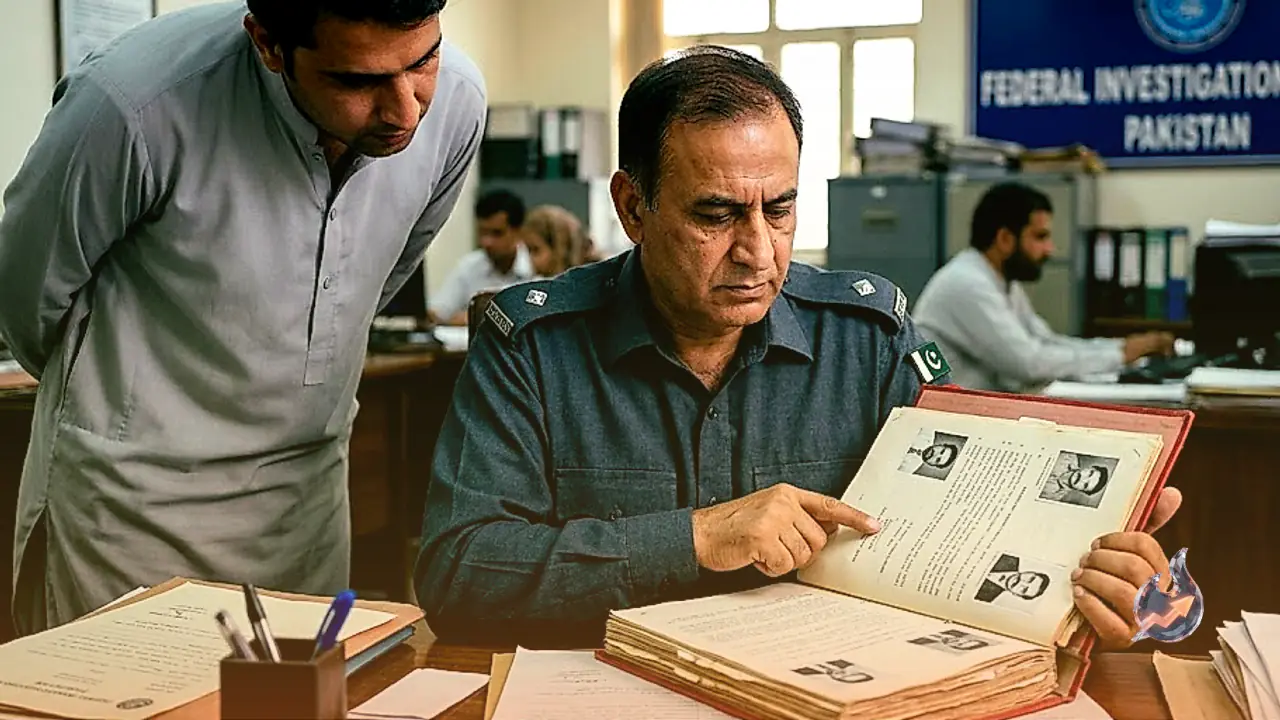























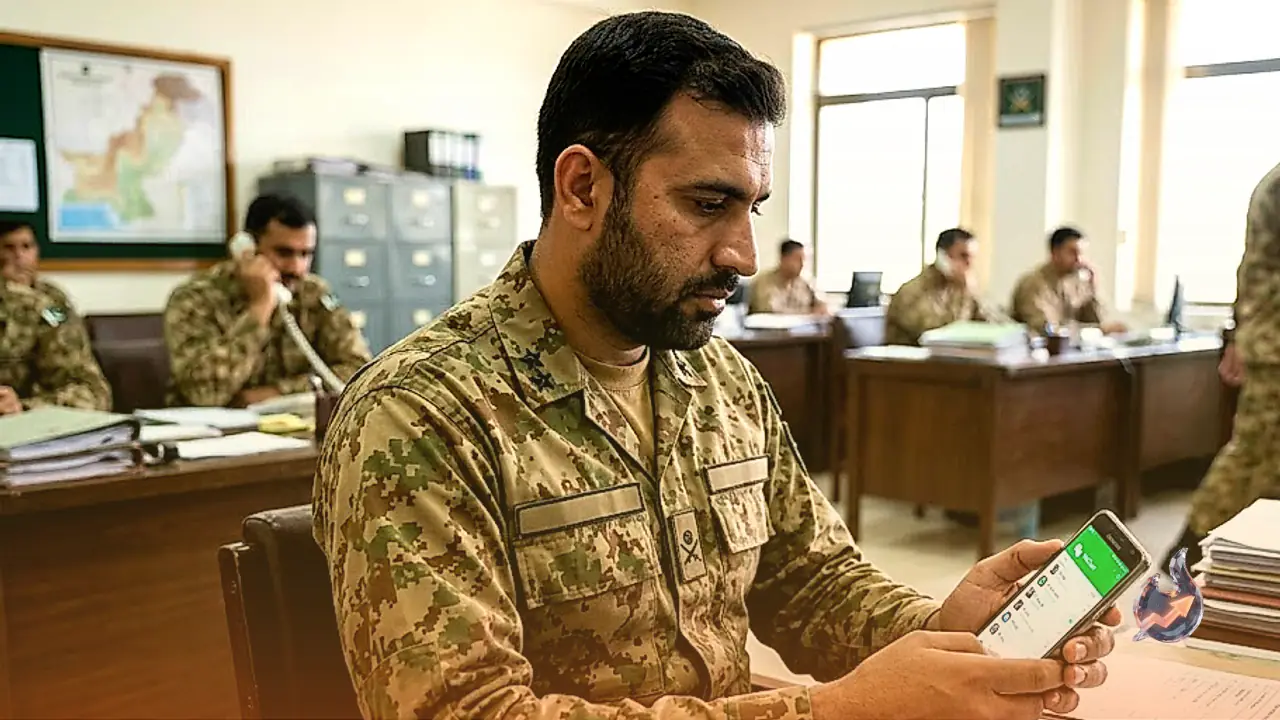

The Pakistan Armed Forces have issued an internal directive instructing all officers, soldiers, and administrative staff to immediately discontinue the use of WhatsApp for official and military communications. Citing growing concerns over data privacy, surveillance, and potential interception by Western messaging platforms, the military leadership has ordered a mandatory, phased transition to the Chinese messaging application WeChat. This decision, backed by internal military orders and recent intelligence reports, highlights a growing distrust towards Western digital infrastructure and underscores Pakistan's deepening technological and defense alignment with China.
Security Concerns Prompt Shift in Military Communications
According to internal intelligence reports and military orders, the Pakistani defense establishment has become increasingly cautious regarding the security of Western digital communication networks. Senior military officials expressed apprehension that sensitive operational details, official correspondence, and strategic communications transmitted over WhatsApp could be monitored or intercepted by foreign surveillance systems. Following technical assessments and cyber security warnings, the high command deemed the platform unsuitable for sensitive military operations.
The directive applies comprehensively to all ranks across the army, including active duty officers, field soldiers, and administrative personnel. Rather than an abrupt shutdown, the military has instituted a gradual migration strategy toward WeChat to ensure communication continuity while systematically reinforcing digital security protocols across all operational commands.
Strengthening Strategic Ties With China Amid US Friction
The transition to WeChat coincides with expanding bilateral cooperation between Pakistan and China across defense, cybersecurity, digital infrastructure, telecommunications, and intelligence sharing. By adopting WeChat as the primary channel for official military dialogue, Pakistan is aligning its defense communication systems directly with China's technological ecosystem. Analysts view this move as a step toward deeper digital and strategic integration between the two militaries.
This decision also reflects evolving diplomatic dynamics between Islamabad and Washington. Diplomatic friction emerged over Pakistan's mediation role in middle eastern conflicts and the Iran war. When Donald Trump discussed potential negotiations between Iran and the United States, Pakistan was excluded from the list of preferred mediators, with Gulf nations being prioritized instead. Against this diplomatic backdrop, the military decision under Asim Munir signals a strategic pivot away from reliance on American digital platforms in favor of consolidating Pakistan's long-standing partnership with China.
India's Stand on WeChat and Data Sovereignty
While WhatsApp remains widely accessible and extensively used across India by citizens and organizations, the Indian government permanently banned the Chinese application WeChat in June 2020. The restriction was imposed citing critical concerns related to national security, data privacy, and national sovereignty. India's firm stance against WeChat was part of a broader regulatory policy aimed at safeguarding national cyber infrastructure from unauthorized data collection and foreign oversight.
Global Restrictions Surrounding WhatsApp Usage
Pakistan's decision reflects a broader international trend where several governments have placed strict bans or limitations on WhatsApp due to national security policies or censorship controls
- China: Blocked WhatsApp completely in 2017 using its Great Firewall framework, establishing WeChat as the primary domestic messaging application.
- Russia: Enforced a complete ban on WhatsApp starting February 2026, with official advisories encouraging citizens and authorities to transition to the state-supported MAX application.
- North Korea: Maintains stringent internet controls, preventing the availability and usage of foreign messaging applications.
- Myanmar: Imposed severe restrictions on WhatsApp following the military coup in 2021.
- Turkmenistan: Blocks most Western messaging platforms and social networks under strict state digital control policies.
The Pakistani military's shift from WhatsApp to WeChat highlights the growing geopolitical fragmentation of global communication networks and the rising emphasis on digital sovereignty.