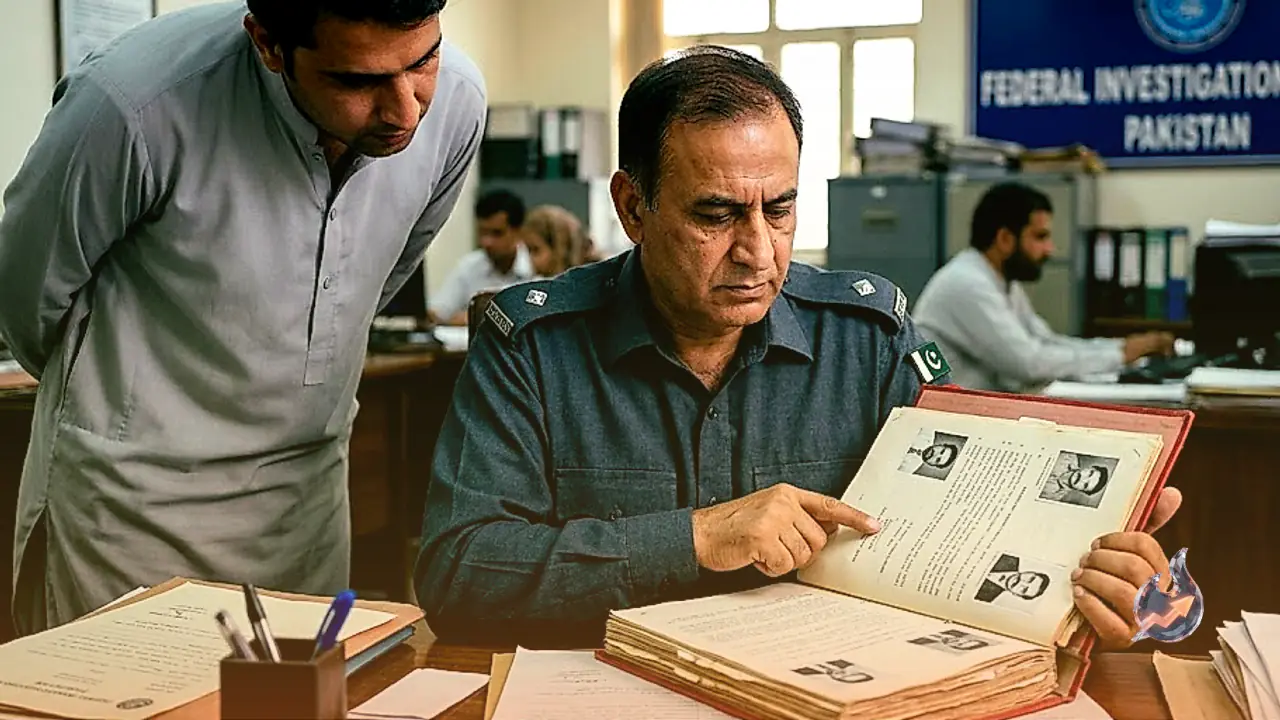






















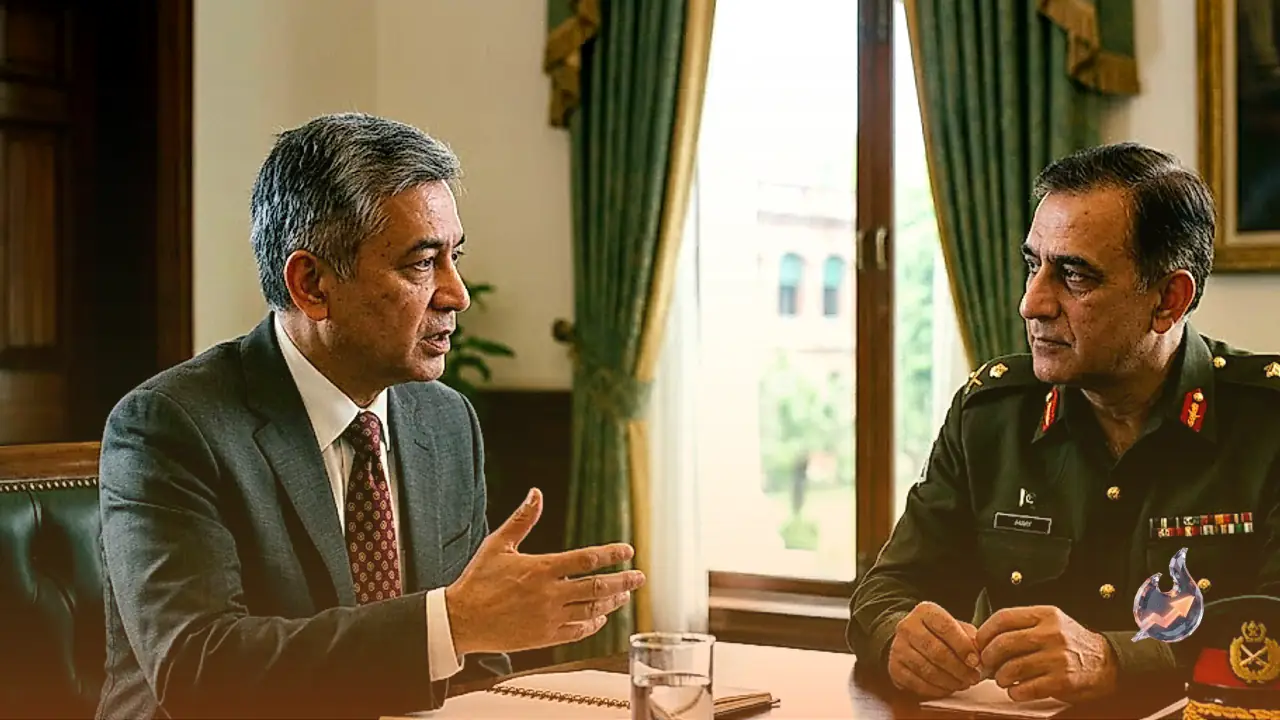

Whenever friction intensifies between civilian authorities and military commanders in Islamabad, echoes of the nation's past takeovers inevitably resurface. Memories of the open interventions in 1958, 1977, and 1999 remain deeply etched into the political landscape. Yet nearly 27 years have passed since the dramatic confrontation in October 1999, when Prime Minister Nawaz Sharif attempted to dismiss Army Chief General Pervez Musharraf, only for the army to push the elected government out of power and install Musharraf as Chief Executive. In a state where soldiers directly seized the helm three separate times, an absence of successful, visible coups spanning nearly three decades marks an unmistakable shift.
Interpreting this calm purely as an unblemished triumph for representative governance overlooks deeper structural realities. Following the turmoil of 1999, Pakistani governance evolved toward a distinct operating model characterized by strategic accommodation. Rather than provoking a total military seizure, civilian administrations have systematically yielded ground to the armed forces' institutional demands, security priorities, and unwritten red lines. Parliament continues to debate, national ballots proceed, and prime ministers occupy their offices, but political leaders intentionally stop short of pushing crises to the point where tanks roll down the avenues of the capital.
The Long Legacy of Conspiracies and Open Takeovers
The habit of challenging civilian supremacy appeared almost immediately after the state came into being. In 1951, Major General Akbar Khan and several military officers and political associates were accused of plotting to bring down the administration of Prime Minister Liaquat Ali Khan. Labeled the Rawalpindi Conspiracy Case, the plan fell apart after authorities uncovered the plot and made arrests, ensuring the government survived what was essentially an aborted early coup attempt. Just two years later, non-elected power centers struck an alternative blow against democratic governance. Governor-General Ghulam Muhammad removed Prime Minister Khawaja Nazimuddin in 1953 and dissolved the Constituent Assembly in 1954, highlighting the fragile footing of elected bodies against the entrenched bureaucracy and defense leadership.
Direct military intervention formalized on October 7, 1958, when President Iskander Mirza abrogated the constitution, dismissed parliamentary assemblies, and imposed martial law across the country. General Ayub Khan was designated Chief Martial Law Administrator. The partnership was short-lived: Ayub Khan promptly removed Mirza himself, promoted his own stature in 1959, transitioned from army chief to the presidency, and solidified Pakistan's first successful overt military takeover.
From Zulfikar Ali Bhutto to the 1999 Showdown
A second sweeping takeover unfolded on July 5, 1977. Amid fierce street demonstrations spearheaded by the Pakistan National Alliance over alleged rigging in the parliamentary polls, General Zia-ul-Haq intervened to depose Prime Minister Zulfikar Ali Bhutto. Zia clamped martial law on the populace, initiating an extended period of uniformed rule and state-backed Islamization that reshaped society for years.
Tensions boiled over once more on October 12, 1999. Faced with an attempt by Nawaz Sharif to strip General Pervez Musharraf of his position as Army Chief, the defense hierarchy refused to comply with executive orders. Troops rapidly occupied strategic installations, shut down the prime minister's authority, and elevated Musharraf to the status of Chief Executive. This dramatic standoff stood as the country's last successful, overt military takeover.
Post-2008 Dynamics and Institutional Maneuvering
Following the conclusion of the Musharraf presidency, civilian rule gradually re-emerged. The Pakistan Peoples Party assembled a coalition government in 2008, a period during which newly appointed Army Chief General Ashfaq Parvez Kayani publicly urged service personnel to steer clear of partisan political affairs. Another critical democratic threshold was crossed in 2013, when one elected civilian administration completed its term and handed power to another elected government. Rather than staging an overt return to direct administration, the high command permitted the constitutional process to move forward.
This arrangement did not eliminate intense civil-military friction. On multiple occasions, disagreements reached perilous thresholds reminiscent of 1999. The prominent 2011 Memogate episode exposed these underlying vulnerabilities. Following the covert American raid that killed Osama bin Laden in Abbottabad, a controversial memo surfaced alleging that civilian authorities sought Washington's assistance to curb the domestic influence of the Pakistani military and intelligence apparatus. The resulting political storm forced Pakistan's Ambassador to the United States, Husain Haqqani, to resign from his post, as the government chose tactical retreat over an existential confrontation with the army establishment.
Balancing Power Without Direct Rule
Looking across the decades from 1999 to 2026, an unmistakable pattern governs Islamabad. Political parties recognize that existential showdowns with the military command end badly for civilian cabinets. By conceding dominance over key defense, diplomatic, and security spheres, political leaders protect their tenure in office. For the military, indirect leverage provides substantial influence over strategic policy without saddling the institution with direct responsibility for economic crises, administrative burdens, or public dissatisfaction.