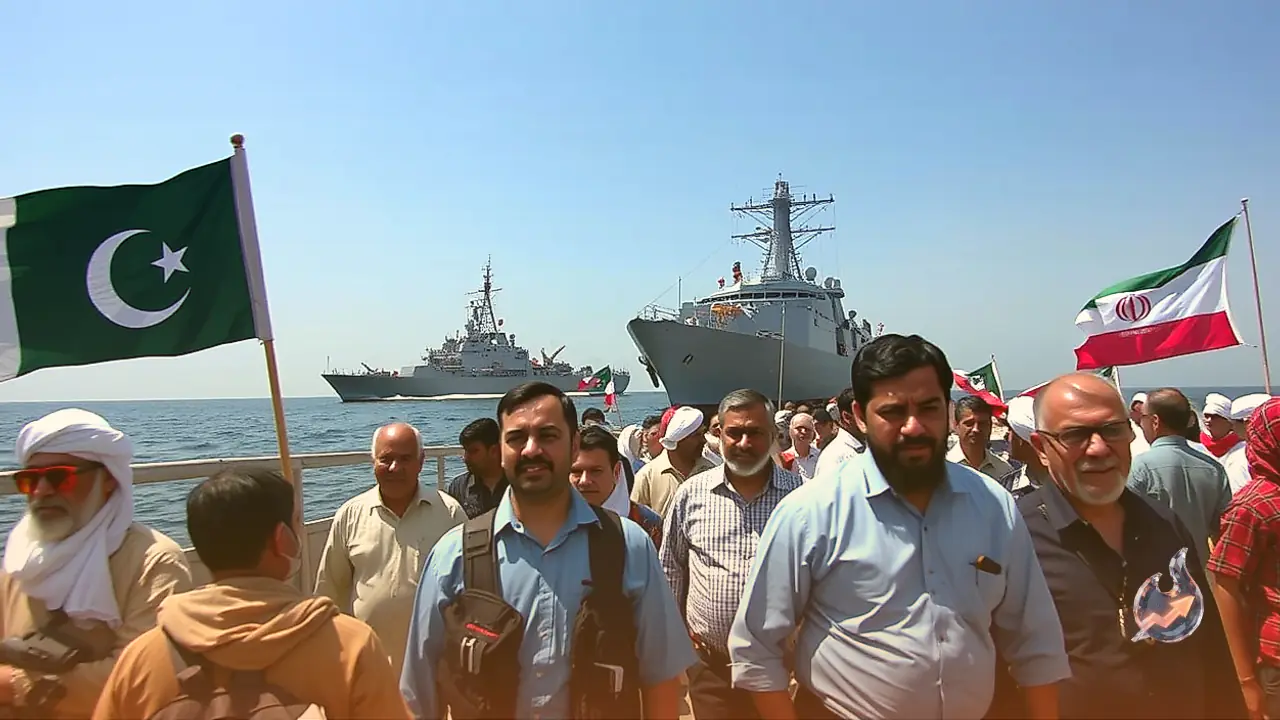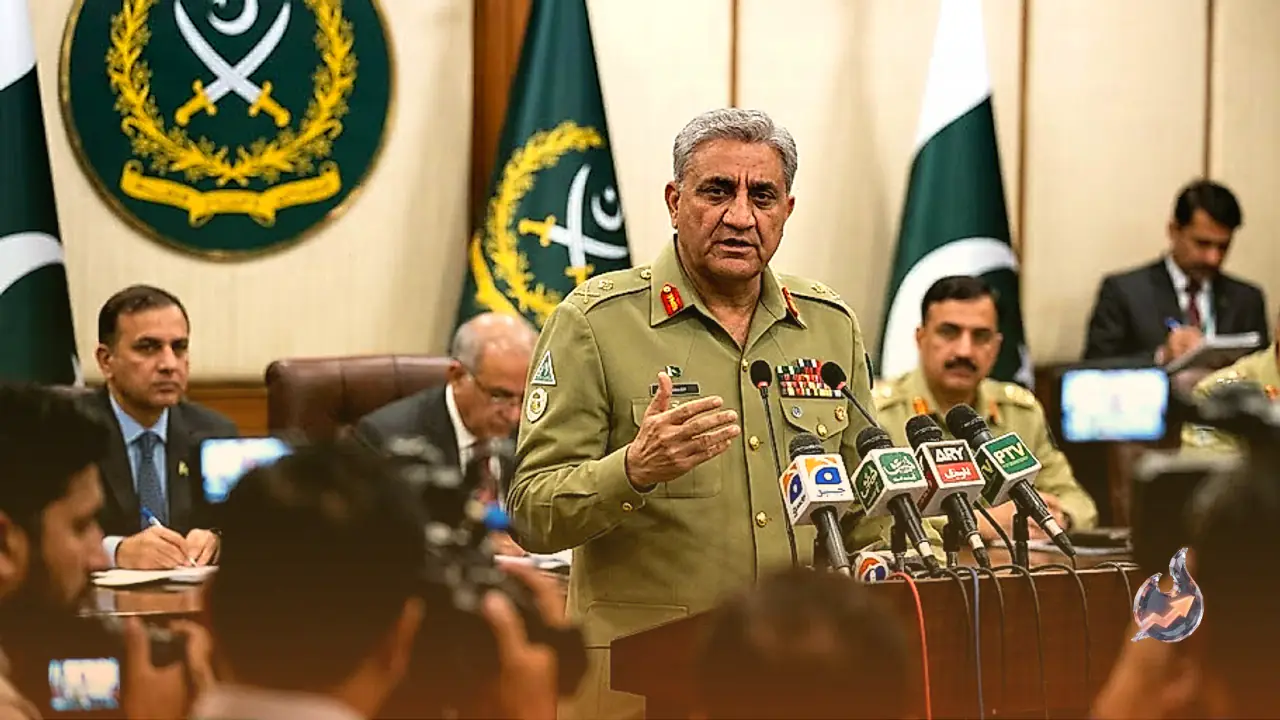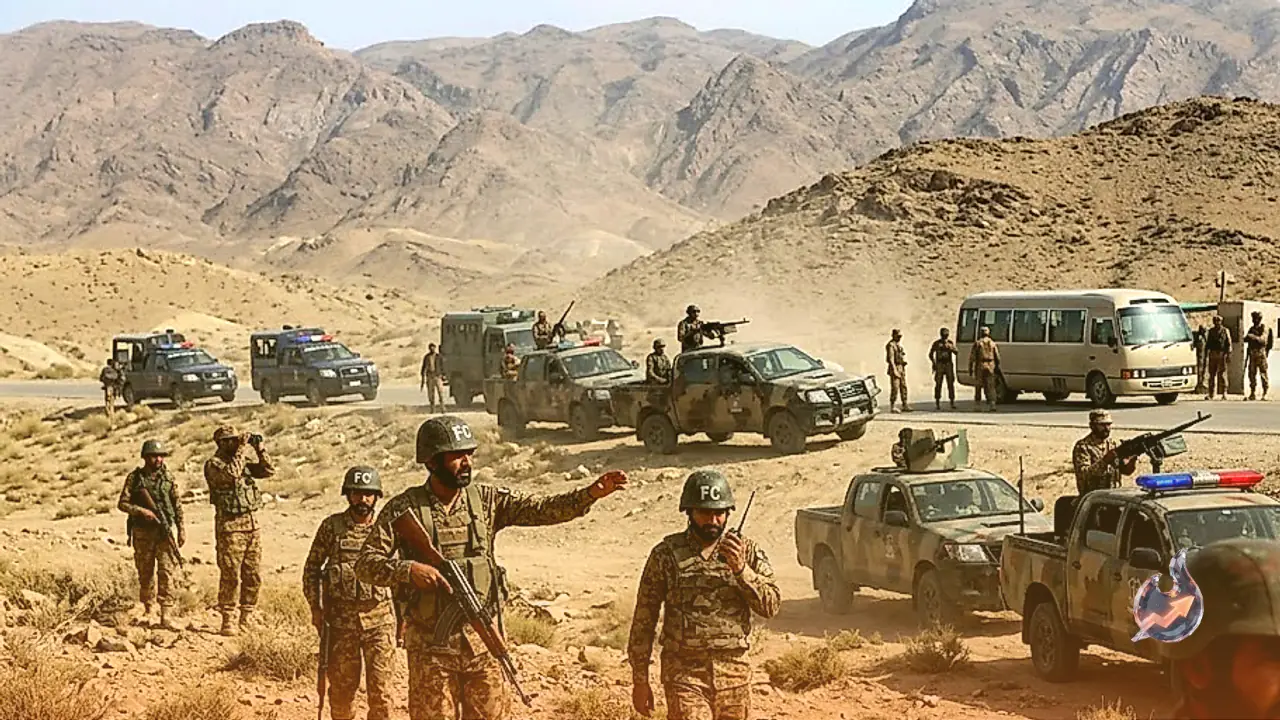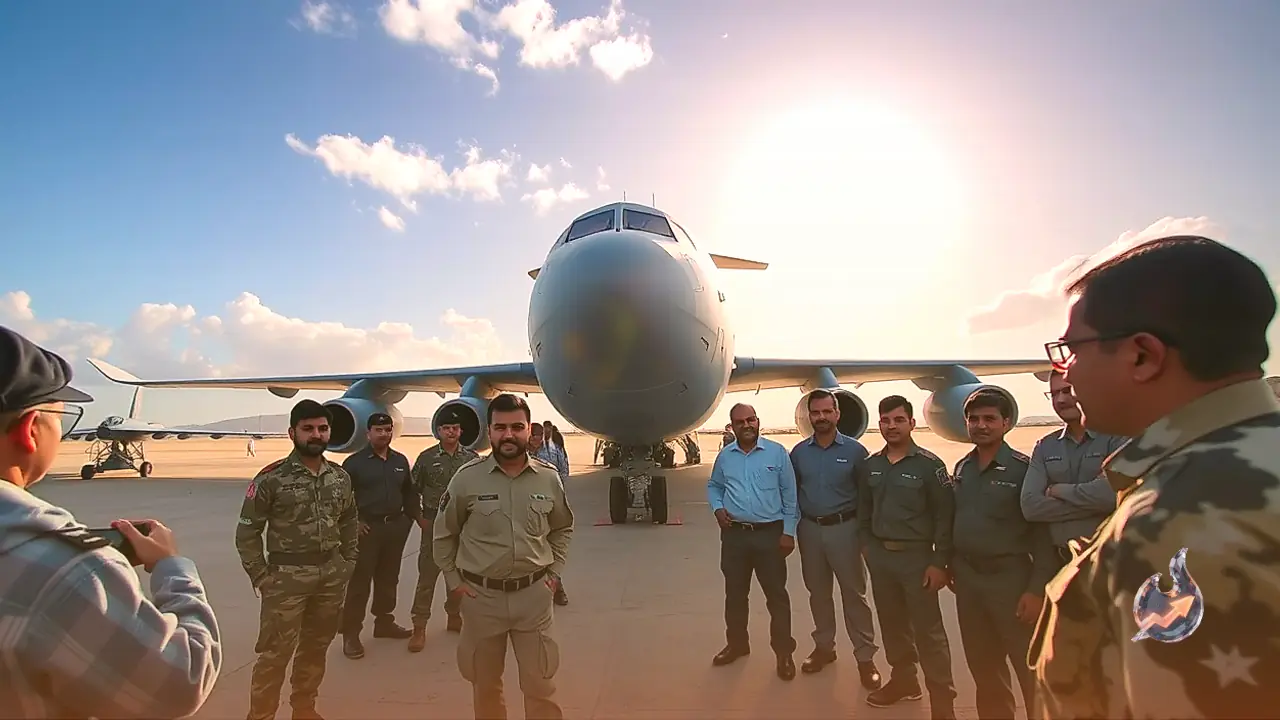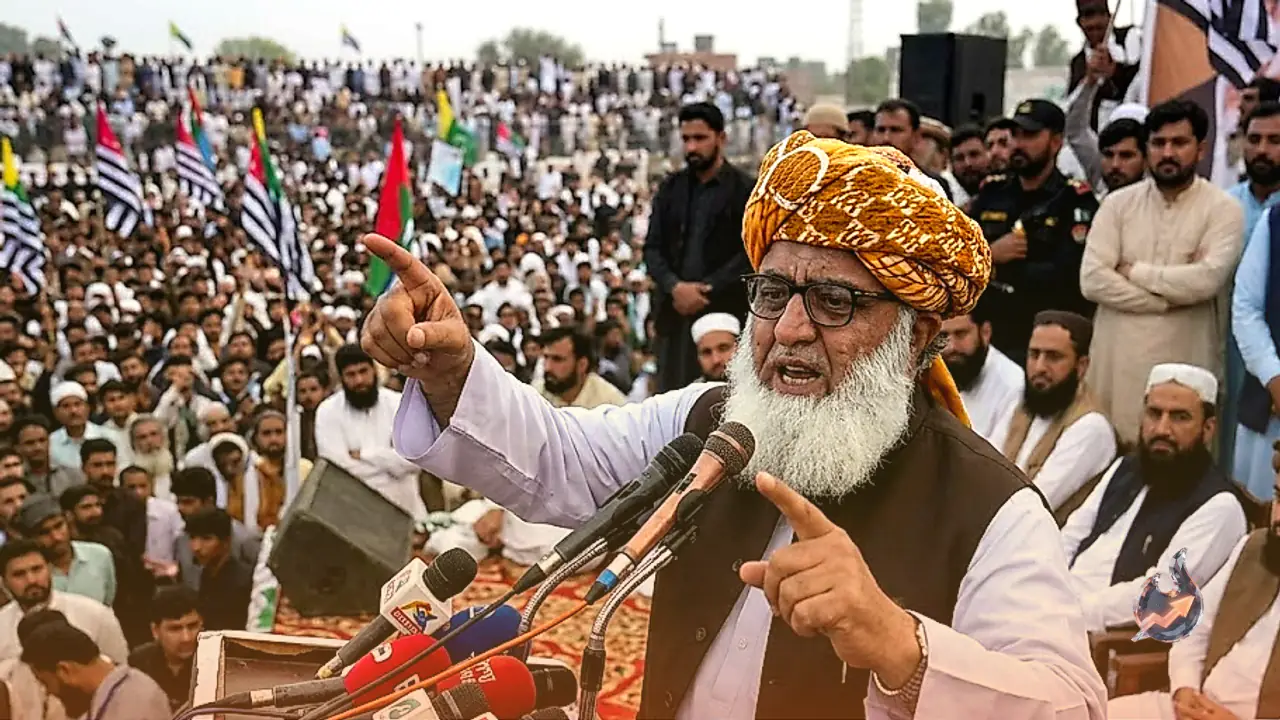























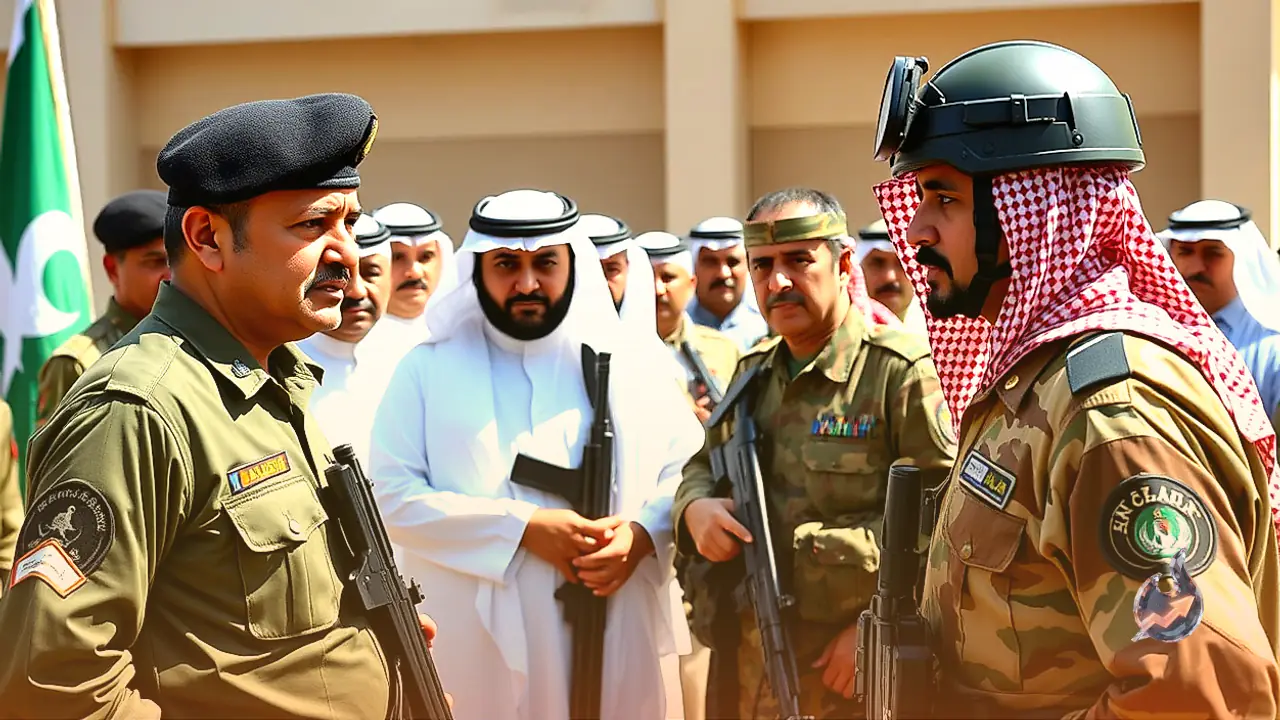

Amid escalating attacks from Yemen, Islamabad has strongly reaffirmed its commitment towards the security of Saudi Arabia. A senior spokesperson for the Pakistan military stated that comprehensive assistance is being extended and will continue to be provided to safeguard the territorial integrity, sovereignty, and religious sites of Saudi Arabia. However, no specific details were disclosed regarding the exact nature and operational scope of this assistance. Military spokesperson Major General Ahmed Sharif Chaudhry shared these strategic positions during an interview with a digital news outlet on Sunday. He emphasized that the defense of Saudi Arabia and the two holy mosques is of paramount importance to Islamabad, leaving no room for compromise on the matter. He further indicated that Pakistan could consider any formal request for direct military aid coming from the internationally recognized government of Yemen, effectively opening the window for its troops to directly engage the Houthis on the ground.
Strong reaction against attacks on Saudi Arabia
Chaudhry characterized Pakistan's reaction to the ongoing Houthi strikes as one of deep anger, reiterating that any necessary form of cooperation required for Saudi security is currently being delivered and will be maintained. While he refrained from specifying whether the support would involve troop deployments, intelligence sharing, or infrastructural strengthening, he maintained that the sanctity of the kingdom and its holy places remains an absolute priority. The military representative made it clear that the state views any threats to Saudi territory with utmost seriousness and is prepared to stand firmly alongside its allies in times of crisis.
The trilateral defense pact with Turkey
In August, Pakistan, Saudi Arabia, and Turkey entered into a joint defense agreement stipulating that an armed attack against any single member nation will be considered an act of aggression against all signatories. Addressing concerns about potential military overreach, the military spokesperson clarified that the alliance is strictly defensive in nature and possesses no aggressive designs against any outside party. When questioned about whether Pakistan's military backing would remain strictly defensive if the strikes on Saudi soil persist, he reiterated that all three member states share a unified vision focused solely on mutual defense rather than regional provocation.
Diplomatic engagement with Iran and regional stability
Regarding the perceived backing of Houthi forces by Iran, and whether Islamabad has conveyed any formal warning to Tehran, the spokesperson noted that Pakistan maintains open channels of communication with all relevant regional actors, including Iran. He stressed that Islamabad is continuously urging all parties involved to exercise restraint and work actively toward de-escalating tensions across the region. According to his assessment, expanding the scope of regional conflicts serves no constructive purpose, and all outstanding disputes must be resolved through diplomatic dialogue. He also dismissed circulating speculations suggesting that the newly formed defense alliance was engineered specifically to counter Iran or Israel, affirming that the pact targets no specific nation.
Potential expansion of the alliance
When asked whether other regional powers such as Egypt and Syria might eventually join the defense pact, the spokesperson indicated that any such decision rests entirely with the political, strategic, and military leadership of the existing member states. He underscored the broader necessity for solidarity among Islamic nations while reiterating that peaceful negotiations remain far superior to military escalation for resolving complex geopolitical crises. While Islamabad has firmly committed itself to providing all necessary support to Saudi Arabia, the precise operational boundaries and limitations of this military assistance remain intentionally undefined.