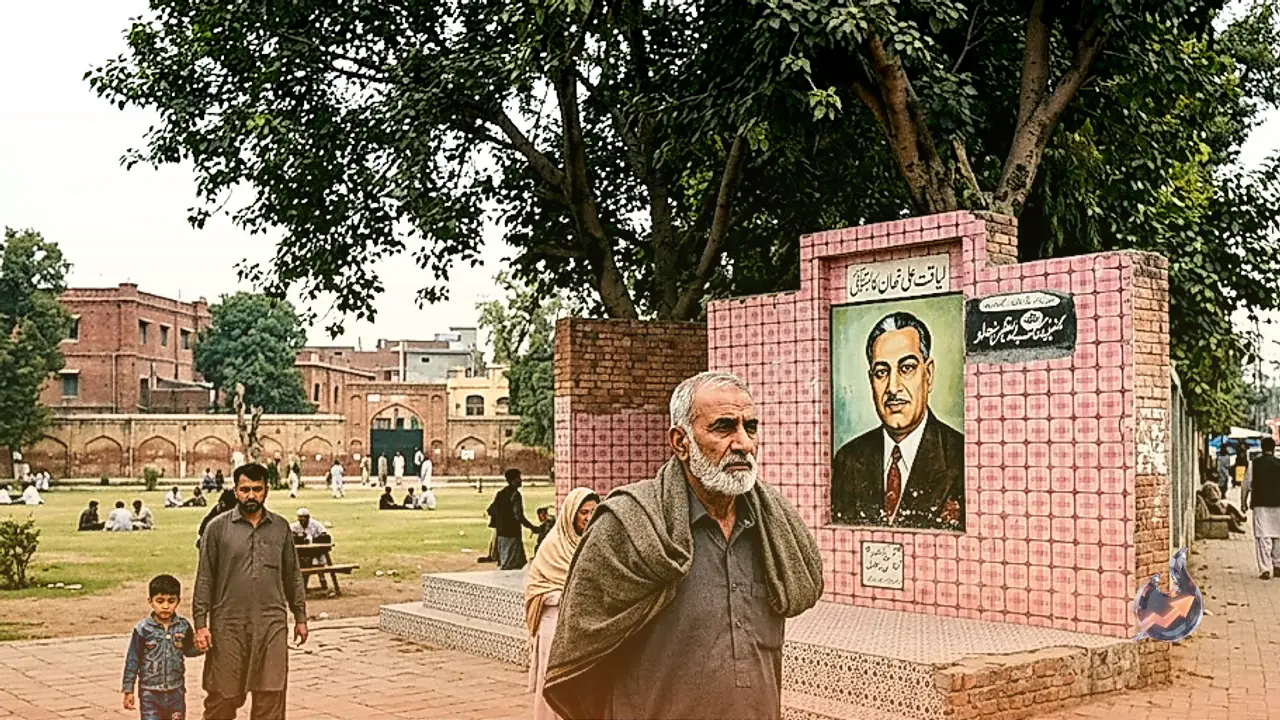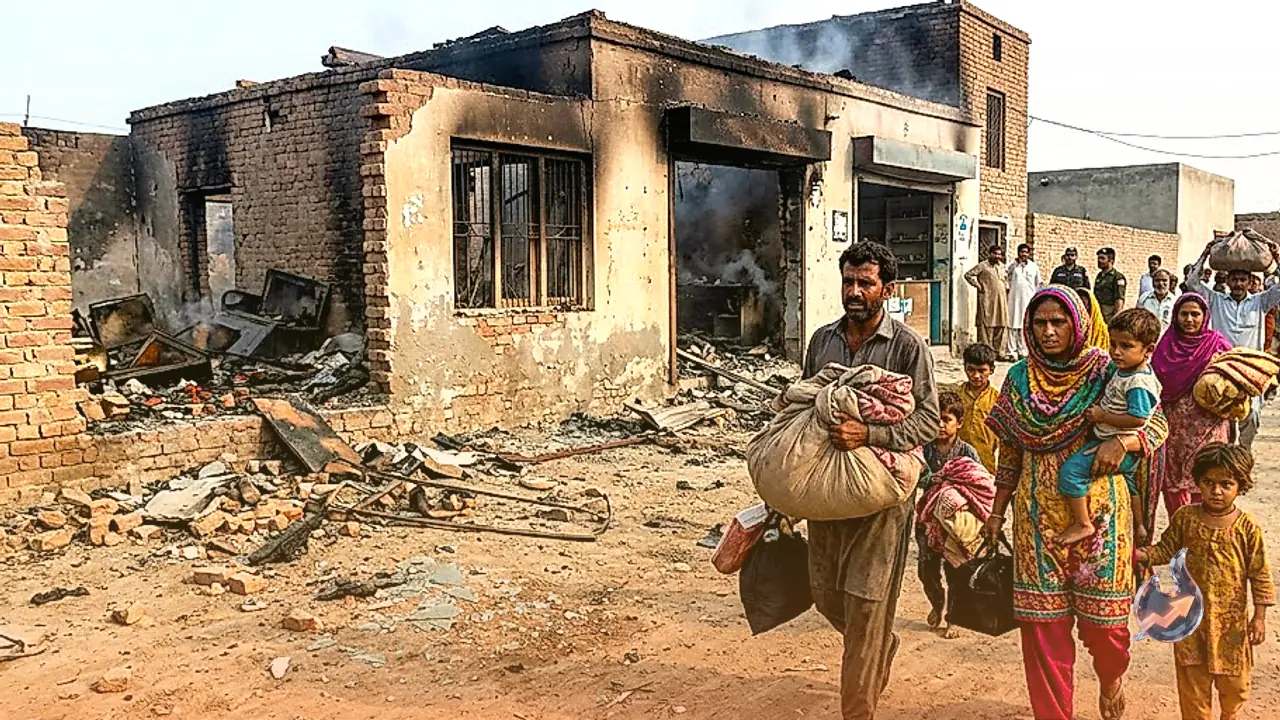
















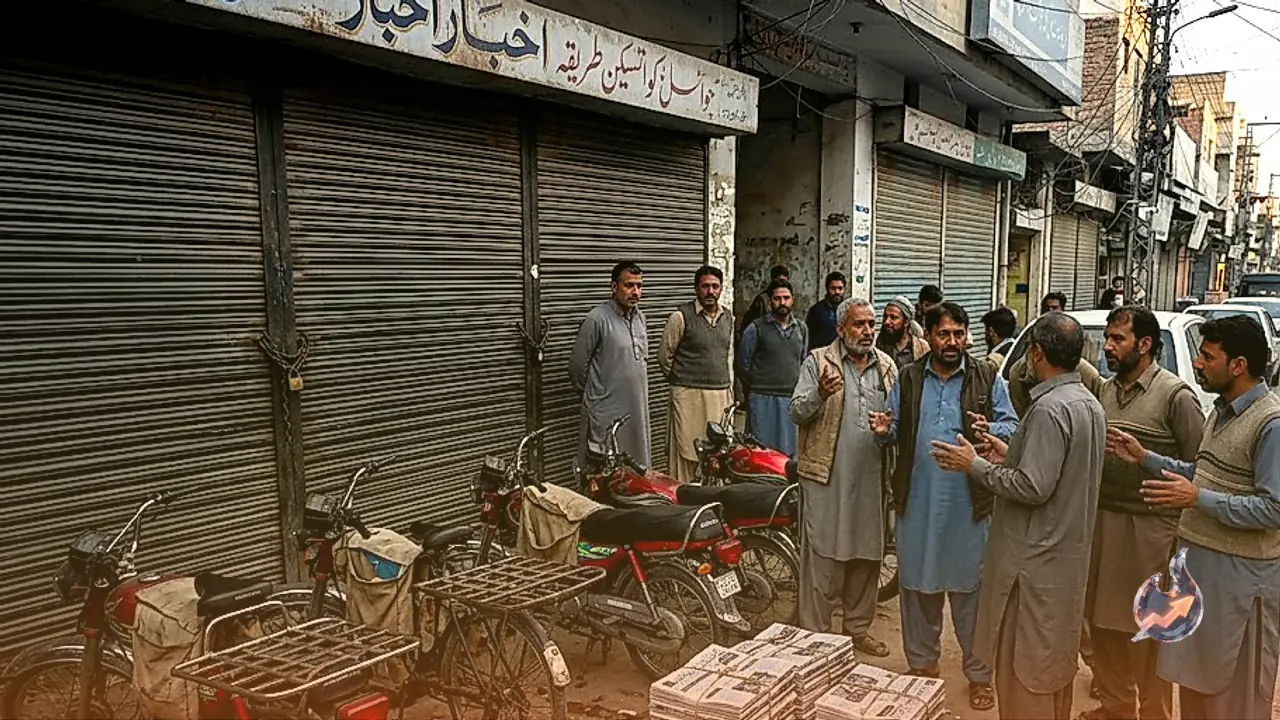

Residents across Islamabad woke up to empty doorsteps on Friday as daily newspaper deliveries failed to arrive throughout the capital. The disruption stemmed from a sudden municipal operation targeting the primary print distribution hub located in the Aabpara neighbourhood. The administrative shutdown proved so extensive that official copies could not reach the Prime Minister Office, the President House, or multiple foreign diplomatic missions stationed across the city. The sealing triggered widespread frustration among news vendors and print media organizations, who described the interruption as an unprecedented blow to public information access.
Controversy Over Disputed Arrears of One Crore Rupees
The enforcement action was executed by the Metropolitan Corporation Islamabad, which claimed that the distribution market held long-standing financial arrears approaching one crore rupees. Municipal representatives defended the market closure by stating that repeated defaults necessitated strict recovery measures, with an internal inquiry still under review. However, the All Pakistan Akhbar Farosh Federation firmly contested the validity of the municipal claim, insisting that regular tenants had cleared all lawful stall rentals and owed nothing to the city authorities.
According to federation representatives, municipal authorities erroneously levied charges for an empty parcel of land located adjacent to the premises. The vendor union pointed out that the disputed plot had never been formally allocated or leased to their members, making the one crore rupee bill legally baseless. Speaking on the arbitrary closure, Tikka Khan, the general secretary of the All Pakistan Akhbar Farosh Federation, voiced deep resentment over the punitive move. He remarked that shutting down the market without solid legal justification is an injustice to print workers and ordinary citizens.
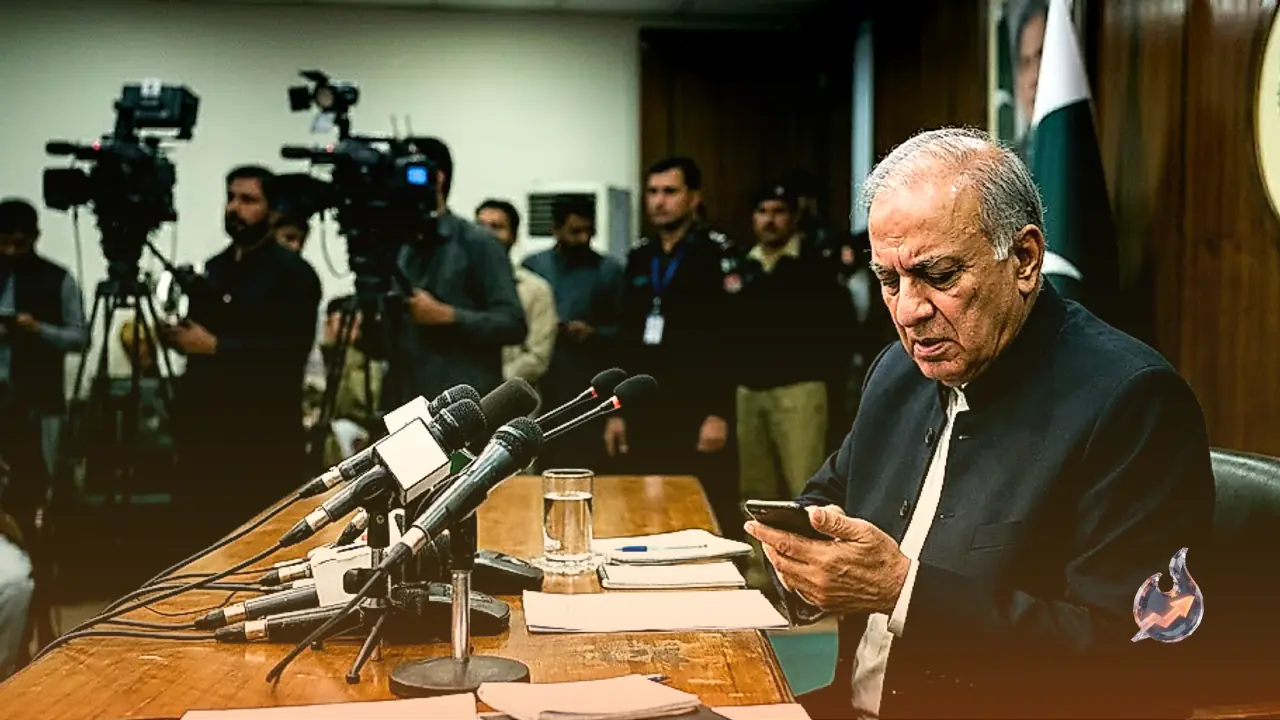
In an effort to resolve the standoff, vendor delegates approached Sohail Ashraf, who holds joint charge as Islamabad Chief Commissioner and Chairman of the Capital Development Authority. The delegation urged immediate intervention to remove the seals and restore regular deliveries across the capital. Despite these appeals, municipal officers maintained that nonpayment of public dues justified the operational halt pending comprehensive audit checks.
Weekly Bazaars Suspended Over Fire Safety Compliance
The municipal crackdown on Friday extended beyond print media logistics. Authorities also halted operations at two of the federal capital's busiest weekly markets, the G-6 and H-9 bazaars. Both commercial centers were ordered to suspend trading until comprehensive fire prevention systems are installed and officially certified by the emergency response wing of the Capital Development Authority.
The H-9 market, popularly known as the Sunday Bazaar or Itwar Bazaar, has a troubled history concerning fire safety. Since 2017, the venue has witnessed five distinct blaze incidents that caused substantial commercial losses. The most recent incident occurred in June, when a massive fire engulfed Block C of the complex, gutting numerous footwear stalls and highlighting severe gaps in on-site fire preparedness. Civic officials stated that operations would remain frozen until full safety clearance is granted by emergency inspectors.
Market traders expressed acute frustration over the sudden suspension, contending that necessary fire extinguishing equipment and basic safeguards had already been set up on their premises. Representatives from the Directorate of Municipal Administration replied that reopening orders would be issued only after specialized emergency teams complete their inspections and confirm safety compliance.
Deepening Concerns Surrounding Press Freedom
The blockage of print deliveries has prompted severe condemnation from journalistic circles within Pakistan, where many view the action as an indirect clampdown on independent media channels. Prominent journalist Hamid Mir highlighted the crisis on social platforms, emphasizing that the country's press is already grappling with declining circulation and rigorous censorship pressures. He noted that paralyzing distribution infrastructure in the heart of the capital sends a chilling signal to media businesses to abandon operations entirely.
Media associations and civil society voices warned that weaponizing municipal regulations to silence or disrupt news flows sets a troubling precedent. With hundreds of delivery workers, hawkers, and small distributors dependent on daily operations at Aabpara, industry leaders have called on senior administrative authorities to de-escalate the dispute and ensure that newspaper distribution remains protected from arbitrary municipal interference.