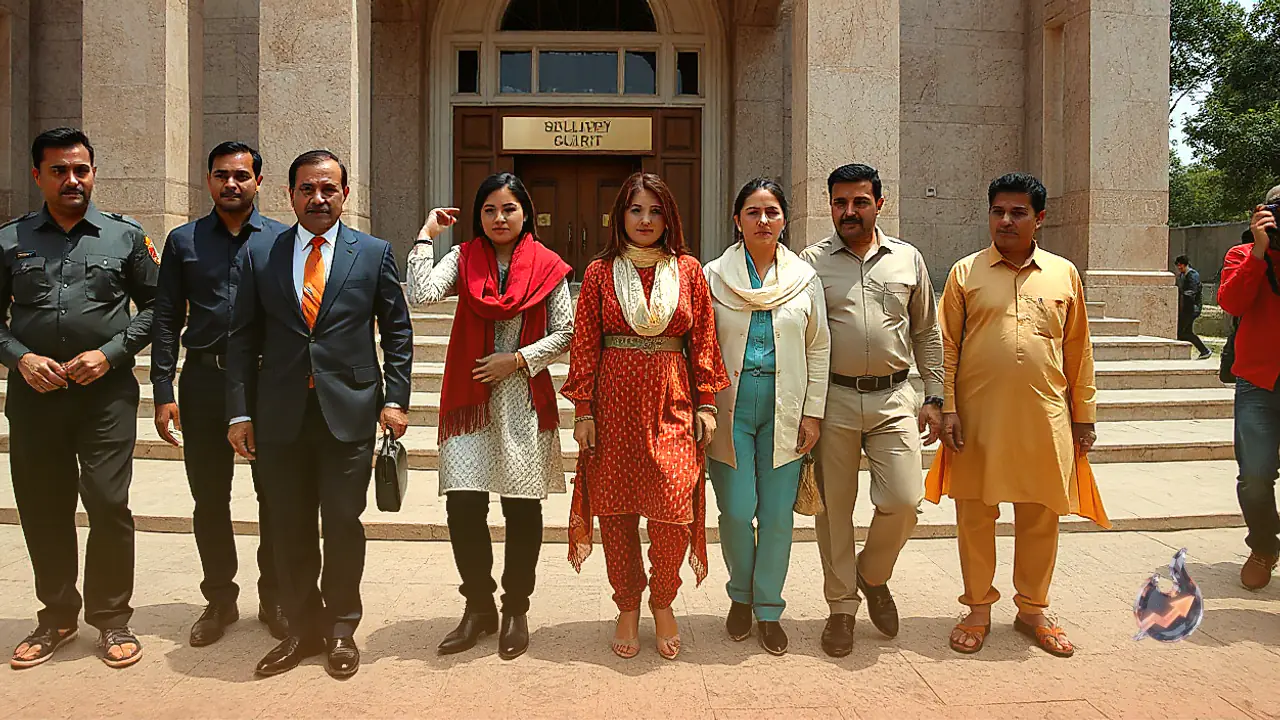















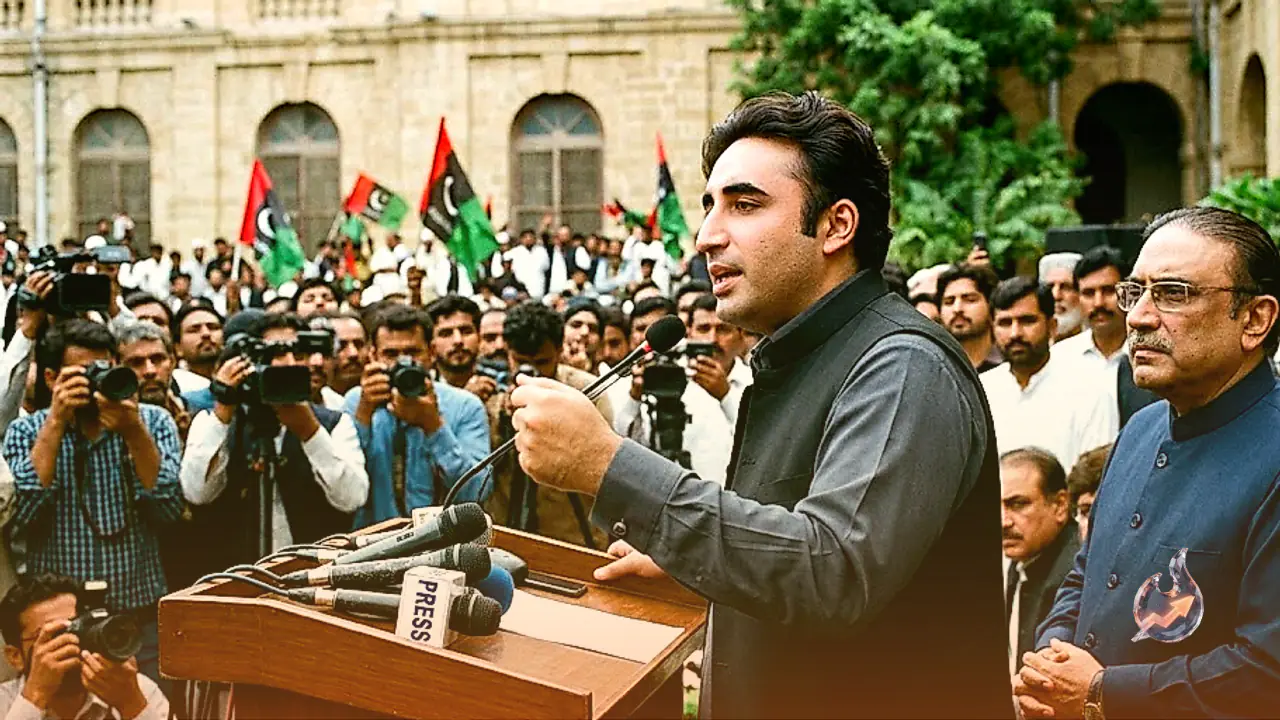

A fresh political drama is steadily unfolding across Pakistan, with ripples of tension travelling all the way from London. At the heart of this brewing crisis is the province of Sindh, where persistent whispers of administrative reorganization and the creation of new administrative zones have triggered widespread alarm. A series of high-level meetings recently took place in London, where Pakistan Peoples Party Chairman Bilawal Bhutto Zardari and President Asif Ali Zardari remained closeted in discussions for roughly five hours. Bakhtawar Bhutto Zardari was also present during these deliberations. Following the conclusion of the talks, the party adopted an unyielding stance, making it abundantly clear that any attempt to partition Sindh will face fierce resistance.
Why the Controversy Surrounding Sindh Erupted
For a considerable period, demands for establishing new provinces and smaller administrative units have surfaced intermittently across Pakistan. Proponents argue that smaller administrative regions can deliver superior governance and broader political participation to the populace. However, the situation in Sindh transcends mere administrative management, touching raw nerves involving political dominance, regional identity, and the distribution of power. Proposals to detach Karachi from Sindh or carve out a separate province in the southern region of the territory frequently emerge in public discourse. The Pakistan Peoples Party views these proposals as a severe and direct challenge to its survival and influence.
Suspicions of Political Motives and Military Influence
Beneath the surface of this narrative lies an underlying layer of suspicion. Insiders and associates linked to the Pakistan Peoples Party refuse to view these demands merely as innocent calls for administrative restructuring. They suspect a much larger political agenda at play. The party harbors deep apprehensions that under the guise of administrative reforms, systematic efforts might be deployed to erode its political clout, potentially backed by the hidden hand of the countrys military establishment. Such moves threaten to ignite a fresh controversy regarding the widening shadow of military influence over civilian politics in the nation.
London Encounters and the Role of the Interior Minister
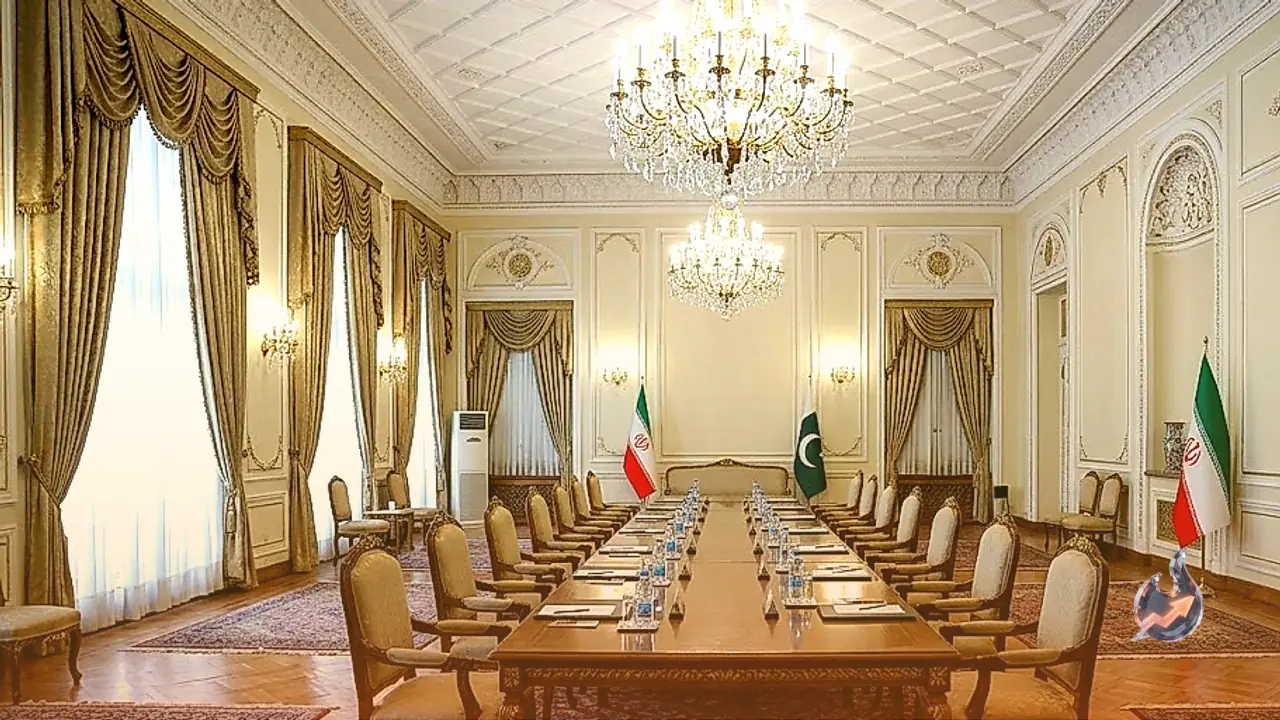
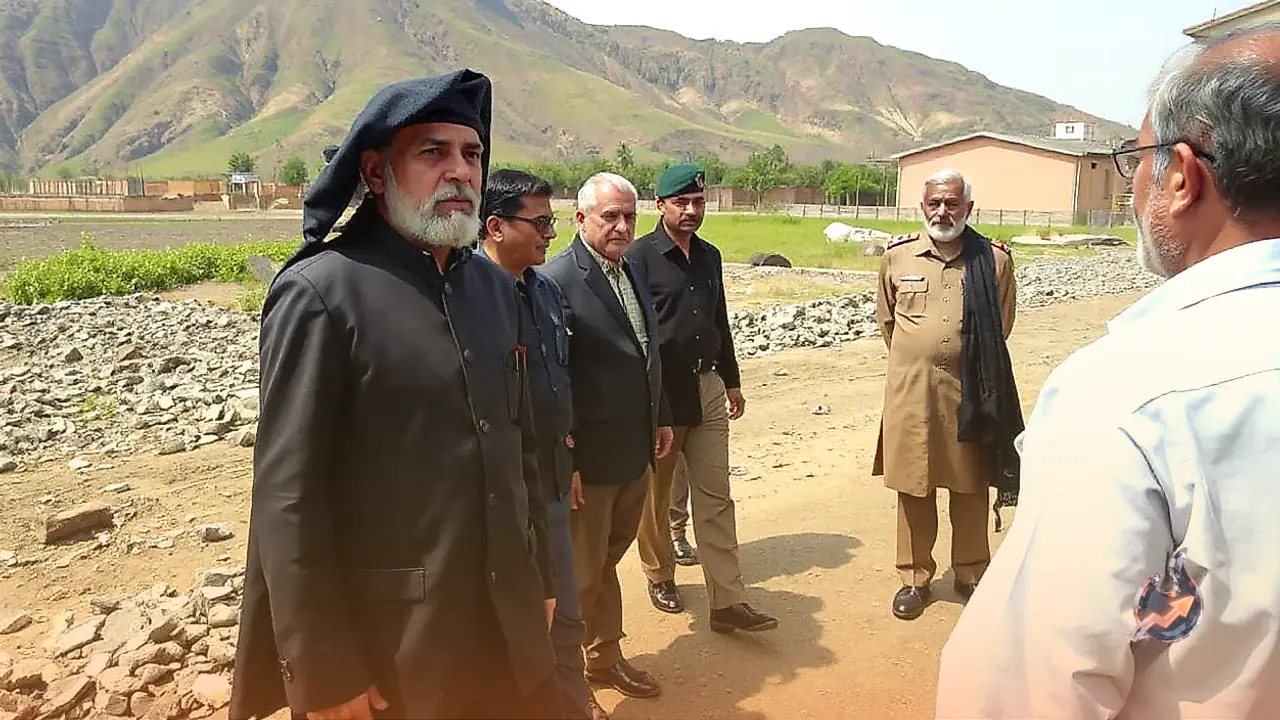
Simultaneously, a flurry of crucial political meetings connected to Pakistan's volatile landscape is unfolding in the British capital. Asif Ali Zardari and Bilawal are both stationed in London. During this exact window, Interior Minister Mohsin नकवी also held a meeting with Asif Ali Zardari. Mohsin नकवी is widely regarded in political circles as being exceptionally close to the military establishment. Reports indicate that this closed-door interaction covered multiple contentious issues, including strategies to de-escalate ongoing political tensions between key stakeholders.
Why Sindh Holds Existential Importance for the Party
The core of this entire political saga is anchored right here. Sindh serves as the undisputed political stronghold and power base of the Pakistan Peoples Party. This foundational reality explains why the party experiences profound anxiety at the mere prospect of altering the geographical boundaries of Sindh, fearing a direct dilution of its political might. If parts of the province are sliced away, the party's parliamentary majority and dominant grip over the provincial assembly could suffer irreversible damage. In simpler terms, Sindh is not just a state under party administration; it is the absolute bedrock of its national political strength.
The Sindh Assembly Strikes Back
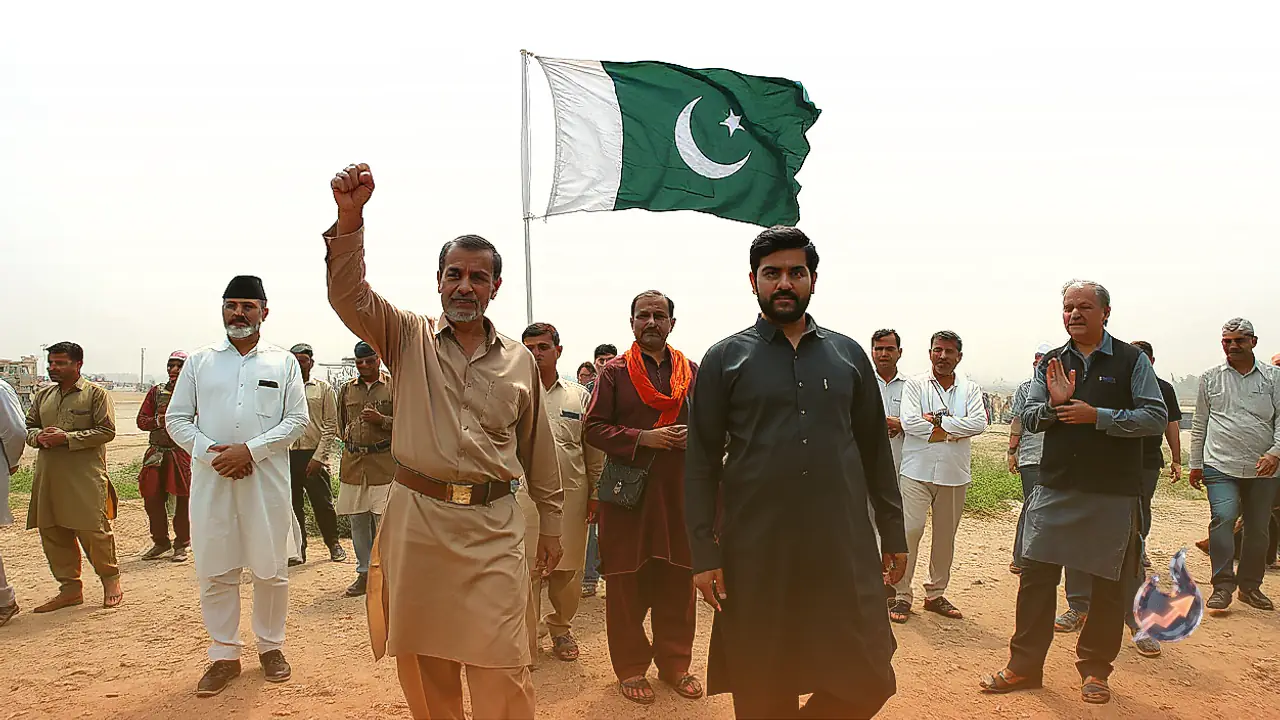
Amid this escalating political friction, the Sindh Assembly firmly rejected any proposals aimed at partitioning Sindh or carving out distinct administrative zones within its territory. Chief Minister Murad Ali Shah delivered an unequivocal message on the assembly floor, declaring that his administration will never compromise on the territorial integrity and land of Sindh. He asserted that it must be brought to light who exactly is orchestrating these moves to divide Sindh and who is standing against such divisive agendas. He maintained that any future alteration to Sindh's borders must strictly undergo transparent debate through formal legislative assemblies and constitutional frameworks.
Is a Major Power Struggle Underway?
This central question continues to dominate the political discourse across Pakistan. Are the persistent demands to split Sindh merely administrative housekeeping, or is a calculated high-stakes political game being played out behind closed doors? The Pakistan Peoples Party has drawn a hard line in the sand, positioning itself firmly against any division of the province. For the party, this battle transcends a mere dispute over territory; it is an existential fight for governance, identity, and the protection of its ultimate political fortress. With the military establishment equally keen on preserving its strategic leverage, the unfolding political theater promises even more friction ahead.