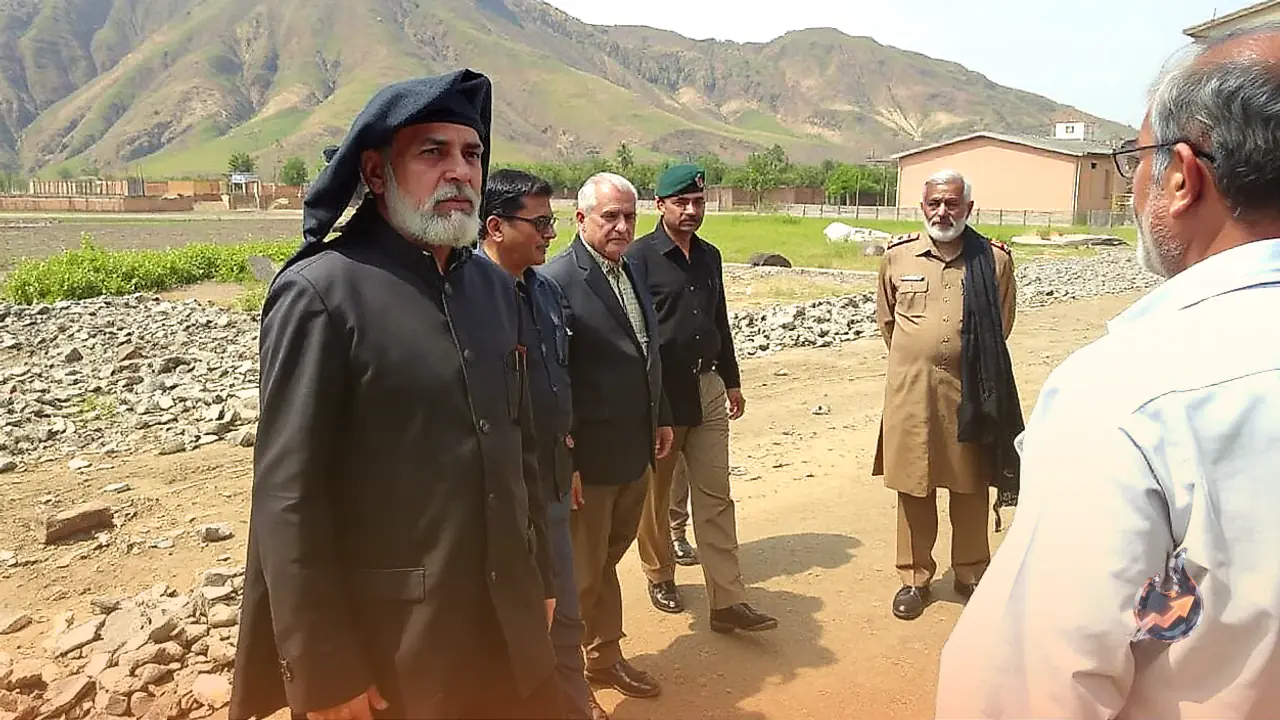



















Amid the fast-escalating geopolitical tensions across the Middle East, Pakistan Army Chief General Asim Munir traveled to Iran on a high-stakes diplomatic mission, but he was met with a stark snub and an embarrassing dismissal. According to media reports, he arrived in Tehran bearing a stern message from the United States designed to pressure Iran into submission. However, Iranian authorities refused to entertain his proposals and made it clear that Tehran stood firm on its sovereign positions. Reports even suggested that the reception was so hostile that the Pakistani delegation was practically shown the door and told to board their plane and return home immediately, capping off a deeply humiliating diplomatic outing.
A Cold and Formal Encounter with Mohsen Rezaei
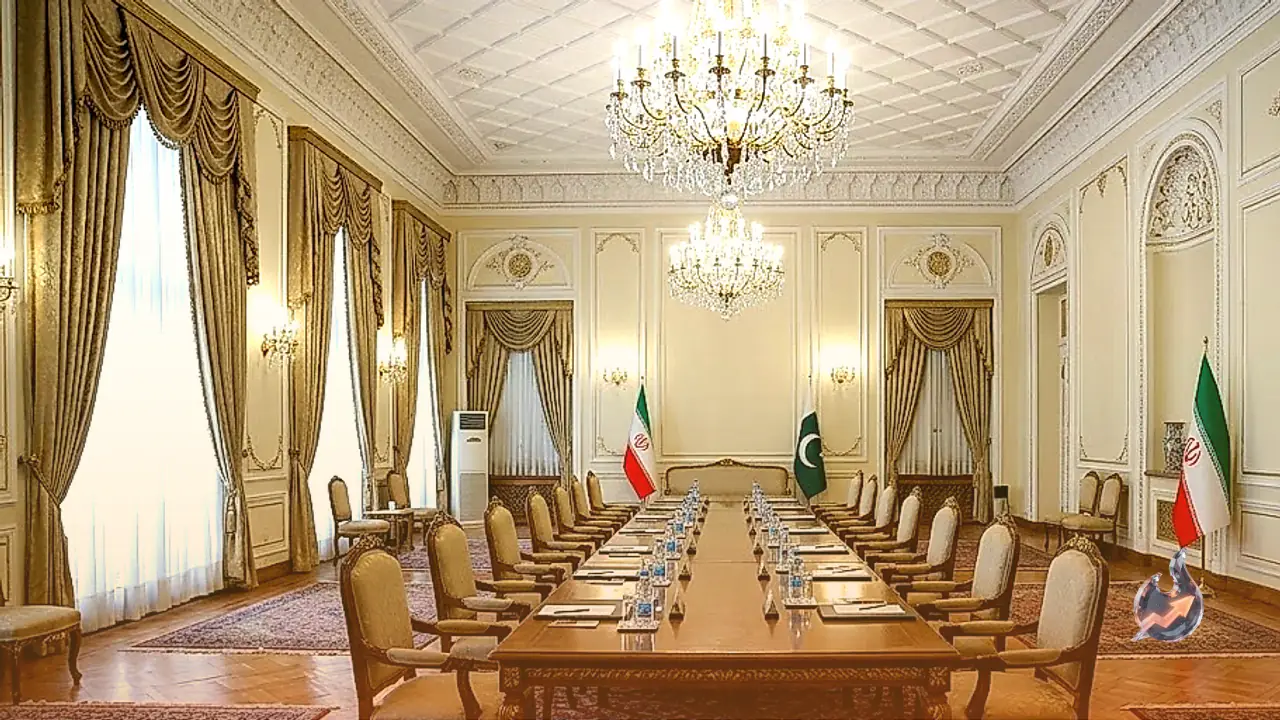
During his visit, Asim Munir held talks with Iran Security Council Chief Mohsen Rezaei, an interaction described as brief and strictly formal. The warmth and cordiality typically witnessed in diplomatic engagements between allied or neutral states were entirely missing. Media analysis of the body language and video footage from the meeting revealed a tense atmosphere. When the Pakistan Army Chief arrived, Mohsen Rezaei maintained a rigid and guarded posture, while Munir was seen leaning forward during the discussions. Observers noted the conspicuous absence of prolonged handshakes or any customary diplomatic embraces, highlighting the deep chill in bilateral exchanges.
The U.S. Ultimatum on the Nuclear Program
According to reports from a Lebanese newspaper, Asim Munir conveyed a hardline message from U.S. President Donald Trump to Mohsen Rezaei. The communication explicitly demanded that Iran completely dismantle its nuclear program. Reports indicated that Munir urged Tehran to display greater flexibility in ongoing and future negotiations regarding its nuclear capabilities. Iran responded with an unyielding counter-stance, stating that the United States must first fulfill seven pre-conditions set by Tehran. Iranian officials emphasized that not even a single particle of enriched nuclear material would leave the country, proving that Islamabad's mediation efforts yielded zero common ground.
High-Level Meetings Yield No Breakthrough
Apart from his meeting with Mohsen Rezaei, Asim Munir engaged in high-level discussions with Iran President Masoud Pezeshkian and Parliament Speaker Mohammad Bagher Ghalibaf. Sources indicated that Ghalibaf told the Pakistani delegation that Tehran had nothing new to offer or discuss on the matter. Further reports claimed that Munir delivered a final warning on behalf of Washington, suggesting that failure to comply with American demands could trigger massive military strikes against critical Iranian nuclear installations, including facilities reportedly located at Pikex Mountain. Despite these warnings, the Iranian leadership remained defiant.
Islamabad Issues Clarifications Back Home
Parallel to the diplomatic friction in Tehran, authorities in Pakistan found themselves compelled to issue official denials regarding domestic controversies. The Ministry of Information and Broadcasting categorically refuted viral social media claims alleging that the U.S. Navy was utilizing Pakistani territory and soil to mount operations against Iran with Islamabad's explicit authorization. Through its official fact-checking channels, the ministry stated that the rumors originated from a North American-based social media account and were designed purely to spread malicious propaganda, confusion, and diplomatic friction.