





















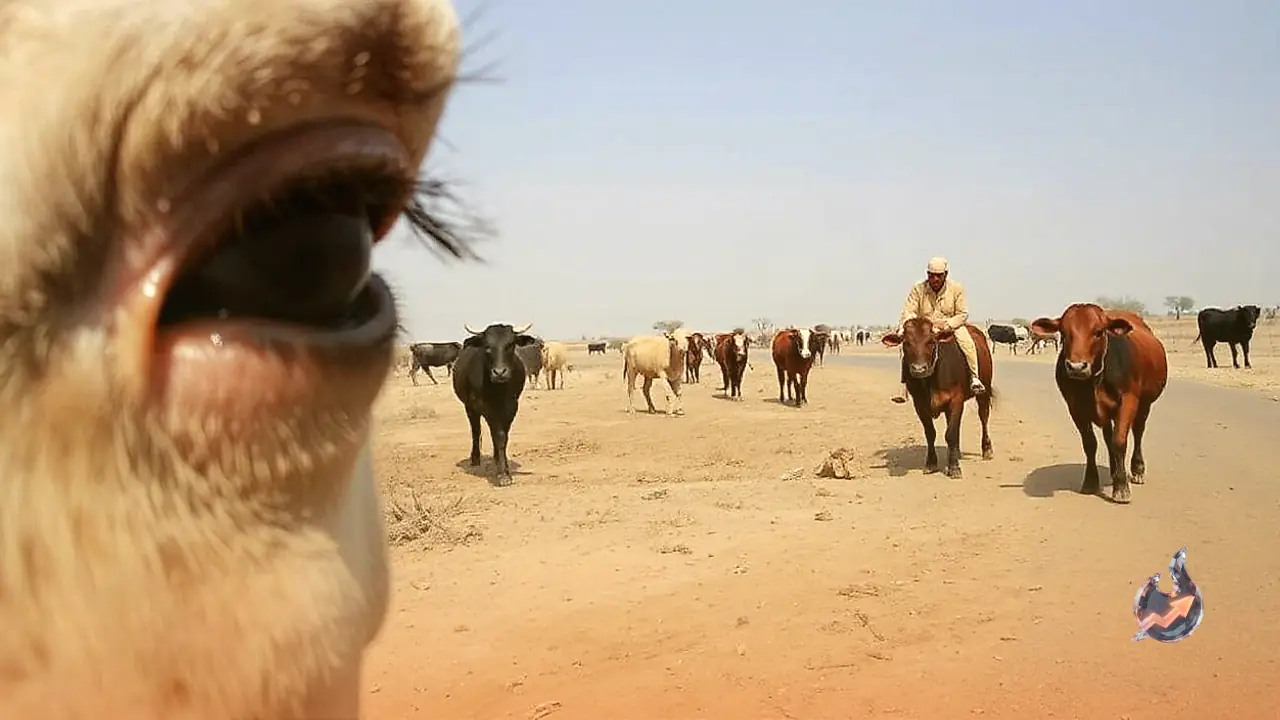

Environmental shifts often bring health challenges for livestock, but animal owners in Nagaur are currently facing a growing menace concerning eye ailments in cows and buffaloes. Driven by fluctuating weather, bacterial or viral infections, parasites, dust, and various allergens, chemosis is emerging as a frequent issue affecting farm animals. In this medical condition, the outer membrane of the eye known as the conjunctiva becomes inflamed, while excess fluid accumulation in the surrounding tissues gives the area a swollen, sometimes jelly-like appearance.
Without timely medical intervention, affected animals can suffer from severe pain, worsening infections, and potential vision impairment. Consequently, caretakers must recognize early symptoms and consult a qualified veterinarian promptly. Chemosis in livestock can stem from multiple triggers, including viral infections like infectious bovine rhinotracheitis, which induces significant swelling and irritation. Additionally, accidental trauma from grass blades, thorns, or foreign objects while grazing can also initiate the problem.
How Infections Spread in Open Environments
Dust particles blowing across open fields, pollen, smoke, and chemical pesticide residues can easily cause severe eye irritation and allergic reactions in animals. Furthermore, parasitic worms known as Thelazia can actively target livestock eyes, dwelling near the ocular surface, conjunctiva, and tear ducts. Their presence triggers persistent irritation, swelling, watery discharge, and a heightened risk of corneal ulceration, making professional examination and targeted treatment absolutely vital.
Key Symptoms to Identify the Disease
Veterinarian Vishal Prajapati explained that animals afflicted with chemosis exhibit several distinct visual changes, including a swollen eye membrane protruding outward. Continuous tearing, yellowish discharge, redness, and frequent blinking stand out as primary indicators of the illness. Affected animals often attempt to keep their eyes shut tightly under bright sunlight or strong illumination, remaining visibly restless due to constant discomfort. If the infection turns severe, the animal might develop a fever, and in cases involving parasitic worms, tiny organisms can sometimes be spotted directly inside the eye. Immediate medical assistance is crucial if any white or cloudy patches, sores, or vision difficulties appear.
Treatment Protocols and Preventive Measures
Management of chemosis depends entirely on identifying the root cause and evaluating the current ocular status, with the primary goals focused on controlling inflammation, eliminating pathogens, and safeguarding vision. Eye hygiene should be maintained strictly using sterile normal saline or appropriate eye-wash solutions recommended by a veterinarian, who may also prescribe antibiotic drops or anti-parasitic medications depending on the diagnosis.
The veterinarian cautioned against applying corticosteroid-containing eye drops if a corneal ulcer is present, as such medications can worsen the sore significantly. Caretakers should avoid using boric acid or random home remedies, ensuring all treatments are vetted by a professional rather than administering arbitrary eye drops. Preventive steps include keeping animal sheds clean, minimizing direct exposure to smoke and chemicals, and monitoring surrounding bushes and thorny shrubs during grazing. Prompt veterinary care helps prevent permanent visual damage.