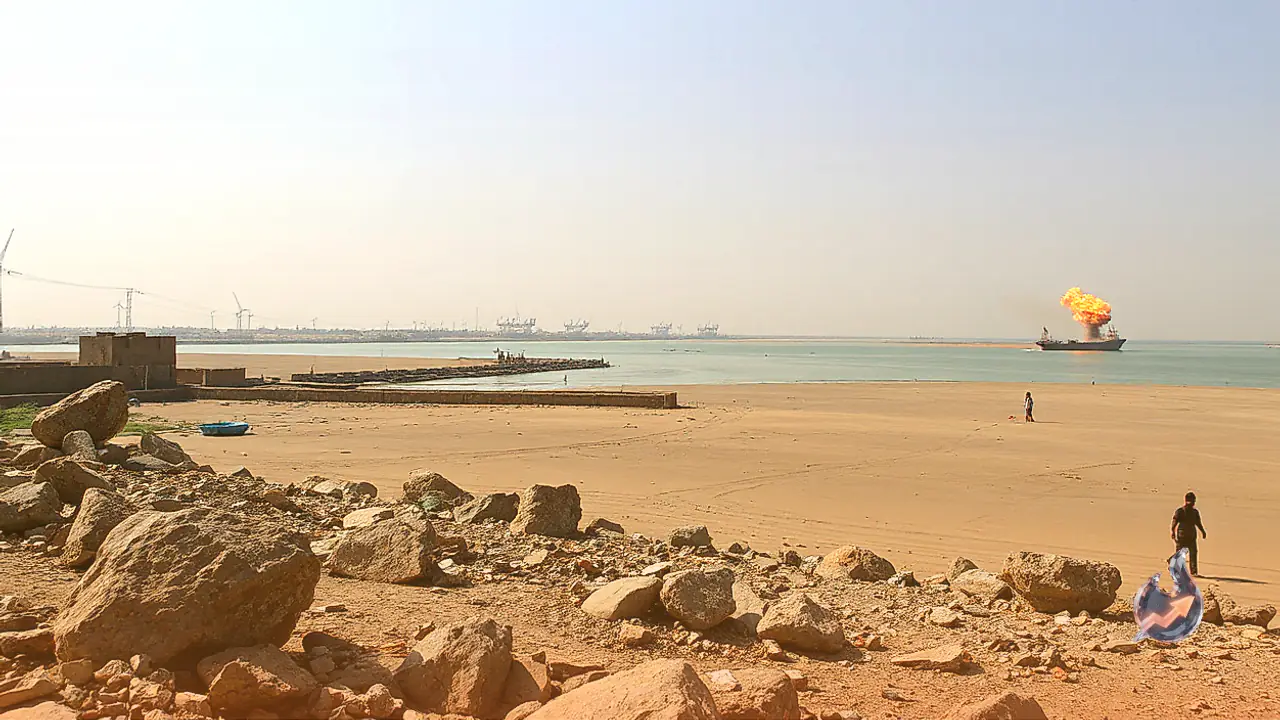

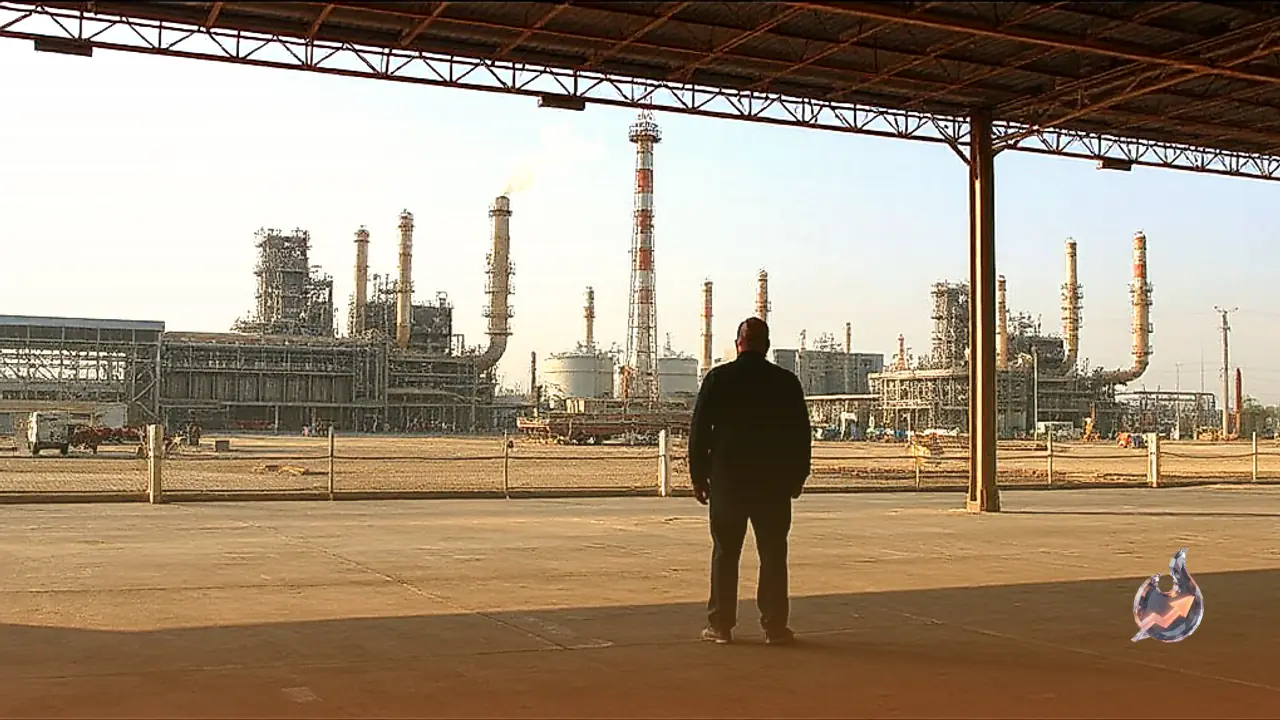














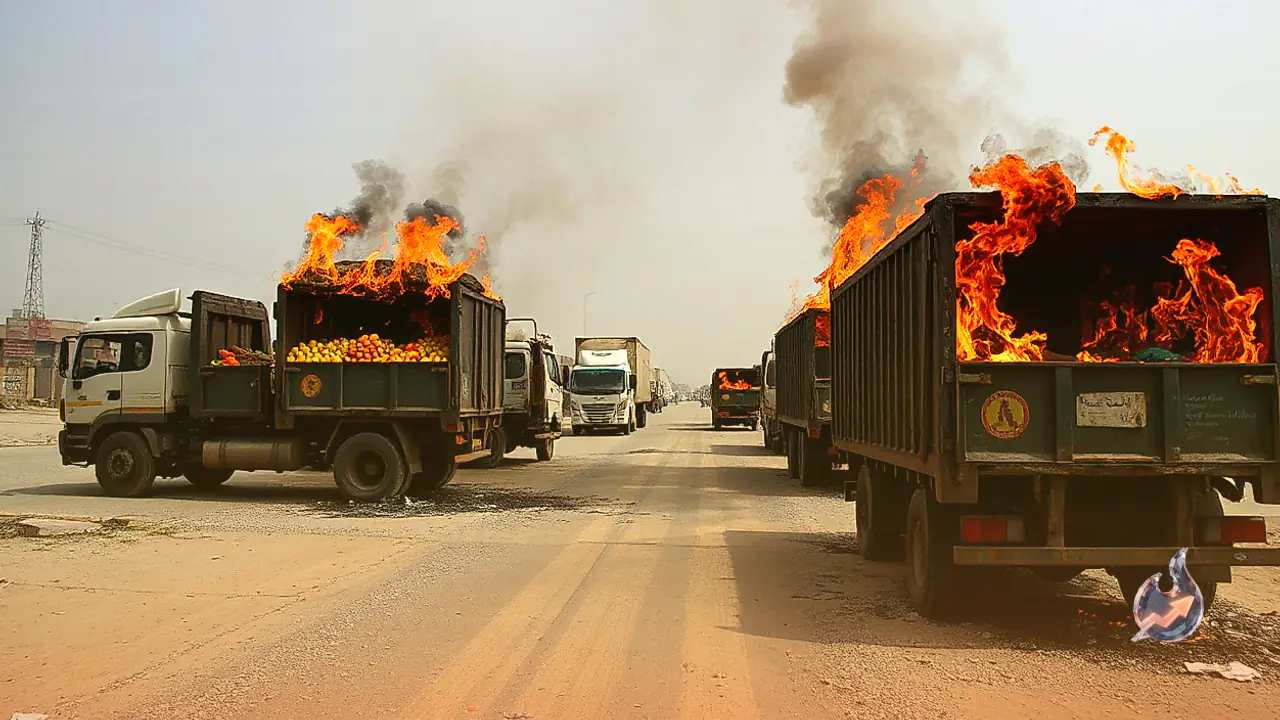

A prolonged commercial stalemate along the international frontier between Pakistan and Iran took a destructive turn after armed assailants attacked heavy commercial transports near Trade Gate 250 in the Rimdan border zone. Several large vehicles laden with fresh fruits were intentionally set ablaze, triggering fears of massive monetary losses running into millions of rupees for cross-border exporters and regional merchants. The violent incident has dramatically heightened tensions across a crossing where hundreds of cargo carriers remain immobilized due to sweeping procedural halts.
Gunfire and Emergency Response at Trade Gate 250
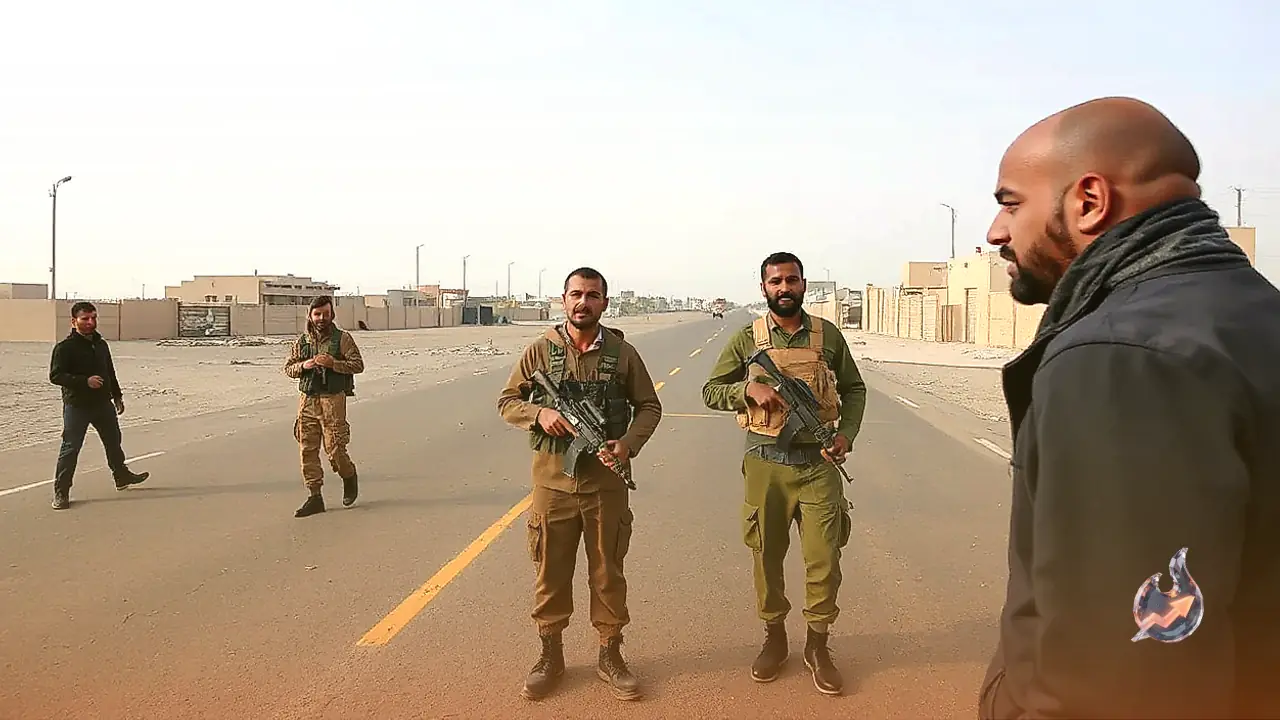
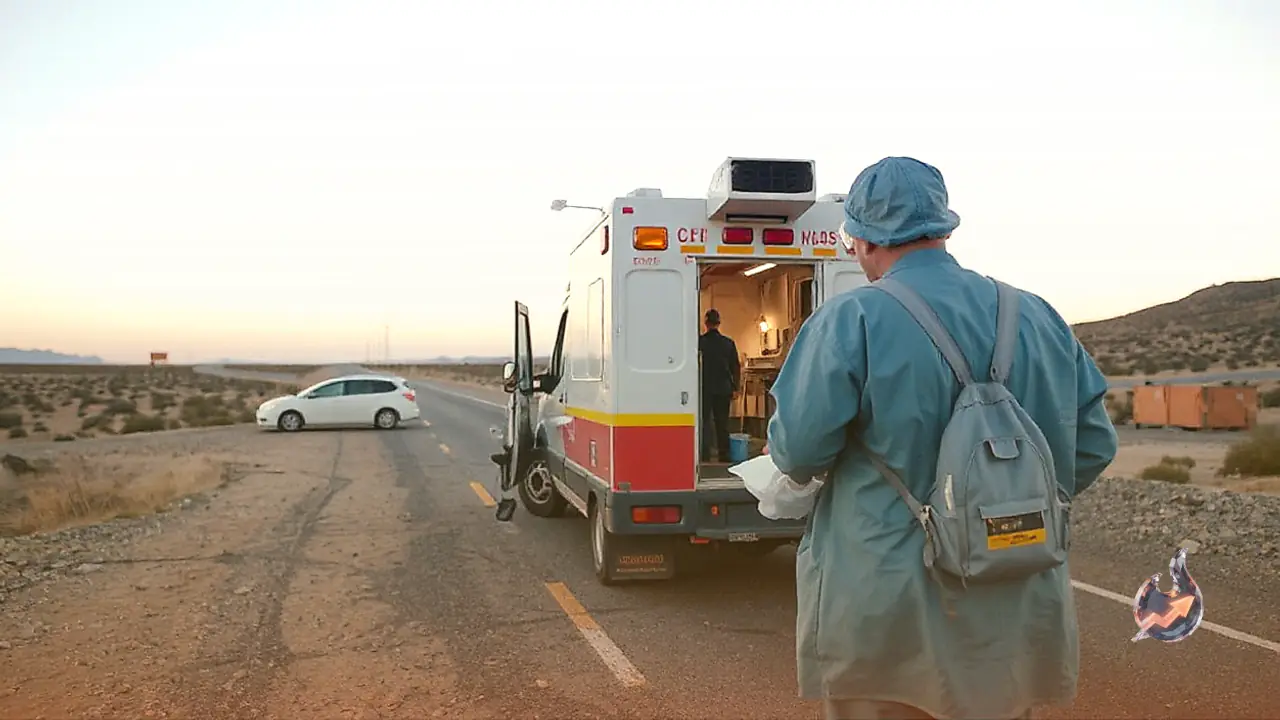
The armed group concentrated their assault directly on commercial infrastructure and parked cargo vehicles situated around the transit point. Following the arson, security personnel stationed in the sector engaged the armed attackers in a fierce exchange of gunfire. The outbreak of violence triggered widespread panic across the frontier hub, prompting local authorities to dispatch emergency response units and medical teams to the scene. Regional security forces subsequently cordoned off the perimeter and launched an extensive sweep to track down the fleeing attackers while verifying whether organized regional militant networks orchestrated the coordinated sabotage.
Deadlock Persists Despite Asim Munir's Tehran Trip
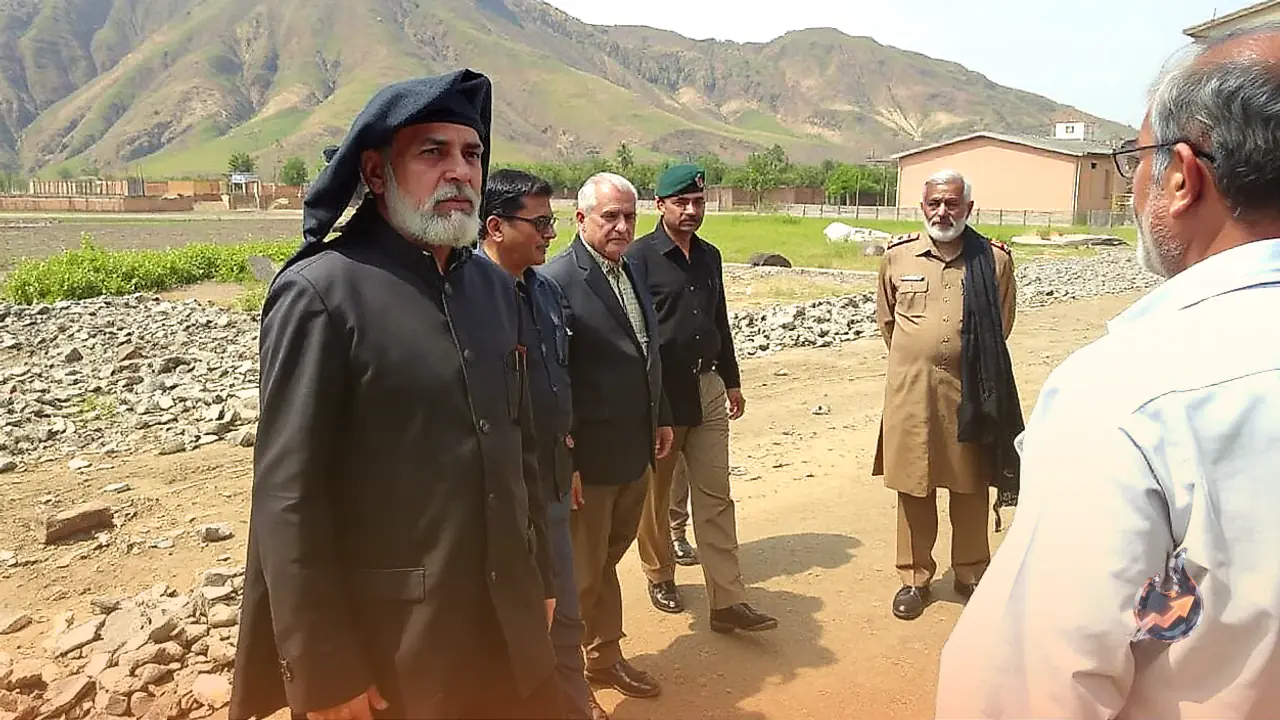
The border crisis remains unresolved despite recent top-tier bilateral diplomacy between the two capitals. Pakistan Chief of Army Staff Field Marshal Asim Munir traveled to Tehran on a mission involving a message connected to Washington, during which the critical topic of commercial freight flow across the border was placed on the table. Head of the Iran-Pakistan Parliamentary Friendship Group Fada-Hossein Maleki clarified the nature of those high-level discussions. Maleki noted that Field Marshal Asim Munir had issued operational instructions from Tehran itself to ensure the border gates reopened for regular vehicular movement.
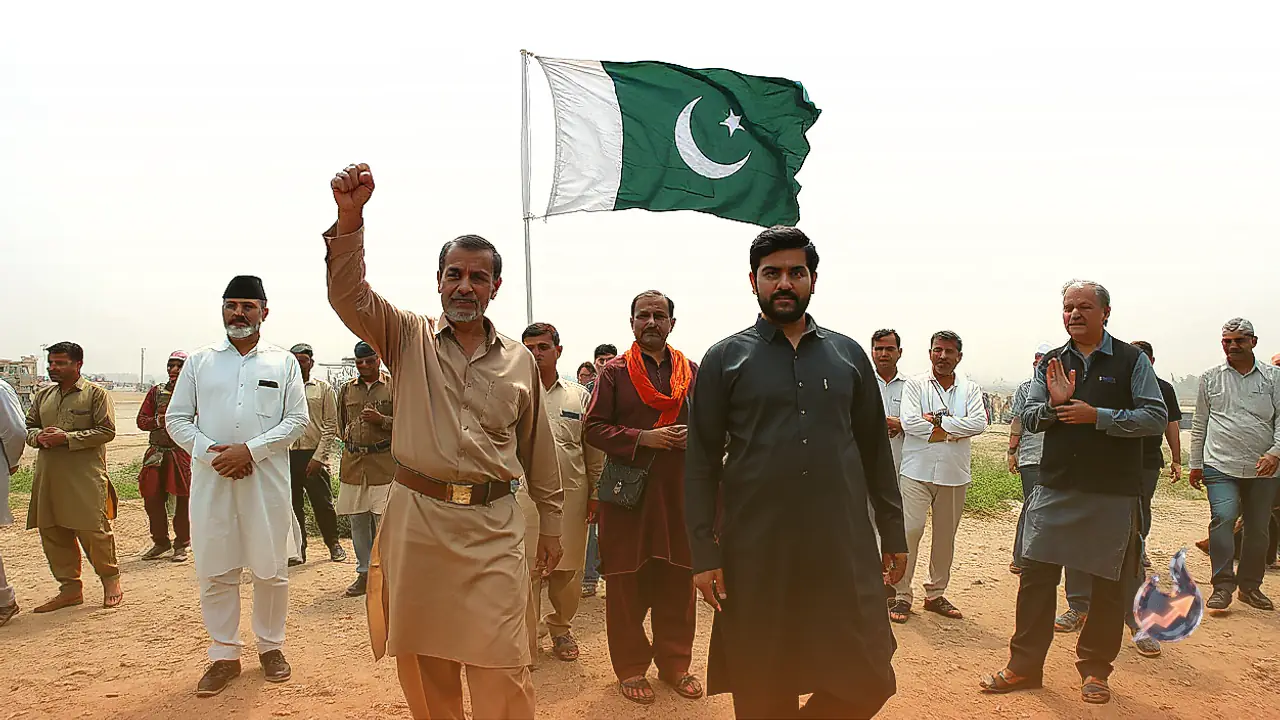
However, implementation on the ground has created deep diplomatic friction. While trucks moving from Pakistan into Iranian territory were permitted to resume their routes, freight carriers attempting to cross from Iran into Pakistan continue to face strict roadblocks. Maleki warned that Tehran would be forced to shut down the border entirely from its side if the one-sided stoppage against Iranian vehicles persisted. Maleki also demanded that the Pakistani ambassador be summoned before parliament, arguing that the selective border restrictions reflect broader American diplomatic pressures on the Islamic Republic.
Disruptions Since October Leave Drivers in Distress
Commercial transit through both the Gabd-Rimdan and Taftan border points has experienced crippling disruptions since 20 October. Each administration has offered differing justifications for the prolonged halt. Officials on the Pakistani side characterized the restriction as a temporary necessity aimed at reinforcing border security protocols and curbing widespread smuggling networks. In contrast, Iranian authorities cited technical snags and proactive safety measures. Formal communications between the two administrations remain open in an attempt to bridge the regulatory divide.
Meanwhile, the human cost of the border standoff continues to mount for drivers stranded in harsh desert conditions. Transporters stuck along the desert highway are dealing with acute shortages of drinking water, food supplies, and sanitation facilities. Outlining the plight of stranded operators, truck driver Abdul Ghani stated, "Truck drivers are going through extremely difficult circumstances." With perishable agricultural goods spoiling under the heat, commercial operators face mounting financial ruin as diplomatic negotiations drag on.