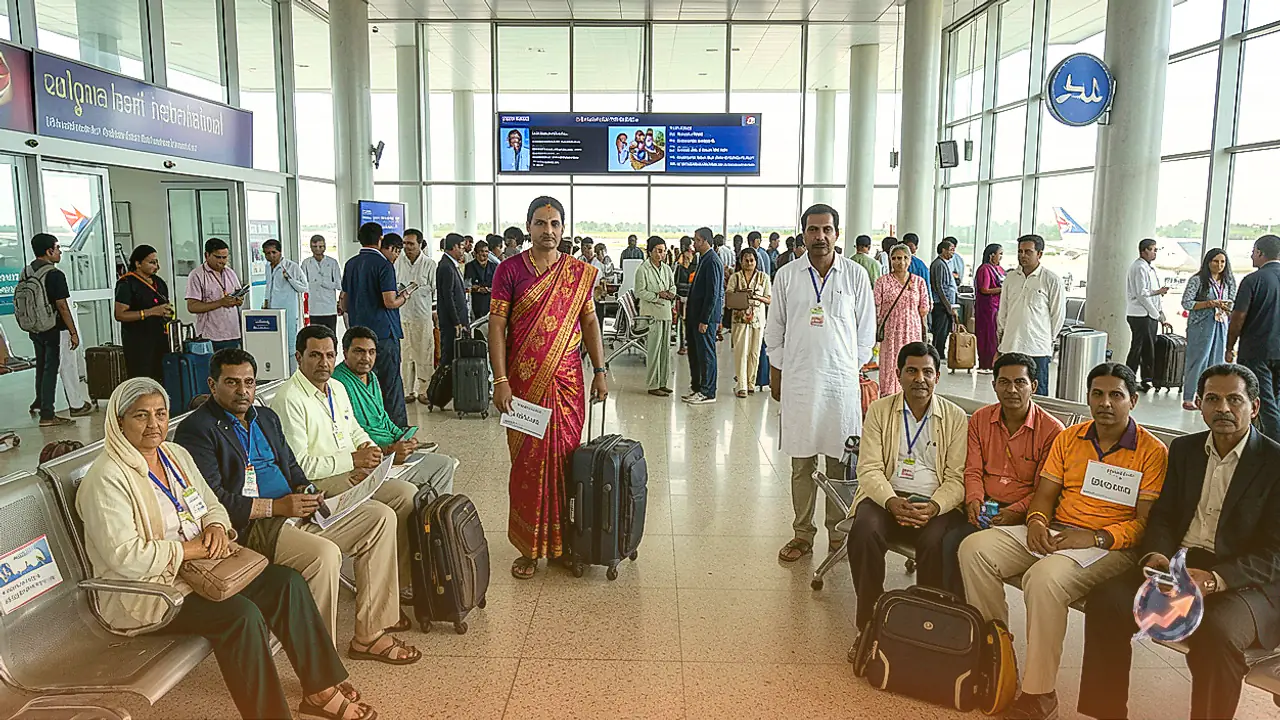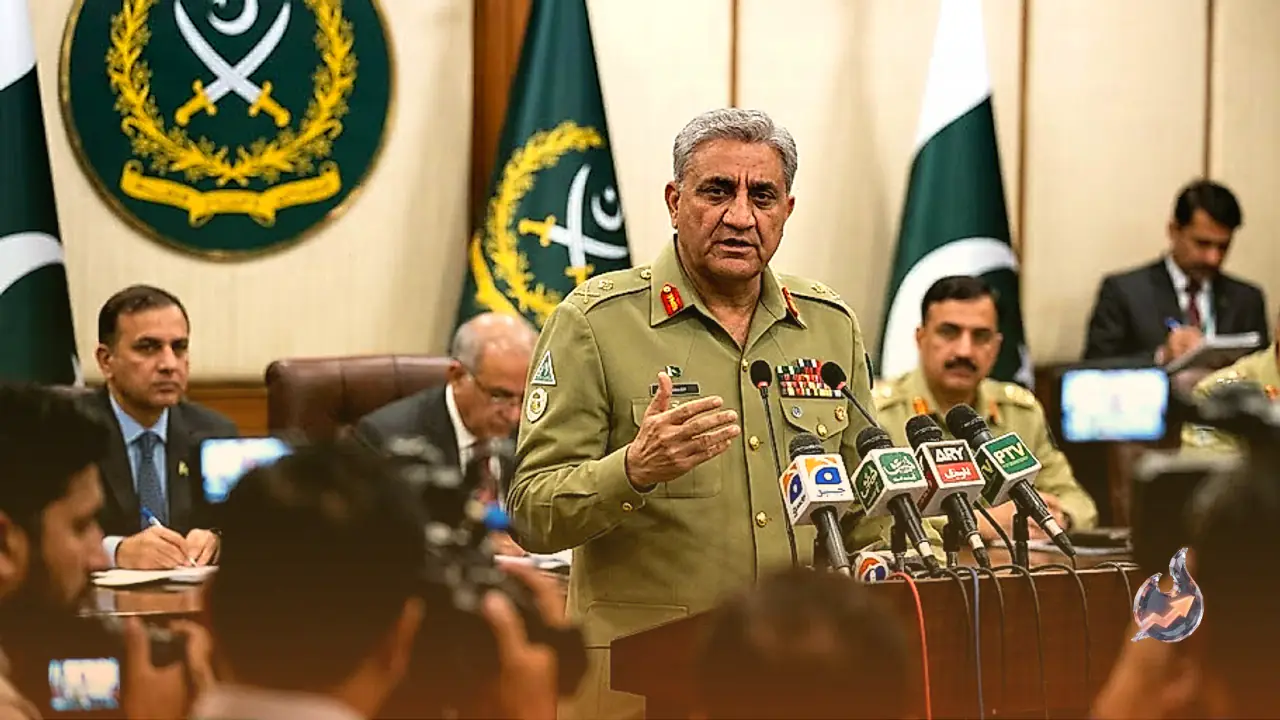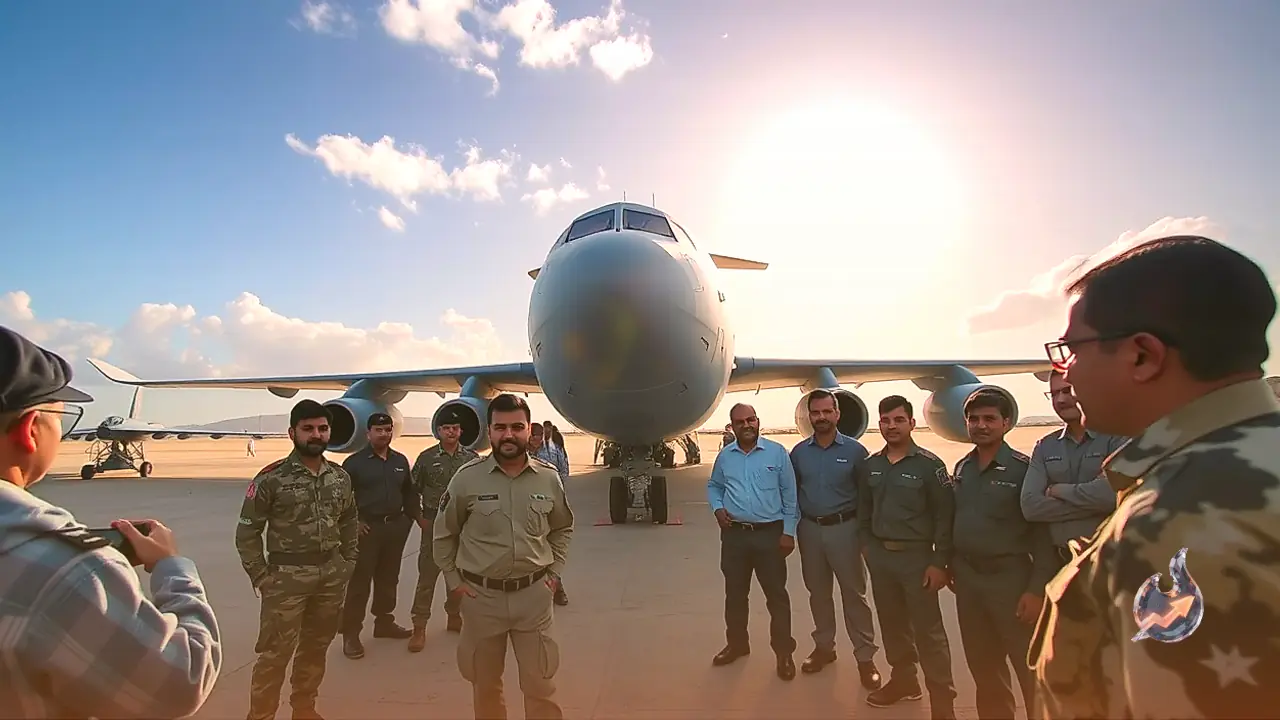























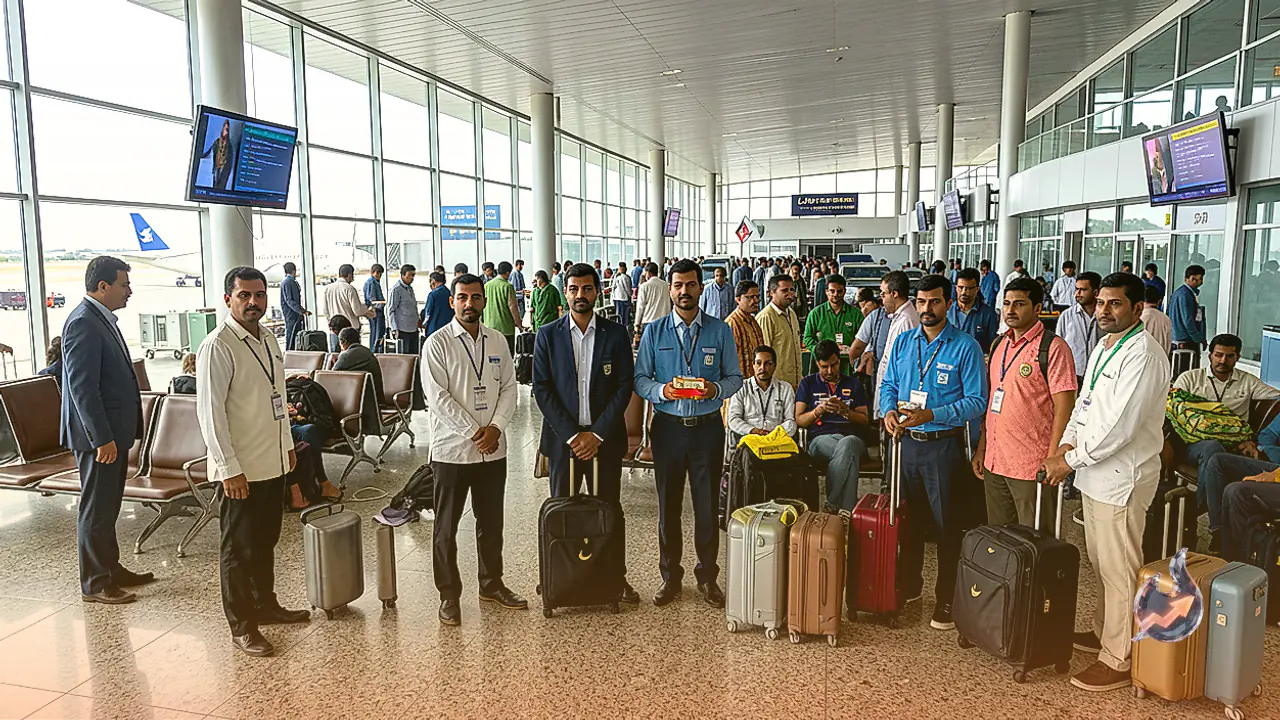

A massive financial fraud has come to light within the struggling state-owned carrier Pakistan International Airlines, where passengers paid extra for premium seating only to see the funds line the pockets of corrupt workers rather than the airline treasury. A group of over 20 employees and officials at Lahore airport has been accused of causing a financial blow exceeding 50 million Pakistani rupees to the company through a systematic scam involving premium seat bookings. The irregularities were uncovered during an internal audit, leading to direct deductions from the salaries of the implicated staff to recover the lost funds.
How the Seat Booking Fraud Was Executed
The mechanics of the alleged scheme involved exploiting the booking of enhanced accommodations. When travelers at Allama Iqbal International Airport in Lahore requested seats with extra legroom, bulkhead access, or other premium features, they were charged additional fees. According to allegations, staff members collected these extra cash payments from passengers but fraudulently logged the seats as standard economy in the airline official records. This ensured the customer received their preferred seat while the supplementary revenue generated from the upgrade vanished from the official accounts, leaving the airline books short.
Audit Discovery and Salary Deductions
This elaborate scheme came to light during a routine review of records covering the period between May 2024 and 2025. The Lahore Finance and Audit Committee flagged the financial discrepancies during their inspection. According to available reports, the authorities have already recovered a total exceeding 50,60,269 Pakistani rupees by forcibly deducting the money from the monthly salaries of the responsible workers. This recovered sum has subsequently been deposited back into the accounts of Pakistan International Airlines to cover the missing revenues.
This latest scandal compounds the severe operational and financial distress facing Pakistan International Airlines, which has long battled debilitating losses, widespread mismanagement, and heavy reliance on government bailouts. These persistent crises prompted authorities to pursue privatization as a vital reform measure, though the terms of the sale have attracted considerable scrutiny. Reports from regional outlets indicate that the government transferred approximately 650 billion rupees in legacy liabilities to a separate holding company to shield potential buyers from shouldering the airline's historic debt burden.
Privatization Terms and Valuation Details
Under the restructuring framework, the operating entity of the airline was reportedly sold to a private consortium led by Arif Habib Corporation based on a valuation of roughly 135 billion rupees. The arrangement purportedly involved the government receiving about 10 billion rupees in cash, with the remaining balance designated for equity investment within the airline. Critics of this structural arrangement argue that the burden of the legacy debt ultimately remains with the public, while management control is transferred to private entities.
Lingering Questions Over Oversight and Accountability
Given that Pakistan International Airlines controls valuable assets, including aircraft fleets, lucrative international flight routes, and essential landing rights at foreign airports, maintaining meticulous financial accounting is paramount. The recent incident exposes profound vulnerabilities in internal oversight, raising critical questions about how airline management failed to track revenue generated from premium seating upgrades and whether privatization will truly enforce stricter accountability to prevent future misconduct.