















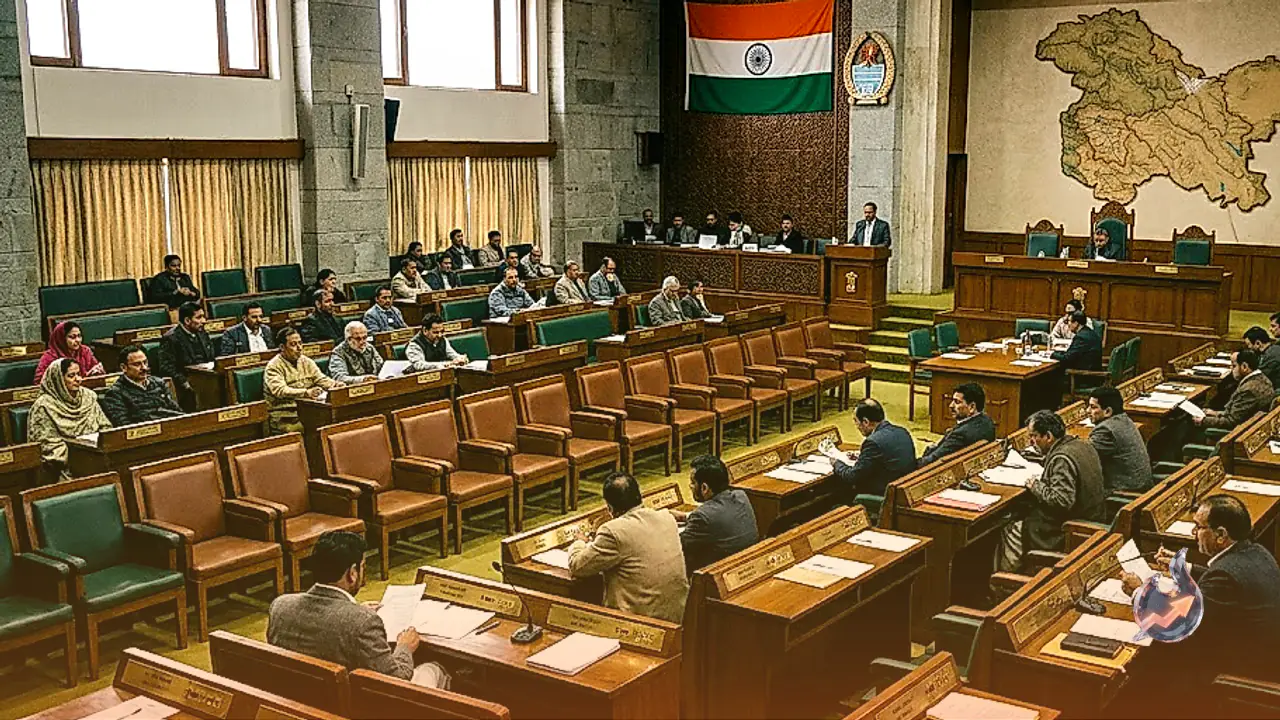

A significant portion of Kashmir remains under illegal control, commonly referred to as Pakistan-controlled Kashmir, despite the region being an integral part of the nation. While historical documents validate this status, the most prominent testimony is found in the twenty-four vacant seats left unfilled in our legislative assembly for that territory. These are not merely wooden benches or statistical figures on paper, but a reflection of the collective resolve of millions of citizens who maintain that the region belongs to India.
The Conflict of Nineteen Hundred Forty-Seven and Infiltration
To comprehend the background of this arrangement, one must look back at the events of October immediately following independence. India gained freedom on August fifteen, nineteen hundred forty-seven, and the British administration granted princely states the choice to accede to either nation or remain independent. Maharaja Hari Singh, the ruler of Kashmir, initially decided to stay independent.
However, malicious intentions led to a covert military plan under the guise of tribal infiltration in October. Armed intruders wreaked havoc, advancing through Muzaffarabad and Baramulla toward Srinagar. When the situation deteriorated beyond control, Maharaja Hari Singh sought assistance and signed the instrument of accession on October twenty-six. Consequently, the entire region legally became an integral part of the country.
Security forces immediately moved to counter the intruders, but before the entire territory could be liberated, the matter was taken to the international organization. Mediation led to a ceasefire, halting troops where they stood and leaving about one-third of the region under illegal control.
Constitutional Provisions and Seat Mathematics
When the state constitution was framed during the fifties, this historical reality was formally incorporated. Article forty-eight stipulated that seats would remain vacant until the illegal control was lifted. Following delimitation, when the total strength reached one hundred eleven, twenty-four seats were directly reserved for those regions.
Even after the removal of Article three hundred seventy in two thousand twenty-two, the status of these twenty-four seats remained unaltered. The assembly strength was revised to one hundred fourteen, with elections held for ninety seats while the twenty-four seats continue to be frozen and reserved. This arrangement conveys a clear message globally that the nation has never relinquished its claim over that territory.
Geography of the Controlled Region
The area under foreign administration is divided into two administrative segments. The first is Azad Jammu and Kashmir, a narrow strip with Muzaffarabad as its capital, which is portrayed as an independent entity though functioning under external directives. The second and larger segment is Gilgit-Baltistan, comprising roughly eighty-five percent of the area, rich in natural resources and glaciers, which has been kept under direct central supervision.
The Cultural Heritage of Sharda Peeth
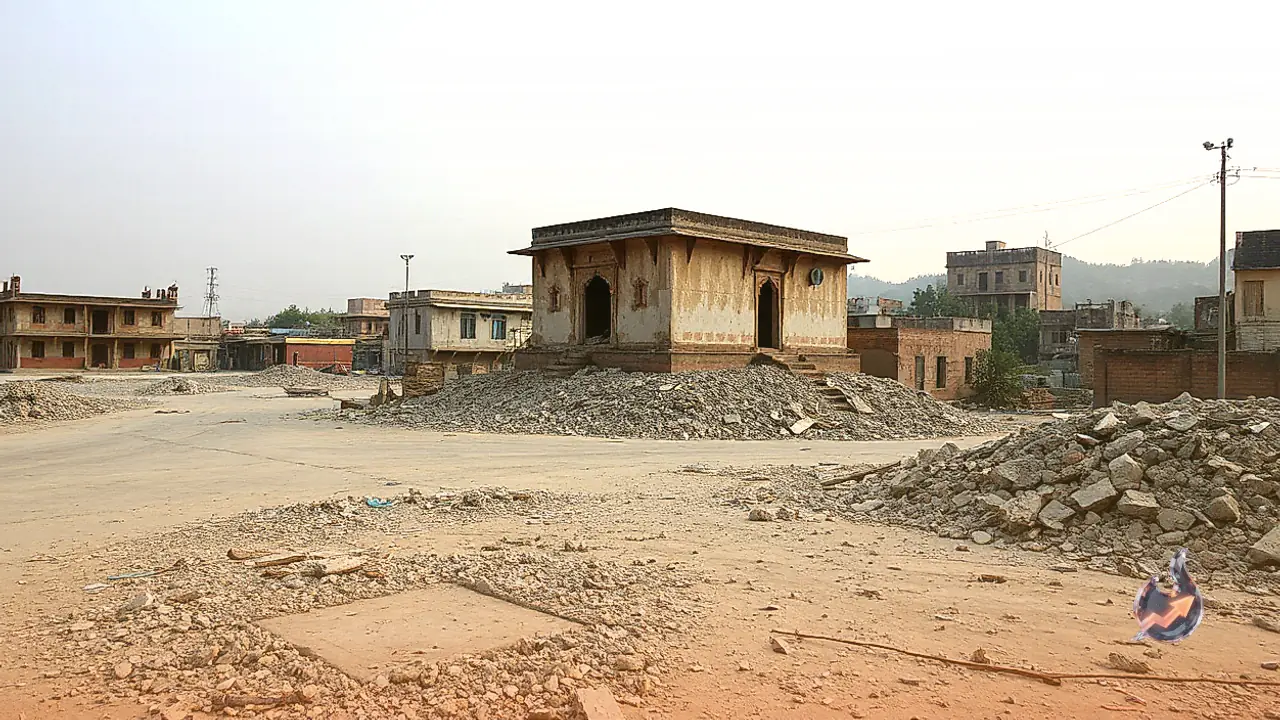
Located in the Neelum Valley of this region is the ancient Sharda Peeth, historically a prominent center of learning and a revered spiritual site. Tradition holds that local culture and script originated from this location. Today, the sacred shrine lies in a dilapidated condition, and devotees have awaited access for years.
Prospects for Integration and Current Realities
As national capability expands, discussions regarding the territory extend beyond theoretical debates, with leadership asserting that the region is an intrinsic part of the country.
Several factors highlight the evolving dynamics, including severe economic distress and political instability in the neighboring administration, causing widespread public frustration. Furthermore, the strategic location near key regional borders makes the area geopolitically vital. When local populations observe rapid infrastructure development and progress across the border, aspirations for integration naturally grow stronger.
The twenty-four empty chairs stand as enduring symbols of national pride and an unfulfilled aspiration.