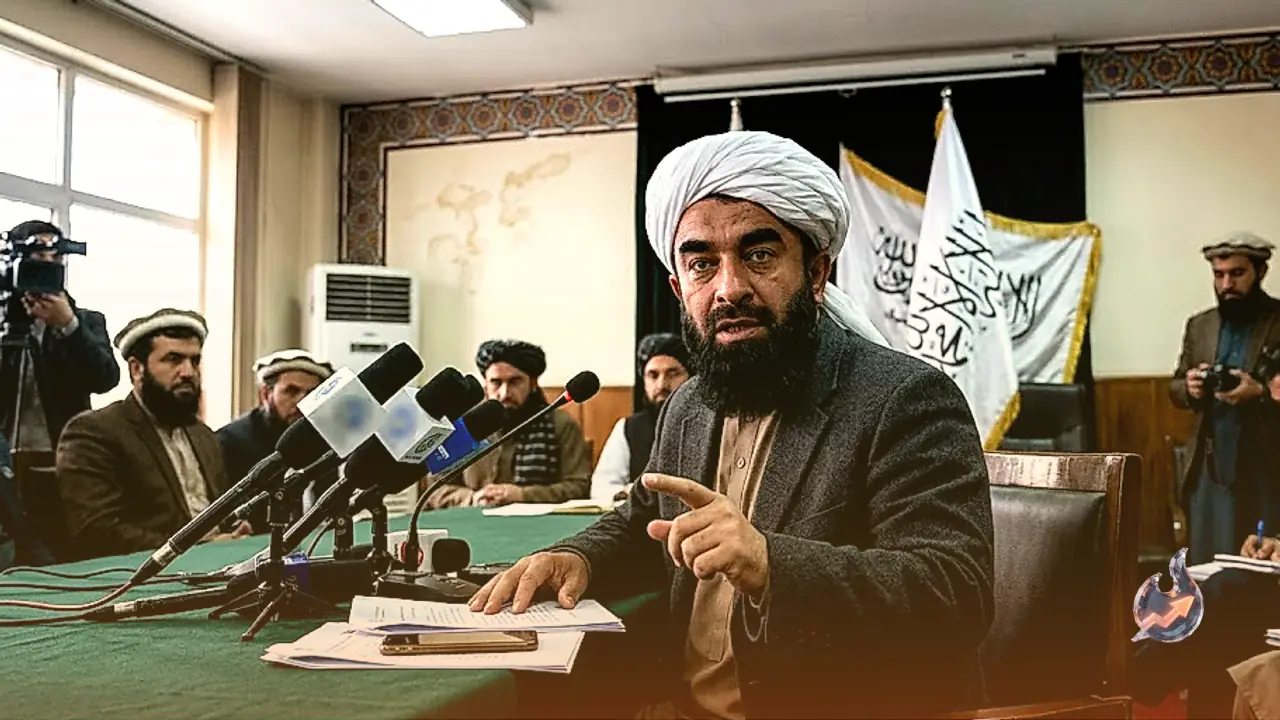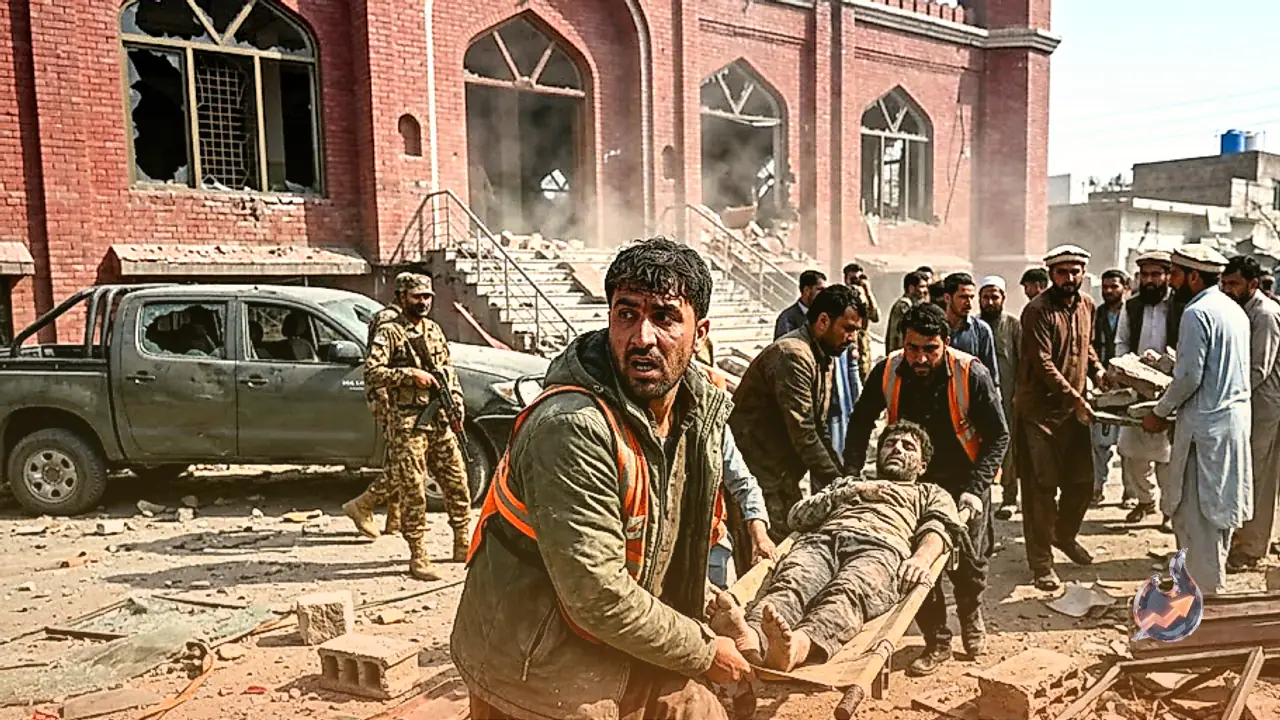






















The widening military conflict involving the United States, Israel, and Iran in West Asia has sent shockwaves through international energy markets, placing immense strain on Pakistan's fragile economic framework. Confronted by sudden price spikes and looming supply bottlenecks, the federal cabinet led by Shehbaz Sharif has instituted a sweeping package of emergency spending curbs. Designed to run for an initial period of three months, the measures aim to drastically rein in fuel consumption while mitigating severe strain across the country's electricity and natural gas distribution grids.
Single-Dish Mandate And Night Restrictions On Public Venues
In a bid to curb domestic energy demand and limit lavish public expenditures, authorities have introduced strict operating hours and catering limits on social gatherings. Wedding halls and post-marriage valima receptions are now subject to rigorous surveillance, with a mandatory single-dish policy enforced across all events to eliminate excessive food preparation and waste.
Commercial operations face tightened nighttime schedules as well. General retail markets must pull down their shutters by 9:00 PM. Wedding venues are required to conclude all proceedings by 10:00 PM, while dining establishments and restaurants must close doors by 11:00 PM. Pharmacies and diagnostic medical laboratories remain completely exempt from these timing regulations to safeguard emergency healthcare access.
Cabinet Caps Official Fuel Quotas And Halts Fleet Purchases
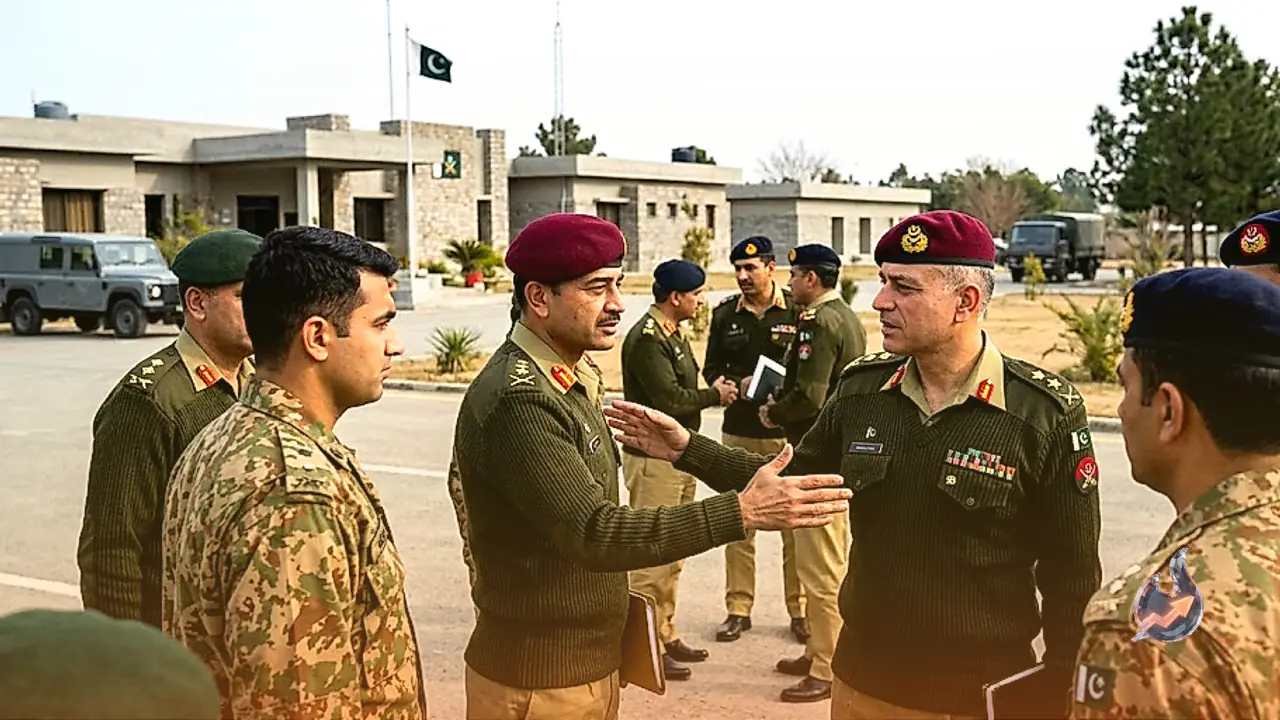
The administrative austerity measures announced on September 17 target the operational expenditure of the public sector. Fuel allowances allocated to official government vehicles have been slashed by 50 percent for the three-month duration. However, emergency services, law enforcement authorities, and the armed forces are shielded from this reduction to ensure public security and basic operations remain uninterrupted.
Fiscal consolidation plans also feature a 5 percent reduction in the non-employee related expenses (non-ERE) budget for the 2026-27 financial cycle. The government has enacted a comprehensive ban on procuring new vehicles across all state departments. Funding has been frozen for state-sponsored seminars, workshops, and conferences. Formal official dinners financed through public funds have also been prohibited, though exemptions remain in place for state banquets hosted for visiting foreign dignitaries and diplomatic delegations.
Foreign Travel Prohibitions And Shift To Virtual Coordination
Under the revised administrative protocol, public officials face an immediate moratorium on non-critical foreign visits spanning the next three months. In circumstances where overseas travel is deemed completely unavoidable, ministers and bureaucrats must travel strictly in economy class. Domestic travel intended for inter-departmental meetings has similarly been disallowed.
Public institutions have been instructed to conduct routine administrative discussions and inter-ministerial meetings exclusively through virtual conferencing platforms. By curtailing travel per diems and hospitality outlays, the administration hopes to minimize the outflow of foreign currency reserves and unproductive state expenditures.
Sharp Retail Price Increases For Domestic Petroleum
The implementation of austerity directives follows a steep upward revision in domestic fuel prices executed on September 15. The federal administration raised the retail price of petrol by 4.10 Pakistani rupees per liter and high-speed diesel (HSD) by 6.41 Pakistani rupees per liter. These adjustments pushed the pump price of petrol to 384.34 Pakistani rupees per liter, while high-speed diesel rose to 415.83 Pakistani rupees per liter.
These sharp price adjustments have aggravated transport costs across the board. The Pakistani economy is currently functioning under an 8 billion dollar loan program from the International Monetary Fund (IMF), with domestic inflation hovering above 11 percent, leaving the treasury vulnerable to external commodity shocks.
Vulnerabilities Linked To Middle Eastern Energy Infrastructure
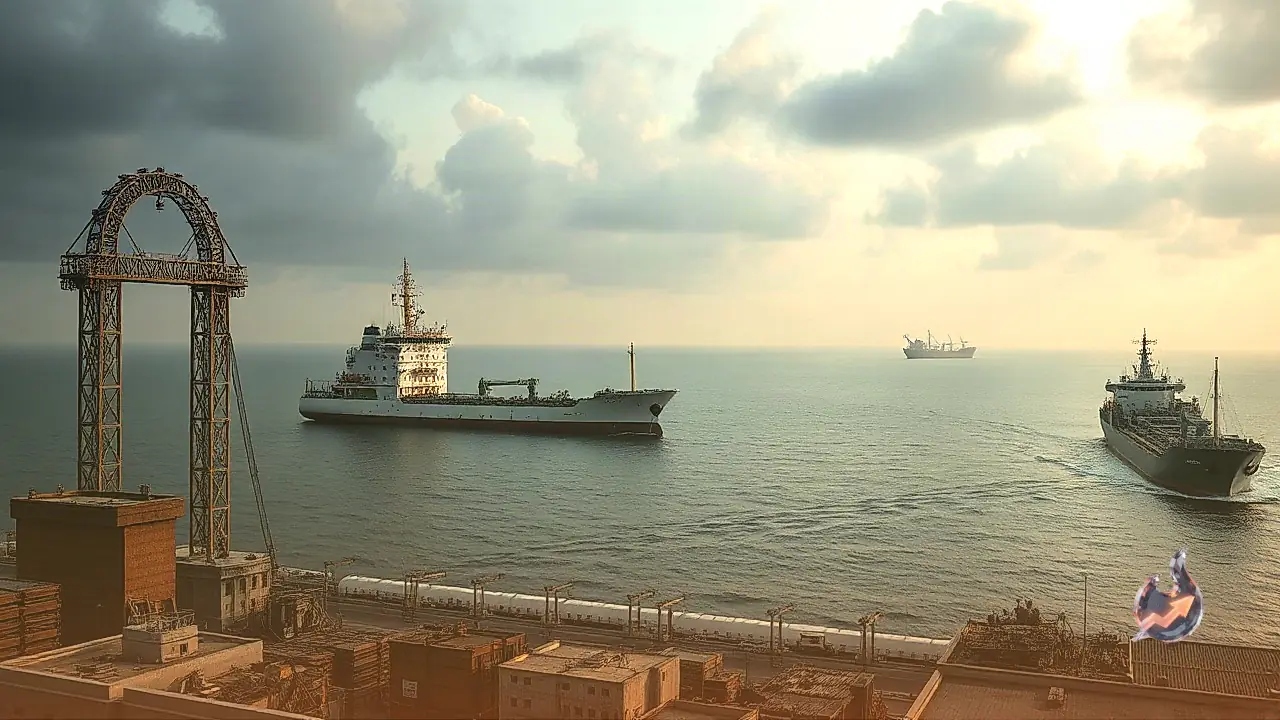
The underlying catalyst for these emergency measures stems from direct threats to critical energy infrastructure in the Middle East. Global oil supply stability was severely shaken after aerial bombardments hit Saudi Arabia's East-West Oil Pipeline, prompting a temporary operational shutdown of the transit network.
Heightened geopolitical friction in the Gulf region has exposed Pakistan's heavy dependence on imported energy. With foreign currency reserves constrained, the government has been forced to mandate domestic rationing and administrative restrictions to prevent a total breakdown in external liquidity.