


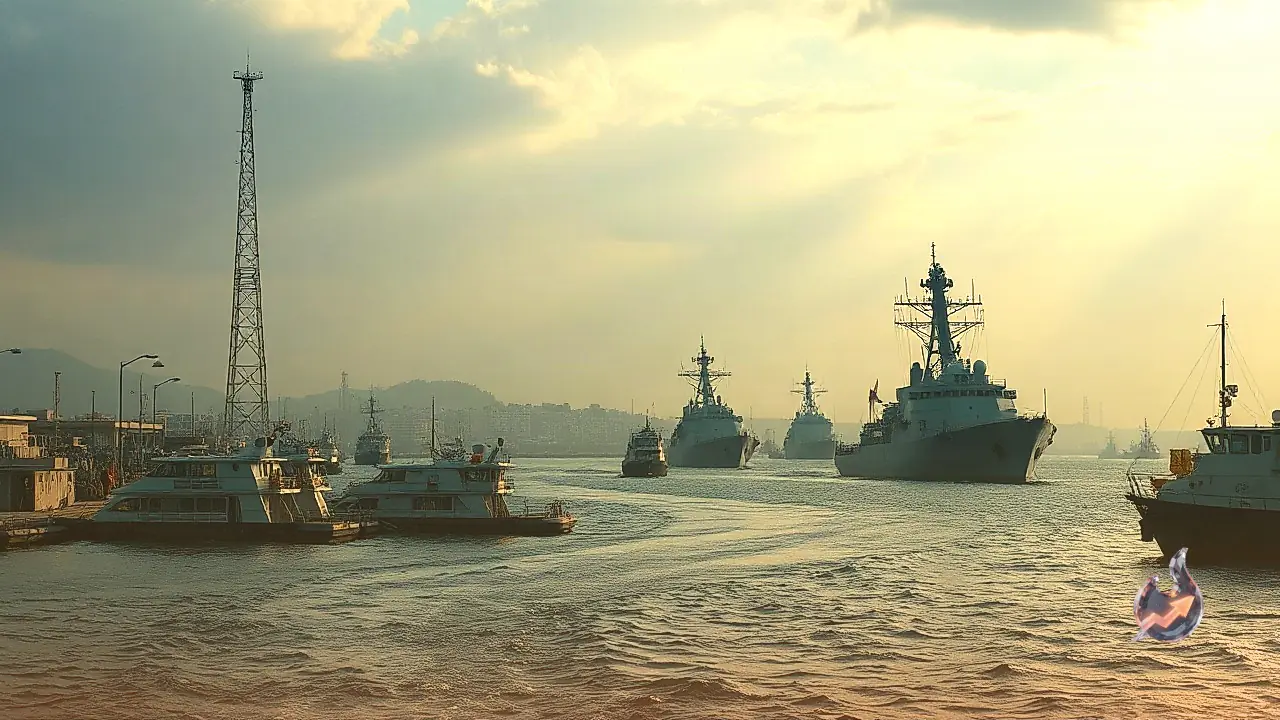




















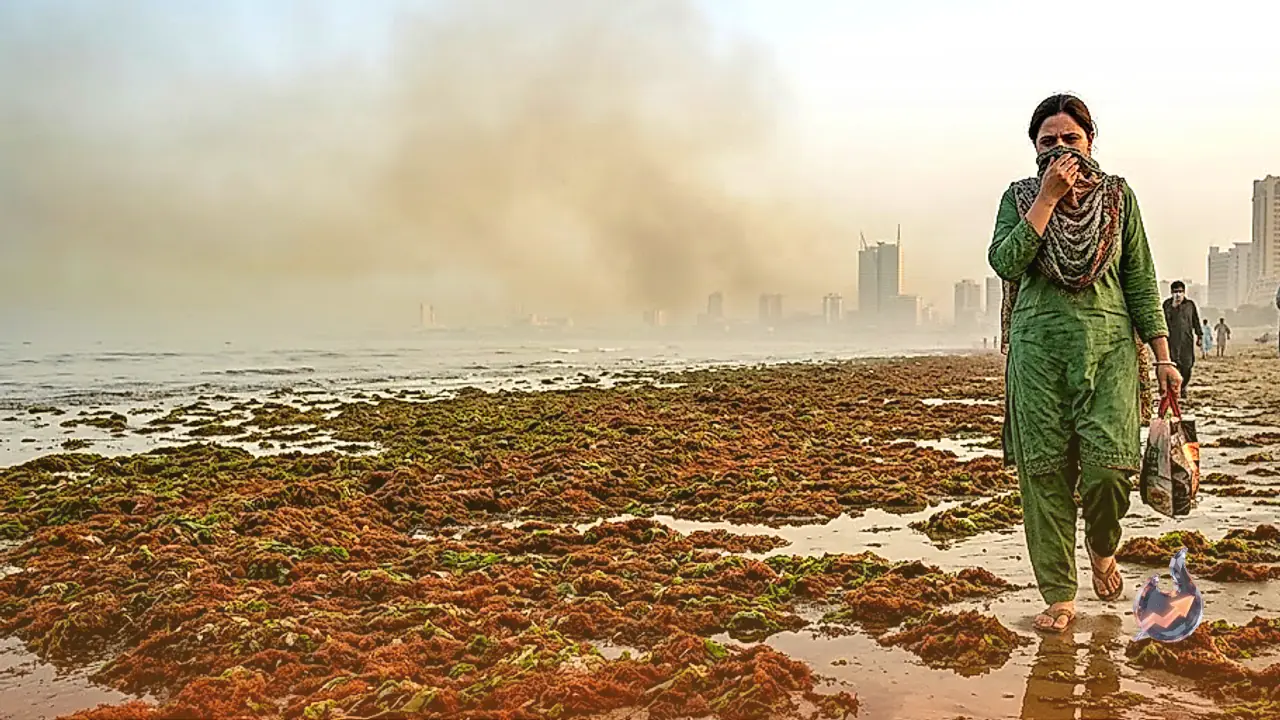

Residents across the coastal metropolis of Karachi awoke to an overwhelming, nauseating stench that rapidly blanketed residential districts bordering the Arabian Sea. Early risers and seaside communities described an acrid odour strongly reminiscent of decaying fish, which permeated closed rooms and made normal breathing deeply uncomfortable. Within hours, the noxious air drifted far beyond the shoreline into dense urban sectors, triggering widespread alarm and frantic public speculation regarding the exact origin of the atmospheric anomaly.
Marine Biologists Identify Decomposing Phytoplankton as Primary Source
Scientific evaluations quickly identified the natural decay of vast oceanic phytoplankton blooms as the fundamental culprit behind the sharp odour. These microscopic marine organisms, completely invisible to the unassisted eye, represent a cornerstone of the marine food web. WWF-Pakistan marine resource adviser Muhammad Moazzam Khan explained that elevated nutrient runoff during monsoon months fuels exponential growth in local phytoplankton populations.
As the monsoon system winds down in mid-September, oceanic dynamics and water conditions shift abruptly, triggering massive die-offs among these microalgae colonies. The subsequent biological decomposition of huge biomass volumes generates concentrated, unpleasant organic gases that rise off the waves and are carried ashore. Muhammad Moazzam Khan noted that these microorganisms occupy the top 100 metres of the sea where sunlight penetrates, which makes their surface degradation immediately perceptible along coastal settlements, adding that the phenomenon remains a known natural occurrence that typically dissipates over a span of several days.
Atmospheric Pressure System and Smog Trap Odours Across Karachi
While biological decay supplied the stench, adverse meteorological mechanisms were instrumental in locking the foul air directly over the metropolitan center. Anjum Nazir Zaigham of the Pakistan Meteorological Department and climate change specialist Fatima Yamin pointed out that regional air movements exacerbated the crisis. According to Fatima Yamin, a low-pressure formation centered near the coast of Jamnagar in India severely disrupted customary wind trajectories surrounding Karachi.
Prevailing southeastern air currents pushed maritime emissions inland, where they collided with an already dense shroud of urban particulate smog. This convergence caused the foul-smelling air parcel to swirl stagnantly over various sectors without dispersing. Meteorological spokesperson Anjum Nazir Zaigham indicated that normal wind circulation patterns and freshening sea breezes later in the evening were expected to gradually dilute the atmospheric concentrations and improve air freshness.
Precedents and Health Precautions for Sensitive Residents
Karachi has experienced similar environmental episodes in the recent past, demonstrating that such maritime events follow cyclical seasonal fluctuations. During October 2024, widespread reports of offensive stenches emerged across prominent districts including Clifton, DHA, Korangi, and Saddar, causing notable public unease across business and residential quarters alike.
Regarding physiological risks, ecological specialist Rafiullah had noted during past occurrences that concrete scientific evidence linking this organic smell to severe systemic toxicity remains absent. Nevertheless, extended inhalation of dusty, stagnant air laced with decaying organic matter can aggravate sinus irritation, cause headaches, and trigger respiratory discomfort among vulnerable individuals. Health authorities recommend that residents experiencing bronchial sensitivity take precautionary measures and stay indoors until coastal winds effectively flush the metropolitan basin.