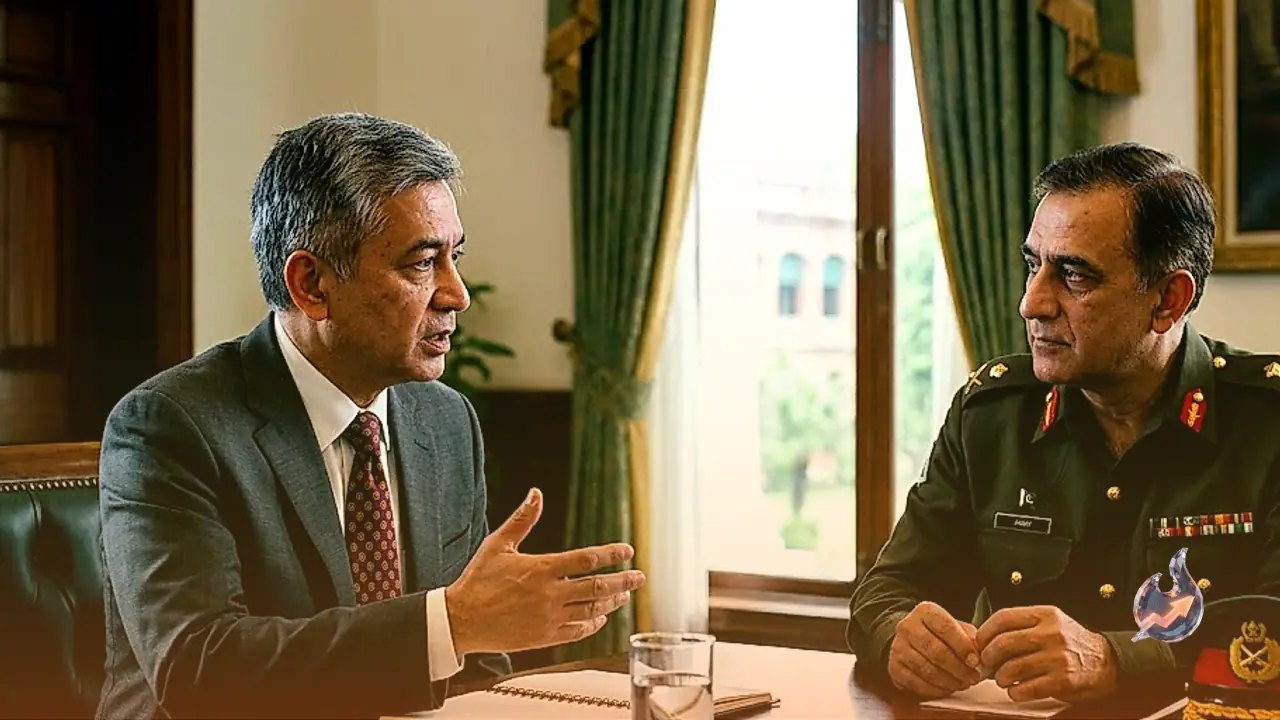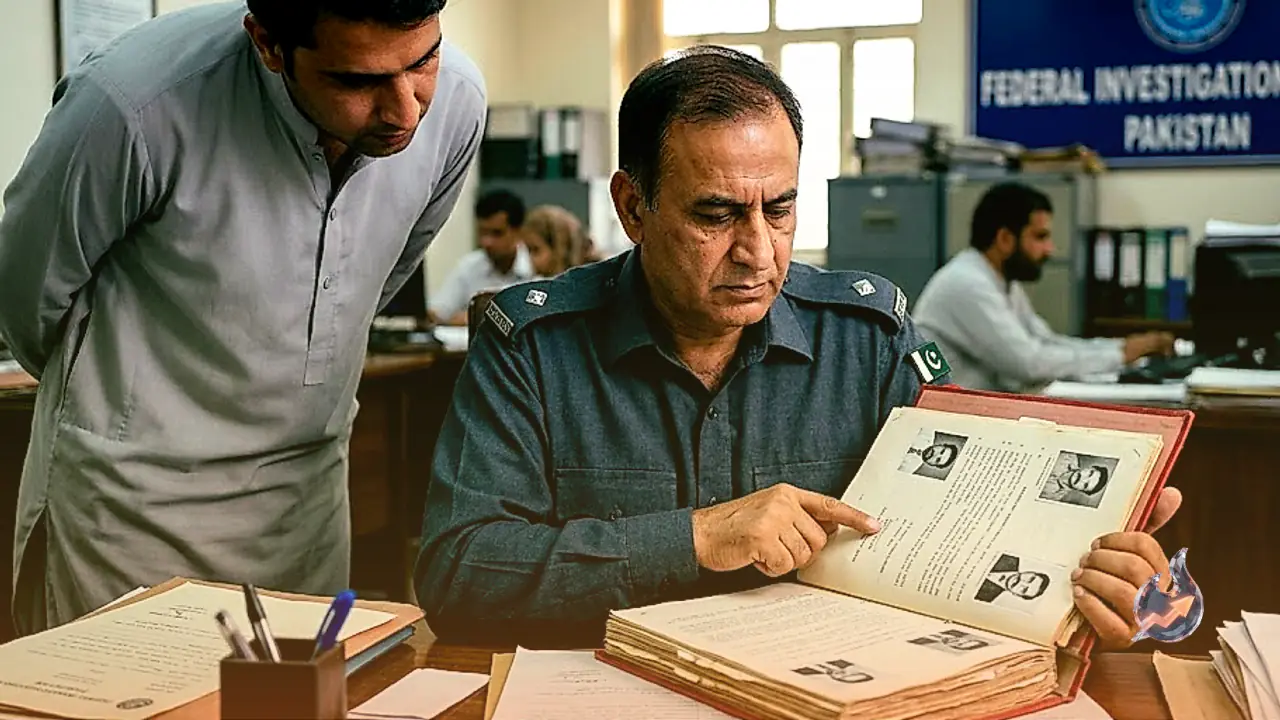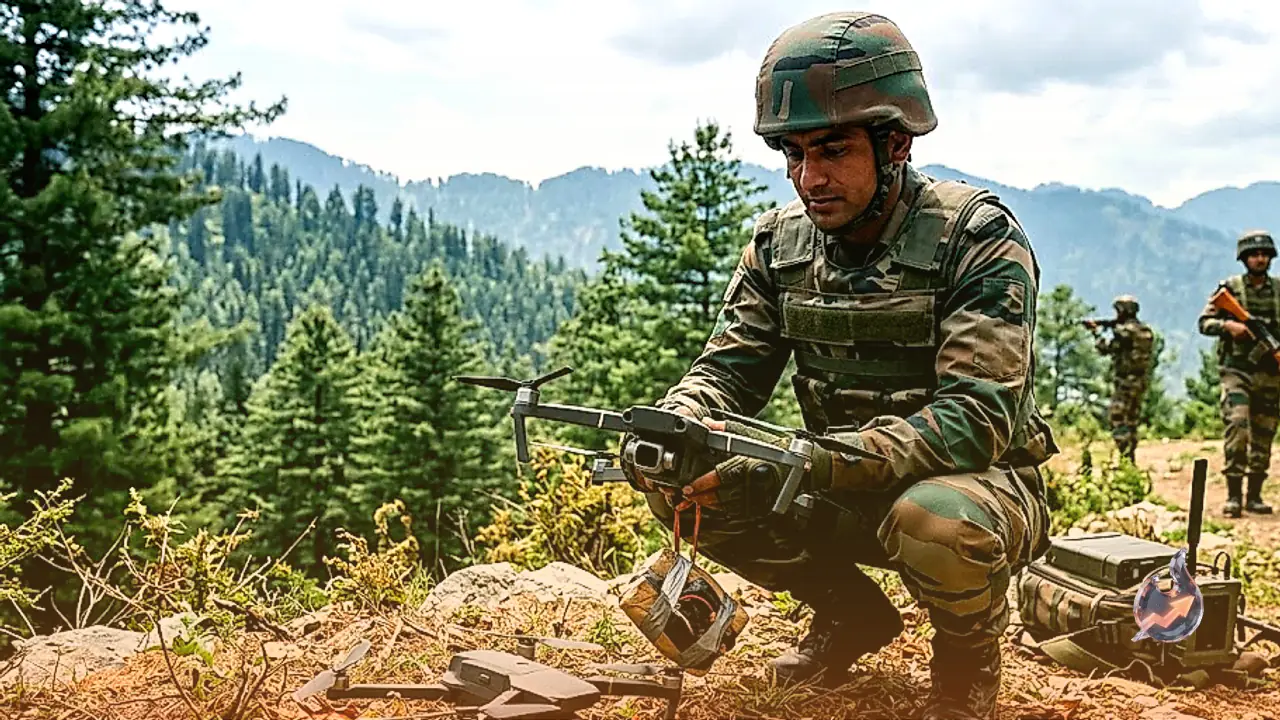






















Pakistan's federal capital is heading toward another major political showdown on September 27. The development comes as former Prime Minister Imran Khan completed three full years behind bars, prompting his party, Pakistan Tehreek-e-Insaf, to call for a massive march on Islamabad. In response, Prime Minister Shehbaz Sharif's administration has mobilized its entire administrative and security apparatus to thwart the demonstration. Security forces have been placed on high alert, heavy police contingents are taking positions across the capital, and Section 144 has been enforced throughout Punjab province to prohibit public assemblies. Authorities view the upcoming rally not as a routine political protest, but as a severe test for national security and the rule of law.
Capital Fortified with 1,000 Shipping Containers and 23,500 Extra Police Personnel
Anticipating large crowds, the local administration has requested an additional deployment of 23,500 police personnel to safeguard the capital. Alongside manpower, authorities have brought in around 1,000 heavy shipping containers to seal off key transit corridors, sensitive intersections, and the high-security Red Zone. These barricades are designed to prevent demonstrators from gaining access to core state institutions.
The extensive preparations stem directly from memories of widespread unrest witnessed during protests in 2022 and 2024, when public infrastructure suffered extensive damage. The area surrounding D-Chowk had previously become the flashpoint for arson and clashes with law enforcement personnel. Addressing the Islamabad High Court during proceedings, the Advocate General for Islamabad candidly noted that the administration's physical capacity to directly block an uncontrolled surge of people in the streets remains limited. Determined to avoid a complete breakdown of civic order, the government has opted for pre-emptive, comprehensive barricading across all entry points.
No Blocking of Highways and Hospitals, Islamabad High Court Issues Strict Directives
Hearing a petition filed regarding the impending demonstration, the Islamabad High Court took a firm stance against disruptions to public life. A bench led by Chief Justice Sardar Muhammad Sarfraz Dogar disposed of the matter while issuing binding directions to all provincial chief ministers.
The court explicitly stated that no political party holds the legal right to shut down public roadways, toll plazas, or essential transit routes leading to medical facilities. Furthermore, the judicial bench declared that state machinery, official funding, and government transport cannot be deployed to facilitate any protest march. Chief Justice Dogar's bench warned that compelling public servants or government employees to take part in political rallies amounts to a direct breach of the country's constitution.
Crackdown in Punjab Sees 30 Key Activists Detained in Rawalpindi
Well before party loyalists could embark on their journey toward Islamabad, law enforcement agencies initiated preemptive arrests across Punjab. Police units carried out coordinated raids targeting party office-bearers and grass-roots workers. In Rawalpindi, the district administration slapped preventive detention orders on 30 prominent party activists to curb mobilization efforts.
Provincial authorities defended the crackdowns as a necessary safeguard to preserve public order and counteract emerging terror threats. Conversely, party leaders condemned the raids as an assault on basic democratic norms, accusing the ruling coalition of using brute police power to suppress the constitutional right to peaceful assembly.
Deadlock Over Imran Khan's Release and Standoff Looming Large
Party leaders maintain that the September 27 demonstration is essential to secure justice for their imprisoned leader and to protect Pakistan's constitutional framework. The government, however, rejects this premise, countering that a convicted prisoner serving a judicial sentence cannot be freed through street protests and mob pressure. Officials argued that if the opposition seeks to challenge the sitting government, the legitimate forum is the floor of parliament through a formal no-confidence motion.
Adding another administrative dimension to the situation, the police chief of Khyber Pakhtunkhwa submitted a formal affidavit before the court pledging full cooperation in curtailing unlawful activities. With neither side willing to back down, Islamabad appears firmly set for a tense political confrontation as September 27 draws near.