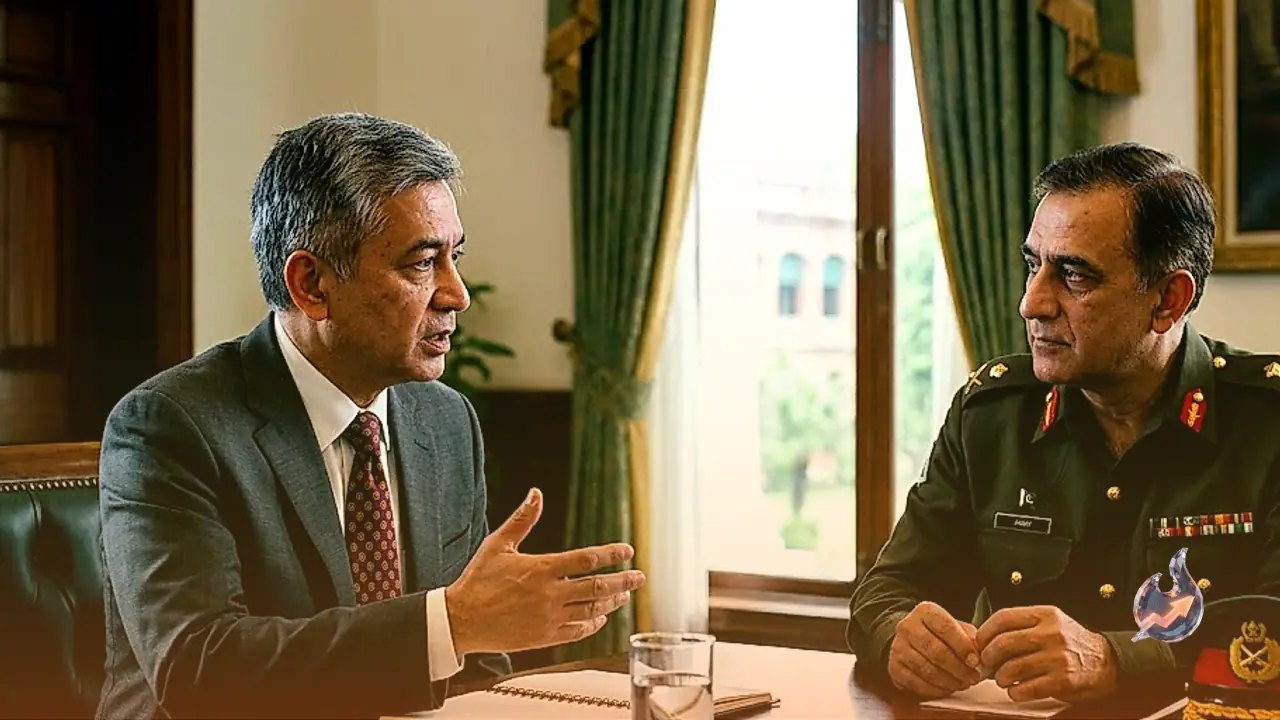






















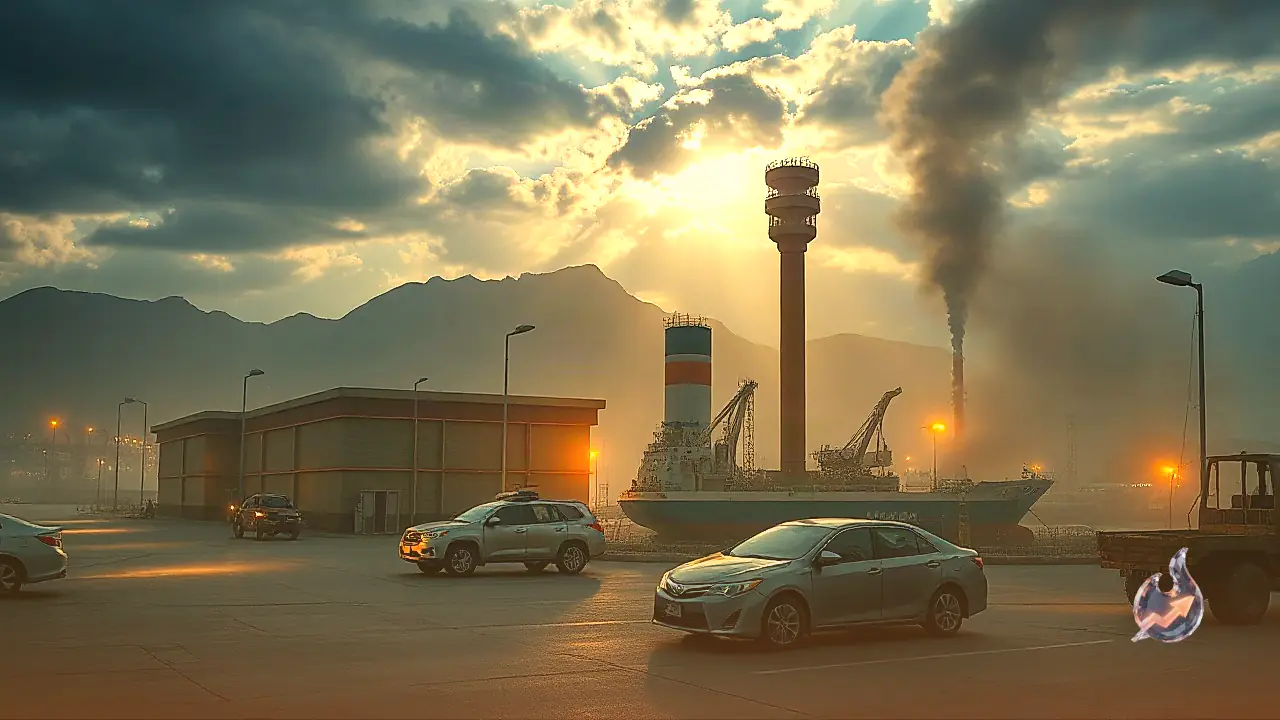

Mounting geopolitical hostilities across the Middle East, punctuated by escalating conflict involving Iran and the United States, have plunged Pakistan's national energy security into immediate jeopardy. A sharp rise in crude oil rates across international markets is exerting direct and severe strain on the country's foreign currency reserves, which are already operating under prolonged economic distress. In a bid to curtail domestic fuel usage and prevent an unsustainable escalation in state expenditure, the administration of Prime Minister Shehbaz Sharif is currently evaluating the nationwide rollout of a petroleum smart lockdown.
Four-Day Working Schedule and Three-Day Weekend Blueprint
During a high-level review chaired by Prime Minister Shehbaz Sharif, senior policymakers deliberated on several structural interventions designed to lower daily energy usage. Among the core measures put forward is an initiative to institute a four-day workweek covering both public sector administrative bodies and private sector enterprises. Under this framework, workplaces would observe three consecutive days of rest running from Friday through Sunday. Officials project that shutting down regular operations for three full days each week will substantially thin traffic density on arterial roadways, lower demand across urban transit networks, and trigger an immediate drop in retail petrol and diesel consumption.
Rotational Attendance Structure for Public Offices
To reduce commuting overheads without completely halting public administrative services, the proposed strategy includes a rotational attendance system across state institutions. Under this setup, a designated proportion of the civil workforce would perform duties remotely from home on assigned days, eliminating the mandate for every employee to be physically present in government offices daily. By staggering physical attendance, authorities aim to curb routine vehicular travel and conserve substantial volumes of automotive fuel used during peak commuting hours.
Early Closures for Commercial Hubs and Retail Outlets
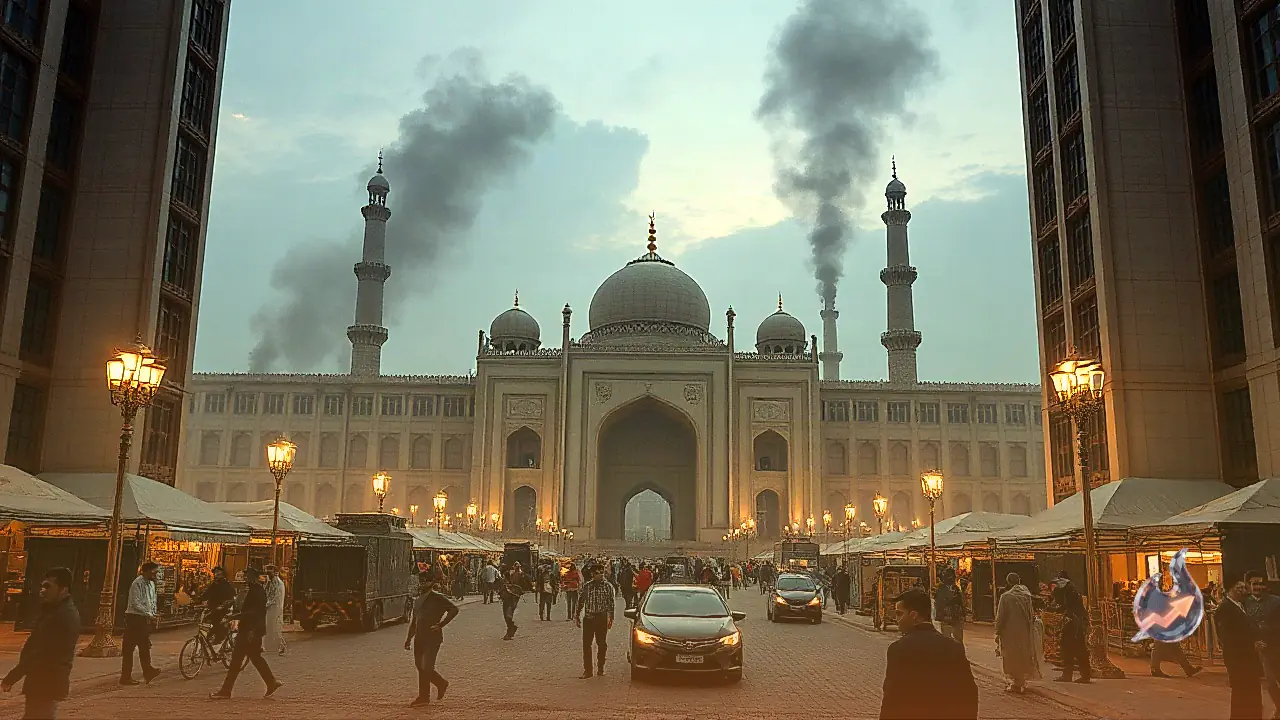
Commercial activity is likewise slated for operational adjustments under the energy conservation draft. The proposal recommends mandatory early evening closures for conventional bazaars, retail shopping malls, and event venues across major cities. This intervention is structured not merely to lower nighttime road congestion and personal transport usage, but also to significantly curb the indirect consumption of electricity and power generation fuels required to keep expansive commercial complexes functioning late into the evening.
Restricting Official Vehicle Fleets and Bureaucratic Travel
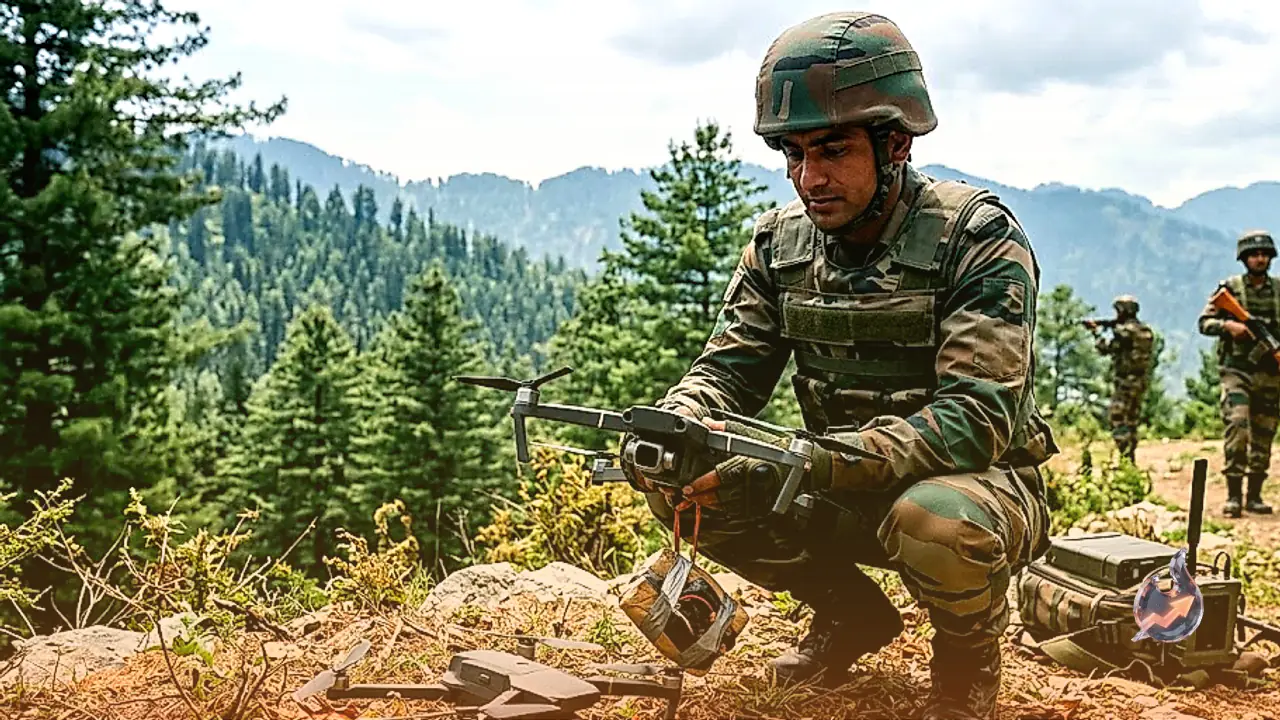
The federal apparatus is moving to apply austerity standards to its own operational resources. Administrative plans contemplate grounding up to 50 percent of the state's vehicle fleet, removing those automobiles from active service for the duration of the crunch. Furthermore, non-essential official travel faces outright suspension, alongside targeted reductions in vehicle perks and fuel allocations previously granted to bureaucratic personnel for administrative tours.
Inflation Pressures and Economic Shielding Measures
Steep international petroleum price spikes threaten to compound Pakistan's domestic economic headwinds by triggering widespread cost-push inflation. Any sustained escalation in transport energy expenses inevitably bleeds into the distribution costs of food items and essential consumer goods, placing additional burdens on households. Because the state is already grappling with balance-of-payments pressures and thin reserves, these proposed interventions are seen as defensive buffers against external trade shocks. Decision-makers have emphasized that the goal is not to bring productive economic sectors to a standstill, but rather to compress discretionary fuel demand and conserve valuable foreign exchange amidst Middle Eastern supply vulnerabilities.