




















August 15 is much more than a day for hoisting the national tricolor and singing patriotic anthems. It presents a vital opportunity for parents to teach children the underlying meaning of freedom, civic duties, and social responsibilities. Cultivating patriotic values and respect for the nation from an early age helps shape children into conscious, empathetic, and responsible citizens. By connecting young minds with India's history and democratic principles, parents can instill a lasting sense of pride in their national identity. Here are ten essential lessons that every parent should share with their children this Independence Day to build strong character and civic awareness.
Understanding the Sacrifices of Freedom Fighters
Children must understand that the freedom enjoyed today was earned through long struggle and immense sacrifices. Parents should share inspiring stories of national figures such as Mahatma Gandhi, Bhagat Singh, Subhash Chandra Bose, Sardar Patel, and Rani Lakshmibai. Hearing about Mahatma Gandhi's commitment to truth and non-violence, Bhagat Singh's courage, Subhash Chandra Bose's revolutionary leadership, Sardar Patel's push for national integration, and Rani Lakshmibai's bravery helps children grasp the true cost of independence and fosters genuine respect for historical heroes.
Honoring the National Tricolor and Its Symbols
The national flag is not merely a piece of cloth with three colors; it represents the sovereignty and dignity of the nation. Parents should explain the significance of each band, saffron representing courage and sacrifice, white denoting peace and truth, and green symbolizing growth and prosperity. Furthermore, the 24-spoke Ashok Chakra at the center serves as a reminder of continuous progress. Children ought to learn how to handle the national flag with utmost respect and stand at attention during flag hoisting ceremonies.
Celebrating Diversity as India's Greatest Strength
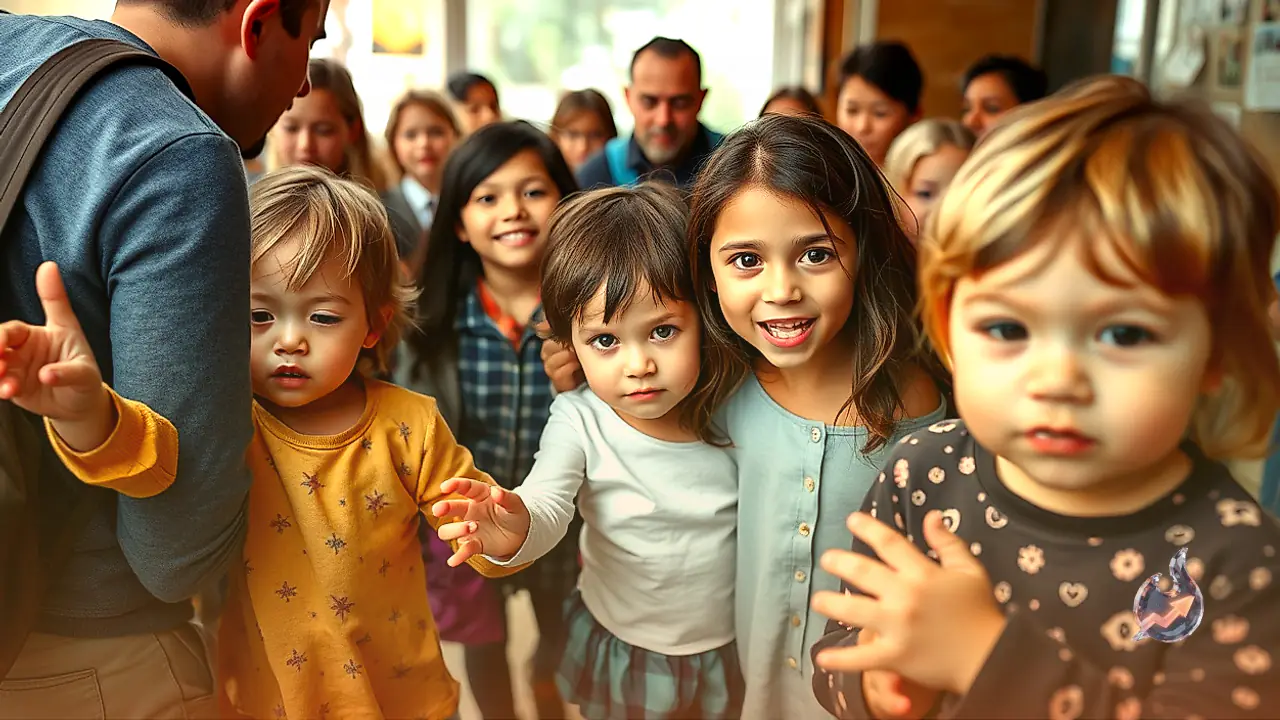
India is renowned worldwide for its vast linguistic, cultural, and geographical diversity. Different states feature distinct languages, cuisines, attire, and traditions. Children must learn that these differences are not divisions, but rather the core strength of the nation. Despite varied backgrounds, all citizens belong to one unified country. Respecting every culture and embracing diversity is fundamental to understanding what makes India unique.
Grasping the Constitution, Rights, and Responsibilities
Explaining the Constitution in simple terms helps children realize that along with fundamental rights, every citizen carries fundamental duties. A responsible citizen respects the rule of law, honors the rights of others, and protects public property. Teaching children that freedom operates within a framework of mutual respect and legal boundaries prepares them to be upright members of society.
Practicing Everyday Patriotism Beyond Ceremonies
True patriotism extends far beyond shouting slogans on August 15 or January 26. Children should learn that patriotism manifests in daily actions and personal discipline. Studying with dedication, maintaining cleanliness in public spaces, obeying traffic regulations, and helping those in need are all tangible ways to demonstrate love for the country. Every small act of civic responsibility contributes directly to nation building.
Expressing Gratitude to the Armed Forces
A deep sense of gratitude toward soldiers guarding national borders is an essential component of patriotic education. Armed forces personnel remain stationed in extreme weather conditions and hostile terrains to safeguard the nation. Educating children about the sacrifices made by soldiers and their families teaches them to honor those who serve and protect the country.
Protecting the Environment and Natural Resources
Parents must help children realize that a nation is not defined solely by geographic borders or land. Rivers, mountains, forests, wildlife, and natural ecosystems constitute a precious national heritage. Conserving water, planting trees, reducing waste, and preventing pollution are direct duties owed to the country. Protecting the environment reflects a commitment to preserving the nation's future.
Rejecting Discrimination and Promoting Unity
Instilling values of equality and brotherhood early in life is critical. Children should be taught never to discriminate against anyone based on caste, language, region, or economic background. Treating every individual with dignity and fairness reinforces social harmony, which remains India's greatest foundation.
Connecting with Rich History, Art, and Culture
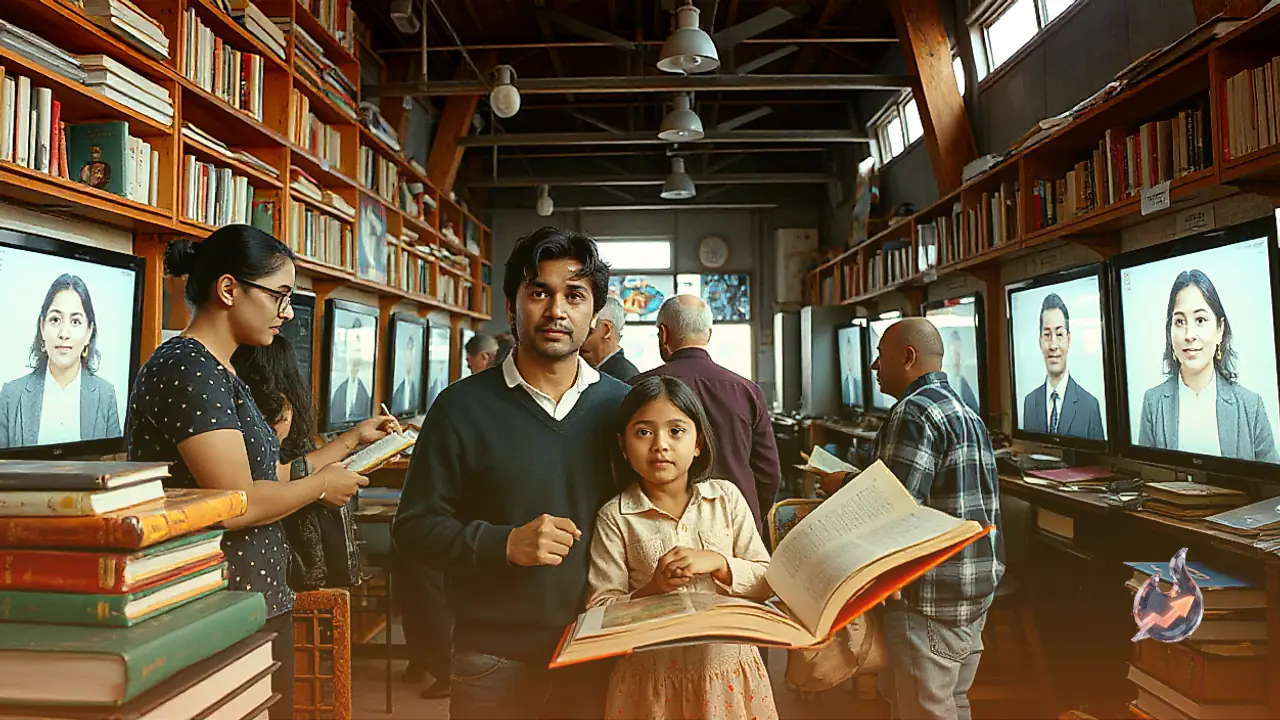
Introducing children to Indian history, folklore, classical and folk arts, literature, and regional traditions instills an organic sense of pride. When children understand the depth of their cultural inheritance, they develop self-assurance and a grounded appreciation for their heritage, aiding their overall character development.
Recognizing Children as the Nation's Future
The most crucial takeaway for children is realizing that they hold the key to the nation's future. The values, education, and work ethic they develop today will determine the country's trajectory tomorrow. Through hard work, scientific curiosity, integrity, and empathy, young minds can drive positive change and elevate the nation.