




















Israel is bracing for a high-stakes general election scheduled for October 27, drawing intense global attention as security policies and military strategies remain central issues. Voters will decide whether to grant Prime Minister Benjamin Netanyahu another term or steer the nation toward a political transition. Recent polling indicates a tight race between Netanyahu's nationalist Likud party and the centrist Yashar! party led by his principal challenger Gadi Eisenkot.
Government Formation Mechanics in Israel
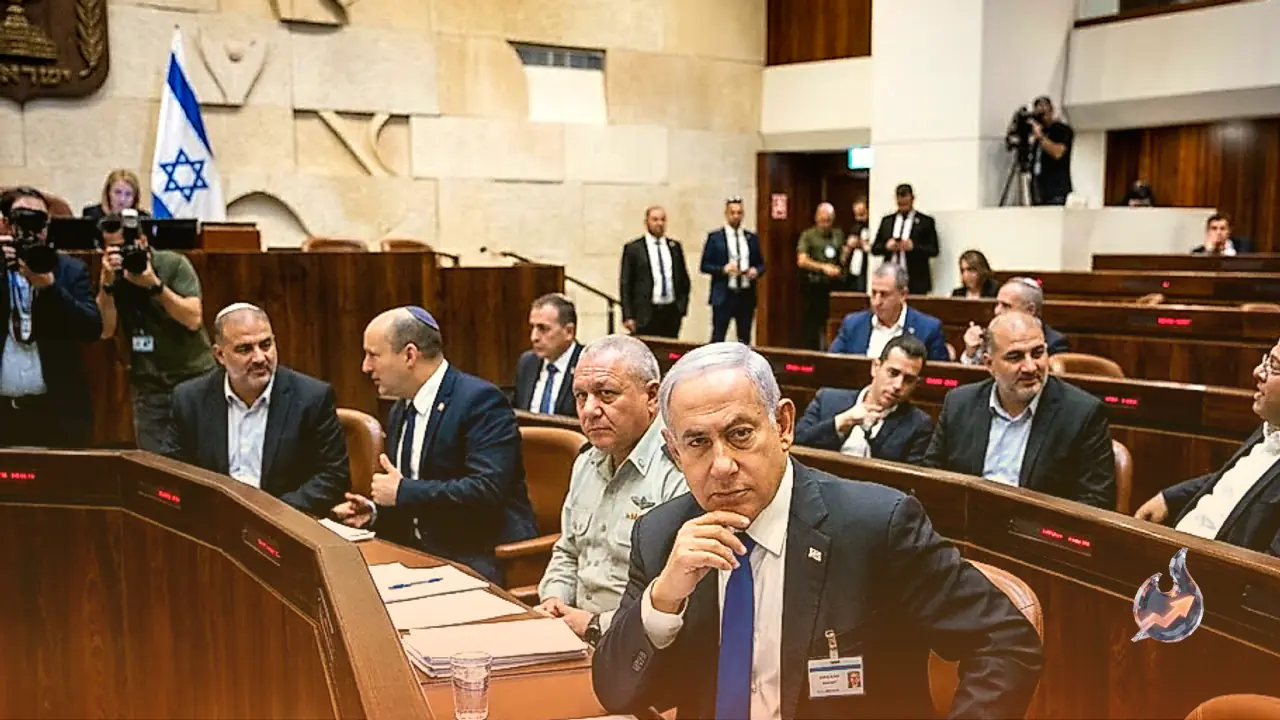
Voters in Israel do not cast direct ballots for the prime minister; instead, they vote for political parties that subsequently form governing coalitions. The country's 120-seat parliament is known as the Knesset. Because no single party has ever secured an outright majority on its own, post-election alliances and negotiations play a decisive role in shaping the government. Inter-party agreements will once again dictate the political direction following the upcoming vote.
Benjamin Netanyahu's Tenure and Political Standing
At 77 years of age, Benjamin Netanyahu is Israel's longest-serving prime minister and heads the Likud party. Despite enduring prolonged political crises, controversies, and the fallout from the October 7, 2023 attacks, he has consistently maintained his bid to stay in power. His supporters emphasize his extensive record on national security and economic management. Furthermore, his close ties with United States President Donald Trump and Trump's backing remain significant assets for his base.
Security Failures and Legal Challenges
Critics of Netanyahu argue that he bears responsibility for the intelligence and security lapses preceding the October 7 attacks, while also questioning his conduct of the ongoing conflict. In 2024, the International Criminal Court issued arrest warrants for Netanyahu concerning alleged war crimes and crimes against humanity. Additionally, he faces long-running domestic corruption trials involving fraud, breach of trust, and bribery, all of which he has consistently denied.
Gadi Eisenkot and the Rise of Centrist Opposition
Gadi Eisenkot, 66, is a former military chief of staff born to Moroccan Jewish immigrant parents in a working-class household. Having served in the armed forces for nearly four decades, he entered politics in 2022 and now leads the centrist Yashar! party, described as the largest opposition faction. His public profile was deeply touched when his son and two nephews were killed during the fighting in Gaza following the October 7 attacks.
Strategic Differences on Military Doctrine
Eisenkot briefly served as an observer in Netanyahu's war cabinet before resigning after roughly eight months due to deep disagreements over the administration's lack of a clear post-war strategy. Credited with formulating Israel's Dahie doctrine, which involves heavy military force in areas hosting combatants, Eisenkot has positioned himself as a moderate alternative. If successful in forming a coalition, he could become Israel's first prime minister of Mizrahi descent.
Naftali Bennett and the Right-Wing Coalition
Naftali Bennett, 54, is a right-wing, religiously observant politician co-leading the joint electoral alliance Beyachad alongside centrist Yair Lapid. Bennett opposes Palestinian statehood and supports Jewish settlement expansion in the occupied West Bank. Prior to entering the Knesset in 2013, he served as Netanyahu's chief of staff. He previously led the Yesha Council and headed the Yamina party, whose seats enabled him to form a diverse coalition government in 2021 before stepping down.
Itamar Ben-Gvir and Hardline Nationalism
Itamar Ben-Gvir, 50, serves as Israel's national security minister and leads the ultra-nationalist Otzma Yehudit party. Known for his inflammatory rhetoric, he has past convictions including support for a terrorist organization. A lawyer by training, Ben-Gvir initially gained prominence representing right-wing extremists accused of violence against Palestinians. He has endorsed plans for the voluntary departure of roughly two million Palestinians from Gaza and the revival of Jewish settlements there.
Mansour Abbas and Arab Community Representation
Mansour Abbas, 52, is a Palestinian-Arab Israeli dentist from northern Israel who leads the Islamist Ra'am party. In 2021, his faction became the first Arab-led party to join an Israeli governing coalition. Abbas focuses primarily on domestic issues such as curbing crime within Arab communities rather than dominating the broader Israeli-Palestinian conflict, aiming to maximize parliamentary leverage. He included former police commander Yoav Segalovitz in the second spot on Ra'am's electoral list to broaden appeal.
Conclusion and the Significance of the Vote
The upcoming Israeli election extends far beyond choosing a prime minister, as it will determine national security policy, military strategy in Gaza, and the broader trajectory of domestic governance. While Netanyahu's supporters rely on his seasoned leadership, his rivals continue to press issues regarding wartime management and security preparedness.