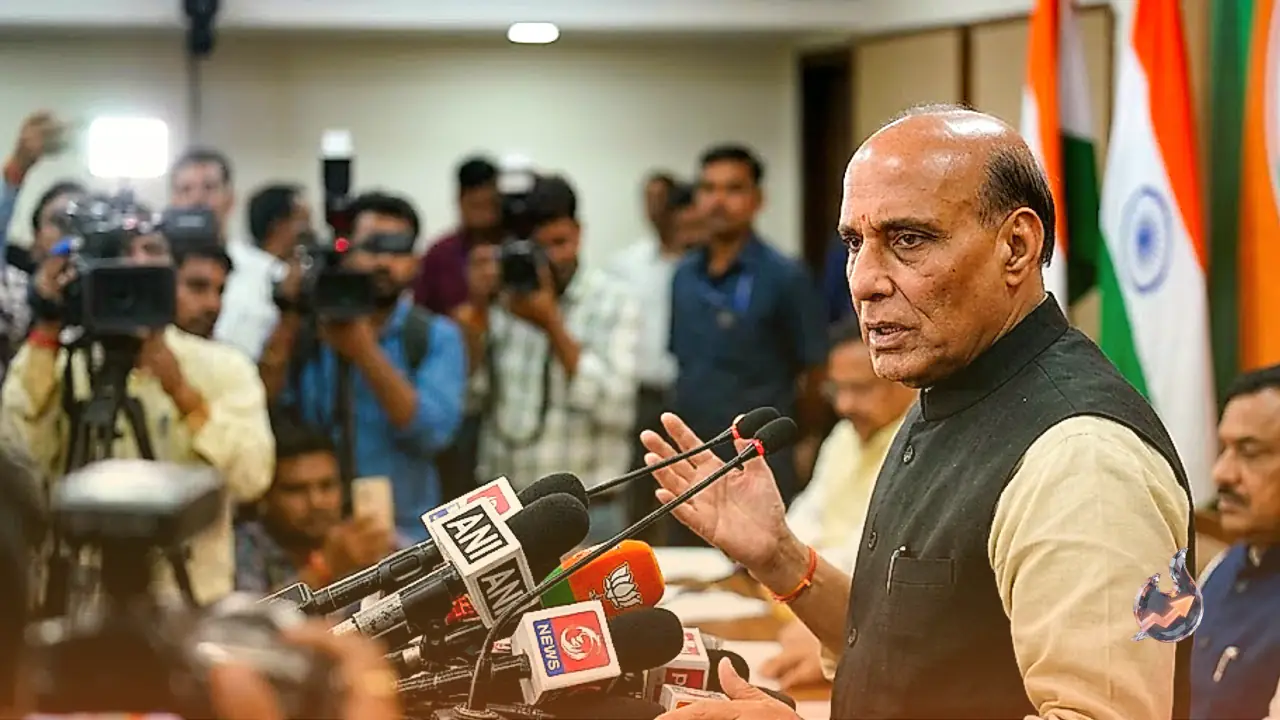





















Madhya Pradesh has become the first state in the country to appoint non-Muslim members to its state Waqf Board, and the decision taken by the Mohan Yadav government has set off a political storm across the state. After recent changes were made to the Waqf Act, the Madhya Pradesh government reconstituted the state Waqf Board and, for the first time anywhere in India, appointed two Hindu, that is non-Muslim, members to it. While several people have welcomed the government's move, Muslim organisations and the main opposition party in the state, Congress, have launched a sharp protest against it.
Slogans and demonstrations on Bhopal's streets
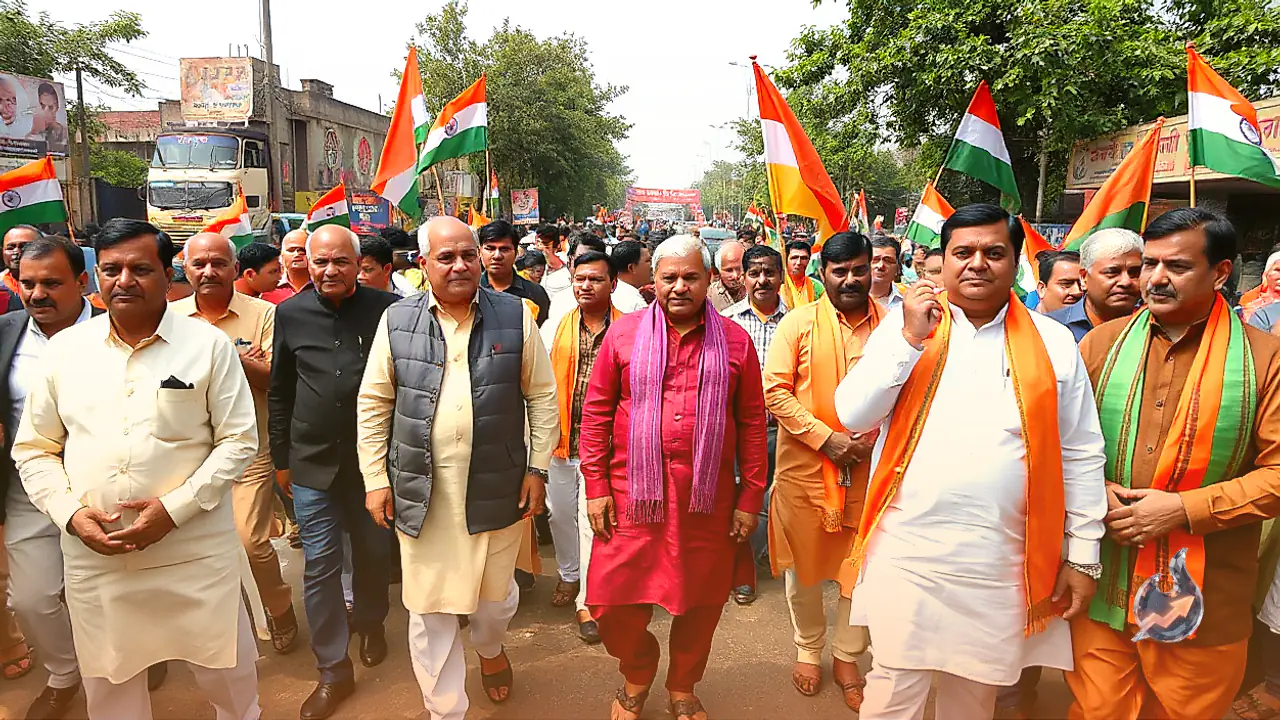
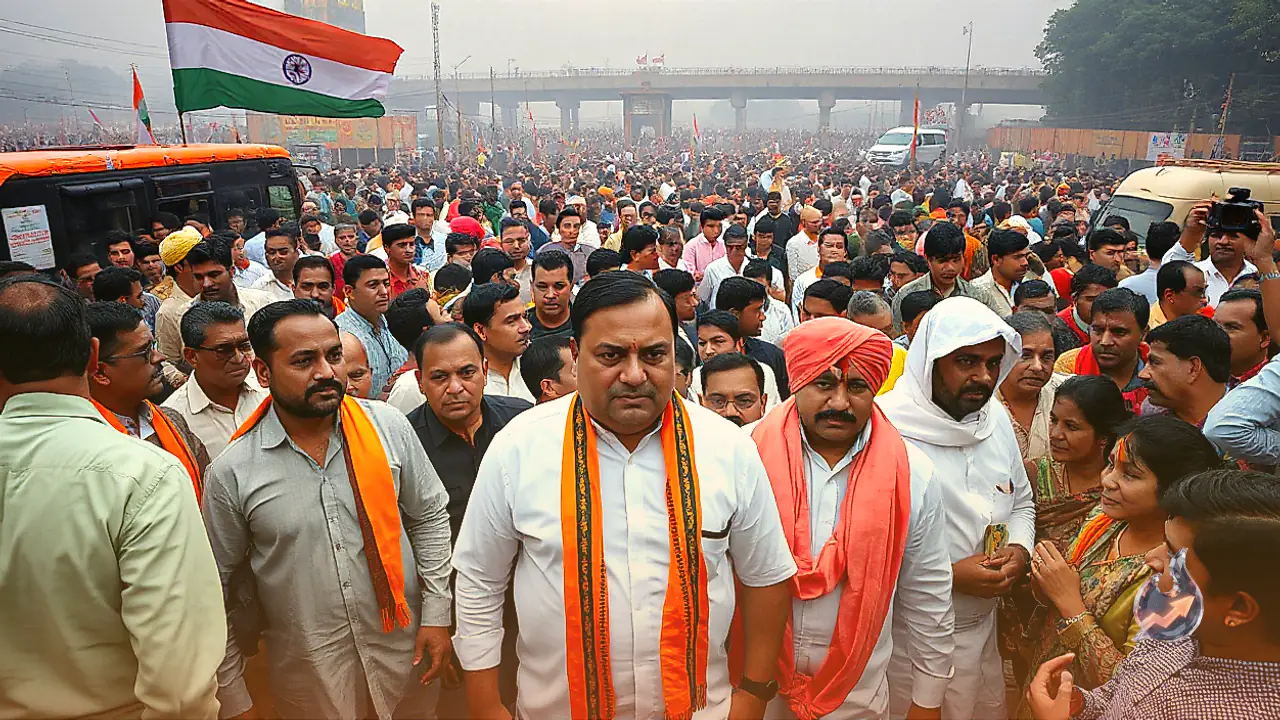
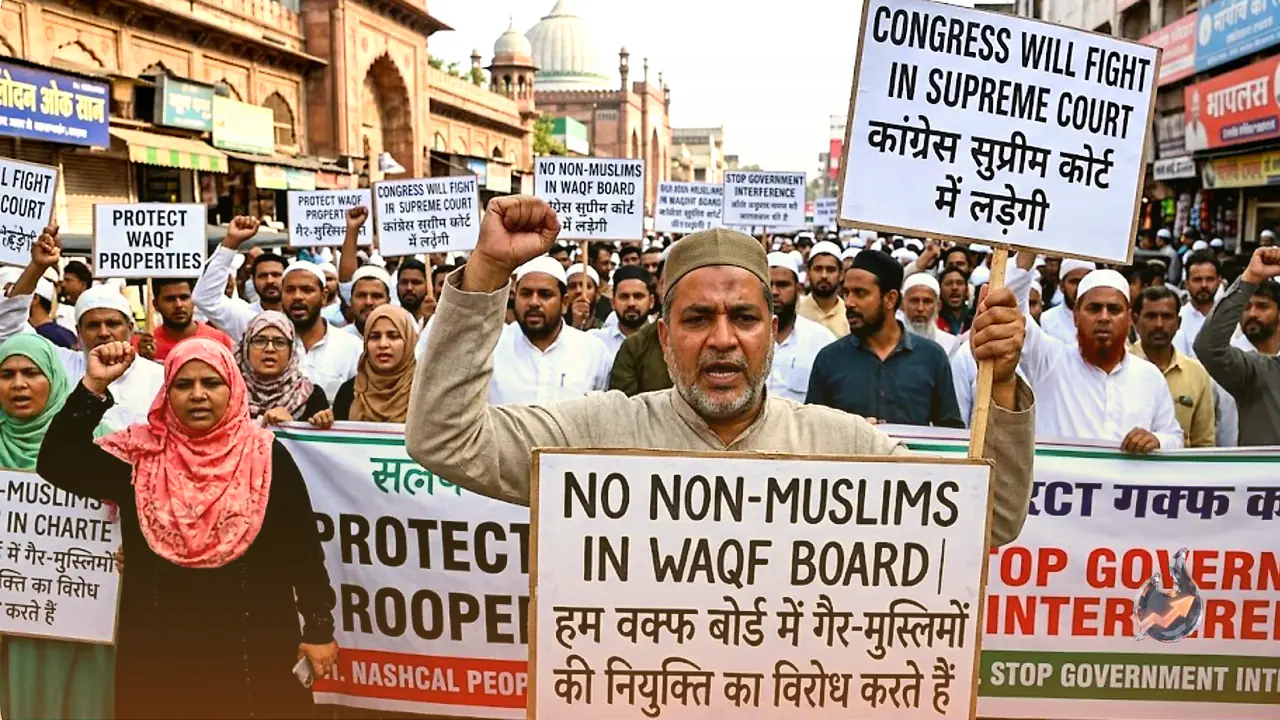
As soon as the list of the newly appointed Waqf Board members became public, a number of Muslim organisations began opposing the decision. In the state capital, Bhopal, protesters raised slogans against the government and staged a demonstration. The protesters directly accused the Bharatiya Janata Party of deliberately targeting Muslims and of forcing its way into their religious affairs. They made it clear in unambiguous terms that the Muslim community would never accept such interference, and that the protests would continue.
Arif Masood raises sharp questions
Congress MLA Arif Masood has turned the controversy into a major political flashpoint, cornering the state government over the fresh appointments. He said the Mohan Yadav government has given seats on the board to two non-Muslim members. Along with that, he pointed out, Satyendra Kumar, the Commissioner for Backward Classes and Minority Welfare, is also a member of the board by virtue of his post. Counting him in, Arif Masood argued, the Waqf Board technically now has three non-Muslim members, which he described as a direct violation of the new Waqf Act. Arif Masood announced that he intends to challenge this appointment in the Supreme Court.
A ten member board with a new composition
The newly reconstituted Waqf Board in Madhya Pradesh now has a total of 10 members. This time, the state government has paid special attention to the participation of women. The Waqf Board bill had a provision for including two women members on the board, but the Mohan Yadav government went beyond that provision and inducted four women instead of just two, doubling the representation that was originally proposed.
Who has been given a place on the board
The board's key members include Sanvar Patel, who has been reappointed as chairman, along with Najma Heptulla, MLA Atif Aqeel, Faizan Khan, Fatema Chaudhary, Shaista Sultan, Shabana Khan, Manoj Malpani, Animesh Bhargava, and the Commissioner for Backward Classes and Minority Welfare, who sits on the board by virtue of the post.
Chairman Sanvar Patel calls it a historic step
Newly appointed Waqf Board chairman Sanvar Patel, on the other hand, has defended the government's decision and described it as a historic decision. Rejecting the protests, he said that both the non-Muslim members inducted into the board are experts in their respective fields, and that their administrative and social experience will directly benefit the functioning of the Waqf Board as well as the better management of its properties.
The episode has widened the political fault lines in Madhya Pradesh, with the government projecting the reconstitution as a step towards better governance and wider representation, while the opposition and Muslim organisations see it as government overreach into religious institutions and a violation of the law that governs how Waqf Boards are to be constituted.