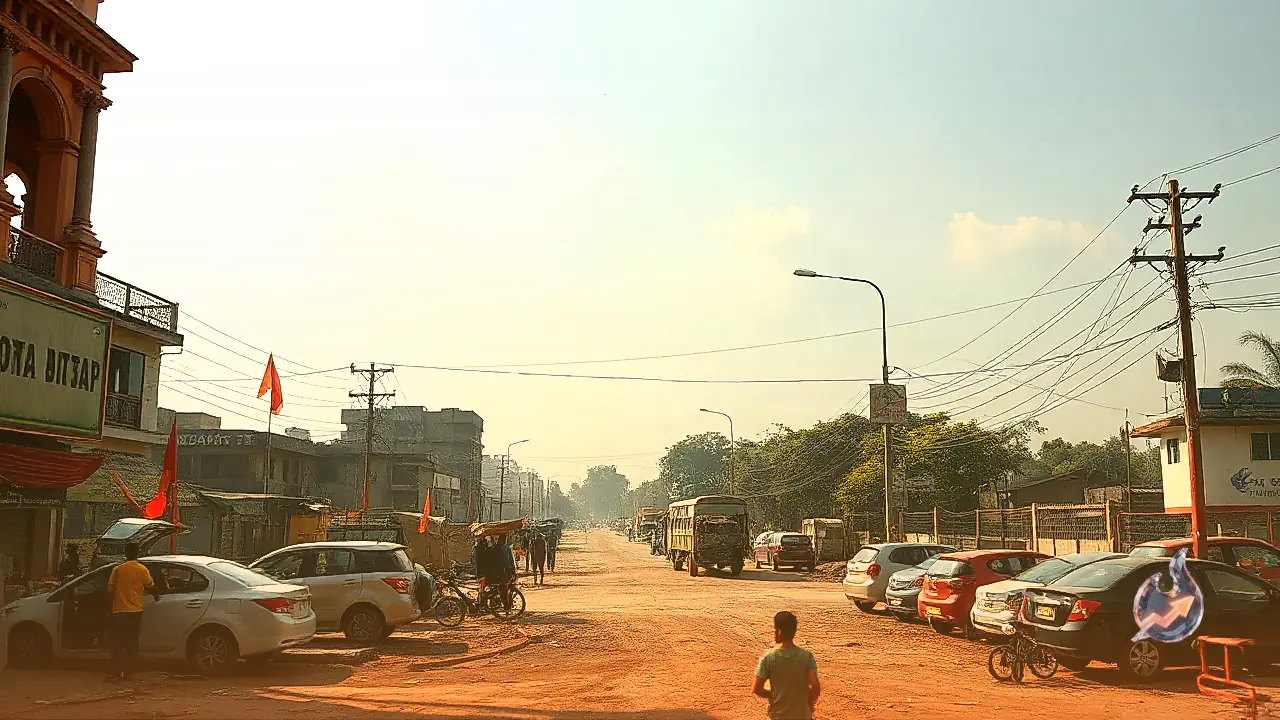


















The recent assembly bypoll outcomes in Bihar and Madhya Pradesh have brought uncomfortable results for the ruling party, particularly in constituencies that were considered strongholds. Both the Bankipur seat in Bihar and the Datia seat in Madhya Pradesh witnessed heavy defeats for the Bharatiya Janata Party, upsetting the party's calculations. Although a victory in a Gujarat seat provided some consolation, the losses in Bankipur and Datia are expected to remain a talking point for a long time. These two high-profile seats slipped out of the party's grasp, delivering a subtle yet firm jolt when the results were declared on August 3, 2026. In Bankipur, Jan Suraaj founder Prashant Kishor's backed candidate defeated BJP nominee Neeraj Kumar Sinha by a margin of 19,324 votes, while in Datia, Congress candidate Ghanshyam Singh defeated BJP hopeful Ashutosh Tiwari by 6,016 votes.
Losses in Traditional Strongholds and Opposition Reactions
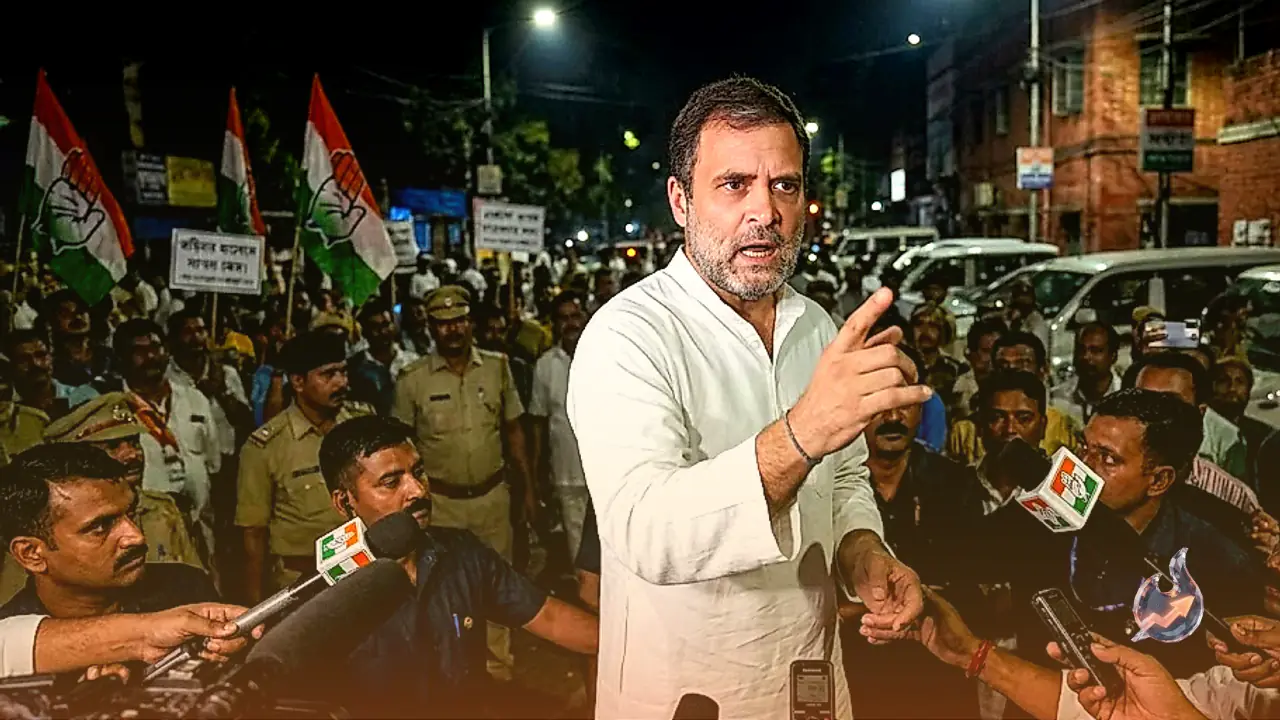
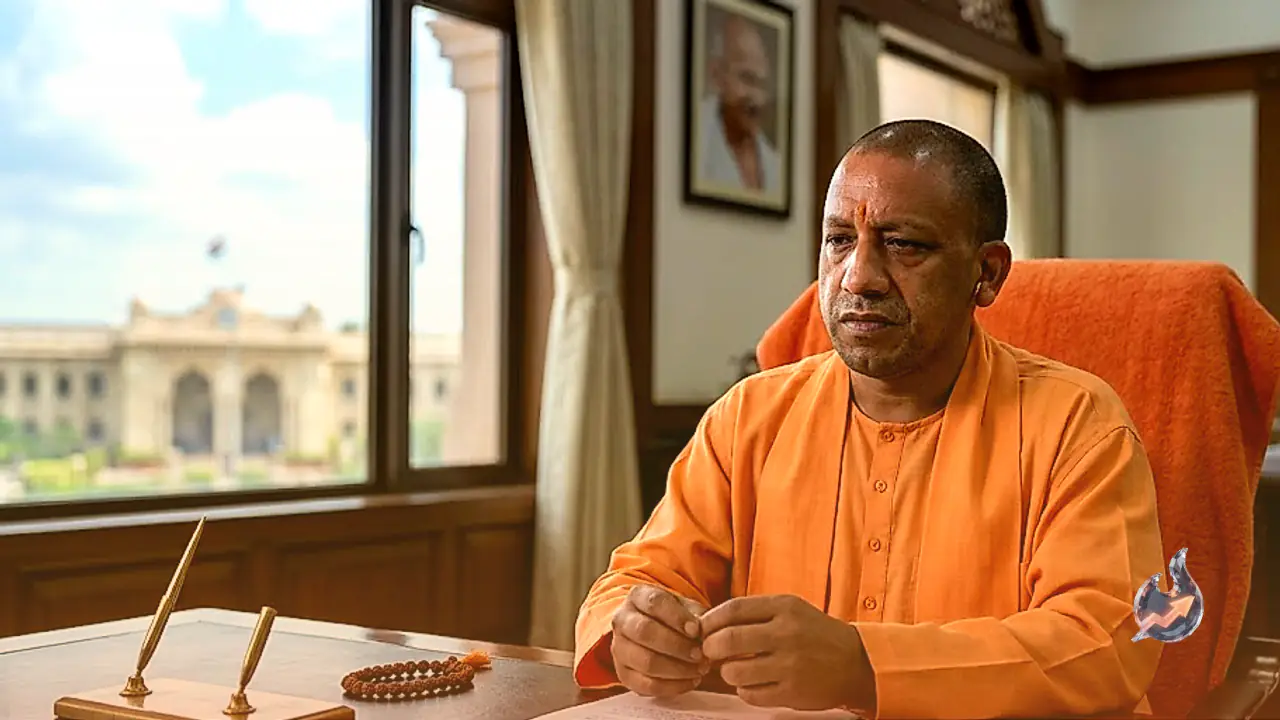
Bankipur had remained a loyal bastion for the BJP for nearly three decades, and the party had deployed extensive resources in Datia as well. Following these setbacks, a major debate has sparked over whether these defeats will create hurdles for Chief Minister Yogi Adityanath in the 2027 Uttar Pradesh assembly elections. Analysts are questioning how the opposition will leverage these outcomes and whether prominent leaders like Rahul Gandhi and Akhilesh Yadav will cite these results during their campaign speeches to rally voters. Samajwadi Party chief Akhilesh Yadav has already begun taking sharp jibes at the ruling establishment, remarking to journalists with a witty tone about the state of affairs in Bankipur and dismissing Datia with a sarcastic reference.
Will the Bypoll Repercussions Echo in the 2027 UP Polls?
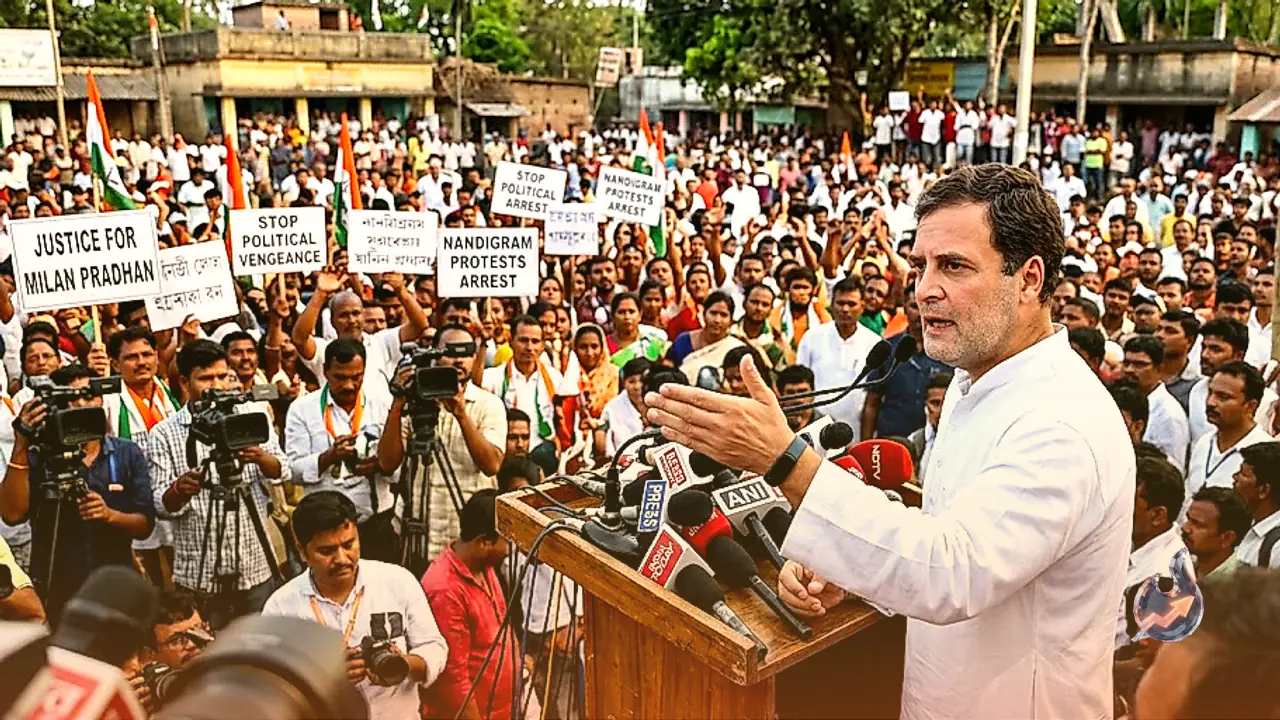
In the wake of these defeats, political commentators have started connecting the dots between these outcomes and the political dynamics of Uttar Pradesh ahead of 2027. Opposition figures such as Rahul Gandhi and Akhilesh Yadav are likely to use the results from neighboring states to build an anti-incumbency narrative. The Datia bypoll notably reflected underlying student unrest and pressing local grievances. The opposition may utilize these exact themes to corner the government in Uttar Pradesh over issues concerning unemployment, irregularities in recruitment examinations, and local administrative shortcomings.
Are These Results Warning Bells for the Party?
Whenever a ruling party underperforms in by-elections, standard political procedure involves reviewing booth management systems and local feedback mechanisms. However, the political landscape of Uttar Pradesh differs significantly from the socio-political conditions found in Bihar and Madhya Pradesh. The caste equations and the administrative grip held by Chief Minister Yogi Adityanath operate on a distinct scale. Nevertheless, opposition parties will undoubtedly attempt to use the momentum from these by-elections to boost the morale of their local cadres. At the same time, observers note that Yogi Adityanath is known for mounting a robust counter-strategy against such challenges.
Regional Context and Analyst Perspectives
Political analysts advise against directly linking these results to the Yogi government, emphasizing that state politics operate independently. Bankipur is located in Bihar where Samrat Choudhary serves as Chief Minister, while Datia is in Madhya Pradesh under the leadership of Mohan Yadav. Even so, defeats within major BJP strongholds situated in the heartland of the Hindi belt are being interpreted as a wake-up call for the party. Experts suggest that factors such as simmering discontent among upper-caste communities, youth frustration regarding paper leaks and educational concerns, and local worker grievances may have played a role. Should similar sentiments manifest in Uttar Pradesh, particularly among urban demographics, youth voters, or traditional vote banks, the administration would need to exercise caution.
The Road Ahead for Yogi Adityanath and the Opposition
As the BJP prepares to contest for a third consecutive term in 2027, minor electoral setbacks invariably provide the opposition with ammunition to craft a counter-narrative. While the party maintains that by-elections are dictated by localized issues and that broader state or national elections are fought on governance, law and order, and ideological agendas, Yogi Adityanath retains a formidable political image. Observers point out that merely referencing the results from Bankipur and Datia will not automatically translate into votes, as UP politics heavily revolve around a complex matrix of caste, religion, development, and regional concerns. A genuine electoral impact will depend on whether the opposition strengthens its organizational machinery, forms cohesive alliances, and presents a credible alternative.
Conclusion
Ultimately, these defeats may prompt the BJP to refine its organizational strategy and candidate selection process in Uttar Pradesh. While the opposition leaders will undoubtedly keep mentioning these outcomes in the coming months, the ultimate verdict in 2027 will rest with the electorate of Uttar Pradesh based on performance, security, and local governance. While the results in Bankipur and Datia serve as a cautionary signal, whether they prove decisive in Uttar Pradesh remains to be seen.