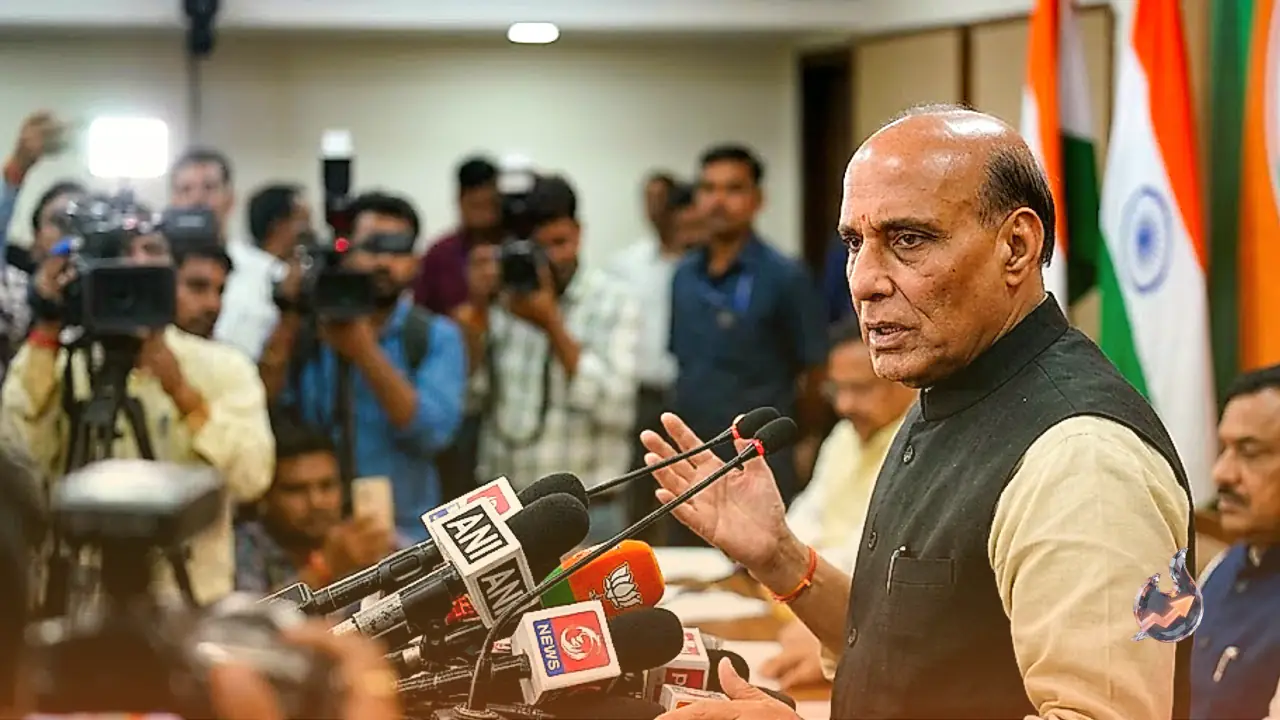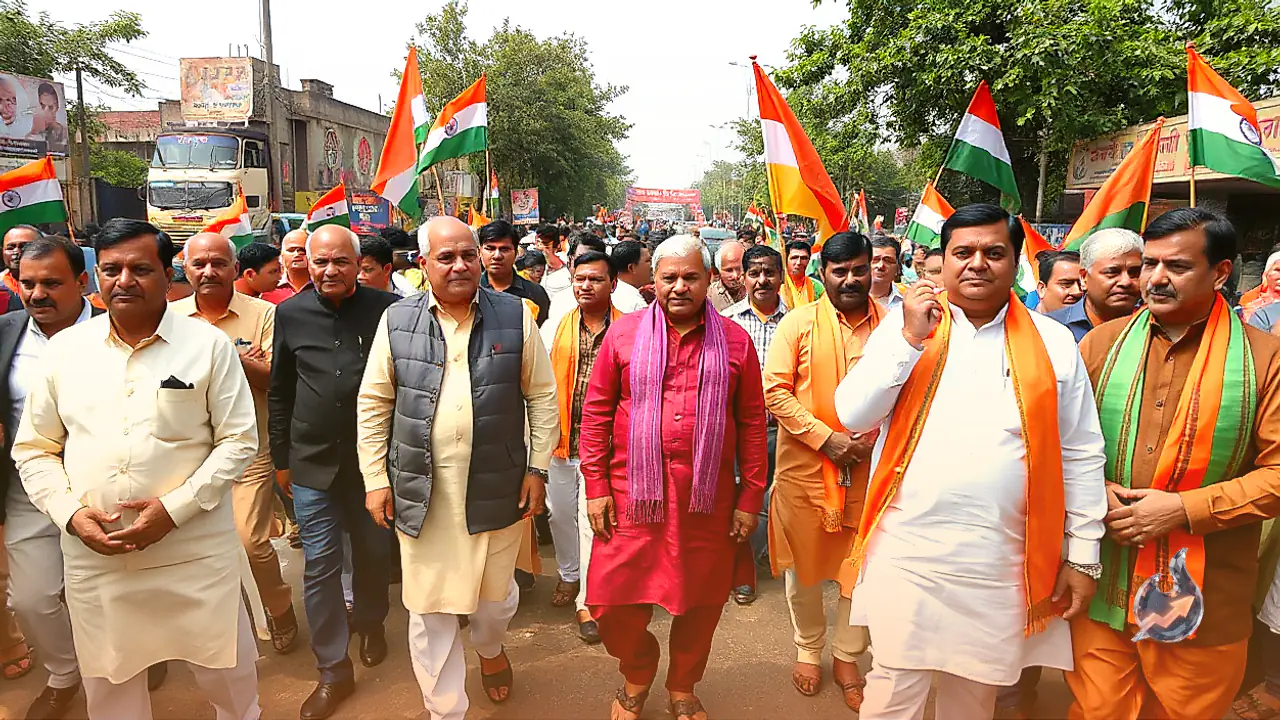






















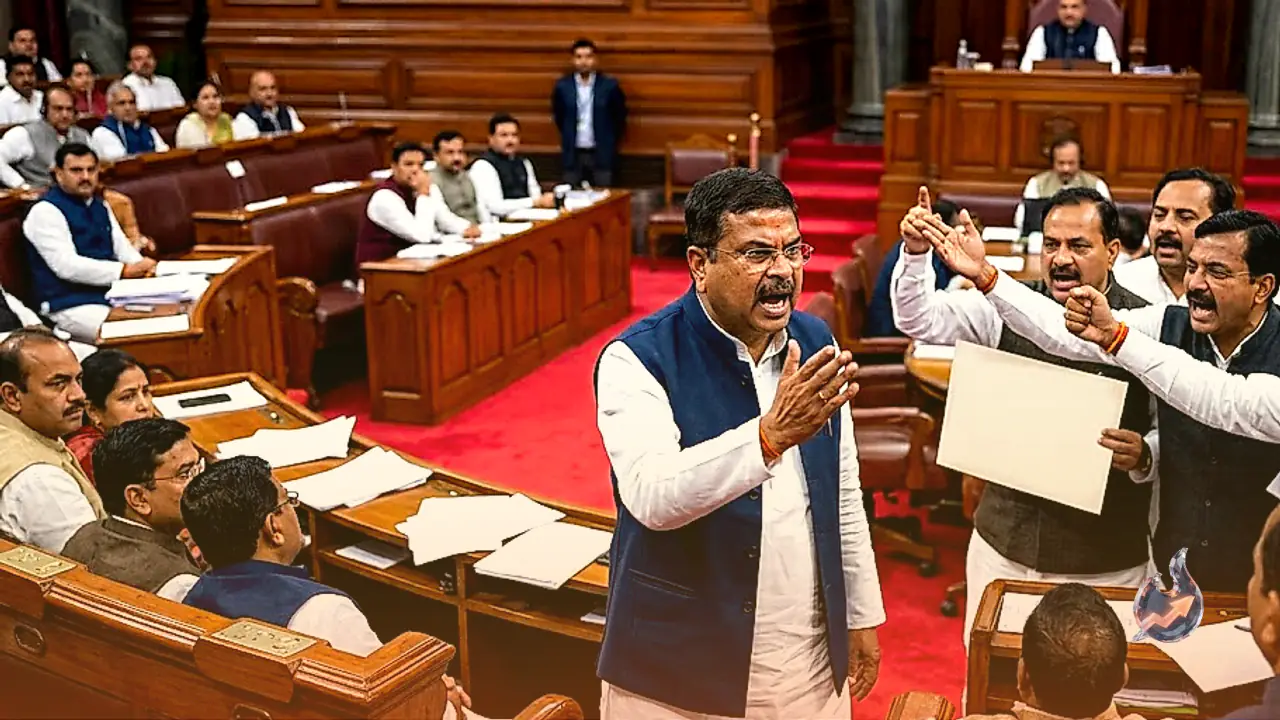

Two days after stepping down from his position as Union Education Minister, Dharmendra Prasad arrived at Parliament on Monday, greeted by a volatile political atmosphere marked by intense verbal clashes between the ruling party and the opposition. While Bharatiya Janata Party MPs extended a warm welcome to him, opposition legislators targeted him with aggressive protests right inside the parliamentary complex.
Tense Atmosphere and Sloganeering Outside Parliament
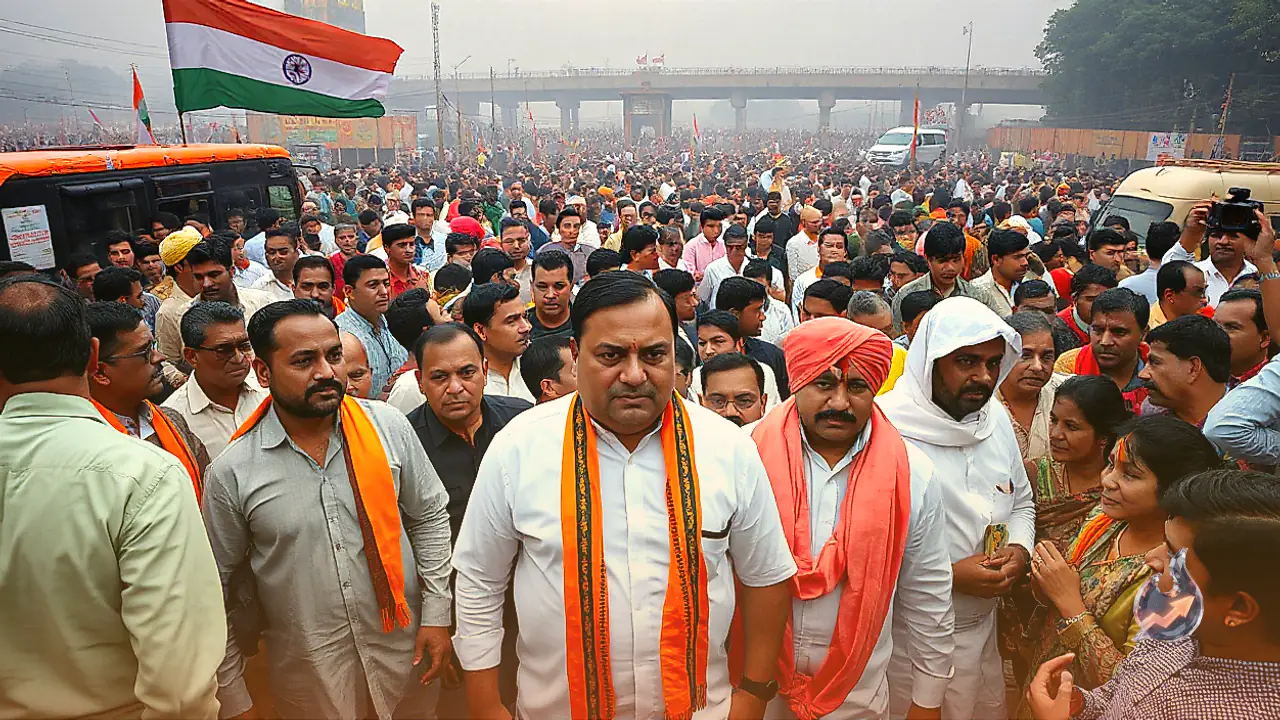
Several BJP leaders welcomed Dharmendra Prasad within the parliamentary premises by garlanding him and presenting traditional turbans and stoles amidst loud chants praising him. Concurrently, opposition MPs launched a scathing counter-attack, raising slogans accusing the administration of corruption and questioning the crumbling state of the national education infrastructure.
A Sharp Retort to Jairam Ramesh
Amidst the commotion, a notable interaction took place when Congress leader Jairam Ramesh crossed paths with Dharmendra Prasad and remarked that such things happen. In response, Prasad delivered a firm and sharp retort, stating that nothing had happened. He further asserted that he is not an activist who conducts politics while sitting comfortably inside an air-conditioned room, but rather a grassroots worker accustomed to fighting on the streets.
Broader Opposition Criticism Against the Government
Earlier, Congress leader Pawan Khera launched a direct attack on the ruling party, claiming that Dharmendra Prasad was favored for implementing ideological agendas through the ministry. Khera alleged that the general public has now witnessed the true image of the leader.
Additionally, Deputy Leader of the Congress in the Lok Sabha Gaurav Gogoi criticized the administration, stating that the government lacks genuine seriousness regarding systemic reforms in education. Gogoi dismissed the newly introduced amendment bill aimed at curbing examination leaks as a mere cosmetic measure.
The Resignation Amidst Examination Controversies
Dharmendra Prasad had tendered his resignation from the Union Education Ministry on Saturday. For several weeks, widespread student protests and agitation led by the Cockroach Janata Party had roiled the country over the NEET examination controversy and recurring paper leaks. Facing mounting pressure and relentless demonstrations, he ultimately relinquished his portfolio.
In response to the crisis, Prime Minister Narendra Modi announced on Sunday the formation of a high-power task force headed by Infosys co-founder Nandan Nilekani to overhaul the examination system. This committee has been entrusted with the responsibility of formulating recommendations to make the testing framework completely secure and transparent.
Introduction of the New Anti-Cheat Bill
Continuing legislative measures, the government introduced the Public Examination Prevention of Unfair Means Amendment Bill 2026 in the Lok Sabha on Monday. The proposed legislation entails stringent penalties, including a maximum imprisonment of up to 10 years and heavy fines reaching 50 lakh rupees for offenses related to paper leaks and examination malpractice.
Furthermore, the proposed bill stipulates that investigations into cases connected with paper leaks must be concluded within a mandatory timeframe of two months. Nonetheless, the opposition maintains that merely enacting new legislation will not resolve the underlying issues, emphasizing the urgent need for comprehensive institutional reforms across the examination apparatus.