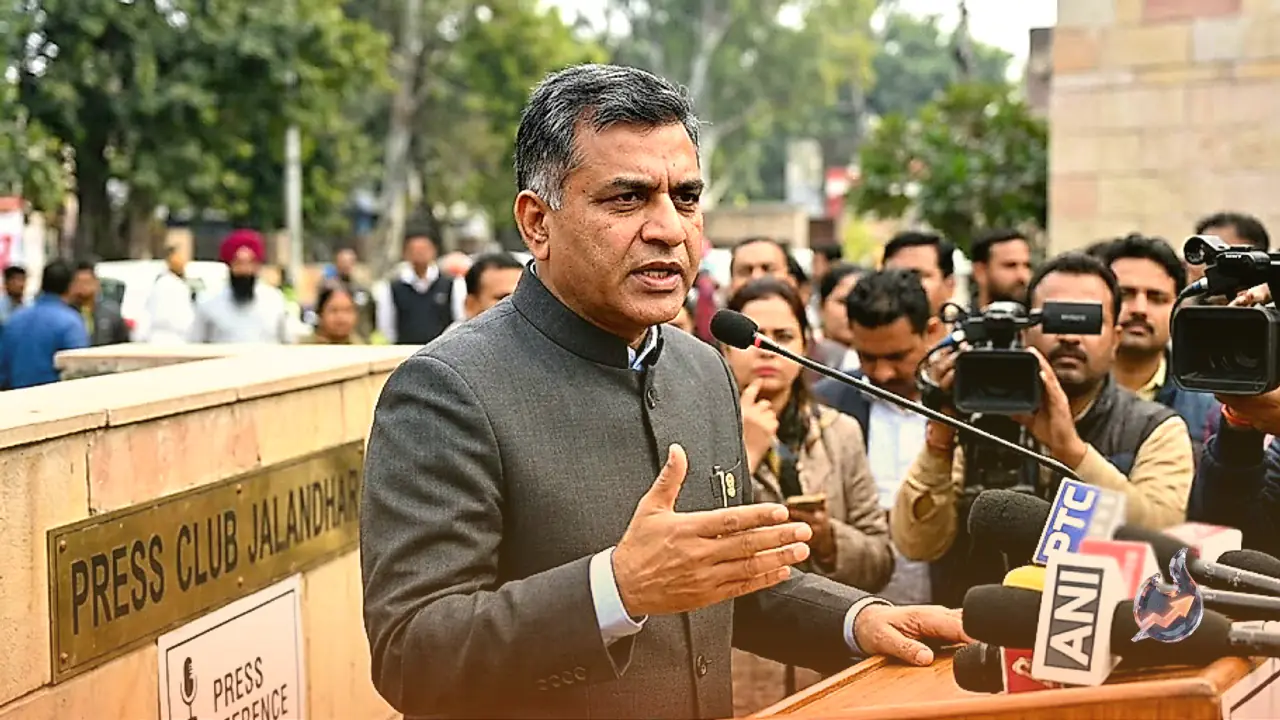
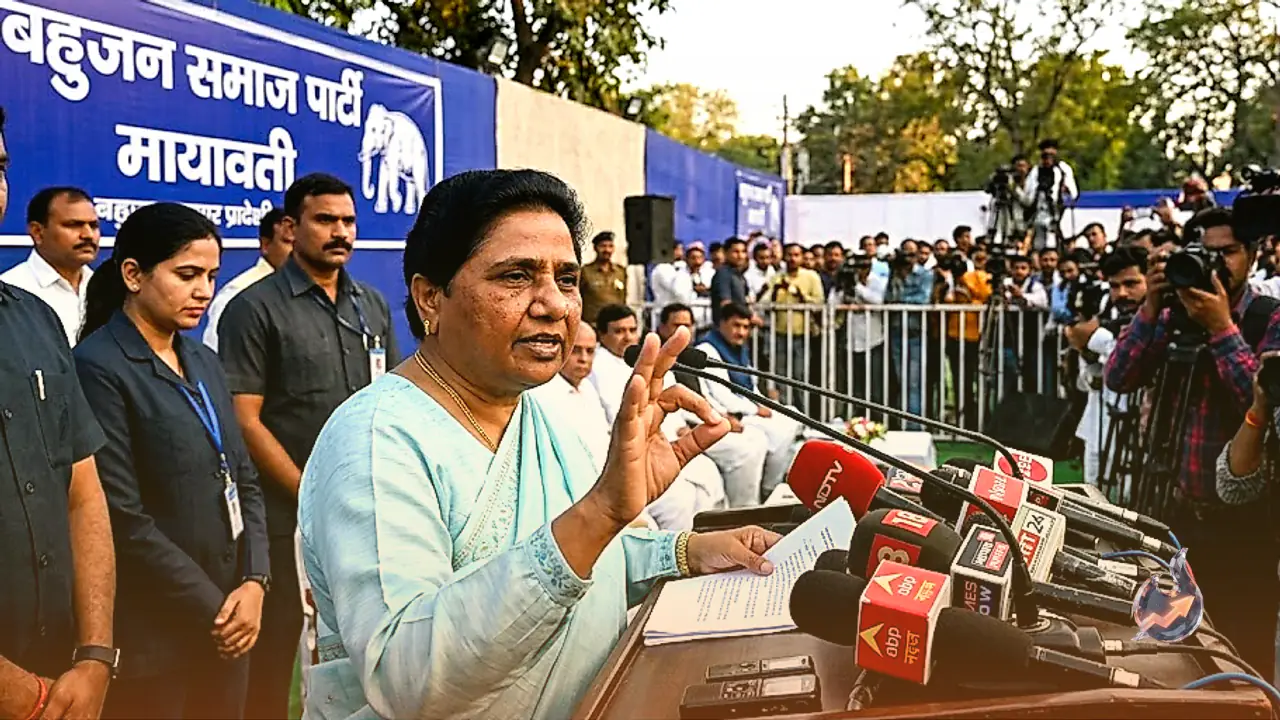
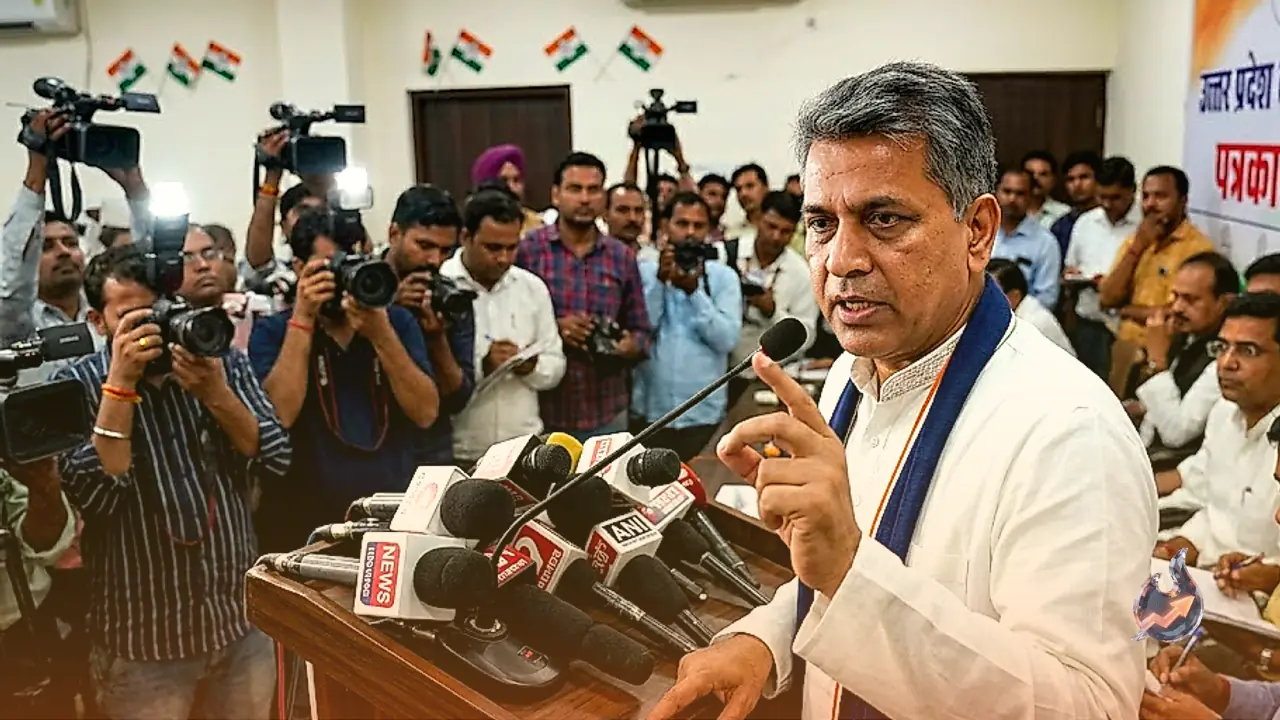


















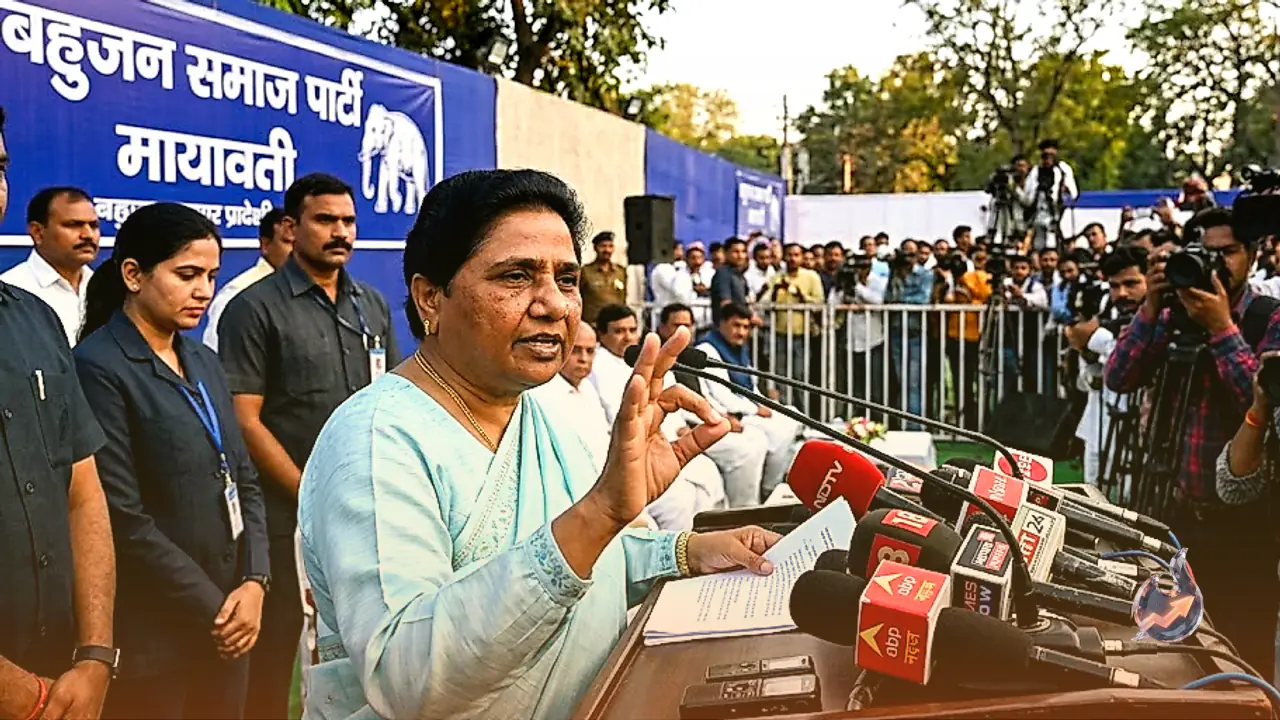

A visible and aggressive shift in the political posturing of Bahujan Samaj Party national president Mayawati has intensified the political atmosphere across Uttar Pradesh. Known for maintaining a cautious distance from regular press briefings and public media engagements, the BSP chief surprised observers by convening an unannounced press conference in Lucknow. During this interaction, she mounted a sharp critique of the credibility of electronic voting machines and launched a direct attack on Azad Samaj Party chief Chandrashekhar Azad regarding his victory from the Nagina parliamentary constituency. With preparations gradually taking shape for the 2027 state assembly elections, this assertive approach signals an escalating turf war over the state's Dalit voter base.
Challenging the Nagina Mandate and Advocating Paper Ballots
Addressing the media in Lucknow, Mayawati alleged that the Bharatiya Janata Party orchestrated EVM manipulation in the Nagina reserved seat to facilitate Chandrashekhar Azad's parliamentary entry despite what she characterized as an absence of genuine grassroots support. She noted that this sentiment reflected the viewpoint of local residents in the constituency. According to her, the political motivation behind this alleged move was to dilute and fracture the loyal Dalit vote bank that historically anchors the Bahujan Samaj Party. Observers note that this sharp intervention underlines a strategic pivot by the BSP, shifting from defensive consolidation to outright confrontation.
Alongside these allegations, the former chief minister made a renewed pitch for conducting democratic exercises via traditional paper ballots. She argued that voter faith remains the bedrock of democratic systems, asserting that whenever citizens suspect their vote is being diverted elsewhere, it undermines the very essence of democracy. By pushing this narrative, she appears intent on addressing administrative procedures well ahead of the upcoming electoral contest while simultaneously working to keep her core cadres mobilized and united behind the party organization.
Warning Youth Against Aggressive Street Politics
In an unusual departure from past restraint, Mayawati explicitly named Chandrashekhar Azad, effectively categorizing his political posture as functioning in alignment with the ruling party's agenda. She maintained that leaders without deep organizational foundations are elevated under a calculated strategy to divide the Bahujan community. Alongside targeting her regional rival, she issued a cautionary advisory directed specifically at young Dalit voters.
The BSP president urged youth not to get swayed by figures whose prominence is primarily driven by media visibility and public posturing. She emphasized that participating in agitations and street demonstrations often leads to formal criminal cases being filed by law enforcement, which permanently damages young people's educational and employment prospects. Through this counsel, the leadership hopes to stem the migration of younger voters toward competing activist groups and draw them back under the party's institutional fold.
Thirty Days of Rapid Reorganization and Strategic Pronouncements
The pace of public engagement displayed by Mayawati over the past month marks an unprecedented break from historical routines within the BSP. Over the course of the previous 30 days, she has organized more than three crucial press conferences and urgent consultations, while maintaining a steady commentary on major national topics across social platforms. Her public interventions have spanned subjects such as healthcare personnel security, UPSC administrative discussions, caste reservation debates, and recent observations concerning EVM scrutiny in the Supreme Court.
Internally, the organization underwent major structural shake-ups. During September, Mayawati relieved her nephew Akash Anand of his responsibilities and appointed her younger nephew, Ishan Anand, as the new National Coordinator for the BSP. Shortly thereafter, within a 20-day interval, she convened a national executive meeting in Lucknow where she declared that the BSP would not enter into pre-poll alliances and would contest forthcoming elections in Uttar Pradesh, Uttarakhand, and Punjab independently.
The High Stakes of the 2027 Electoral Battle
The upcoming 2027 assembly election is increasingly viewed as an existential contest for the Bahujan Samaj Party. Recent electoral metrics show a sharp contraction in its traditional footprint. During the 2022 Uttar Pradesh assembly polls, the BSP secured merely 1 seat while its vote share fell to 12.8 percent. The downturn worsened during the 2024 general elections, where the party failed to win any seats in parliament and saw its overall vote tally drop further to roughly 9.3 percent.
A major factor driving this anxiety is the consolidation of the Samajwadi Party's PDA coalition focusing on backward classes, Dalits, and minorities, coupled with Chandrashekhar Azad's growing footprint in western Uttar Pradesh. Confronted with the risk that a prolonged erosion of Dalit support could render the party electorally irrelevant in its core state, Mayawati has directed ground cadres to rebuild grassroots village units and emphasize that the BSP remains the authentic ideological successor to Dr. B.R. Ambedkar and Kanshi Ram.