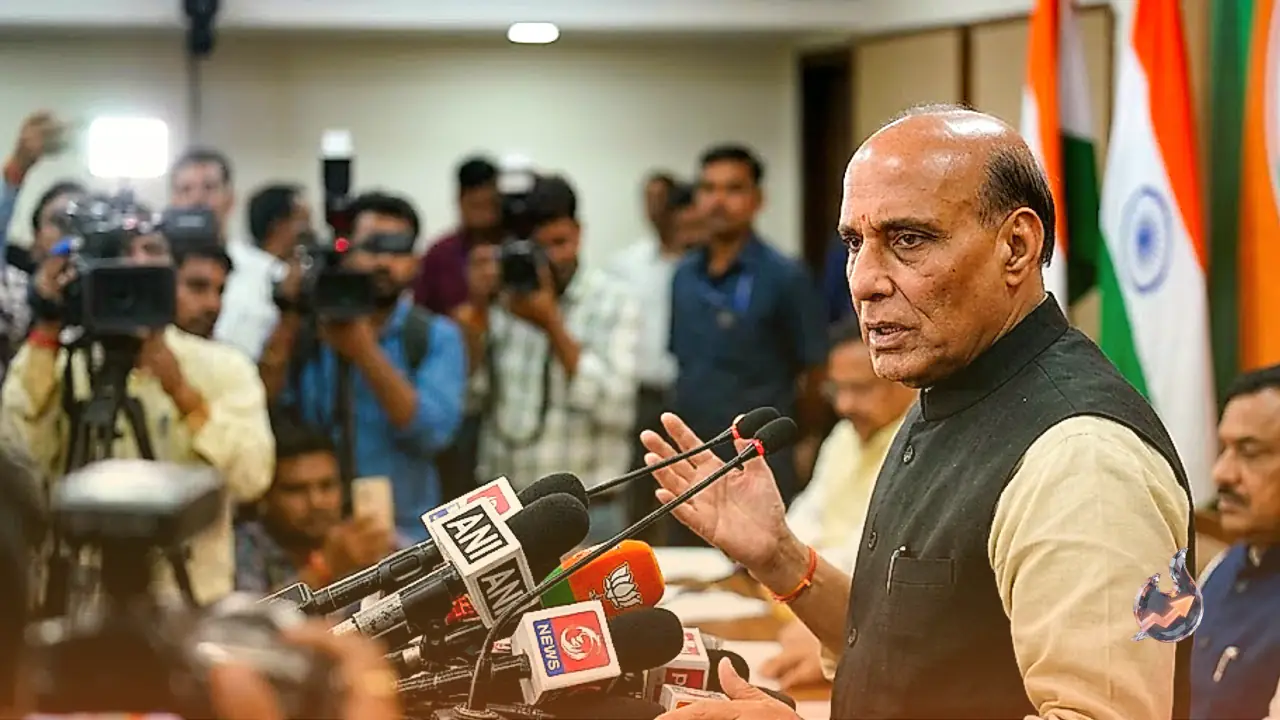





















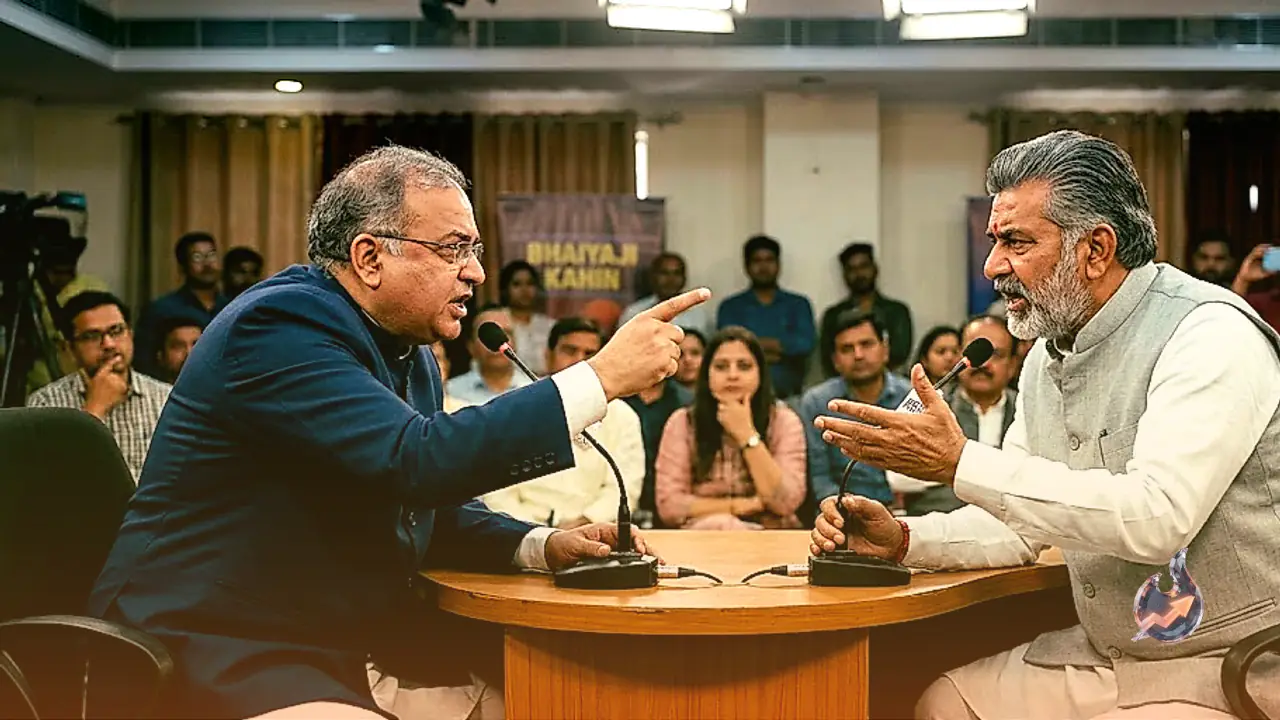

An intense debate surrounding reservation policies, caste identities, and University Grants Commission (UGC) regulations unfolded during a television debate show titled 'Bhaiyaji Kahin'. The discussion brought together Komalkant Choudhary, hailing from Darbhanga in Bihar, and Baldev Singh Rajput, representing Rajasthan, to present their contrasting perspectives. Both speakers expressed strong views regarding the current framework of affirmative action and administrative governance. However, their divergent arguments highlighted the deep dividing lines regarding social equity, historical injustice, and the distribution of state benefits.
Questioning the Core Intent and Political Exploitation of Reservation
Opening the discussion, Komalkant Choudhary invoked the foundational principles established by Baba Saheb Dr. Bhimrao Ambedkar, emphasizing that the original mandate of reservation was to foster genuine social equality across society. Choudhary contended that despite decades of implementation, the benefits of affirmative action have failed to reach the most marginalized individuals at the bottom of the social structure. He alleged that politically influential families have disproportionately monopolized these constitutional provisions over generations.
To substantiate his claims, Choudhary explicitly cited prominent political leaders, including Lalu Prasad Yadav, Mulayam Singh Yadav, Sharad Pawar, and Ram Vilas Paswan. He argued that the advantages of reservation policies have largely accumulated within the households of such well-entrenched politicians rather than aiding the last person in society. The debate further expanded into complex discussions around caste identities, drawing references to Brahmin, Thakur, and Dalit identities, alongside specific mentions of the Valmiki community in relation to social structure and representation.
Protest Hardships vs Historical Social Exploitation
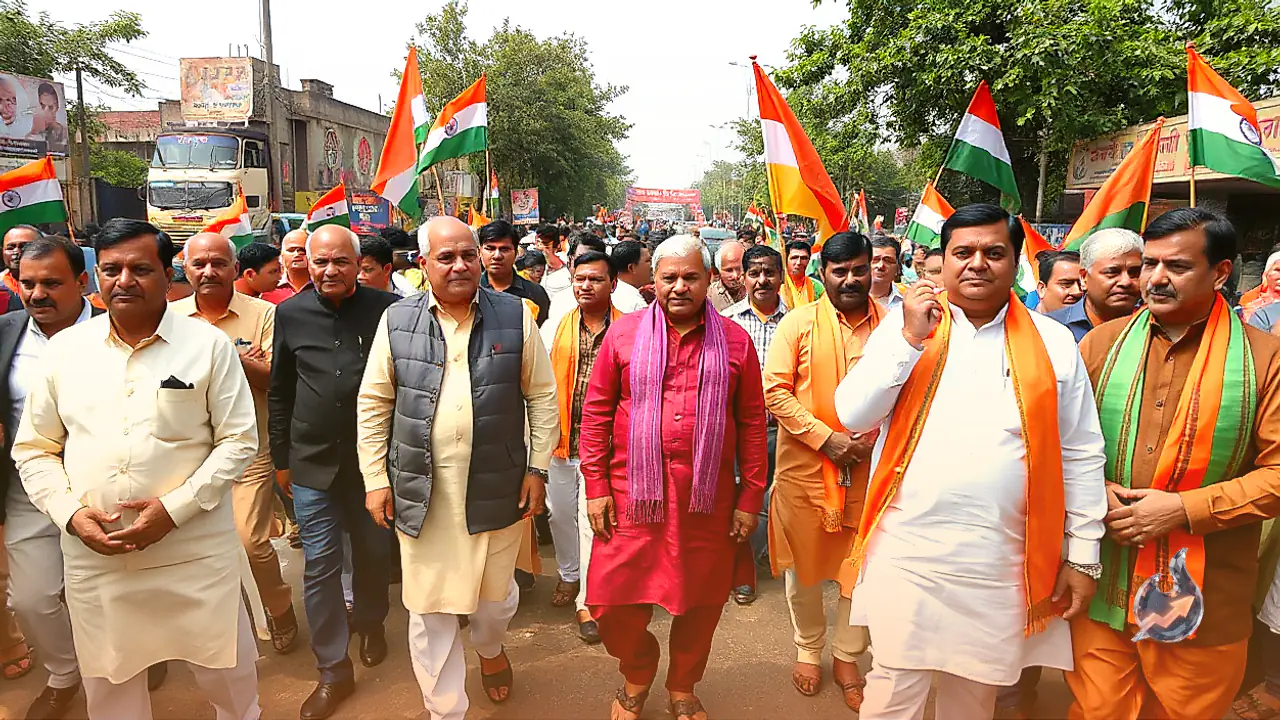
Shifting the focus to ongoing agitation, Baldev Singh Rajput voiced the grievances of protesting youth and articulated their specific demands. As the exchange grew heated, Anchor Prateek intervened, advising Singh to maintain composure and decorum while presenting his arguments. In response, Baldev Singh highlighted the physical hardships faced by protesters during sit-ins, noting that even when authorities forcibly remove demonstrators from protest sites, they repeatedly return to resume their dharna.
Acknowledging the plight of the demonstrators, Anchor Prateek agreed that young individuals protesting in harsh weather conditions amidst rain and water face genuine distress and deserve to have their grievances heard. However, he emphasized that complex systemic issues cannot be resolved overnight. Drawing attention to long-standing historical inequalities, Anchor Prateek remarked to Baldev Singh, "hundreds of years of exploitation have occurred, and you became troubled in just four days." This exchange underscored the ongoing tension between immediate protest demands and the broader historical context of social justice.