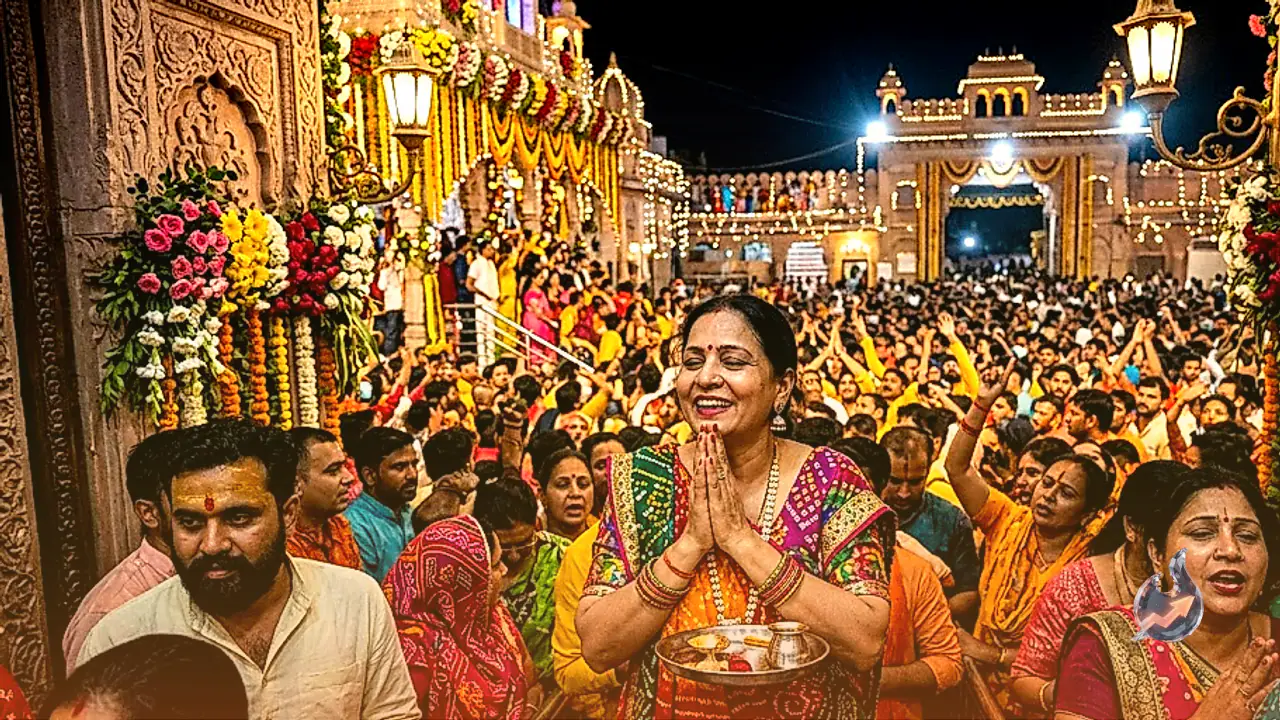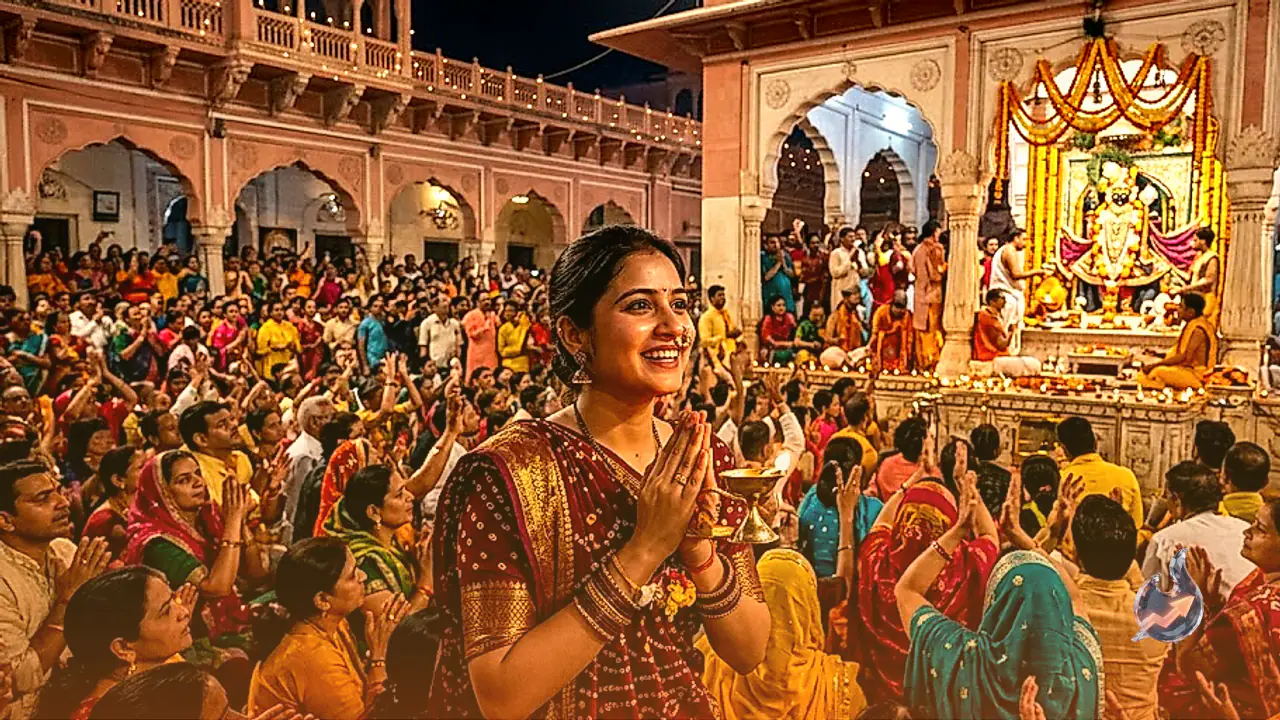






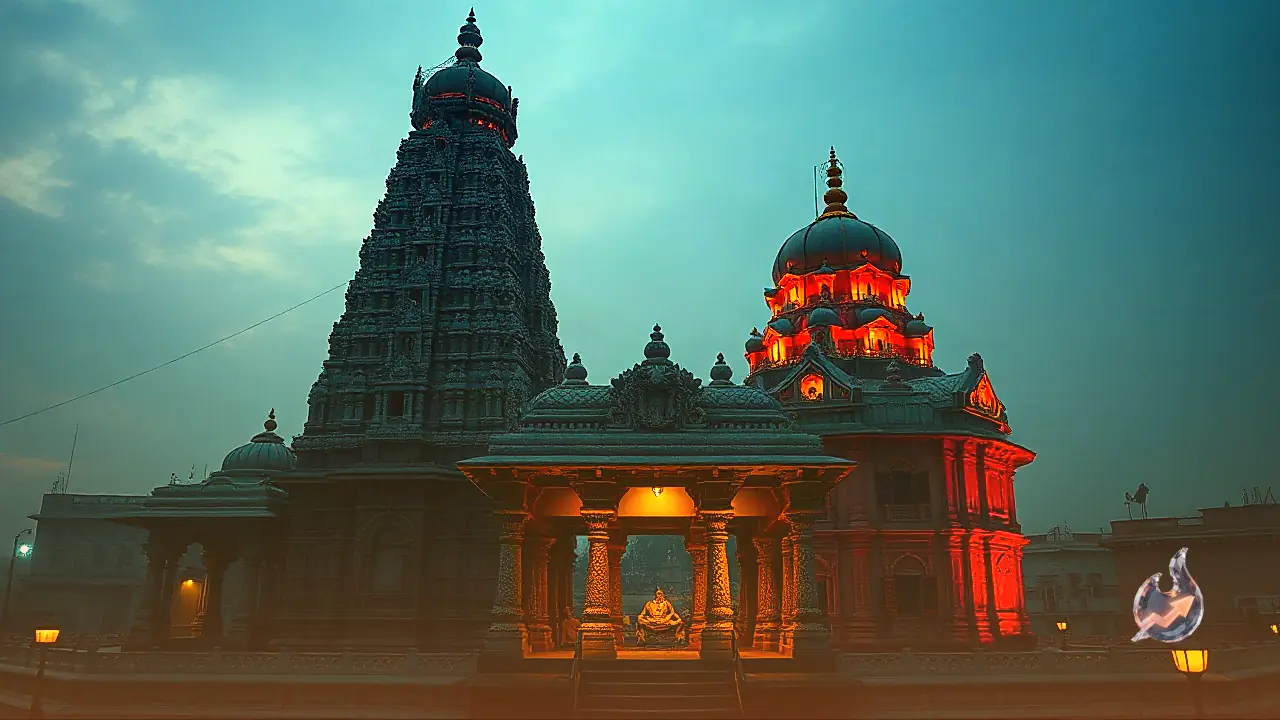
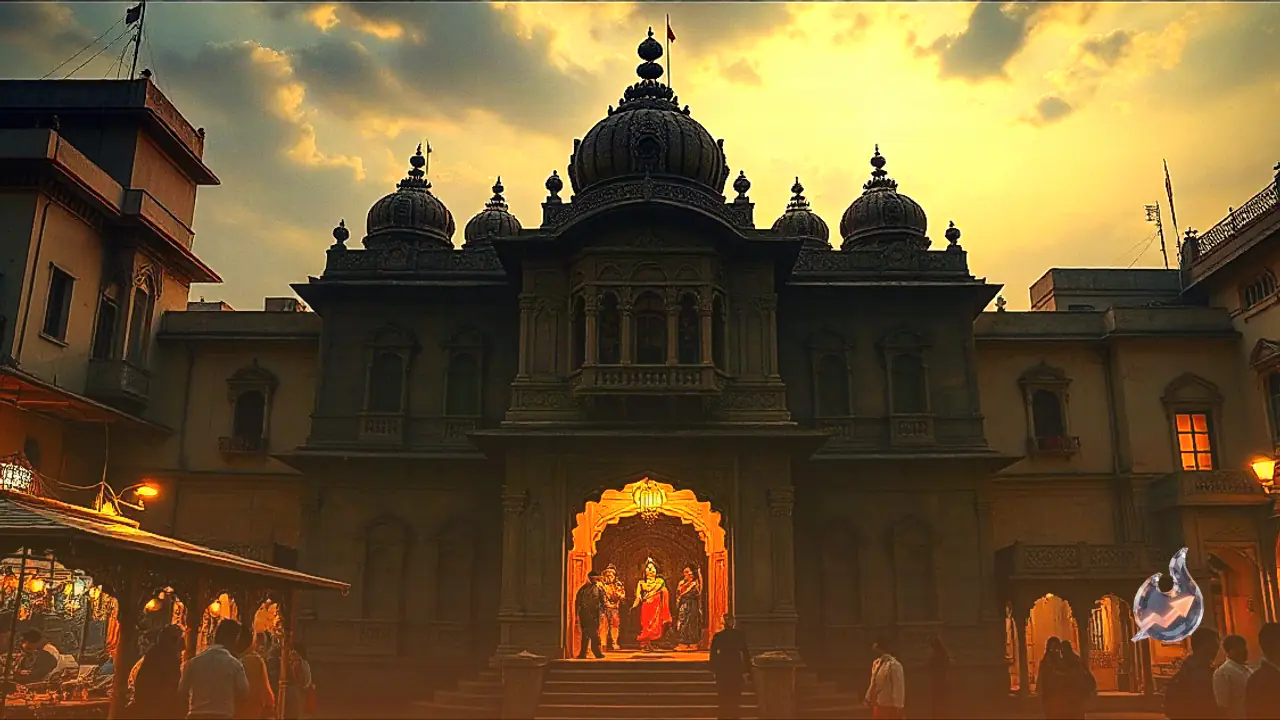















During the auspicious festival of Krishna Janmashtami, massive crowds of devotees gather across the various Krishna temples in Jaipur, popularly known as Choti Kashi. Situated along the historic walled market of Chhora Rasta, the Shri Radha Damodar Temple holds a special distinction worldwide due to its unique history and customs. The heritage of all major Krishna shrines in Jaipur is directly connected to the sacred soil of Vrindavan.
The Noon Celebration Tradition
While Krishna Janmashtami is celebrated at midnight across almost all temples globally, the Shri Radha Damodar Temple stands as a rare exception where the birth celebration of Lord Krishna takes place precisely at 12 noon rather than at night.
Five Centuries of History Linked to Vrindavan
According to temple mahant Malay Goswami, the sacred idol is nearly five hundred years old and shares a direct link with Vrindavan Dham. Approximately five centuries ago, this idol manifested in Vrindavan, where the two brothers Sanatan Goswami and Roop Goswami crafted it together and handed over its devotional care to their nephew Jiv Goswami.
During the reign of the Mughal ruler Aurangzeb, when orders were issued to demolish temples and ban worship, a grave threat loomed over this ancient idol as well. Aurangzeb detested the ringing of temple bells and the lighting of lamps. Upon learning of this danger, Nandan Lal Goswami sent word to King Jai Singh of Jaipur. Acting swiftly, King Jai Singh dispatched high-speed chariots to rescue the ancient idols of Govind Dev Ji, Gopinath Ji, Radha Damodar Ji, Madan Mohan Ji, and Shrinath Ji, safely bringing them to Jaipur where they were established in different temples.
The Reason Behind Celebrating at Noon
The tradition of celebrating the birth festival at noon in the Shri Radha Damodar Temple dates back around five hundred years. The temple worships the Damodar form of Lord Krishna, which reflects his extremely tender infant avatar. Considering this delicate childlike form, all the Goswamis of that era collectively decided that the festival for the young Krishna should be observed at 12 noon rather than at night, a practice that continues uninterrupted to this day.