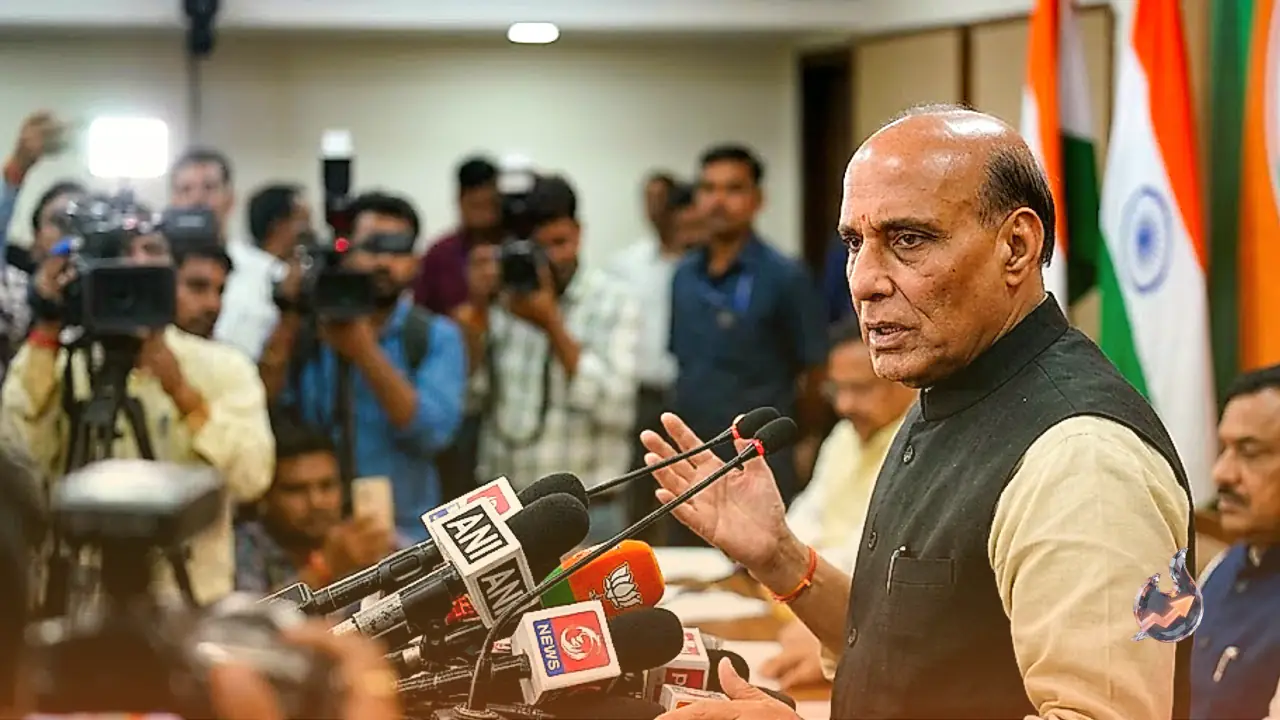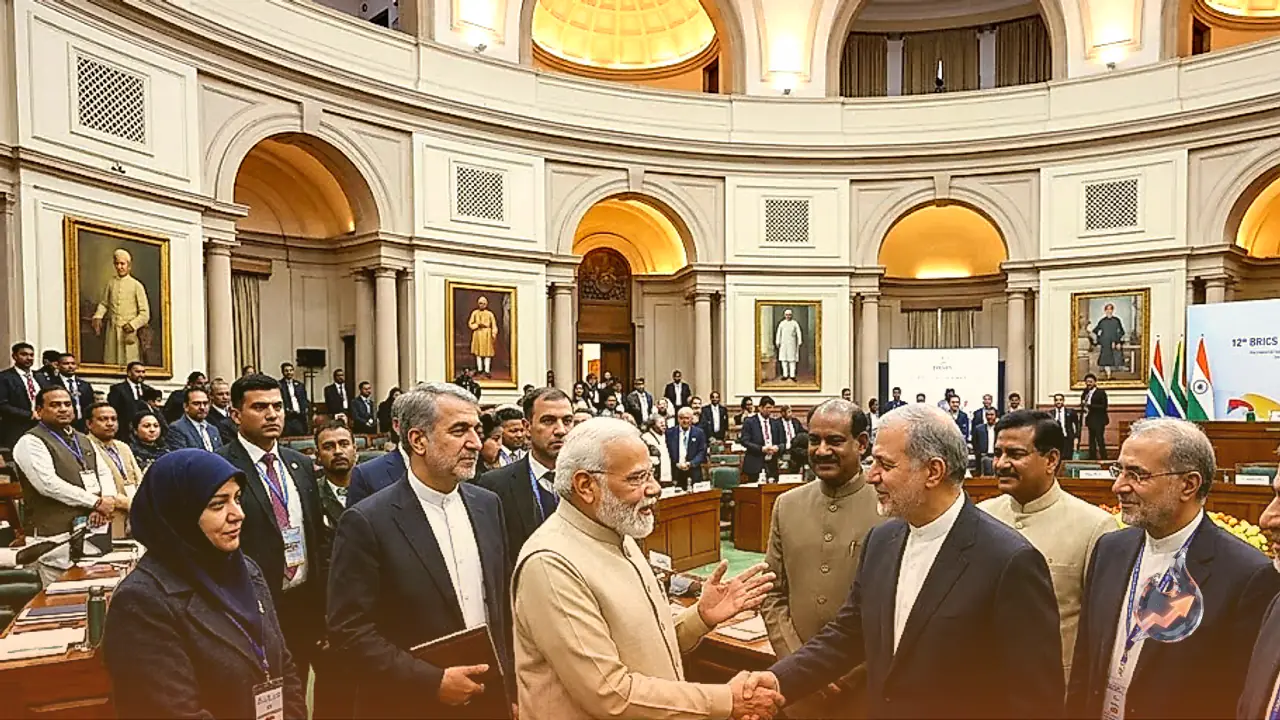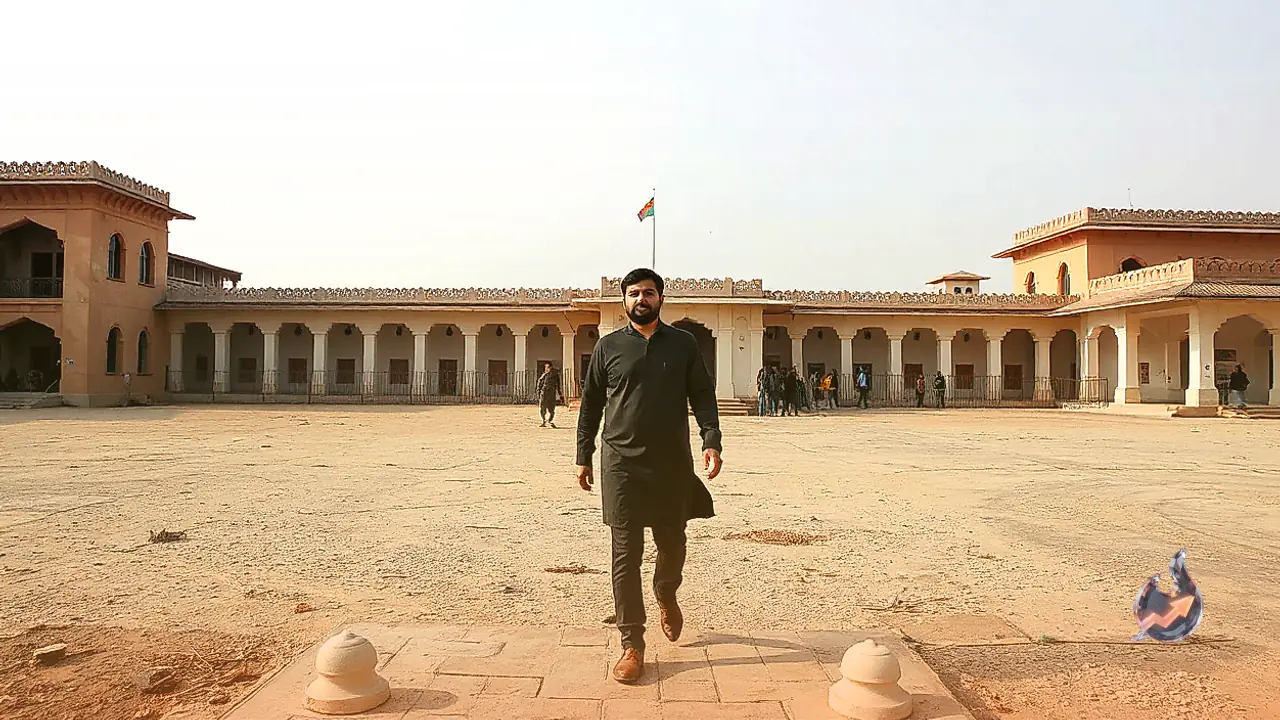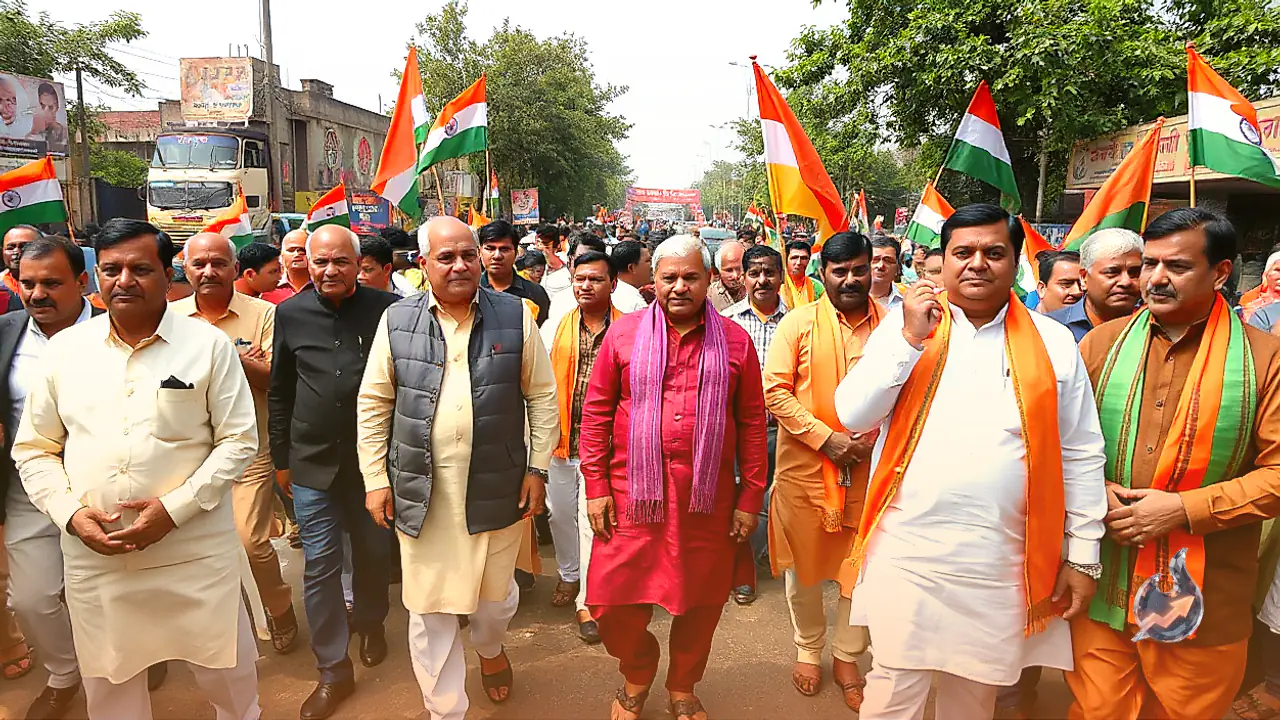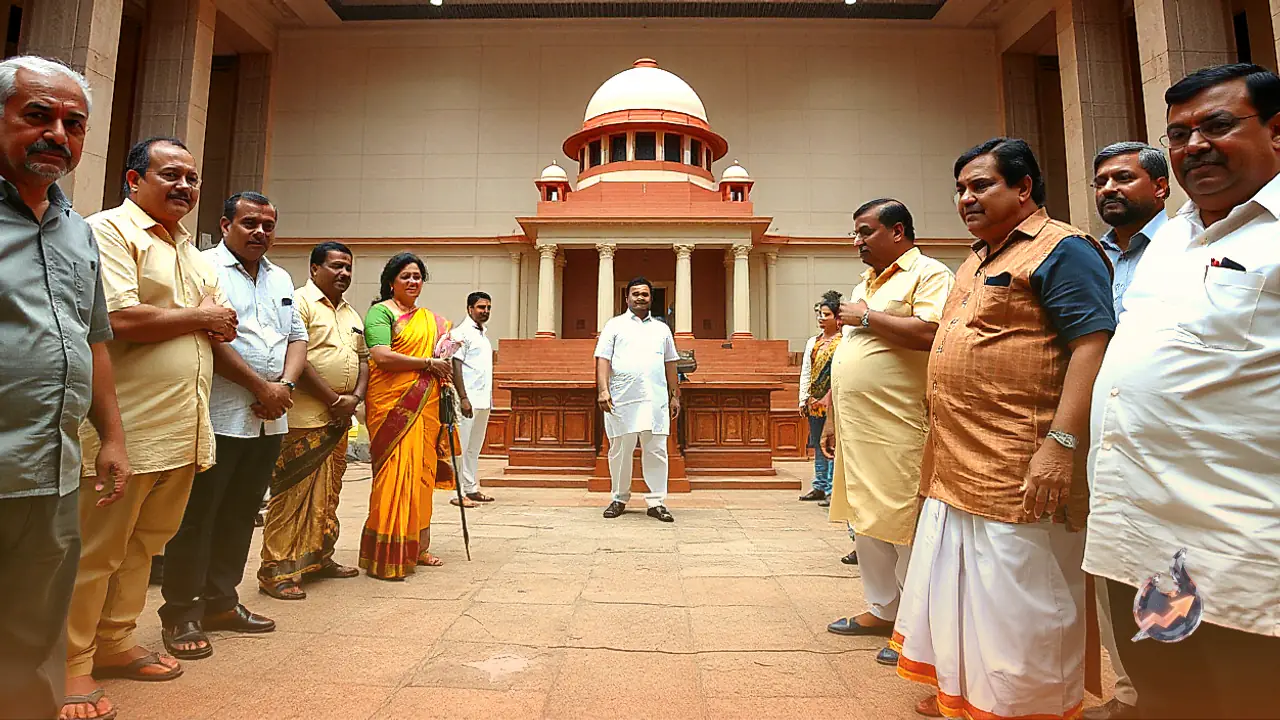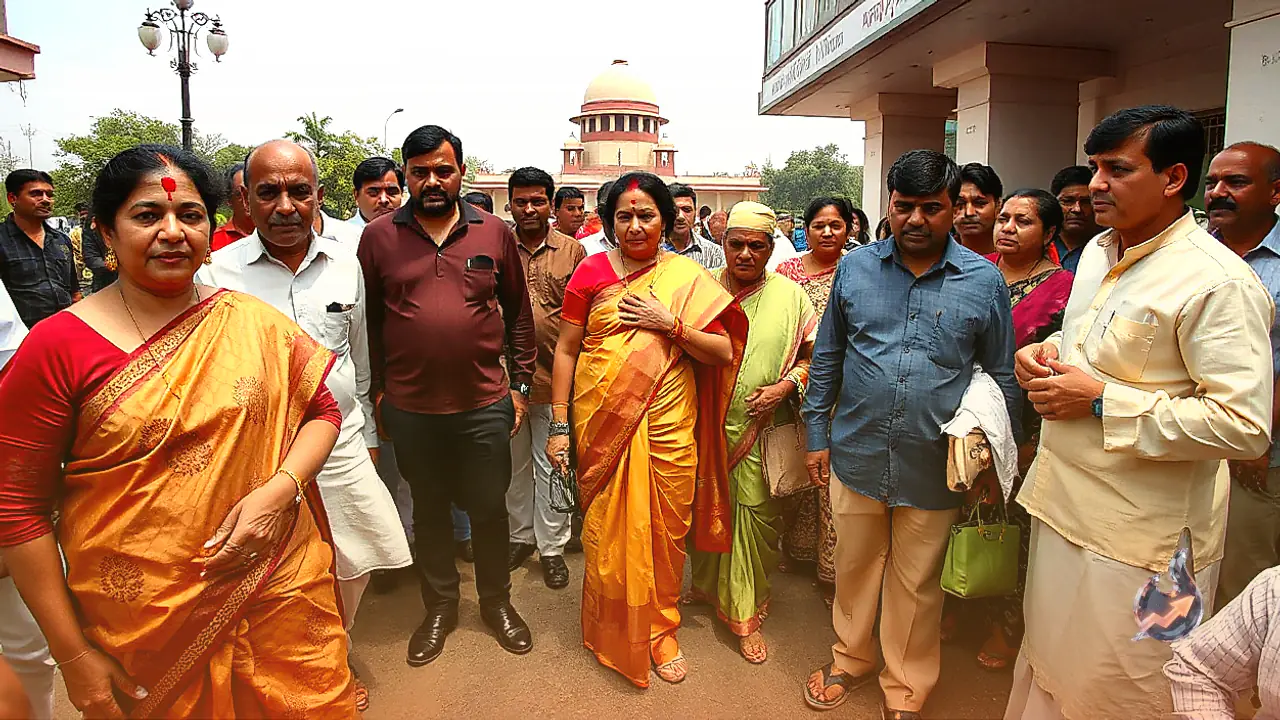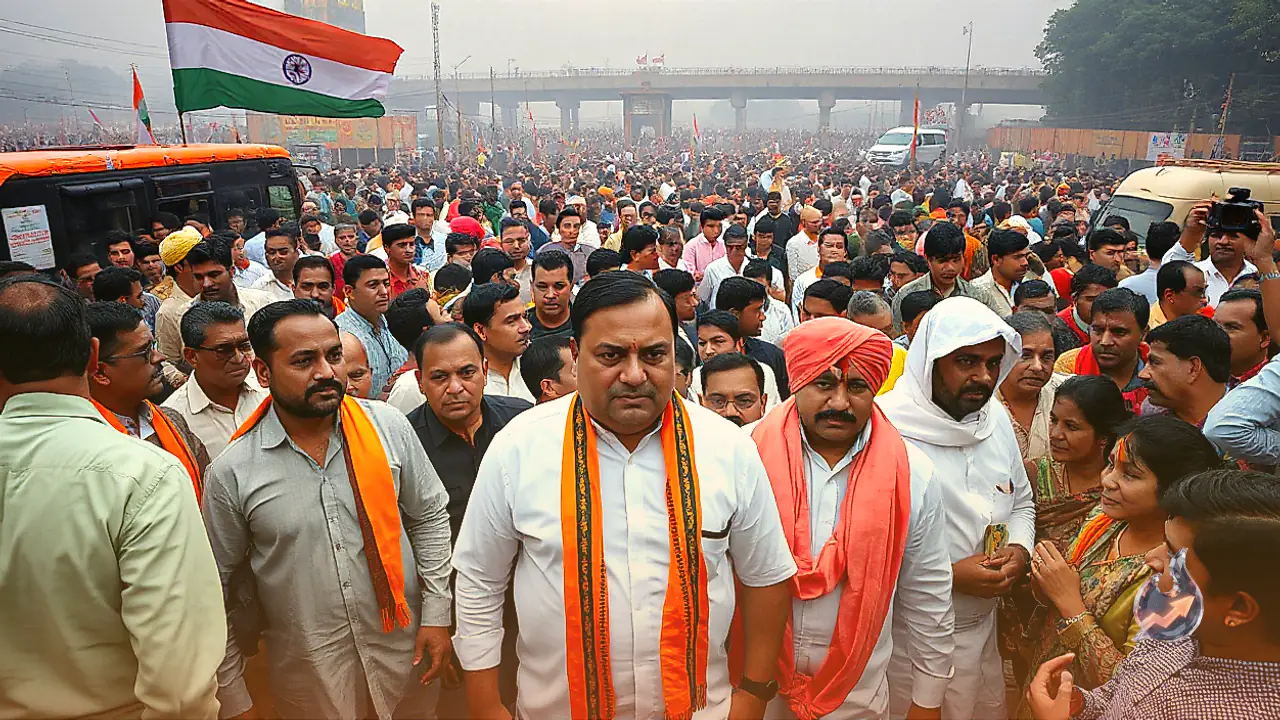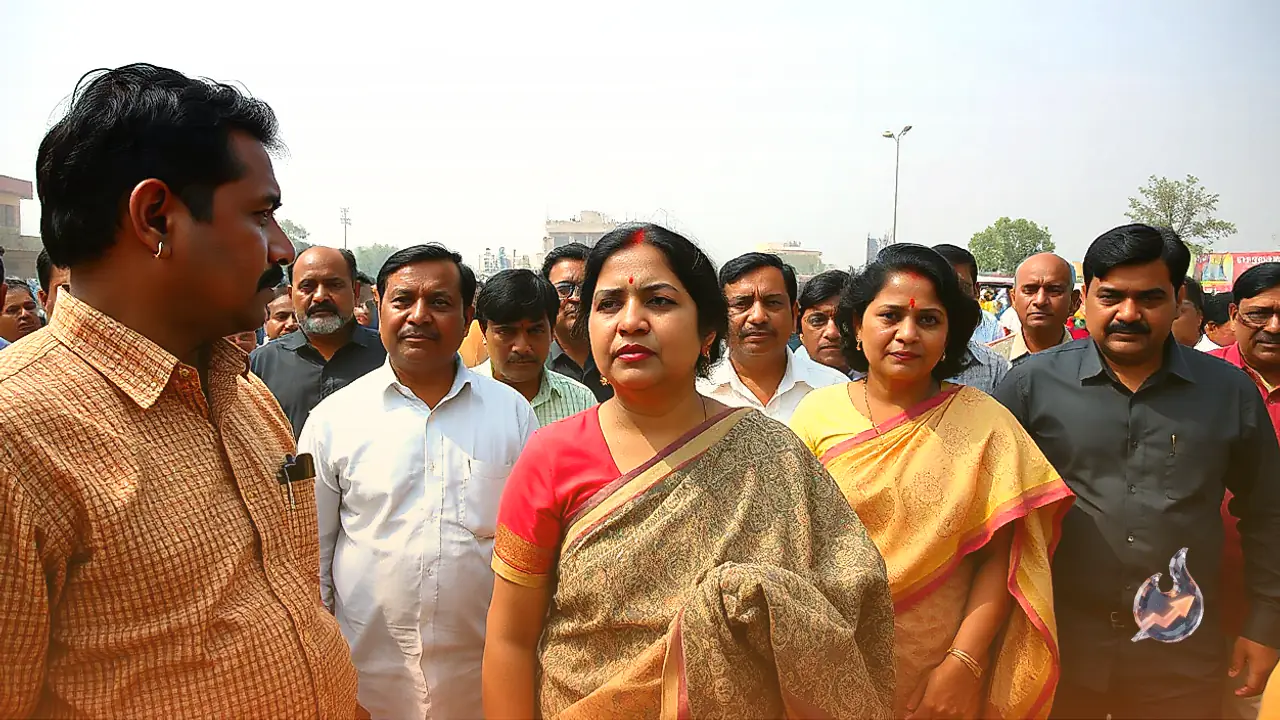





















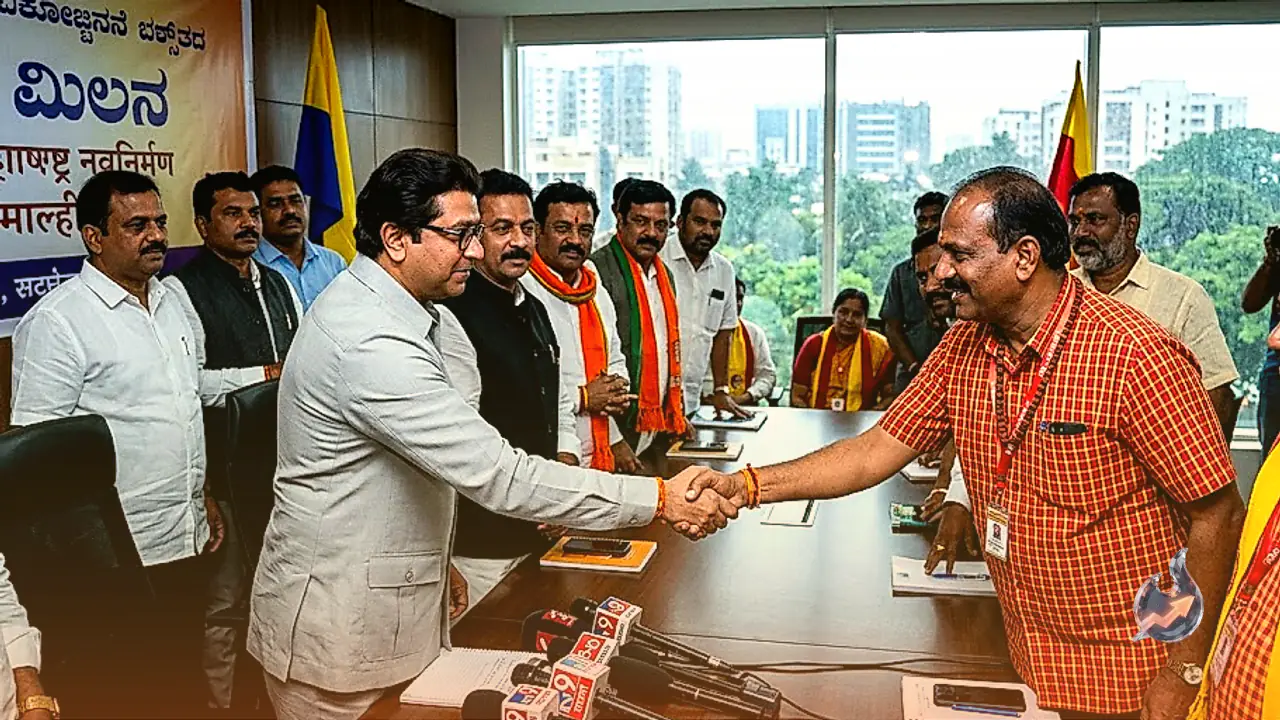

Two prominent regional organizations that stood at opposing ends of political and linguistic divides for years have joined hands on a unified platform. The Maharashtra Navnirman Sena (MNS) and the Karnataka Rakshana Vedike (KRV), which had not held formal discussions for nearly 13 years, established a new political alignment during a high-level meeting in Bengaluru on Tuesday. An MNS delegation led by senior leader Sandeep Deshpande met KRV chief TA Narayan Gowda and other office bearers to discuss pressing federal concerns rather than past animosities. The deliberations focused on central government policies, state autonomy, tax revenue sharing, and language rights. This strategic meeting culminated in the decision to launch the 'Indian Languages Forum', a joint initiative aimed at amplifying regional concerns within the national political landscape.
A 13-Year History of Conflict and the 2013 Exam Clash
The relationship between MNS and KRV has been historically marked by friction and regional rivalry. Over the past decade and a half, both outfits actively championed local language identity within their respective states, often resulting in direct policy clashes. Their last formal confrontation occurred in 2013 over the language medium used in the Railway Recruitment Board examinations, where both organizations aggressively asserted the rights of local job seekers. Additionally, the long-standing territorial dispute over Belagavi along the Maharashtra-Karnataka border frequently placed MNS and KRV on opposing sides of public demonstrations and political discourse.
However, during Tuesday's meeting, both organizations agreed to temporarily set aside the Belagavi boundary issue to unite against common structural challenges. KRV representatives stated that they have no objection if residents of Belagavi choose to learn Marathi, provided there is equal respect for the Kannada language and the local cultural identity of the state. On the other hand, MNS adopted a reciprocal approach regarding Kannada-speaking communities residing in Maharashtra border districts such as Kolhapur, Sangli, and Solapur. MNS leaders emphasized that while local residents should learn Marathi, the Kannada heritage and culture of these regions must be respected. This mutual understanding aims to mitigate lingering border tensions between the two states.
Blueprint of the 'Indian Languages Forum' and Planned Delhi Conference
The formation of the 'Indian Languages Forum' represents a structured effort to challenge perceived central overreach on linguistic and fiscal matters. The joint forum is currently drafting a 10-point Common Minimum Program that outlines collective demands concerning language protection, central tax devolution, and federal rights. MNS and KRV intend to expand this movement beyond Maharashtra and Karnataka, seeking to build a pan-India coalition of non-Hindi regional entities.
To execute this strategy, the forum is organizing a national convention in New Delhi scheduled between October and November. Regional political parties and language rights organizations from across the country will be invited to participate. The target invitees include representatives from Tamil Nadu, Kerala, Telangana, Andhra Pradesh, Goa, Punjab, and West Bengal. MNS leadership confirmed that outreach efforts are already underway in South India, with official meetings planned with local political figures in Tamil Nadu. Supporting this collaborative vision, activist Arun Javgal wrote on X that individuals who genuinely believe in the integrity of the Indian Union should welcome cooperation among diverse linguistic communities. He noted that mutual respect and joint action among Kannada, Marathi, Tamil, Telugu, Bengali, and other language groups serve to strengthen the nation's federal structure.
Addressing Disparities in Central Tax Distribution
A core pillar of the MNS-KRV platform is the demand for equitable fiscal federalism. Both outfits argue that industrialized states like Maharashtra and Karnataka contribute substantial revenue to the central exchequer through direct and indirect taxes. However, they contend that the financial returns allocated back to these states by the central government are disproportionately low compared to their total contributions. The organizations maintain that the existing tax distribution formula unfairly penalizes economically productive states.
Through the 'Indian Languages Forum', the two groups plan to lobby for a revised tax devolution framework that establishes a fair balance between a state's economic contribution and its central allocation. They assert that states generating higher revenues require proportionate budgetary support to maintain infrastructure, fund public services, and drive regional economic growth. This fiscal demand will be highlighted at the upcoming Delhi conference to rally support from other high-revenue-contributing states.
Concerns Over Delimitation and Reduced Political Representation
In addition to financial allocation, the upcoming nationwide parliamentary delimitation exercise has emerged as a major point of concern for both organizations. Delimitation based strictly on population figures threatens to reduce the relative parliamentary seat share of states in western and southern India. MNS and KRV contend that states which successfully implemented national population control policies over recent decades should not face political penalties in the form of reduced parliamentary representation.
The leadership of both groups argues that allocating Lok Sabha seats solely on updated population numbers incentivizes higher population growth while penalizing policy-compliant states. This demographic shift could diminish the political voice of progressive states in national decision-making. Consequently, the forum will advocate for safeguards within the delimitation criteria to protect the existing political weight of these states in Parliament.
Criticism of National Parties and Building a Regional Coalition
Both MNS and KRV raised sharp questions regarding the role of members of Parliament representing major national parties. They alleged that MPs belonging to national parties such as the Bharatiya Janata Party (BJP) and the Indian National Congress consistently fail to strongly articulate state-specific rights and linguistic interests in Parliament. According to the two outfits, national party structures often force local representatives to prioritize central party mandates over regional priorities.
Given these perceived shortcomings, MNS and KRV concluded that regional outfits must independently organize to safeguard their state interests. This alliance presents a critical test for regional politics in India. If the 'Indian Languages Forum' succeeds in uniting regional groups across Maharashtra, Karnataka, Tamil Nadu, Telangana, Punjab, and West Bengal, issues surrounding language rights, fiscal allocation, and federal autonomy could become central themes in national political debate.