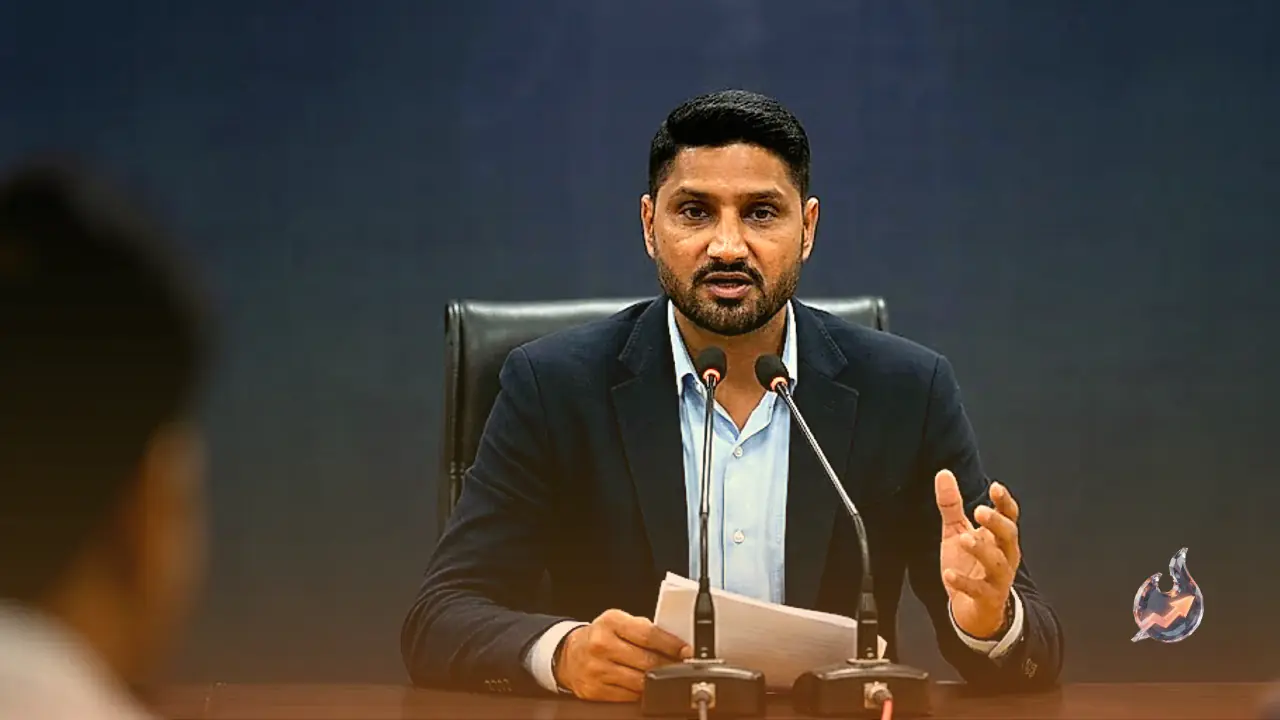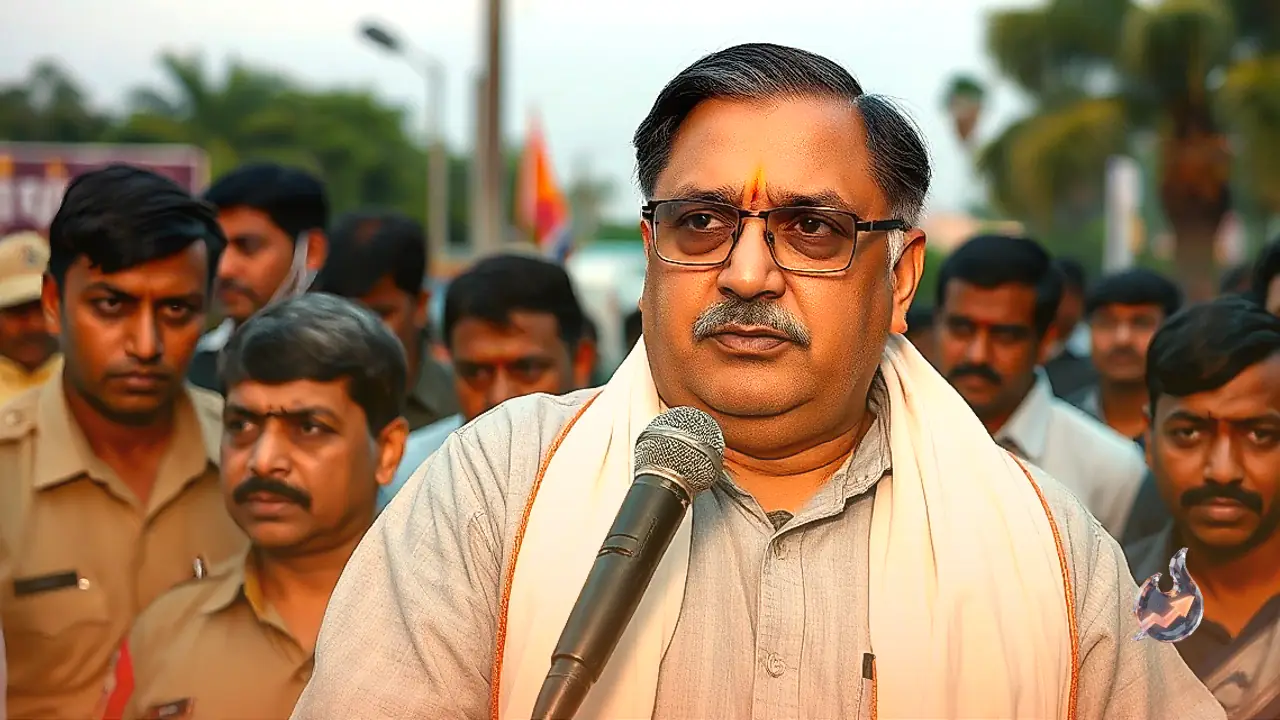











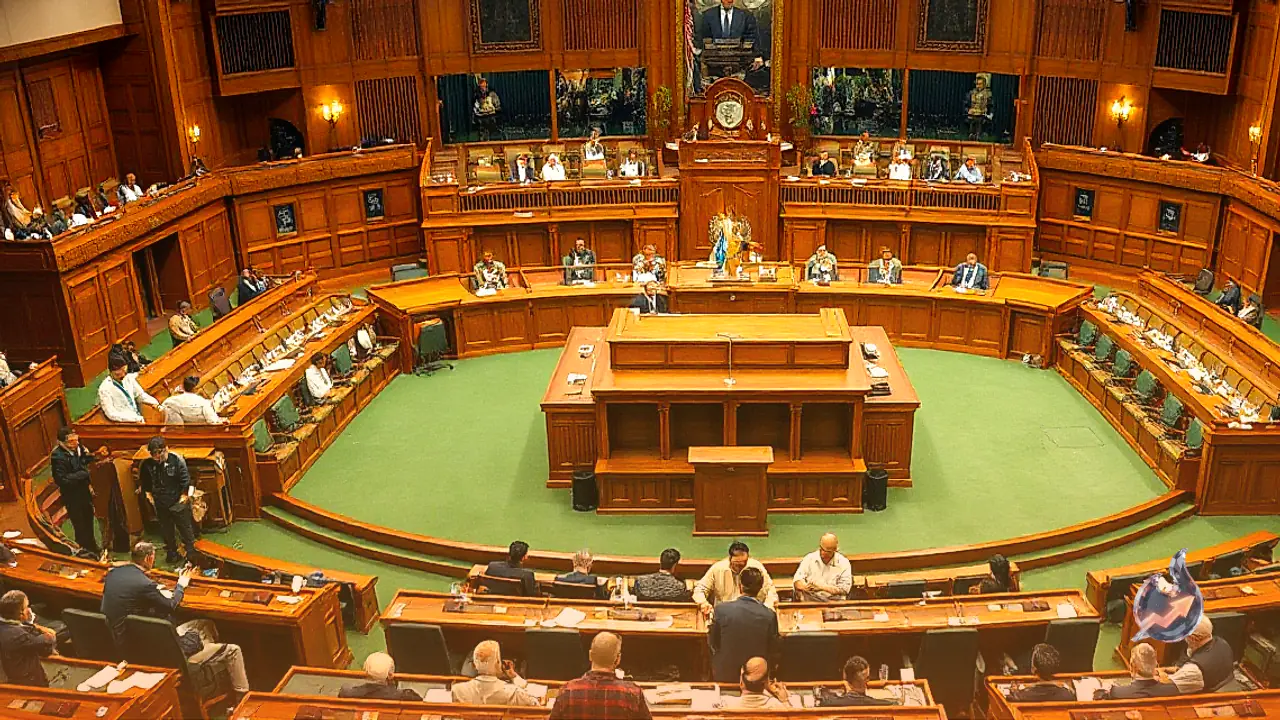

Following the conclusion of the Parliamentary Monsoon Session, Union Minister for Parliamentary Affairs Kiren Rijiju addressed the media to review the performance of both Houses. He stated that the session must be assessed through two distinct lenses. From a legislative perspective, the session achieved significant success as the government successfully steered 12 bills through Parliament. However, from the standpoint of parliamentary debates and constructive discussions, the session fell far short of expectations due to persistent disruptions caused by opposition parties.
Productivity Metrics and Legislative Proceedings
Providing detailed performance figures, Kiren Rijiju noted that Lok Sabha functioned well below its planned capacity. The Lower House recorded an overall productivity of just 19 percent relative to its scheduled time. Meanwhile, Rajya Sabha registered 39 percent productivity. Throughout the duration of the session, the Upper House witnessed repeated slogan-shouting and multiple walkouts by opposition members.
The Parliamentary Affairs Minister highlighted that only a single bill managed to secure thorough debate in Lok Sabha. This specific legislation pertained to measures designed to prevent copying and leaks in public examinations. Beyond this bill, no comprehensive or structured debate took place on any other policy item in the Lower House, leaving the government disappointed regarding the overall quality of parliamentary deliberation.
An Unprecedented Shift in Parliamentary History
Expressing deep dismay over the opposition's conduct, Kiren Rijiju referenced his extensive background in legislative governance. He mentioned that over his three decades of parliamentary experience, he had never witnessed a scenario where the opposition actively avoided scheduled debates. Under standard democratic practices, the opposition usually demands debate while the executive responds, but the current session demonstrated a complete inversion of this norm.
Highlighting the unexpected nature of the proceedings, Parliamentary Affairs Minister Kiren Rijiju stated, "This is the first time I have seen the government ready for discussion, but the opposition is fleeing." He emphasized that such behavior was virtually unimaginable in parliamentary traditions and set a negative precedent for democratic accountability.
Criticism of Congress Strategy and New Members
Directing criticism towards Congress, Kiren Rijiju remarked that MPs from the party appeared to limit their parliamentary role to holding placards and raising slogans. He observed that opposition members arrived at Parliament each morning only to engage in vocal disruptions rather than utilizing their allotted time to debate public issues.
Furthermore, the Union Minister expressed concern for newly elected Congress parliamentarians. He noted that if structured debates do not occur, first-time MPs lose a vital opportunity to learn parliamentary procedure and policy formulation. Rijiju expressed hope that conditions would improve when lawmakers reassemble for the upcoming Winter Session.
Home Minister Amit Shah Writes to Lok Sabha Speaker
Kiren Rijiju revealed that in light of the continuous logjam, Home Minister Amit Shah took the extra step of writing a formal letter to Lok Sabha Speaker Om Birla. In his communication, the Home Minister reiterated the government's total readiness to conduct open, exhaustive, and detailed discussions on all matters raised by the opposition.
Amit Shah requested Speaker Om Birla to interact with opposition floor leaders and persuade them to participate constructively in house discussions. Kiren Rijiju emphasized how rare it is for a government to request the Speaker to convince the opposition to join debates. He added that even on the final day, the government repeatedly urged the opposition to initiate discussion immediately, but the opposition lacked the resolve to engage.