




















The political discourse in India has reached a heightened state of intensity as aggressive language and competing electoral strategies take center stage. Following a series of sharp verbal broadsides launched by Congress leader Rahul Gandhi against the top leadership of the ruling government, the conflict between the opposition and the ruling party has sharpened significantly. At the core of this ongoing debate is whether high-decibel confrontation provides a tactical boost to Congress or ultimately reinforces electoral mobilization in favor of the BJP. From the corridors of Parliament to street-level demonstrations and upcoming state assembly contests, the ramifications of this confrontation are unfolding across multiple political battlegrounds.
Escalating Political Feud Over Aggressive Remarks
During a public event, Congress leader Rahul Gandhi mounted a direct attack on Prime Minister Narendra Modi and Union Home Minister Amit Shah. In his speech, he asserted that members of the public harbor an unnecessary fear of both leaders. He further escalated his rhetoric by describing Narendra Modi and Amit Shah as 'clowns' and 'jokers'. Rahul Gandhi also alleged that the top leadership lacks a foundational understanding of India's historical ethos and philosophy, arguing that they fail to comprehend the realities of contemporary India. Political observers note that his provocative statements, including remarks about driving the establishment to distraction, are designed to challenge the government aggressively and force the ruling party onto the defensive.
Electoral Implications: Strategic Gain or Unintended Loss?
Analysts remain divided on the long-term electoral consequences of this confrontational posture. While Congress has faced persistent electoral setbacks across consecutive national and state elections, the BJP has secured power at the Center for a third consecutive term. In this context, sharp personal criticisms directed at the Prime Minister and Home Minister are interpreted by some as a reflection of underlying political frustration within opposition ranks. While such fiery rhetoric may energ26ize the core ideological base of Congress, it carries the distinct risk of alienating neutral voters who often play a decisive role in elections. Conversely, aggressive personal remarks frequently prompt BJP supporters to consolidate and defend their leadership with even greater vigor.
BJP Counter-attack and Street Level Political Protests
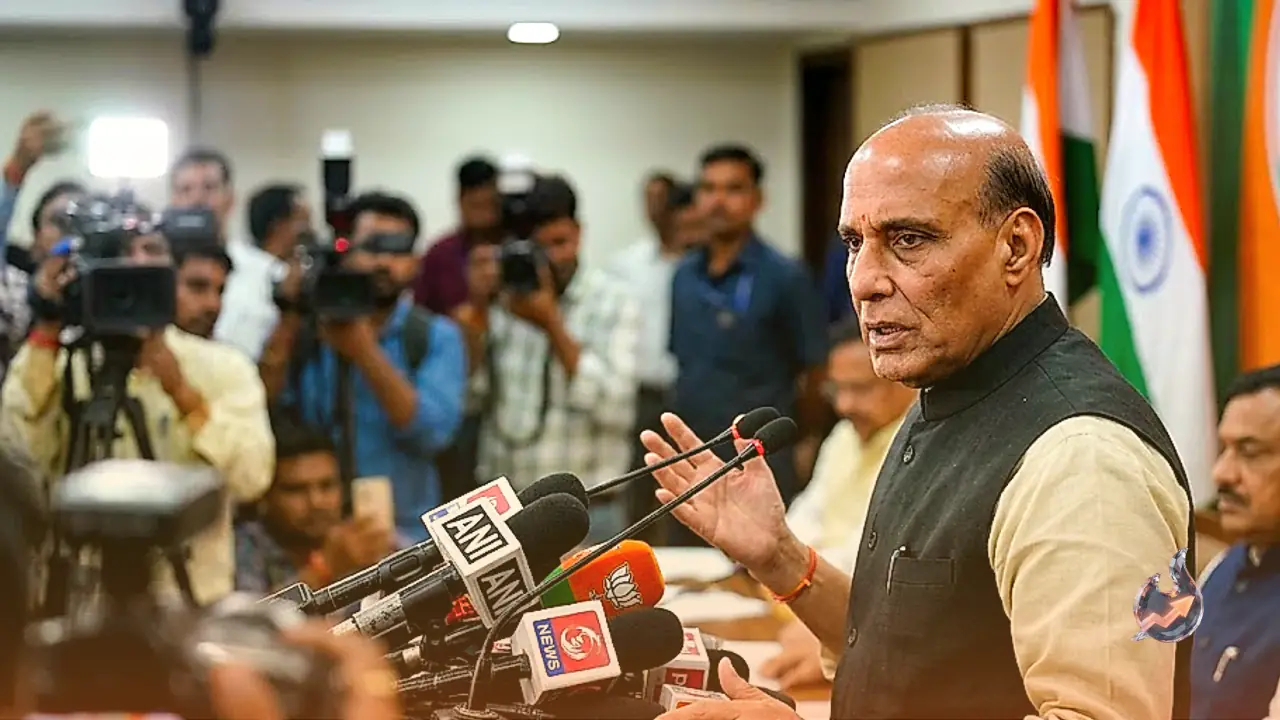
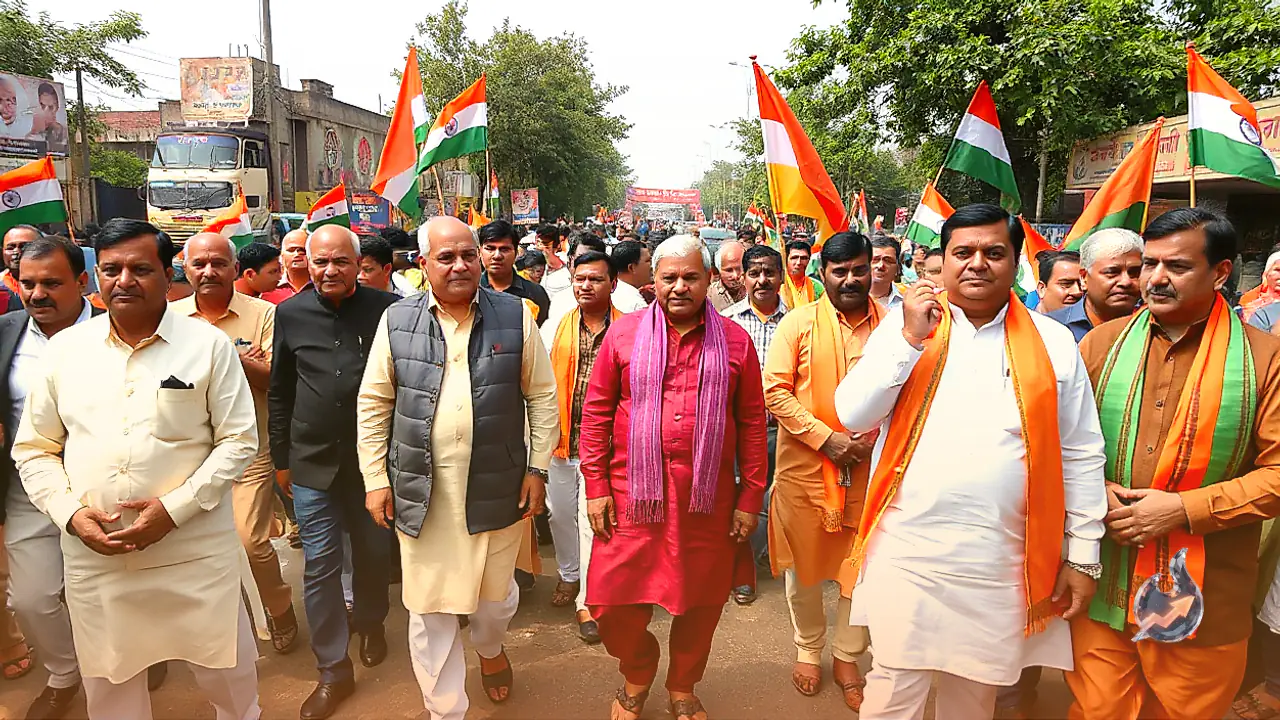
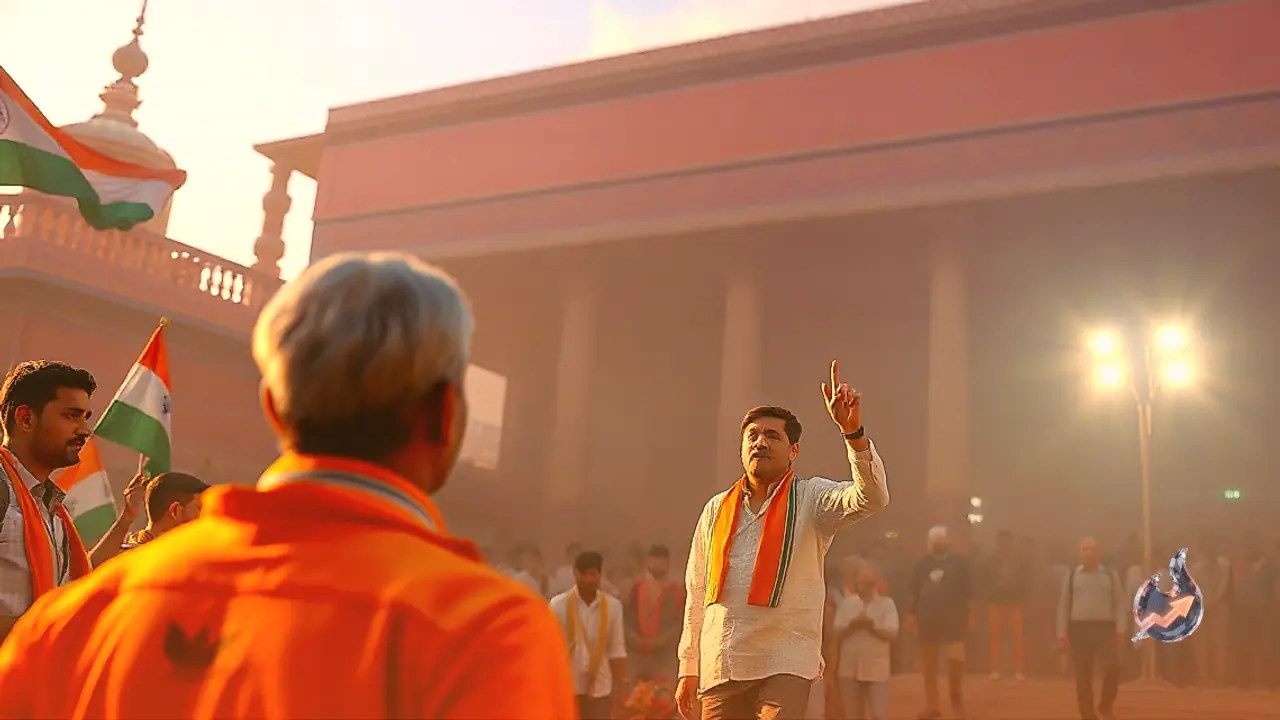
The BJP responded swiftly to Rahul Gandhi's remarks with a stern counter-offensive. Senior leader Ravi Shankar Prasad criticized Rahul Gandhi, describing him as 'foolish, irresponsible, immature, and guilty'. Observers point out that while senior BJP leaders generally adhere to established political vocabulary and avoid matching personal insults in equal measure, the political friction remains high. Simultaneously, public demonstrations at Jantar Mantar and controversy surrounding Dharmendra Pradhan's resignation have added to the friction. A segment of BJP supporters has expressed dissatisfaction over the circumstances of Dharmendra Pradhan's resignation, viewing it as potentially disadvantageous to the party's organizational strength. Furthermore, the protests at Jantar Mantar have drawn comparisons to student movements in Jharkhand, with commentators analyzing similarities in protest methodologies and police responses.
Parliamentary Session Dynamics and Legislative Achievements
Parliament remains the primary constitutional platform for the opposition to hold the executive accountable, challenge policy decisions, and communicate alternative visions to the electorate. Concerns have been raised regarding the opposition's strategy throughout the recent parliamentary session. Congress highlighted its parliamentary achievements, asserting that it successfully stalled or countered government proposals on One Nation-One Election, higher education initiatives, PMCM, and FCRA regulations. The party also took credit for halting progress on proposals related to delimitation and women's reservation. In contrast, legislative records show that the government introduced 12 bills during the session, several of which were successfully passed. Analysts suggest that sustained engagement in parliamentary debates would have afforded the opposition a more effective platform to question the government and offer constructive policy alternatives.
Electoral Battles Ahead: Uttar Pradesh and Punjab Scenarios
The upcoming assembly elections in Uttar Pradesh represent a vital battleground for both Rahul Gandhi and the BJP. The fallout from Rahul Gandhi's strategic stance will directly impact regional dynamics, particularly concerning the Samajwadi Party and Akhilesh Yadav. In Uttar Pradesh, Chief Minister Yogi Adityanath will seek a third term, with the contest expected to center on his governance record and leadership credentials. Statistically, Akhilesh Yadav faces the challenge of building beyond the 47 seats won by the Samajwadi Party in 2017, whereas the BJP previously demonstrated overwhelming dominance by winning over 300 seats. Meanwhile, in Punjab, current political dynamics indicate that the Aam Aadmi Party could emerge as the single largest party, though political analysts do not rule out the possibility of a hung assembly.