







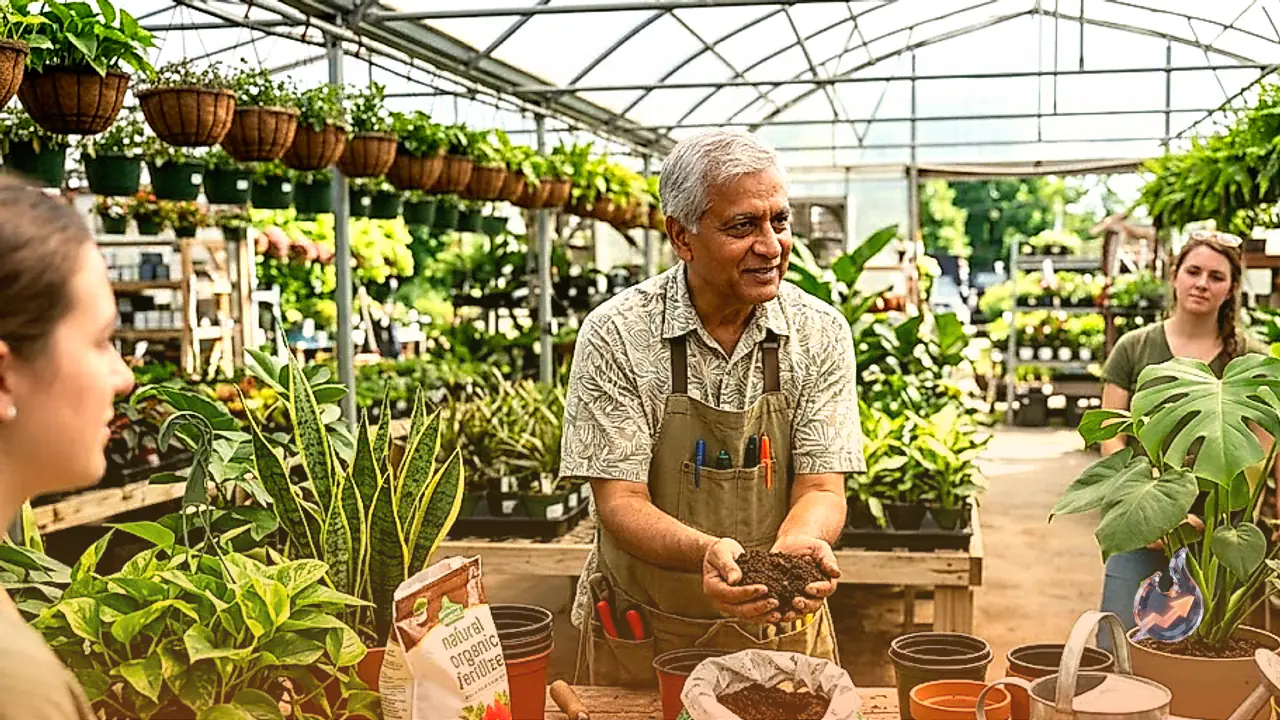














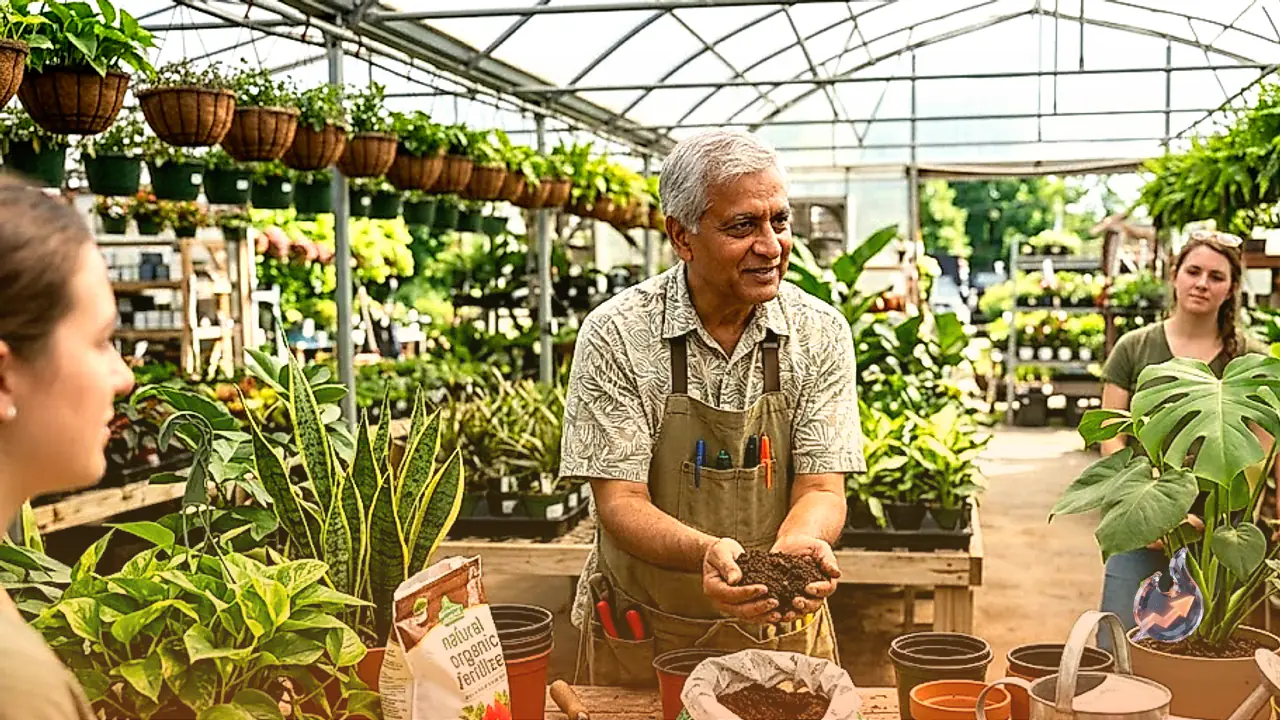

A deep affection for plants and a desire to cultivate a charming domestic garden are common aspirations, yet many enthusiasts watch their greenery wither away simply due to a lack of proper guidance. If you are eager to establish a thriving green space around your living area, these insights will prove immensely valuable. Renowned landscaping specialist Ravindra Kabra, whose work has been recognized globally in premier hostels, has outlined several practical and fundamental formulas to make home gardening straightforward and successful.
The Golden Ratio of Soil and Fertilizer
Preparing the right medium before planting in a pot is the most crucial preliminary step. According to expert guidance, the ideal blend consists of 70 percent standard gardening soil combined with 30 percent organic manure, such as vermicompost or cow dung manure. When potting a plant, fill the container halfway first, position the plant centrally, firm the soil evenly around it, and then water as required. Plants do not need frequent fertilizing; to maintain nutrition throughout the year, designate just three specific months, which are February, July, and October, to supply organic nourishment.
Seasonal Watering Schedules
Plants do not require daily watering, and hydration routines should always be adapted to prevailing weather conditions. During rainy periods, watering should be done with a one-day gap in between. In winter, watering once every three days is sufficient. A reliable visual indicator is leaf behavior; if the foliage begins to droop or wilt, it is an immediate sign that the plant requires watering right away.
Preventing Water Logging and Protecting Roots
A flourishing green plant often dies suddenly, and the primary culprit behind this is water logging or excessive water retention inside the pot. If stagnant water remains trapped, the roots can rot within 48 hours, leading to the plant's demise. Much like clearing a blockage in the human heart, the drainage hole at the bottom of the pot must be periodically cleaned using a sharp instrument. Once the blockage is cleared, excess water drains out, saving the plant from perishing.
Trimming and Sunlight Requirements
To encourage fresh blooms and new leaf growth, regular pruning is essential, with February and July considered the most favorable months for this task. Furthermore, flowering plants should only be chosen if your home receives three to four hours of good sunlight daily. If sunlight is limited, it is best to opt for indoor or foliage plants that do not demand intense exposure.