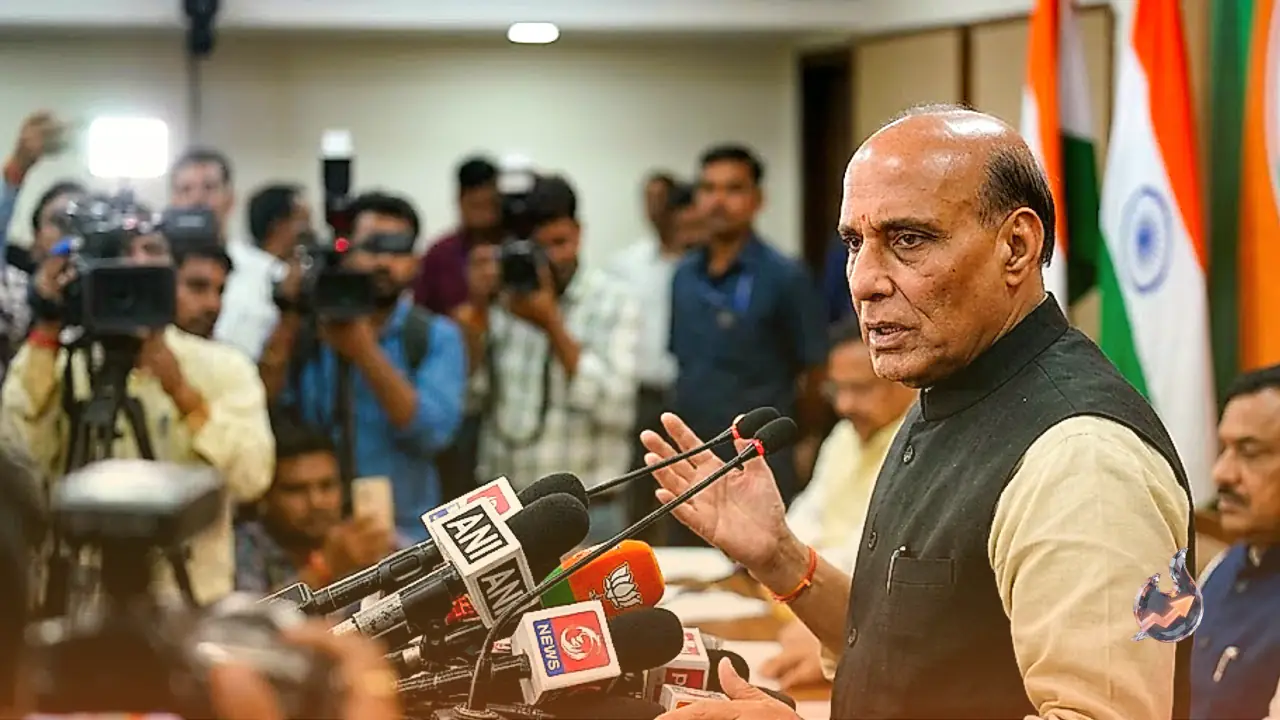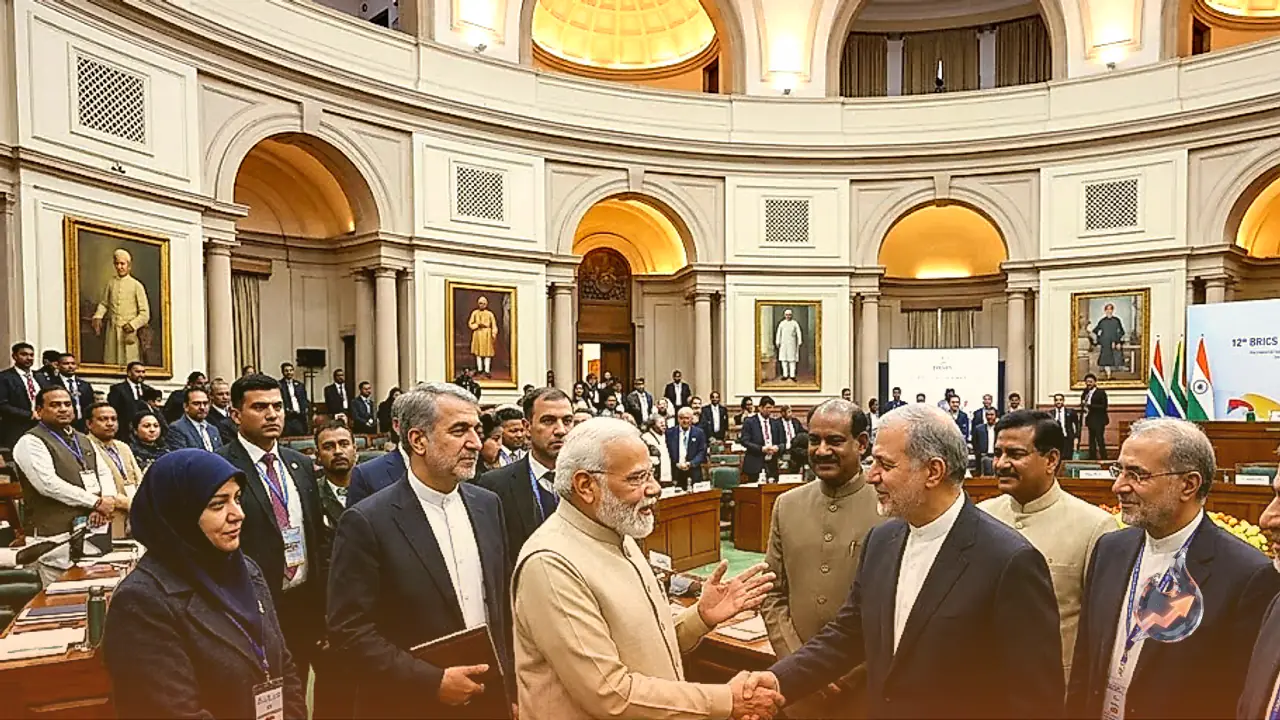





















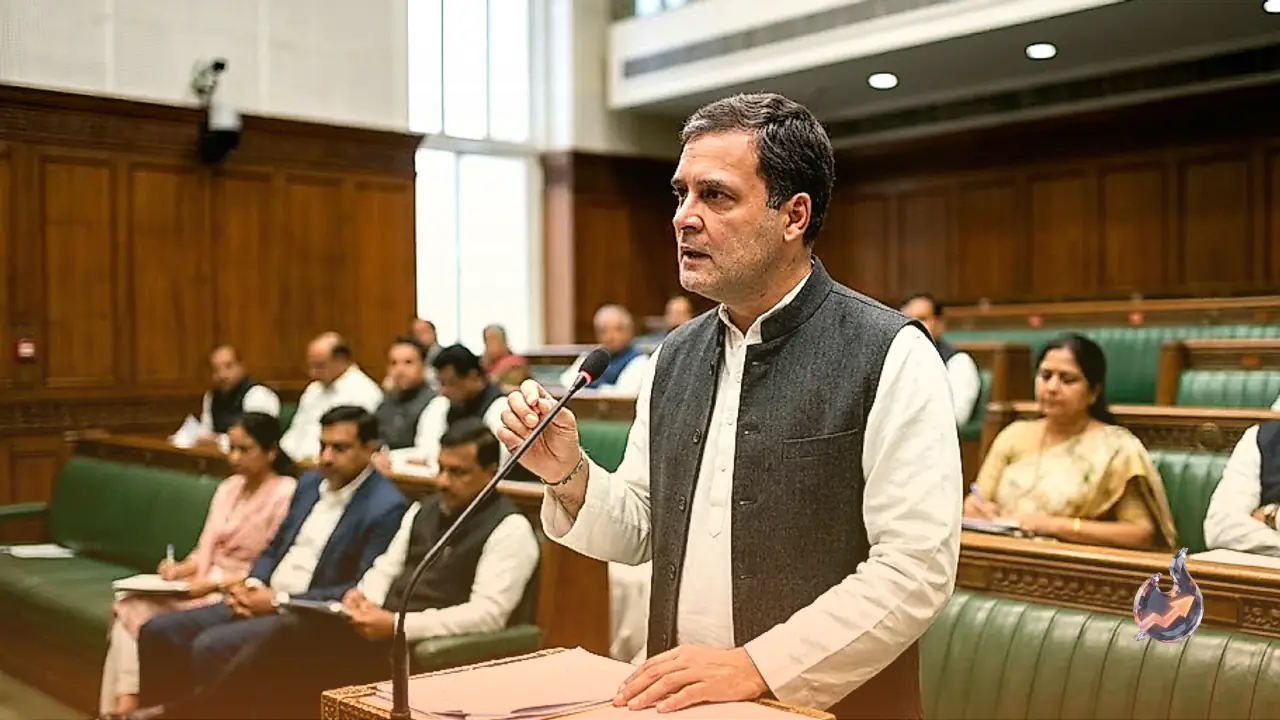

Parliament has commenced discussions on a robust legislative bill aimed at putting a definitive end to paper leaks in public examinations. Initiating the debate, Minister of State in the Prime Minister's Office Jitendra Singh made it clear that individuals involved in leaking question papers will face uncompromising penal action. He informed the house that special fast-track courts have been established across Delhi, Maharashtra, Madhya Pradesh, and Uttarakhand to ensure speedy trials and convictions for perpetrators.
Scope and Coverage of the New Legislation
A notable aspect of this upcoming law is its extensive jurisdiction. It will not be restricted merely to examinations conducted by the National Testing Agency, but will encompass a wide array of recruitment tests including the UPSC, SSC, railway examinations, public sector banks, and various other central government recruitment drives. This broad coverage ensures that integrity is maintained across the entire public examination ecosystem.
Heavy Fines and Long Prison Sentences
Under the provisions of the new law, any individual found guilty of leaking a paper will face imprisonment ranging from five to ten years, coupled with a fine of up to 50 lakh rupees. If an organized syndicate or gang is found to be involved in the conspiracy, the members will face imprisonment between seven to ten years and fines extending up to 10 crore rupees. Furthermore, service providers responsible for biometric verification or the logistics of transporting question papers will also be held liable if complicit, facing five to ten years in prison and penalties up to five crore rupees.
Time-Bound Investigation and Judicial Process
To eliminate systemic delays, the legislation mandates strict timelines. Investigating agencies must complete their probes within two months, while fast-track courts are required to conclude hearings within three months. Any judgment delivered by a fast-track court can be challenged in the High Court within thirty days, and the High Court must also pronounce its verdict within a three-month window. This framework effectively seeks to dismantle the conventional cycle of prolonged court hearings.
Addressing Skepticism and Strengthening the Framework
Addressing critics who question the necessity of a new law, it is evident that previous frameworks were often perceived as weak, allowing offenders to secure bail easily and drag cases through courts indefinitely without reaching a final verdict. The government has now stepped in to plug these loopholes. Bail will no longer be easily accessible for paper leak accused, and final verdicts are mandated within six months, alongside heightened penalties. If opposition parties believe further provisions are required, constructive suggestions remain welcome.
High-Powered Task Force for Systemic Reforms
To ensure that the examination infrastructure becomes entirely foolproof, the government has constituted a high-powered task force under the leadership of Infosys co-founder Nandan Nilekani. This panel is tasked with recommending comprehensive solutions to overhaul both the examination procedures and the broader government recruitment mechanism.
Student Protests and Political Reactions
The impetus for these reforms undeniably stems from widespread student agitations that compelled the administration to act. While political parties engage in debates to claim credit and navigate the optics of the situation, the ultimate outcome is a secure examination structure designed to deter corrupt mafias.
Status of Cases Against Demonstrating Students
Reassuring students and parents remains paramount. Referencing insights shared by former Solicitor General Harish Salve during a recent media discussion, legal experts note that historical precedent shows student demonstrators are rarely subjected to long-term criminal convictions. Past agitations across various eras have consistently seen related police cases eventually withdrawn once administrative processes conclude, ensuring that protesting students do not face permanent legal jeopardy. Further commentary on this matter has been detailed by Rajat Sharma.