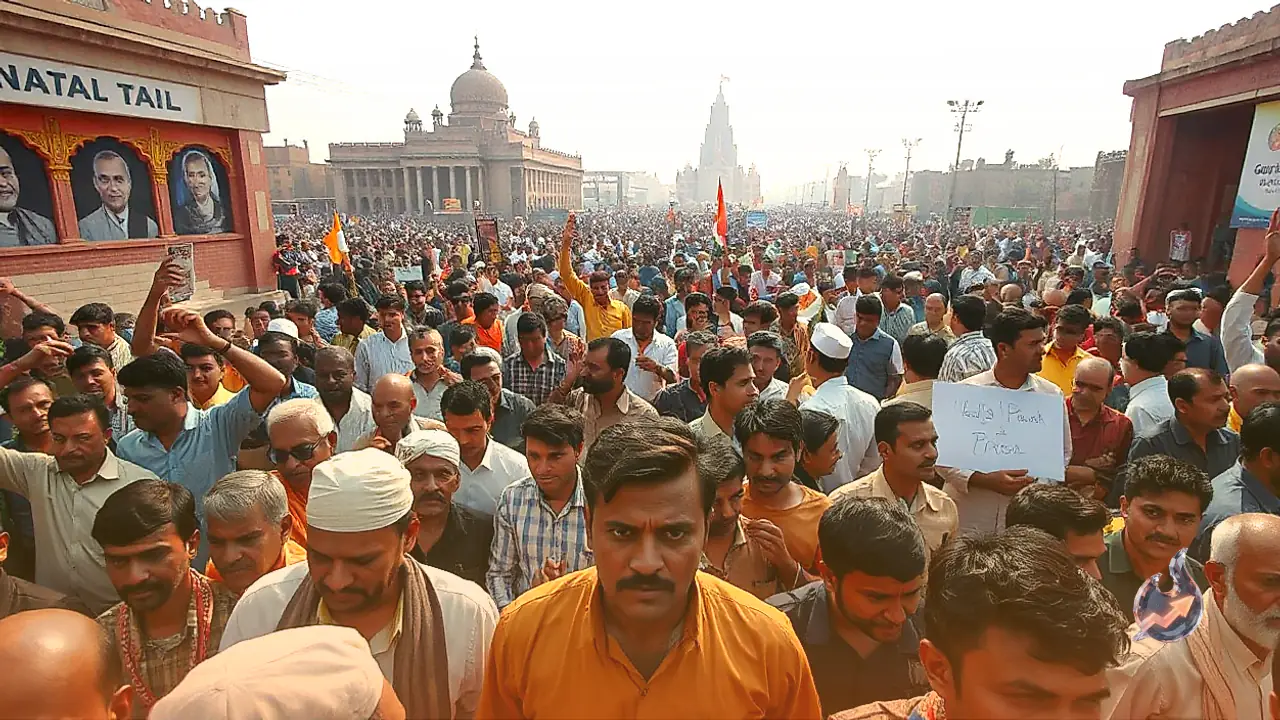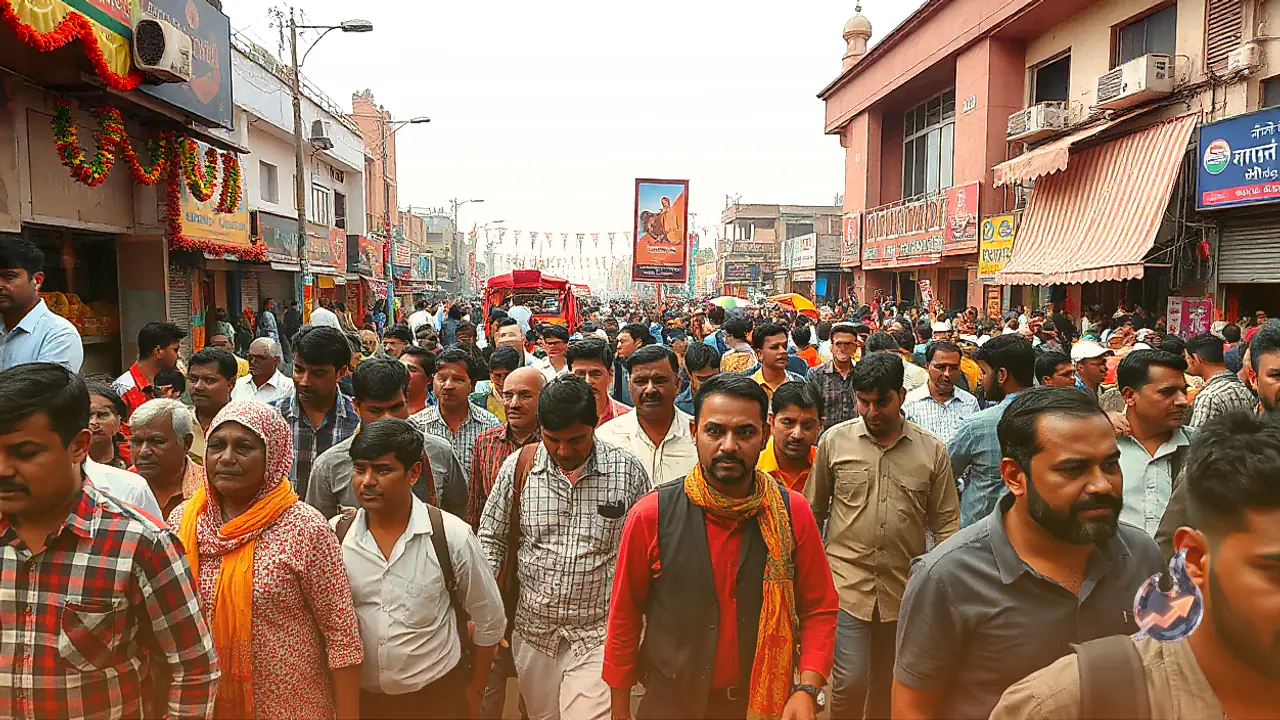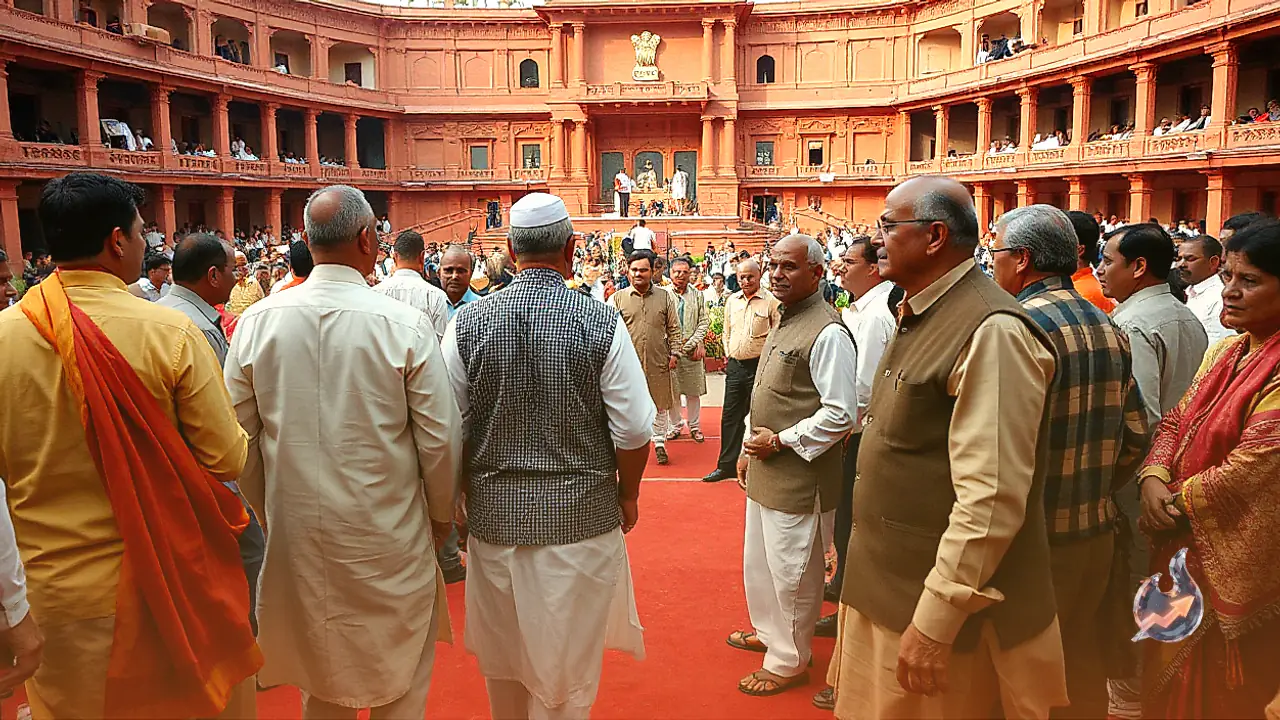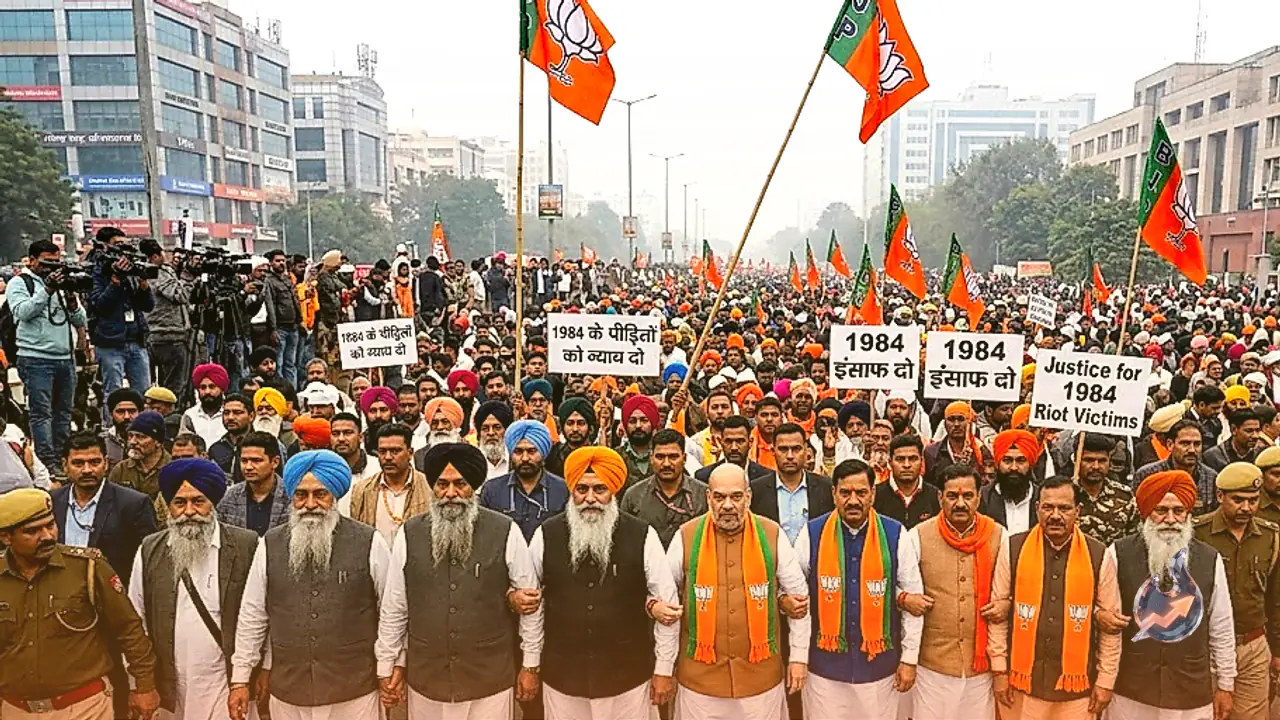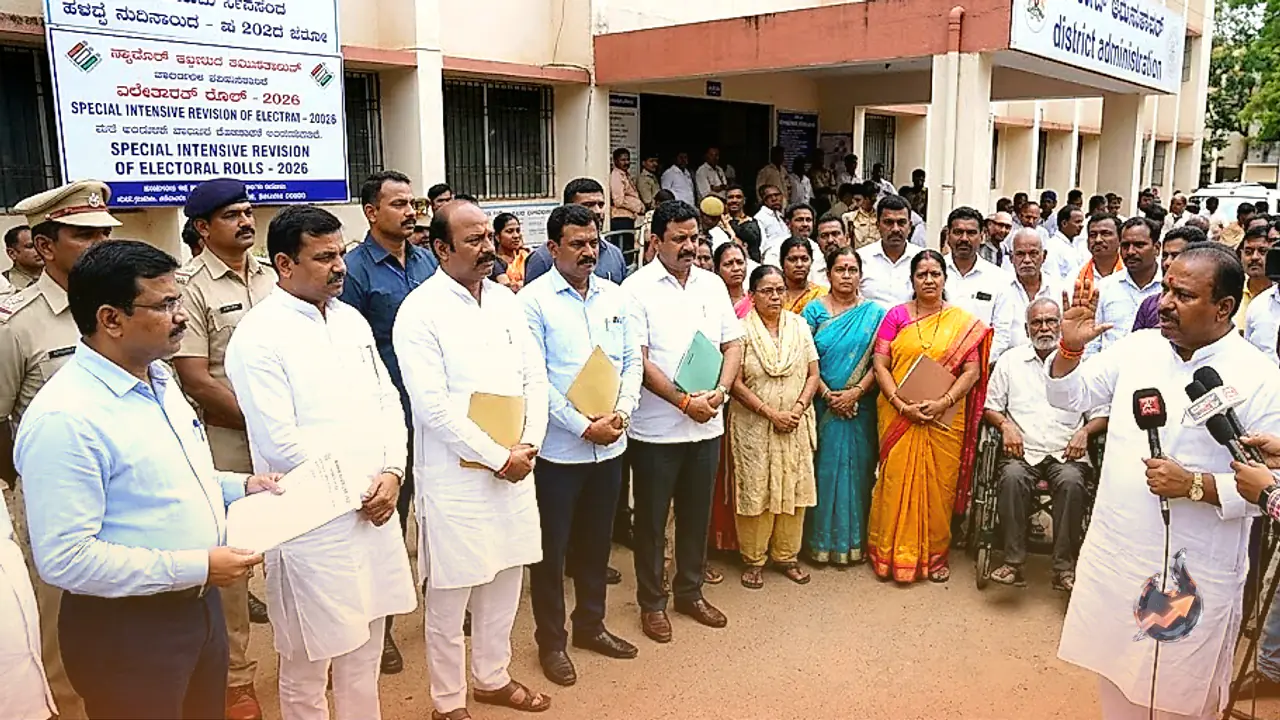
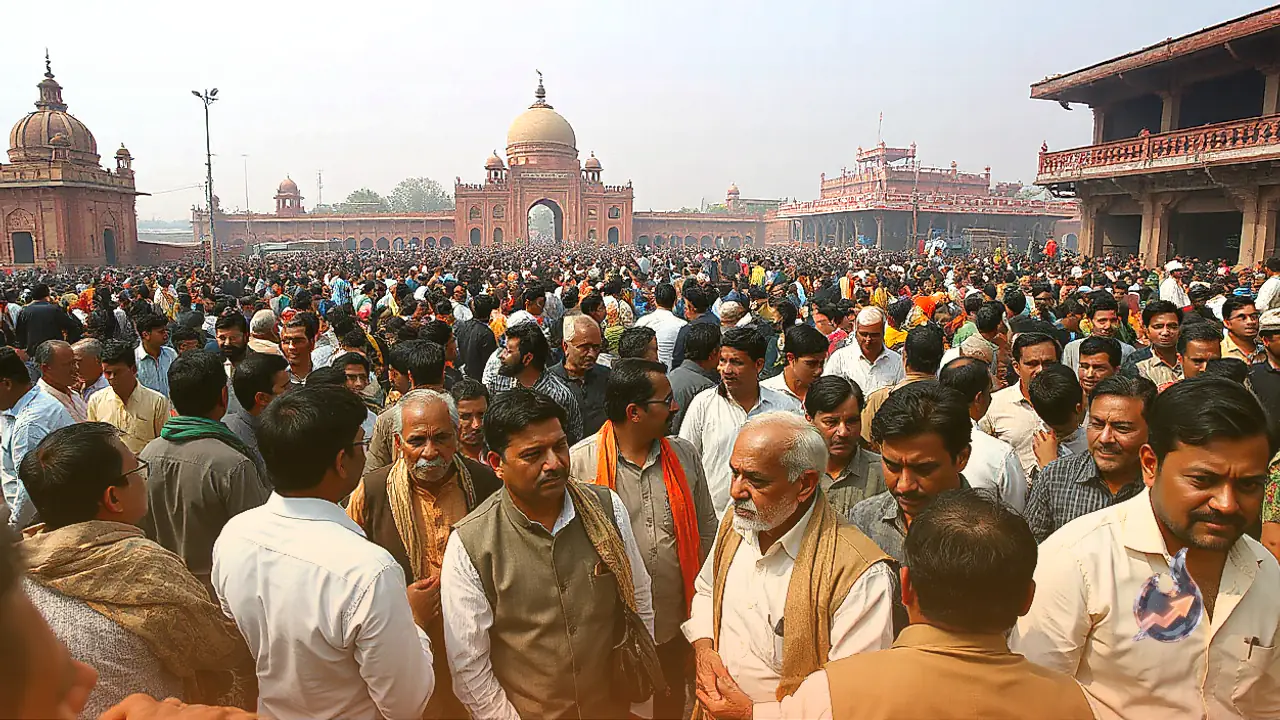















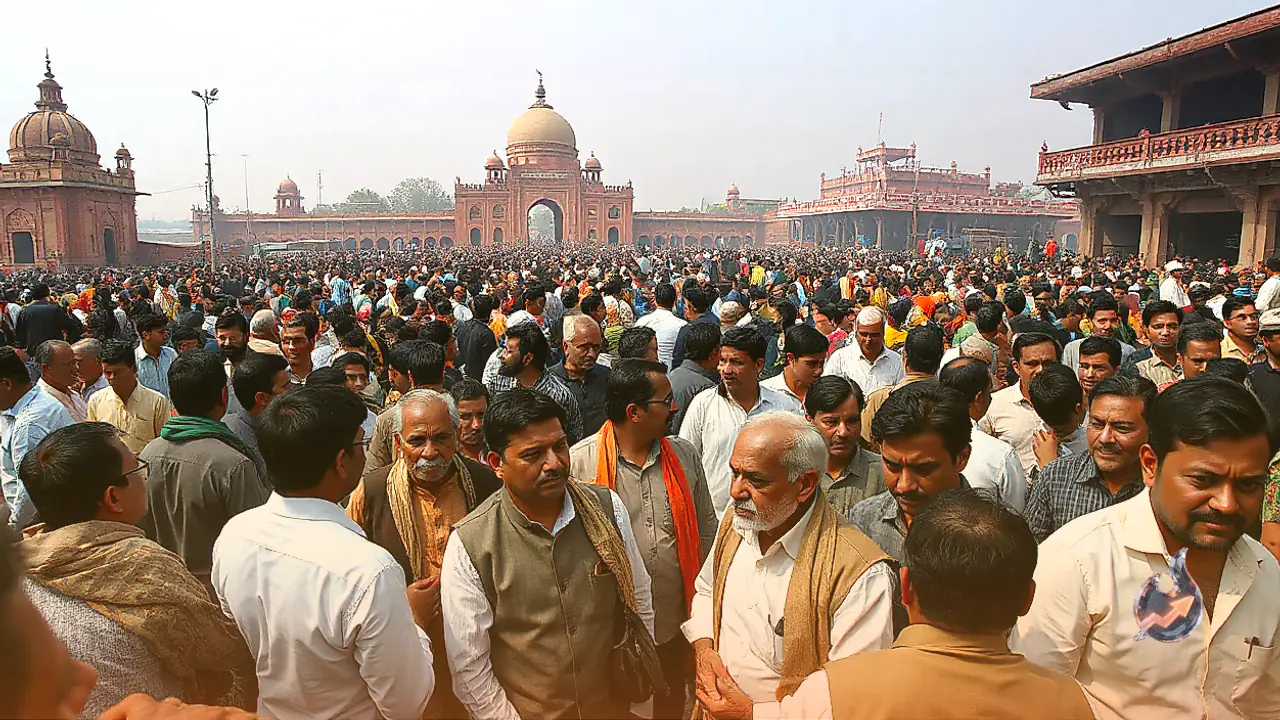

Delhi's historic Ramlila Maidan has once again become the focal point of high-voltage political mobilization as the opposition bloc mounted a collective demonstration on Sunday. Organized under the banner of 'Save Vote, Save Country', the large-scale rally aims to raise pressing questions about electoral irregularities, voice fierce opposition to the Special Intensive Revision (SIR) of voter lists, and press for the immediate resignation of Chief Election Commissioner Gyanesh Kumar. The joint gathering has drawn together prominent political figures, grassroots party cadres, youth and student unions, alongside delegates from various civil society organizations.
March Itinerary and Coalition Presence
The day's proceedings were structured around a daylong public assembly spanning from 10 am to 5 pm at the venue. Alongside the main gathering, a planned march was slated to step off at 12 pm from the Minto Road and Connaught Place junction, heading toward Ramlila Maidan. Senior alliance leaders congregated at the residence of Congress President Mallikarjun Kharge before boarding open-top buses to reach the designated assembly point of the march. Key regional and national leaders, including Akhilesh Yadav, Mamata Banerjee, and Tejashwi Yadav, joined representatives from 19 allied political parties to present a united front on the stage.
Multi-Tier Security Grid and Surveillance
To maintain law and order across central corridors, extensive security preparations were rolled out by Delhi Police alongside Central Armed Police Forces. More than 4,000 police personnel accompanied by paramilitary companies have been positioned along the march route and within the perimeter of Ramlila Maidan. The sprawling venue has been segmented into 14 distinct security zones, each placed under the direct operational command of an officer of the rank of Assistant Commissioner of Police (ACP).
Surveillance measures include the deployment of over 200 CCTV cameras, body-worn cameras on field personnel, and airborne drones to track crowd movements. An integrated on-site control room has also been established inside the grounds to coordinate emergency responses. While event organizers and the Congress asserted that attendance could cross the 10 lakh mark, police estimates projected a turnout in the vicinity of 50,000 participants.
Ground Preparations and Influx of Supporters
Ground conditions required urgent intervention right up to the final hours before the scheduled start. As late as 4 hours prior to the rally, two JCB earthmovers were deployed inside Ramlila Maidan to fill in waterlogged and muddy patches across substantial sections of the venue using dry soil. Workers labored to ensure the stage and seating areas remained accessible despite the soggy terrain.
Supporters from varied regions made their way to the capital early in the morning. Large contingents of Left party workers arrived via the New Delhi Railway Station to join the assembly. Meanwhile, hundreds of participants traveling from multiple districts across Himachal Pradesh reached Himachal Bhawan in Mandi House aboard buses and tempo travelers, before regrouping to advance toward the venue.
Traffic Diversions and Commuter Advisory
Owing to the scale of the gathering and vehicular movement, traffic curbs and route diversions were enforced between 10 am and 5 pm across major arterial segments. Authorities cautioned that corridors around ITO, Delhi Gate, Rajghat, Ajmeri Gate, and Turkman Gate were susceptible to congestion, advising motorists to plan journeys ahead and make use of alternative routes throughout the day.