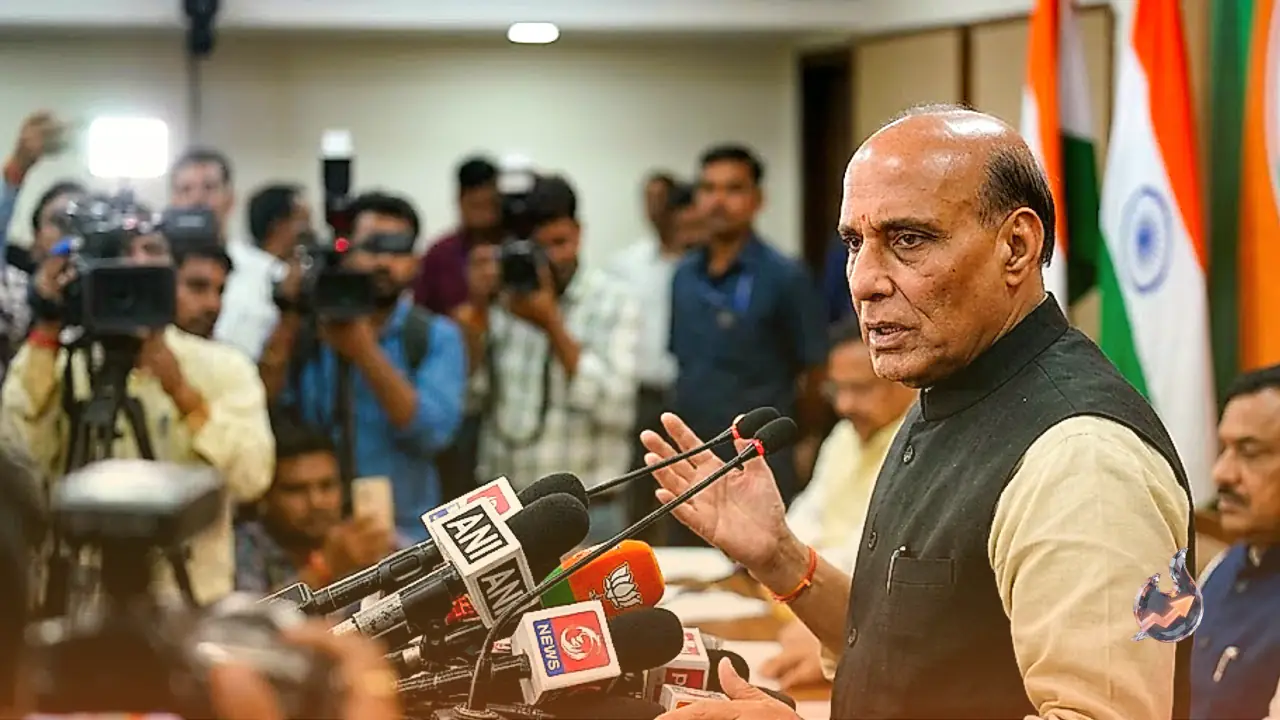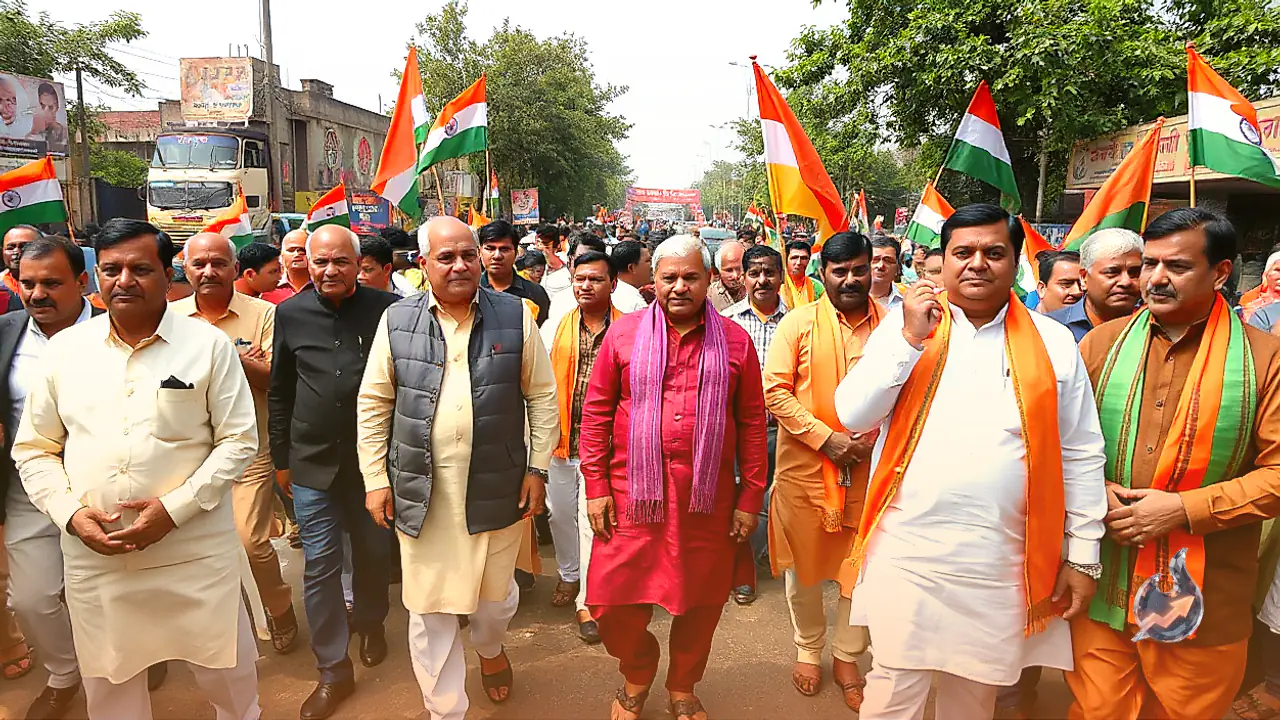



















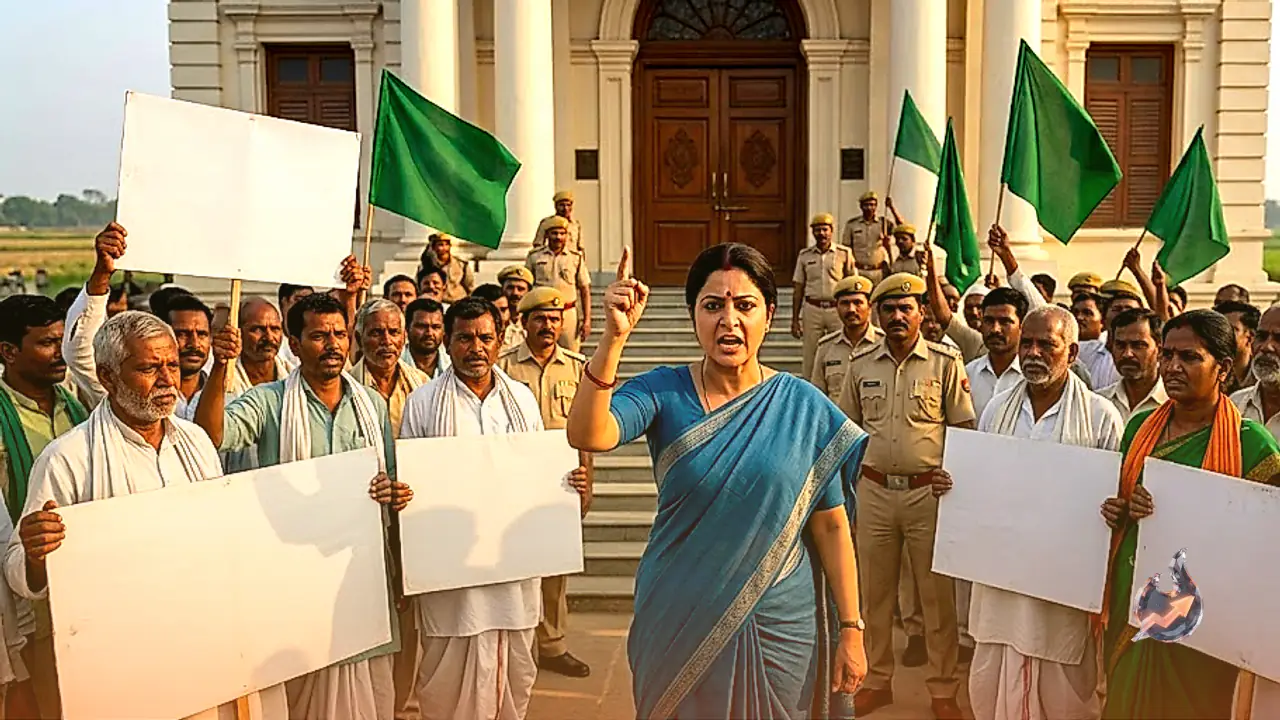

Tuesday's proceedings in the Bihar Legislative Council commenced with massive disruptions and a highly charged political atmosphere. The core of the conflict revolved around the state's financial management and a highly controversial proposal to introduce holding taxes in rural areas. Senior Rashtriya Janata Dal legislator Sunil Singh took a hardline stance against the government's initiative by moving an adjournment motion. Through this parliamentary tool, he demanded that all scheduled legislative business be suspended immediately to facilitate an urgent debate on the rural taxation plan. Seizing the opportunity, opposition lawmakers launched a coordinated verbal assault on the ruling coalition, continuously shouting slogans and eventually storming the well of the House.
Tax Proposal Draws Comparisons to British Rule
Spearheading the opposition's fierce resistance, RJD leader Sunil Singh categorized the proposal to levy property taxes in villages as fundamentally anti-people. He argued that a vast majority of Bihar's population resides in rural belts, where agricultural workers and local residents are already battling numerous economic hardships. Adopting a particularly aggressive tone, he drew a direct parallel between the proposed tax policy and the oppressive practices of the colonial era. He asserted that the administration's plan to collect taxes by going door-to-door in villages is eerily similar to how the British economically exploited marginalized and poor citizens. He accused the ruling establishment of devising schemes solely to drain the resources of common people.
Black Badges and Allegations of Financial Mismanagement
The method of protest adopted inside the legislative chamber was visually striking and symbolic. Numerous honorable members of the opposition arrived at the session wearing black badges on their clothing and hands, signaling their deep dissatisfaction with the state's policies. The opposition utilized the platform to level serious allegations regarding the government's economic health, claiming that multiple crucial state departments are currently paralyzed by a severe financial crisis. The legislators alleged that the ruling coalition is deliberately imposing fresh taxes on the rural public merely to cover up its inability to fund ongoing development projects. Their refusal to back down led them right in front of the presiding officer's chair, completely halting the normal functioning of the Council for an extended duration.
CM Samrat Choudhary Rebuts Opposition Claims
Faced with relentless sloganeering and mounting pressure from the rival benches, the treasury side was forced to intervene and clarify its position. Amidst the heavy uproar, CM Samrat Choudhary stood up to directly address the protesting opposition members and defend the government's fiscal strategies. He sought to calm the agitated environment by providing a firm guarantee that no new economic burden would be placed on the general public, particularly the poorest sections of society. Adding context to his statement, he noted that certain taxes meant for municipal corporations and sanitation services are already standard practice, and the current debate is strictly confined to those parameters. He promised that if any specific provision of the holding tax causes unforeseen difficulties, the government is fully prepared to reconsider it. He stated clearly that no tax will be imposed on the poor under any circumstances.
Deputy CM Guarantees Transparent Legislative Process
In a bid to finally break the deadlock and reaffirm the administration's commitment to democratic processes, Deputy CM Vijay Kumar Choudhary stepped in with a resolute official assurance. He emphasized to the protesting lawmakers that no legislation can be enforced without absolute transparency in a functioning democracy. The Deputy CM provided a clear and unequivocal guarantee that the state would not bypass the House to enact any new law or legislative amendment. He explicitly assured the members that before any new tax burden is formally applied to the villagers of Bihar, the matter will be subjected to an exhaustive and detailed discussion within the holy House, ensuring that every concern is addressed prior to implementation.