


















Police Given Full Freedom Against Criminals In West Bengal, Says Minister Dilip GhoshPolitics
23 Aug 2026, 9:41 pm (64 days ago)· 2

Police Given Full Freedom Against Criminals In West Bengal, Says Minister Dilip Ghosh

West Bengal minister Dilip Ghosh stated that police have been given complete autonomy to act against criminals, declaring that the culture of intimidation is now a thing of the past.

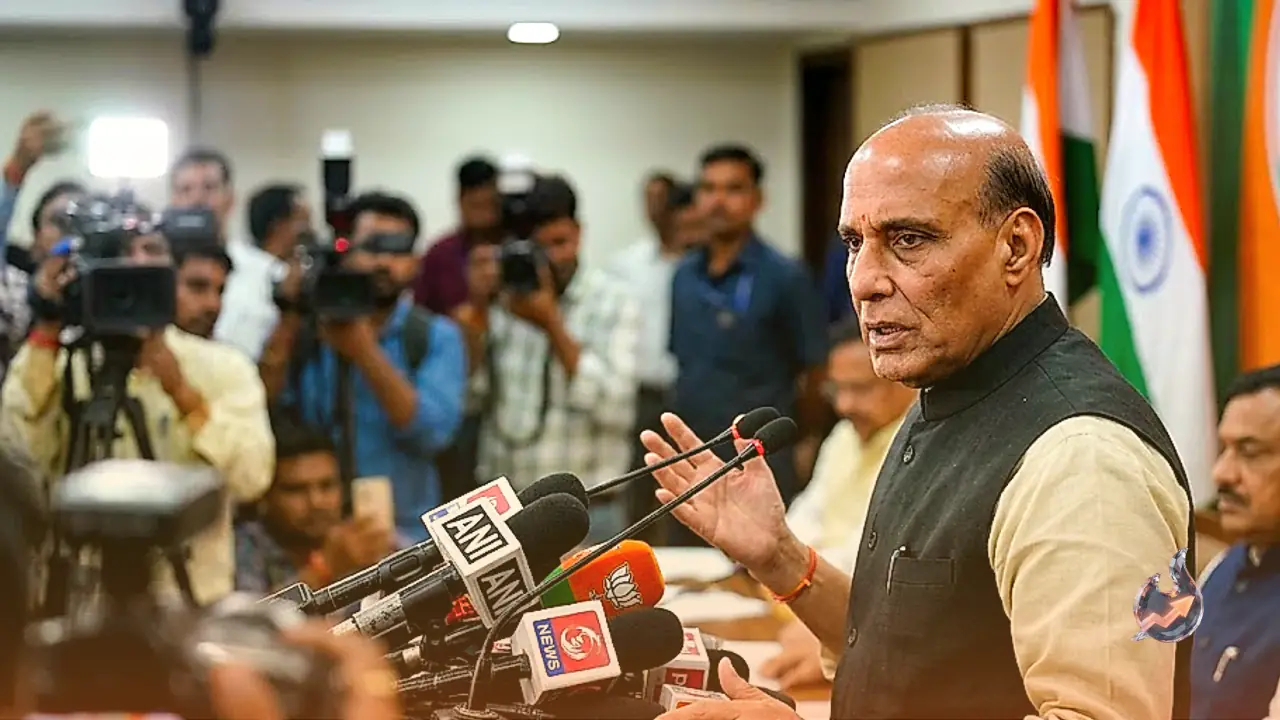
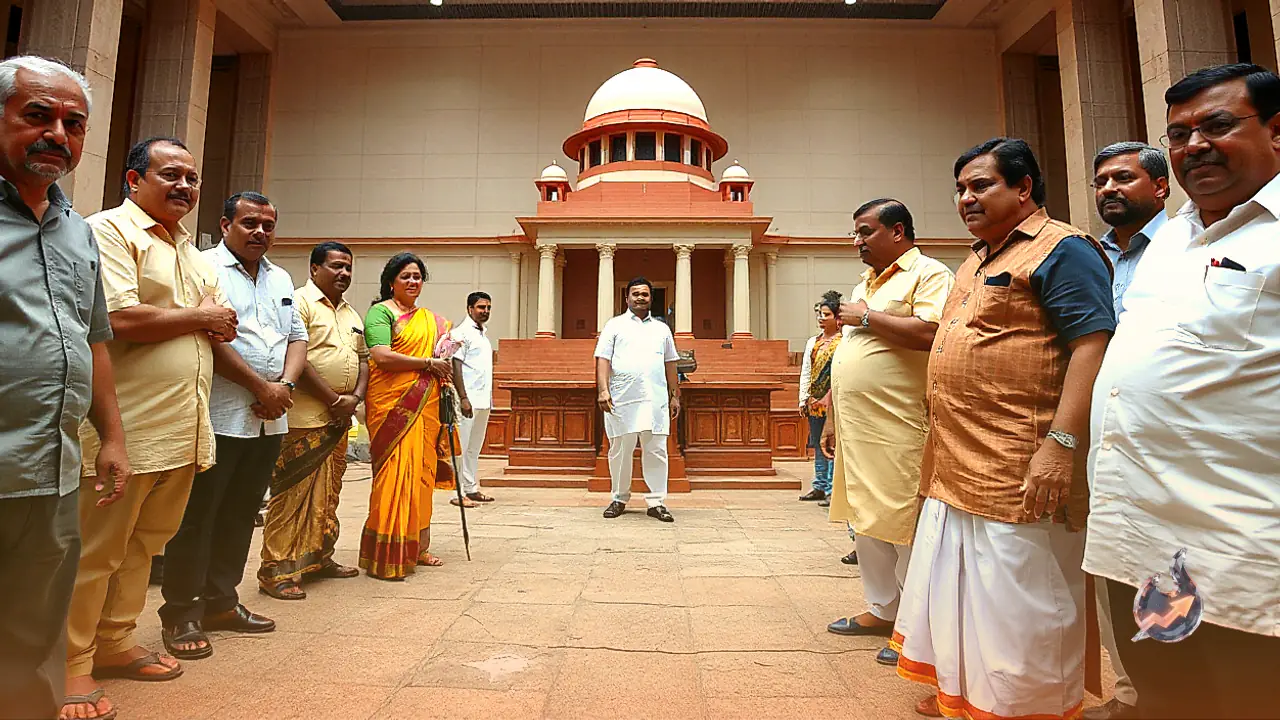
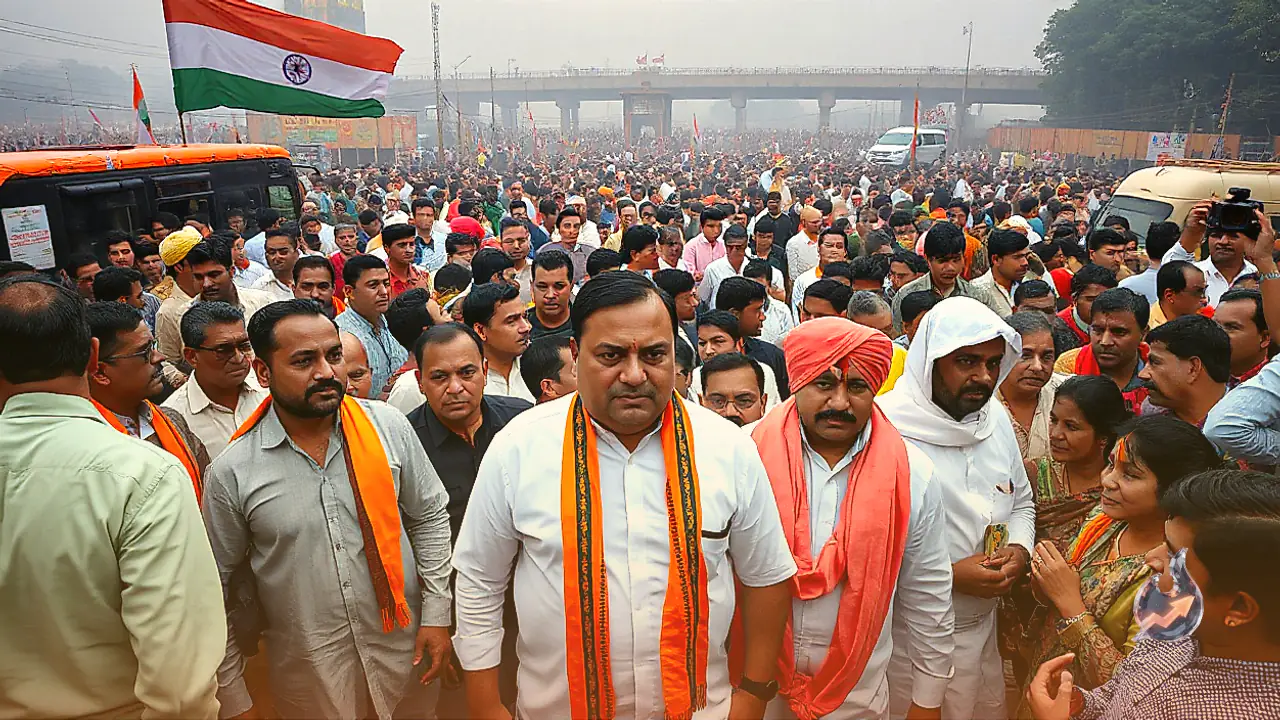
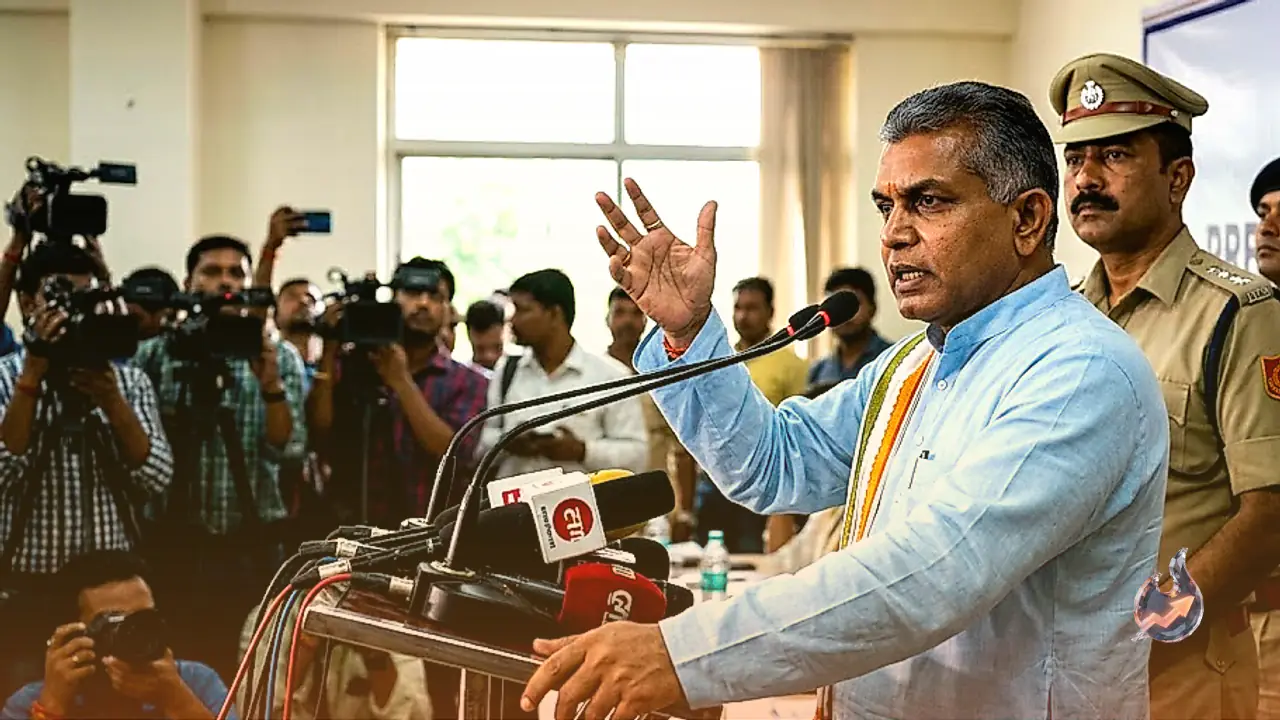
West Bengal Panchayat Minister and Kharagpur Sadar MLA Dilip Ghosh asserted on Sunday that law enforcement agencies have been granted absolute freedom to crack down on notorious criminals across the state. Speaking at a public event, he declared that the government will maintain a zero-tolerance approach toward criminal elements and that the era of intimidation has officially ended.

Emphasizing a strict administrative stance, he noted that instructions have been issued to enforce a zero-tolerance policy against lawbreakers. He warned that no mafia network will be permitted to operate or gain a foothold within the territory of Kharagpur under any circumstances.

Also read

Encounters As A Final Resort

Criticizing past governance patterns under the Trinamool Congress regime, the senior Bharatiya Janata Party leader urged people to move past previous administrative approaches. He reiterated that the administration has empowered police personnel to dismantle criminal syndicates firmly. Highlighting the gravity of potential enforcement measures, he stated that if a crime is severe and circumstances demand it, police encounters would remain a final option.

Grassroots Origins With The RSS

Tracing his political trajectory, Ghosh began his public service as a dedicated pracharak for the Rashtriya Swayamsevak Sangh (RSS). He devoted many years to grassroots organizational work, handling key administrative responsibilities in diverse regions including the Andaman and Nicobar Islands. This deep ideological grounding and organizational training eventually paved the way for his entry into active mainstream politics.

Leveraging his extensive experience from the Sangh, he joined the BJP in 2014 and actively worked to strengthen the party's grassroots presence in West Bengal. In December 2015, he assumed office as the state president of West Bengal BJP, a tenure marked by significant electoral expansion across the region. Under his leadership, the party secured notable representation in the 2016 assembly elections, transforming Bengal into a crucial political battleground for the national party.

Electoral Milestones And Ministerial Roles

Known for his assertive political style and outspoken nature, Ghosh has triumphed in multiple electoral contests. He won the assembly election from the Kharagpur Sadar seat in 2016 and subsequently secured a victory as a Lok Sabha Member of Parliament from Midnapore in 2019. Continuing his electoral success, he reclaimed the Kharagpur Sadar constituency in the 2026 West Bengal assembly elections. Currently, he serves as a cabinet minister in the state government, managing critical portfolios including Panchayati Raj, Rural Development, Agricultural Marketing, and Animal Resources Development.


Questions & Answers

What position does Dilip Ghosh currently hold?
Dilip Ghosh serves as a cabinet minister in the West Bengal government and is an MLA from Kharagpur Sadar.
What instructions did Dilip Ghosh give regarding police action?
He stated that police have been given complete freedom to act against criminals with a zero-tolerance policy.
Which organization did Dilip Ghosh start his political journey with?
He began his political journey as a pracharak for the Rashtriya Swayamsevak Sangh (RSS).
In which year did he join the BJP?
He joined the BJP in the year 2014.

Comments 5

Sophie Laurent@sophie-laurent·63d ago

Dilip Ghosh's remarks further intensify the debate over security and law enforcement in West Bengal politics. This aggressive strategy, granting police absolute freedom and positioning encounters as a final resort, raises critical questions about administrative accountability and the future political landscape, likely igniting nationwide discussions on human rights and the rule of law.

Ravikash Gupta@ravikash·64d ago

Dilip Ghosh's statement highlights an aggressive administrative stance on law and order in West Bengal's political landscape. Granting absolute freedom to police and citing encounters as a final option for severe crimes could intensify debates across political circles. Ahead of upcoming elections, such assertive rhetoric not only increases pressure on the administrative machinery but may also influence the state's business climate and corporate investments, given that investors consistently prioritize a stable and secure financial environment.

Tanvi Desai@tanvi-desai·64d ago

As an entertainment and media analyst, such aggressive political statements and terminology like 'encounters' do not remain restricted to administrative circles; they deeply influence the content of crime thrillers and web series produced for digital media and streaming platforms. Such political narratives often spark new trends for 'encounter specialist' tropes in popular culture, reshaping audience preferences and the dynamics of the entertainment industry.

Karan Malhotra@karan-malhotra·64d ago

Dilip Ghosh's statement that police encounters could be a final resort in severe crimes raises major questions regarding the state's law enforcement policy. As a crime reporter, granting such absolute freedom to police and mentioning encounters can spark serious debates on human rights and legal frameworks. Moving forward, it remains to be seen how this aggressive administrative stance impacts criminals and what stance judicial scrutiny adopts.

Rohan Verma@rohan-verma·64d ago

Dilip Ghosh's assertion that police encounters could serve as a final resort in severe cases has ignited a intense debate within regional political corridors. While similar administrative models in states like Uttar Pradesh are often viewed through the lens of security and crime control, applying this approach in West Bengal raises critical questions regarding the politicization of the police force and human rights safeguards. On the ground, this hardline stance is likely to escalate political pressure on law enforcement agencies, directly impacting upcoming electoral dynamics and regional governance.

Citizen journalism

Become a TrendKia journalist

Voice of the people

Share news, photos and videos from your area with TrendKia and let your voice reach the nation. Every citizen a journalist.

Join now
CH 01 LIVE
TrendKia TV ON AIR
Chamar no WhatsApp