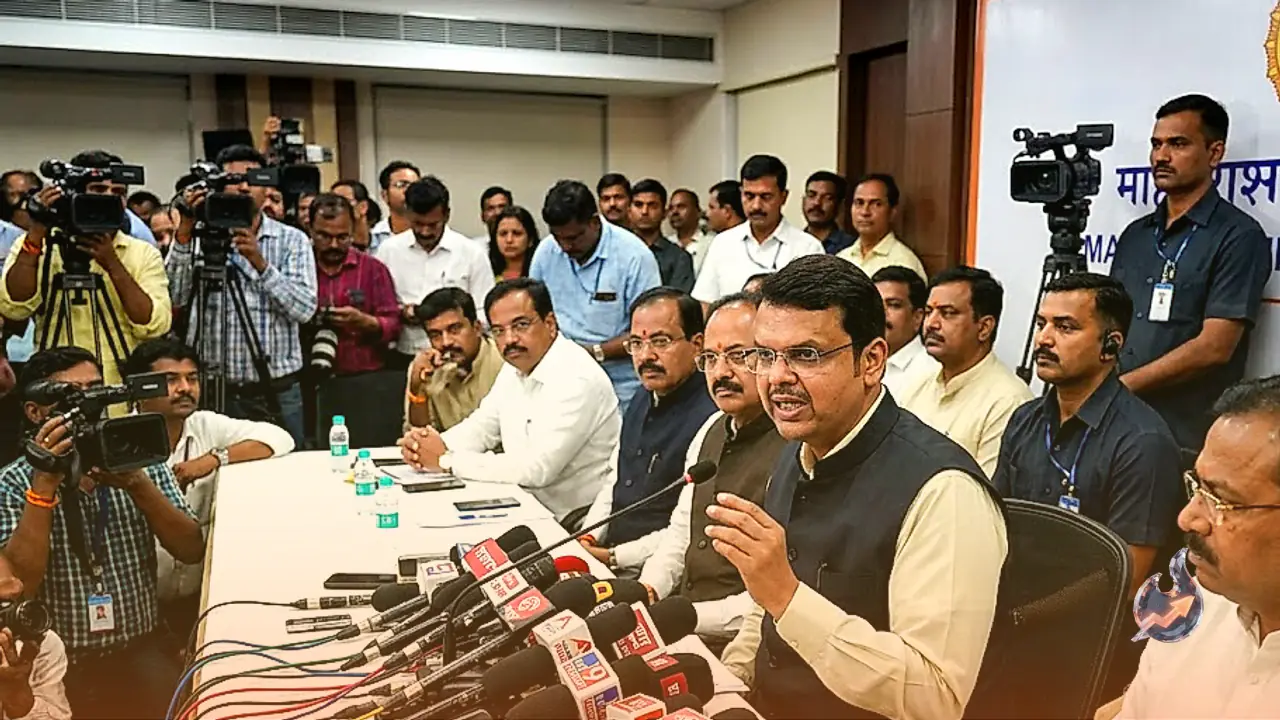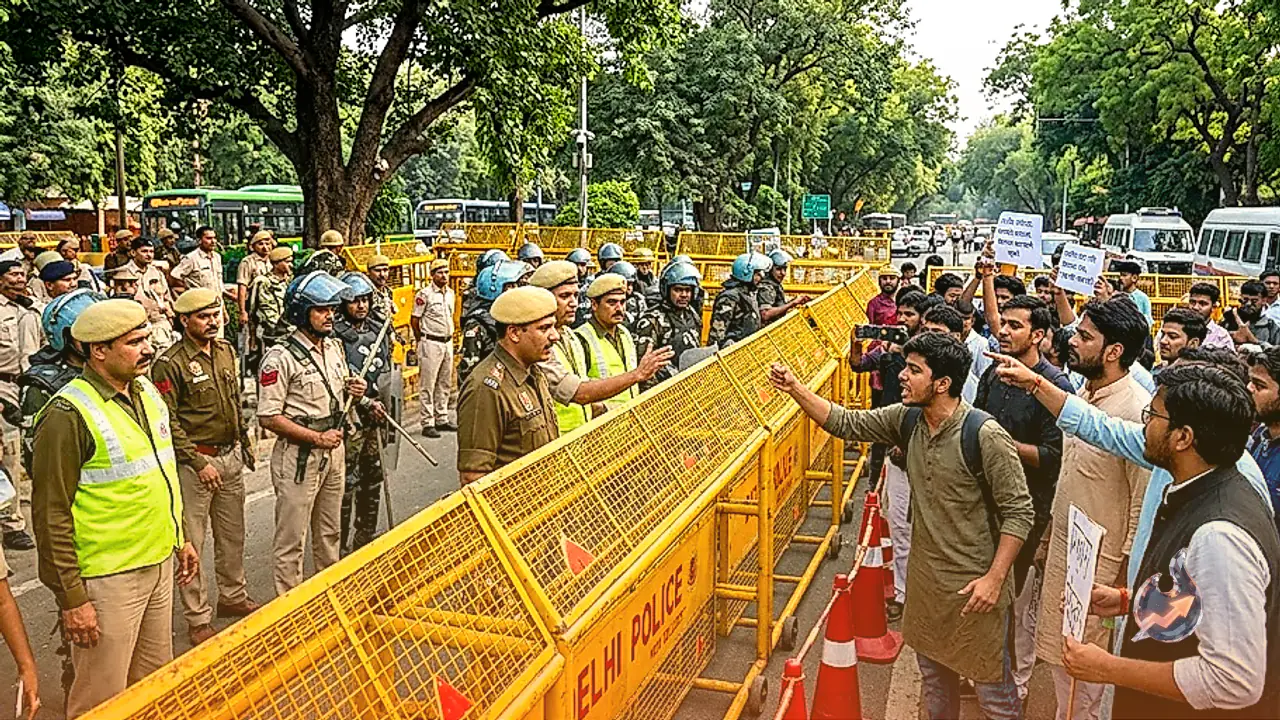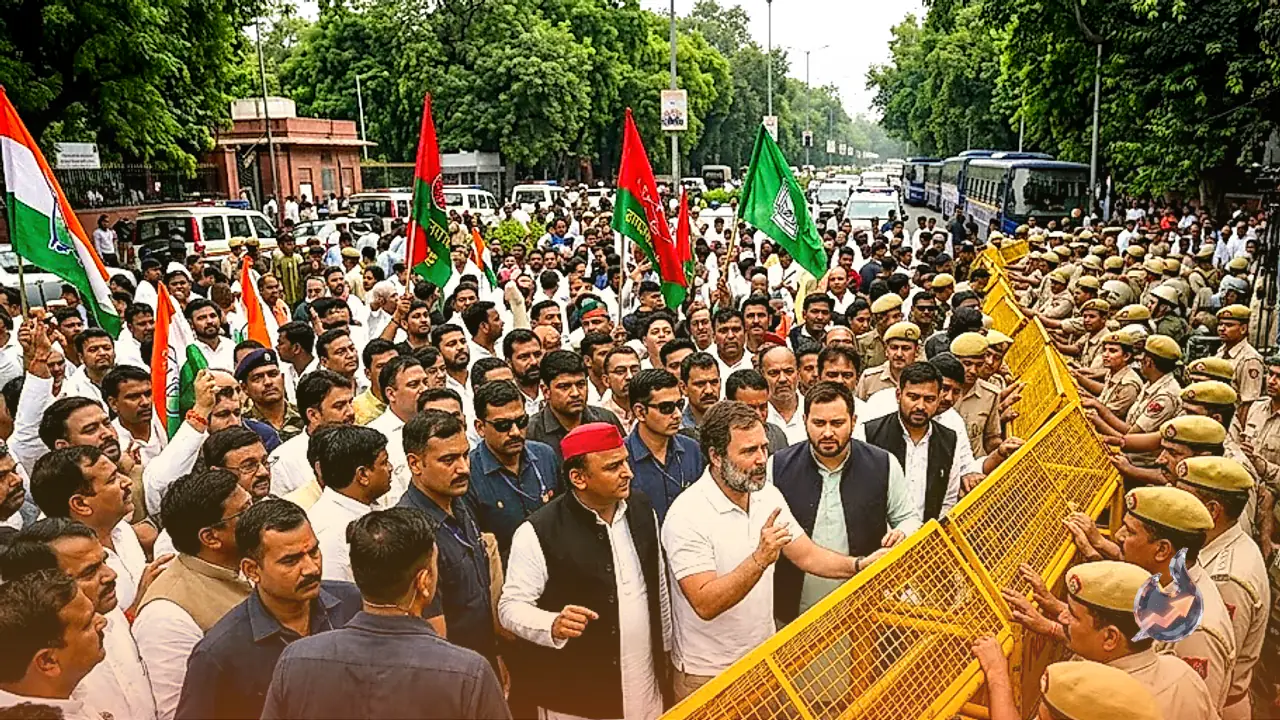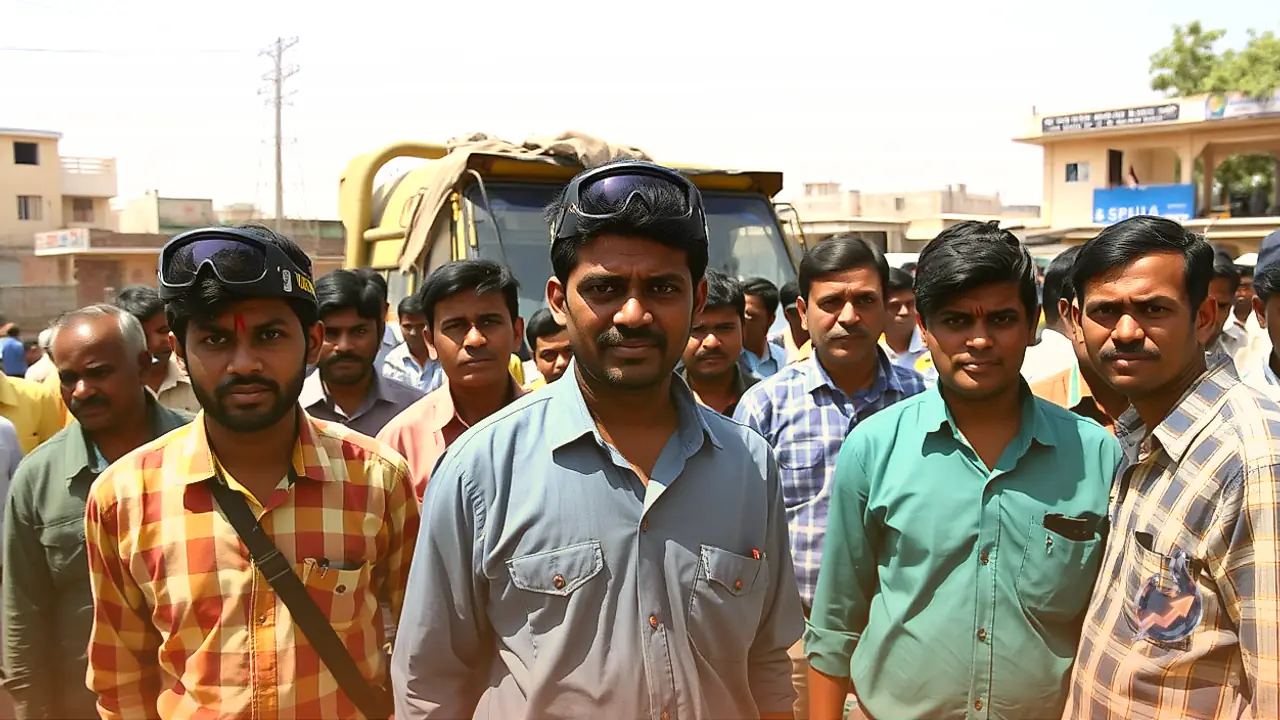
















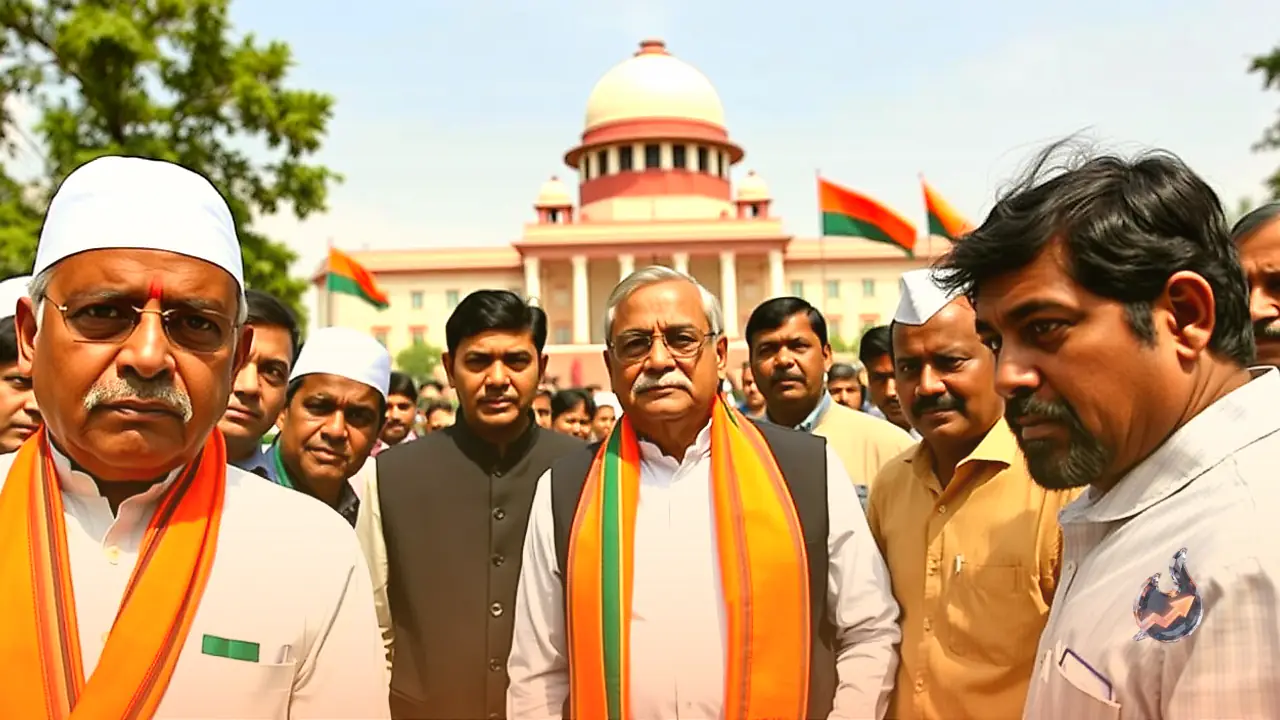

Amidst ongoing political developments in New Delhi, Rahul Gandhi and ten other prominent opposition leaders have jointly filed a significant petition in the Supreme Court of India. This legal action directly challenges the methods and decisions adopted by the Election Commission regarding the Special Intensive Revision, commonly known as SIR, of voter lists. The petitioners have demanded that the poll panel make public its complete files, meeting agendas, minute-to-minute notations, and records of objections related to its contentious decisions.
Hierarchy of Top Leaders and Petitioner Ordering
In the joint petition submitted to the apex court, Rahul Gandhi has been designated as the primary petitioner at serial number one. Following him in the specified order are Mallikarjun Kharge at the second spot, Saugata Roy at third, Akhilesh Yadav at fourth, Tejashwi Yadav at fifth, Sanjay Raut at sixth, M. A. Baby at seventh, D. Raja at eighth, Mahua Majhi at ninth, and Supriya Sule at tenth. However, occupying the eleventh and final position in this lineup is a figure considered quite close to Rahul Gandhi, generating considerable curiosity across political circles regarding why this specific name was placed at the very end.
Identity of the Eleventh Petitioner E. T. Mohammad Basheer
The eleventh face mentioned in this India Bloc petition before the Supreme Court is E. T. Mohammad Basheer, who hails from the southern state of Kerala. He has served for years as a prominent leader and Member of Parliament for the Indian Union Muslim League, abbreviated as IUML. Basheer's party IUML maintains a formal alliance with the Congress at the national level, and the IUML is also an integral component of the broader opposition coalition known as the India Bloc. Within Kerala, his party operates as a key ally of the Congress within the United Democratic Front framework.
Democracy March and Legal Action Against Election Body
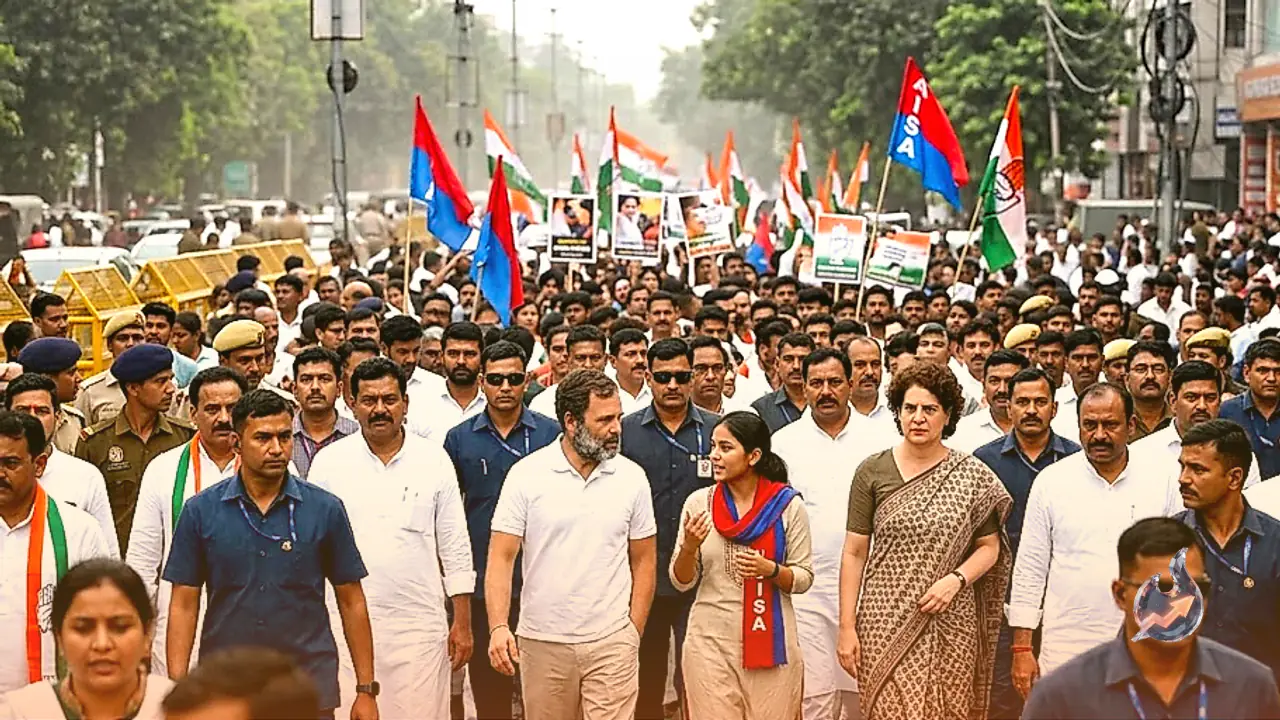
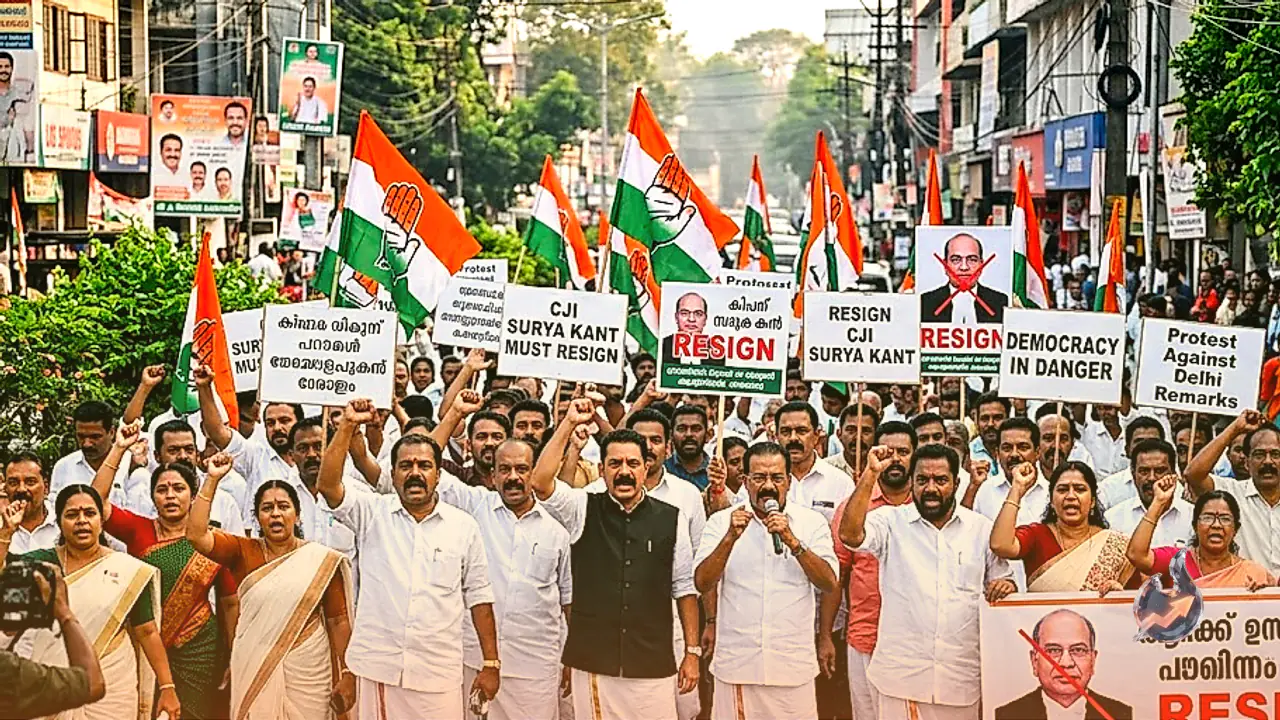
Back on October 12, 2026, opposition parties led by Rahul Gandhi organized a democracy march all the way to the Supreme Court, protesting alleged irregularities in voter lists and accusations of vote theft. Taking this political agitation forward, a joint public interest petition was formally lodged against the Election Commission, featuring E. T. Mohammad Basheer as the eleventh name alongside senior figures like Rahul Gandhi and Mallikarjun Kharge.
Core Legal and Technical Issues Raised in Petition
The petition fronted by Rahul Gandhi specifically challenges the decision made on June 24, 2025, to initiate the SIR process, alongside demanding access logs for ECINET and ERONET databases. It seeks a thorough judicial review to determine whether these administrative decisions conformed to Article 324 of the Constitution, the governing 2023 legislation regulating the Election Commission, and the landmark Supreme Court ruling delivered in the case of T.N. Seshan versus Union of India.
Safeguards for Voters and Independent Oversight Panel
According to the legal filing, the primary prayer urges the court to mandate that no voter's name be deleted without prior notice and a reasonable opportunity for a hearing. Furthermore, the petition requests directions for publishing deleted voter rolls booth-wise, complete with the specific reasons for removal and demographic details. It also asks for the formation of an independent committee headed by a retired Supreme Court judge to audit deletions and modifications within voter database systems including ECINET and ERONET. An interim stay on the ongoing SIR process pending the final disposal of the case has also been sought.
Strategic Messaging and Political Implications
The legal plea specifically asks the court to direct the Election Commission to ensure that every decision tied to the special intensive revision complies with the 2023 law and is duly recorded. Through this petition, Rahul Gandhi has ensured representation across diverse segments. By placing a prominent Muslim face at the eleventh position, a calculated political message has been conveyed, particularly keeping upcoming political dynamics in states like Uttar Pradesh and national minority outreach in perspective.