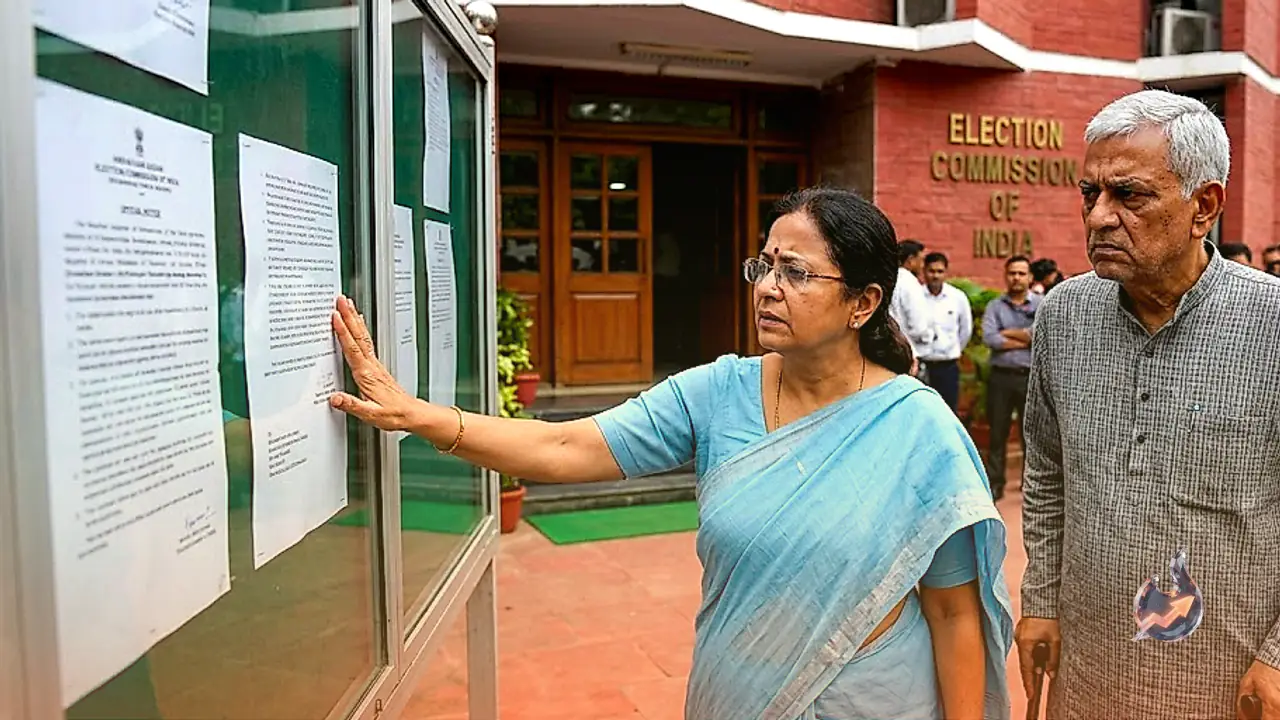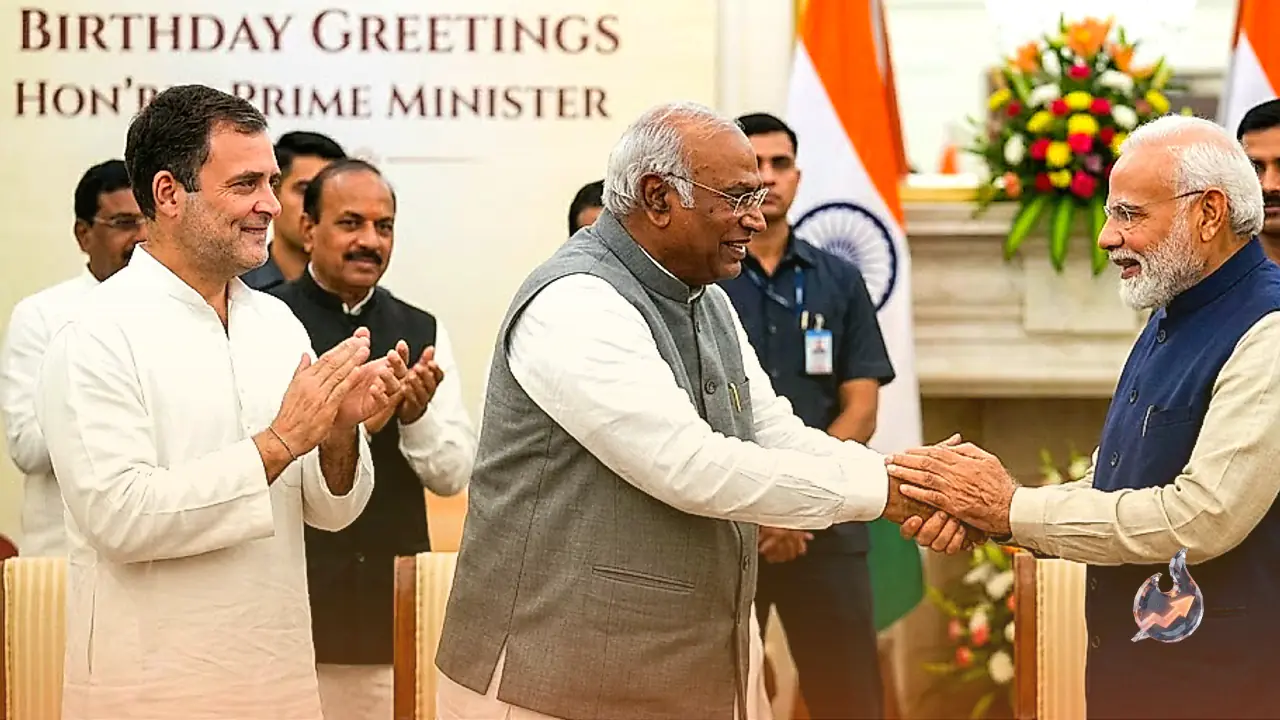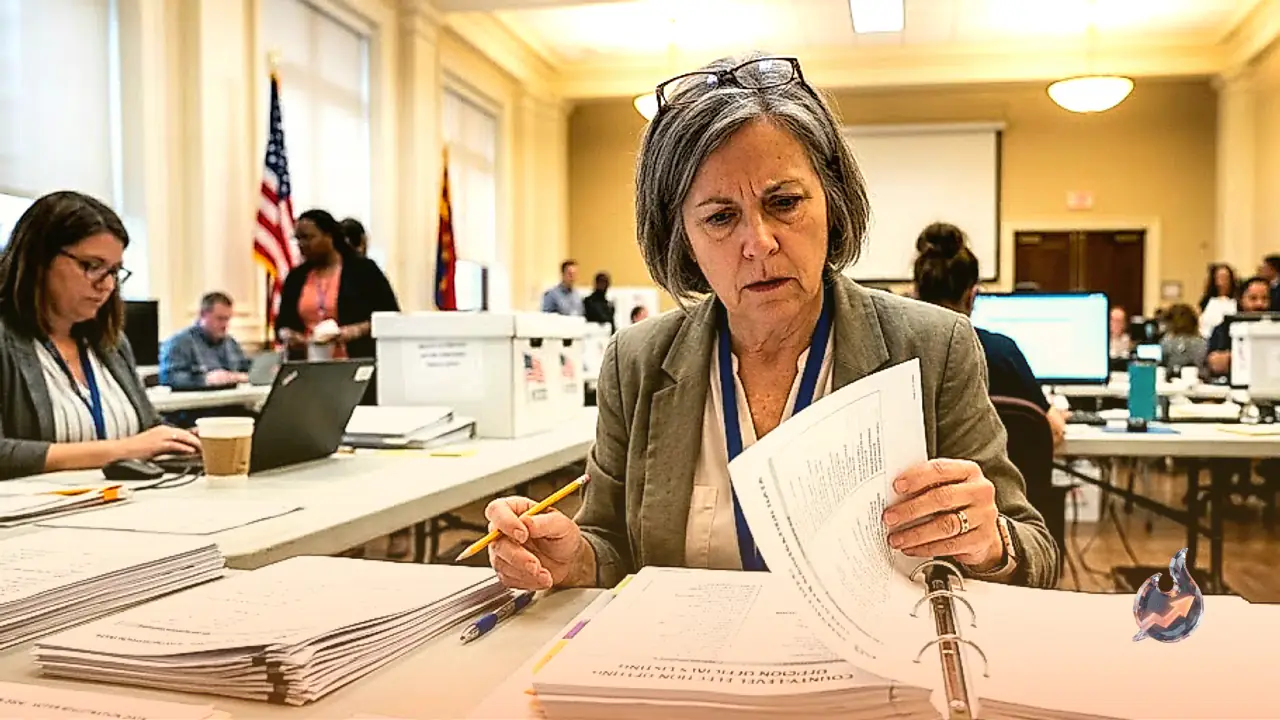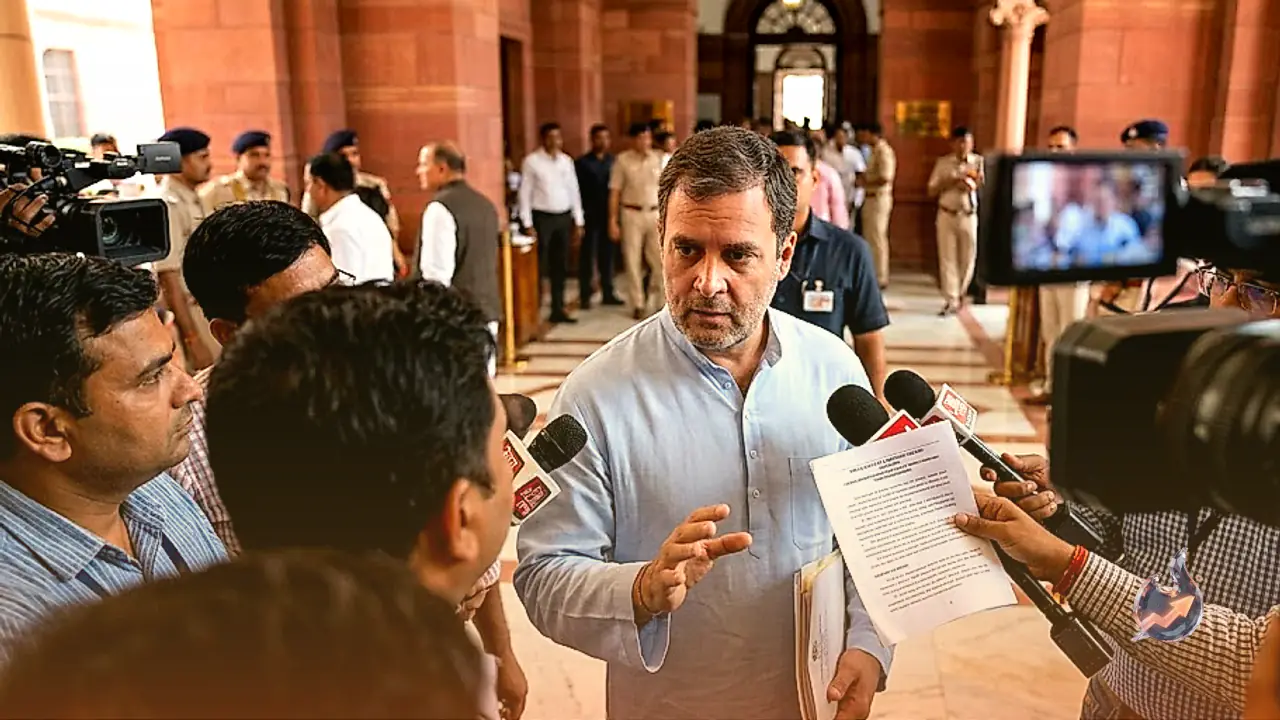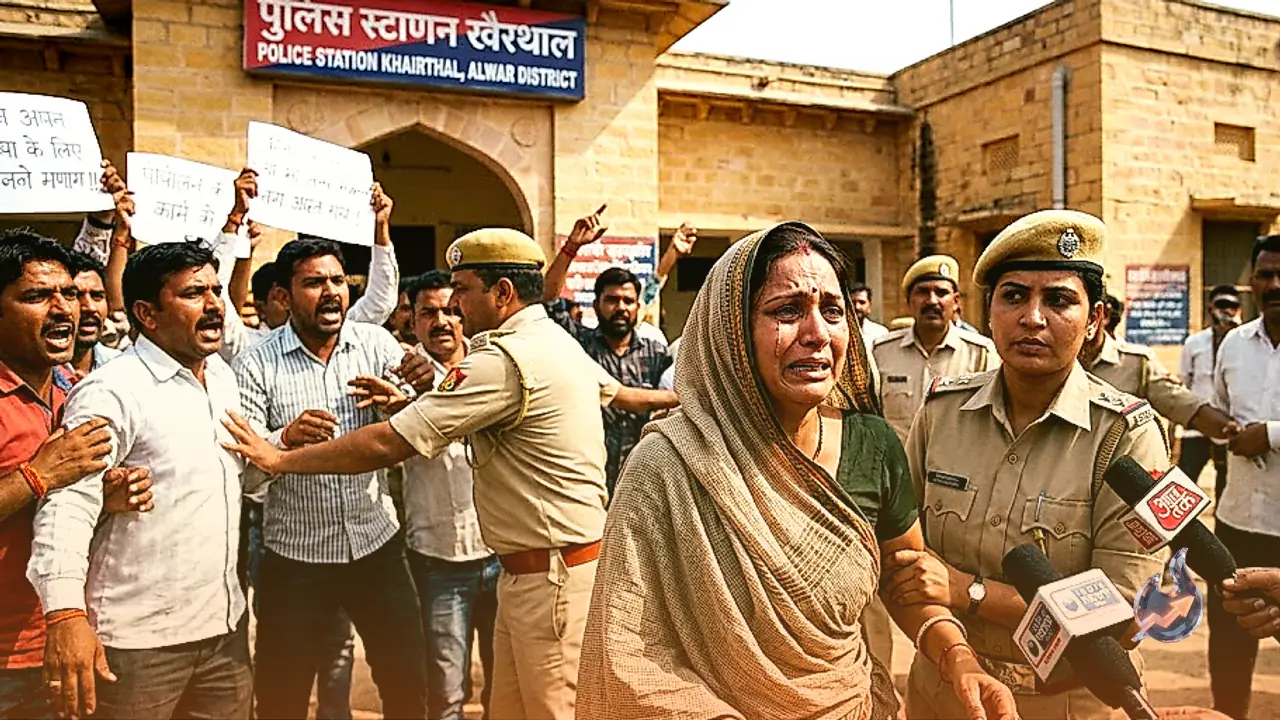
















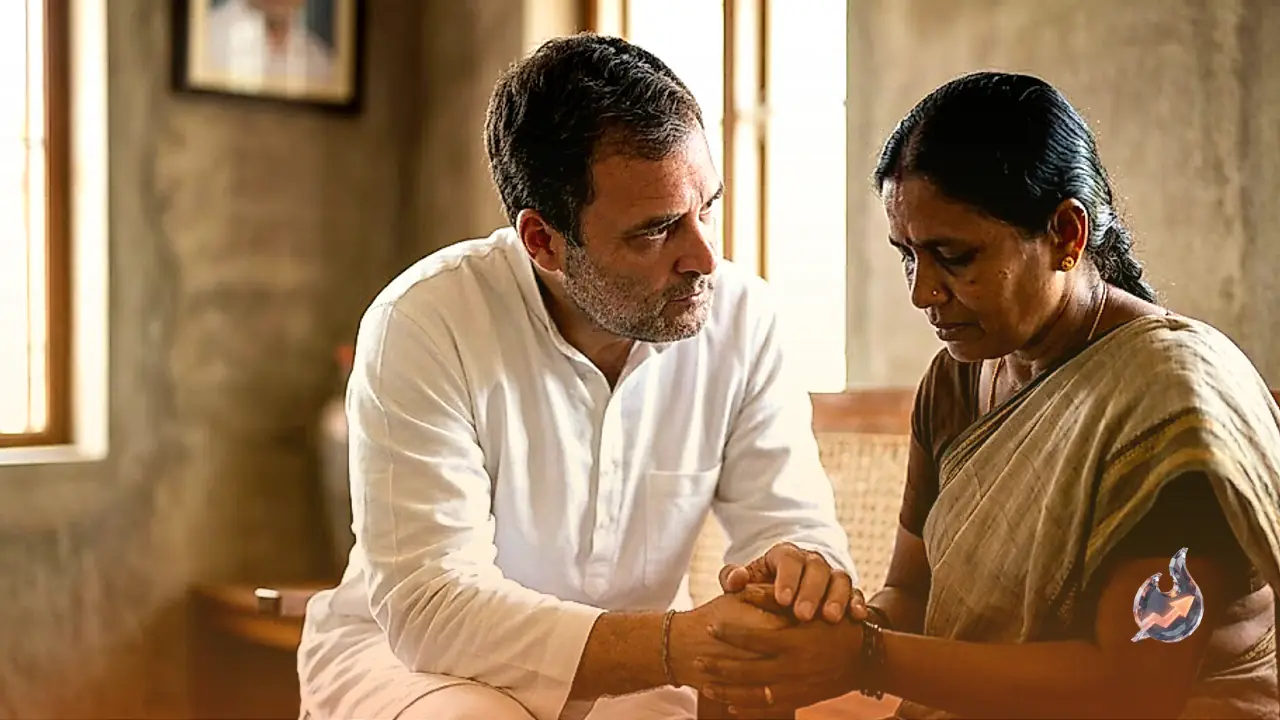

Leader of the Opposition in the Lok Sabha Rahul Gandhi met with the grieving family members of three young medical aspirants in Tamil Nadu on Sunday, August 2, 2026. The deceased candidates, identified as Gopika, Roshini, and Vetri Anandan, lost their lives after experiencing severe distress following the cancellation of the examination and widespread paper leak allegations associated with the NEET exam. Speaking after his interaction with the families, Gandhi launched a sharp critique against the country's examination administration and systemic governance. Despite Parliament recently passing stringent anti-paper leak legislation, Gandhi's persistent national focus on student grievances indicates a broader political calculation. Analysts observe that this sustained momentum is intricately linked to the upcoming 2027 Uttar Pradesh Assembly Elections, where Gandhi and Samajwadi Party chief Akhilesh Yadav aim to leverage youth frustration as a central campaign strategy.
Connecting with Middle-Class Families Through Examination Crisis
For Rahul Gandhi and the Congress party, the ongoing controversy surrounding the NEET medical entrance exam extends beyond an isolated testing failure. It represents a vital bridge to establish a direct connection with millions of young voters and their households across the country. In India, the vast majority of candidates preparing for competitive medical and professional entrance examinations belong to middle and lower-middle-class families. When national examinations are abruptly canceled or compromised by question paper leaks, these households bear a devastating financial burden alongside intense psychological stress. Recognizing this reality, Gandhi has positioned the crisis as a formidable political instrument to challenge the government.
Addressing student gatherings and public forums, Gandhi has repeatedly questioned the systemic fairness, asking, "Why should honest, hardworking students pay the price for a corrupt system?" Through this sharp inquiry, the opposition aims to directly challenge the administrative competence and oversight of the ruling administration. Personal visits to affected families serve to reinforce the narrative that the opposition coalition remains actively committed to protecting the interests of the youth.
Competitive Exam Aspirants in Uttar Pradesh and the 2027 Electoral Arena
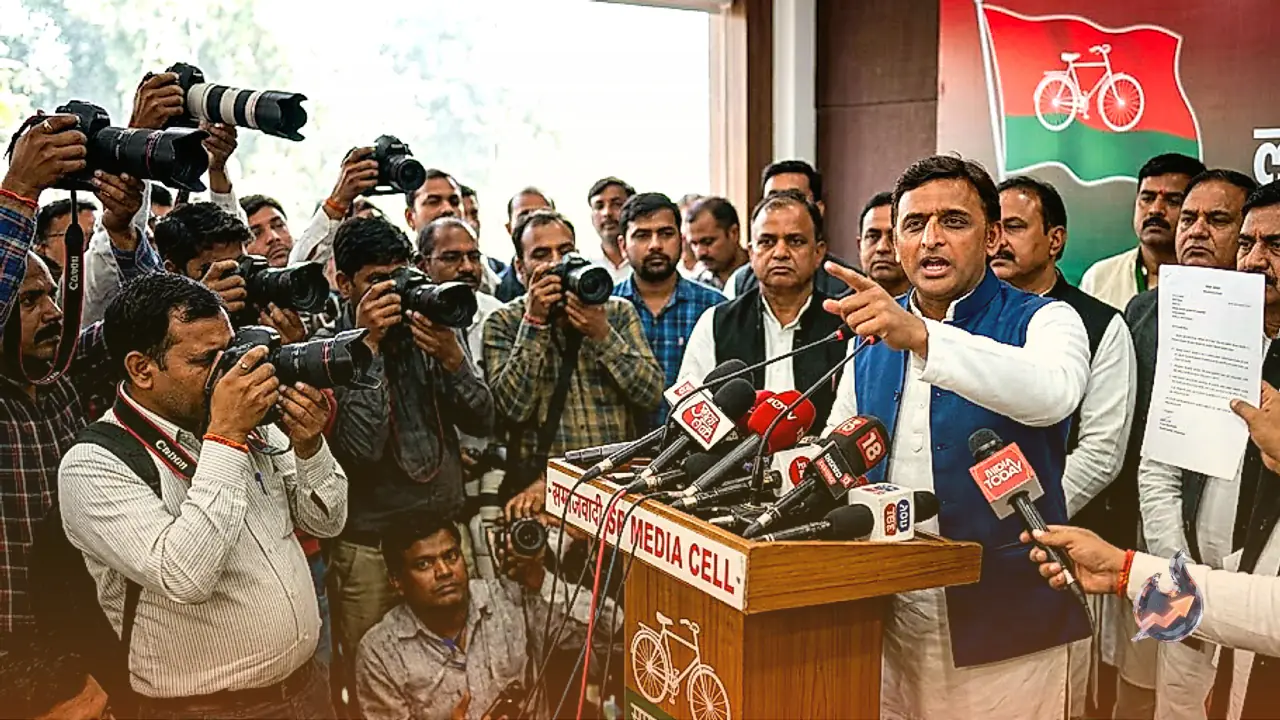
As India's most populous state, Uttar Pradesh functions as the largest hub for competitive examination candidates nationwide. Millions of aspirants in the state regularly sit for key recruitment and entrance tests, including the UPPSC, RO/ARO, Police Constable Recruitment, and NEET. Widespread irregularities and recurring paper leaks over recent years have generated substantial resentment among the state's young demographic. Building on their collaborative performance in the 2024 Lok Sabha Elections, Samajwadi Party president Akhilesh Yadav and Congress leader Rahul Gandhi have clearly signaled their intention to contest the 2027 Uttar Pradesh Assembly Elections in a unified alliance.
The demographic segment of voters aged 18 to 35 plays a decisive role in shaping Uttar Pradesh's political landscape. If grievances regarding exam integrity and employment security remain unresolved, this youth constituency holds the potential to shift electoral outcomes significantly. The SP-Congress alliance is strategically channeling this widespread discontent to consolidate youth support against the incumbent administration.
Synergy of PDA Formula and Youth Justice Agenda
In the upcoming 2027 election campaign, the opposition alliance faces the governing Bharatiya Janata Party (BJP), which traditionally emphasizes its developmental achievements and cultural platform. To counter this, Akhilesh Yadav's PDA framework, representing 'Pichhda' (Backward), 'Dalit', and 'Alpsankhyak' (Minorities), is being integrated with Rahul Gandhi's 'Yuva aur Nyay' (Youth and Justice) agenda. By combining traditional social alliance formulas with economic issues such as paper leaks and job security, the coalition seeks to build a broad-based voting bloc.
While Akhilesh Yadav focuses on state-level recruitment flaws and employment rights, Rahul Gandhi elevates these issues to the national stage, holding central policies accountable. This dual strategy enables the alliance to deepen its outreach among young voters across both rural and urban areas of Uttar Pradesh.
Future Outlook for SP-Congress Strategy
Rahul Gandhi's continuous engagement with NEET victim families and his focus on examination reforms reflect a deliberate, long-term electoral strategy rather than short-term political commentary. As the 2027 Uttar Pradesh Assembly Elections approach, the joint opposition narrative centering on 'paper leaks' and the 'future of youth' is positioned to serve as a key political weapon against the ruling party. The ultimate outcome will depend on how the governing leadership addresses youth discontent and responds to the opposition's focused campaign.