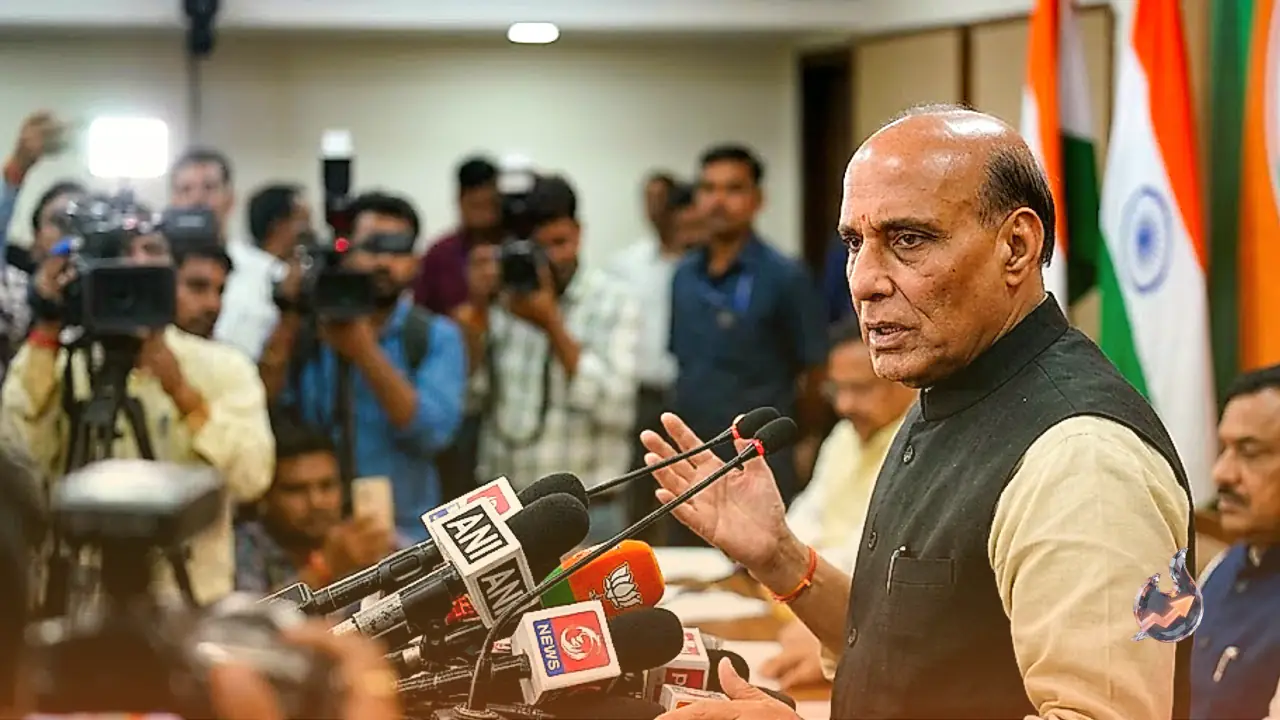




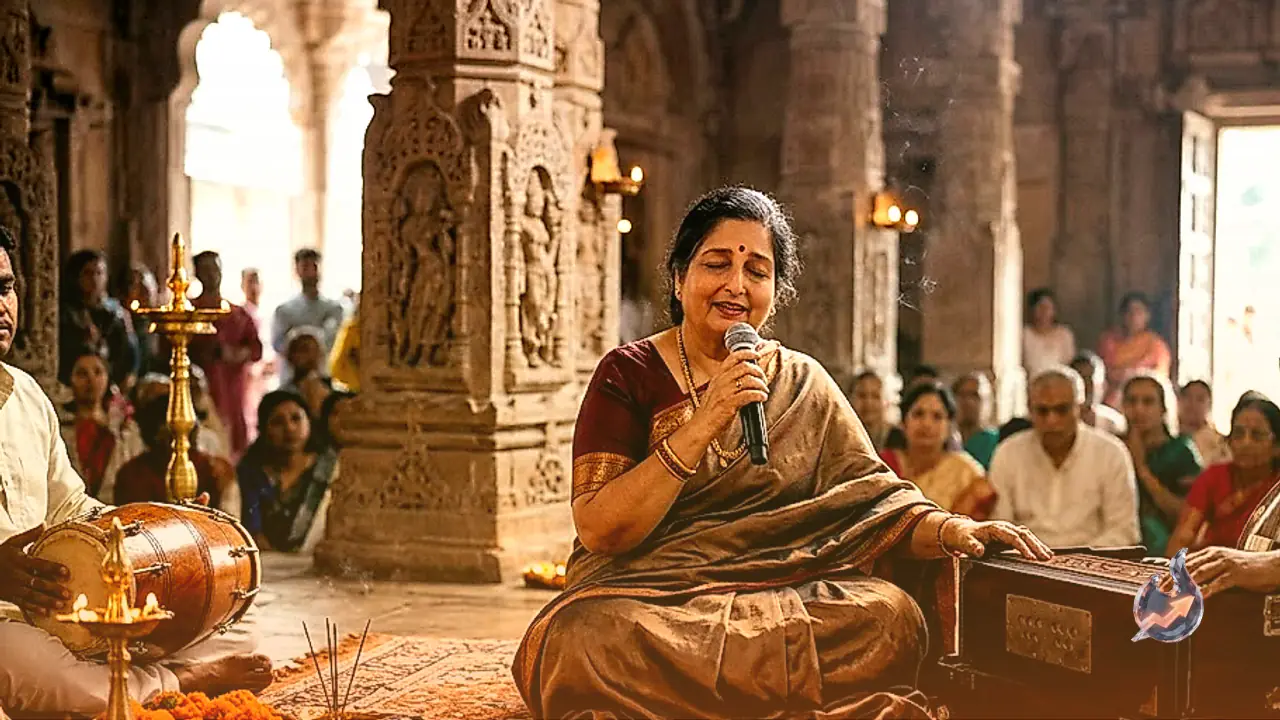


















Congress leader Rahul Gandhi has maintained an active engagement with students and youth across various educational institutions as part of his ongoing outreach campaign. Following his interactions at Allahabad University, he addressed young people in Pune, emphasizing that women represent the greatest strength and asset of the country. He argued that women should not be judged solely through the lens of their relationships with men or restricted to traditional domestic roles. During his address, he brought up the ancient text Manusmriti and raised pointed questions regarding its contents.
Verses on Female Independence in Manusmriti
While speaking in Pune, Rahul Gandhi referred to Manusmriti to discuss the historical constraints placed on women's freedom. He quoted specific lines noting that in childhood a woman belongs to her father, in youth to her husband, and upon the husband's death to her sons, asserting that a woman should never be independent. He termed these statements shameful and argued that such words should never have been uttered. This reference has ignited a wider public conversation regarding the nature of Manusmriti and the actual historical treatment of women's rights within its framework.
Structure and Origin of the Ancient Text
Manusmriti is also recognized as Manava Dharmashastra or the code of King Manu. It outlines behavioral norms, laws, duties, and punishments across a structured framework. The text comprises twelve chapters containing 2,684 verses, though certain editions extend up to 2,964 verses. References to Manusmriti appear in classical Indian literature including the Upanishads, the Ramayana, and the Mahabharata. Originally composed in Sanskrit, the treatise has since been translated into numerous languages over the centuries.
Restrictive Provisions in Chapter Nine
Within Manusmriti, the position of women has historically been compared to that of lower strata, denying independent rights to women across various social classes and binding them to male dependency. Chapter nine contains specific behavioral codes governing women. Verse 9.2 suggests that women must be kept under male supervision day and night. Verse 9.3 reiterates the principle that a woman can never be independent, relying on the father, husband, and son for protection across different life stages. Verse 9.5 emphasizes guarding women against negative tendencies to prevent family distress, while verse 9.6 instructs husbands to protect their wives. Verse 9.45 declares marriage an unbreakable union where separation is not permitted, and verse 9.416 states that a wife, a son, and a slave do not own independent property, with their earnings belonging to their master.
References to Respect and Honor in Chapter Three
Despite the restrictive rules present in other sections, Manusmriti also includes verses dedicated to honoring women. Chapter three emphasizes the respect due to female family members. Verse 3.55 states that fathers, brothers, husbands, and brothers-in-law should honor women and adorn them with ornaments to bring auspicious results. Verse 3.56 asserts that deities remain pleased in households where women are respected, while rituals fail where they are not honored. Furthermore, verse 3.57 warns that a family where women live in sorrow deteriorates rapidly, whereas households where they remain happy prosper continually.
The Concept of Control Disguised as Concern
Expanding on this theme, the opposition party shared snippets of the discussion online under a specific control-themed framework, asking women if they feel society attempts to regulate them. Rahul Gandhi outlined multiple methods of control, including violence, disrespect, time management, and direct supervision. He noted that these controlling behaviors are frequently reframed under the guise of concern for women's safety and well-being, pointing out how systemic suppression often disguises itself as benevolent anxiety.