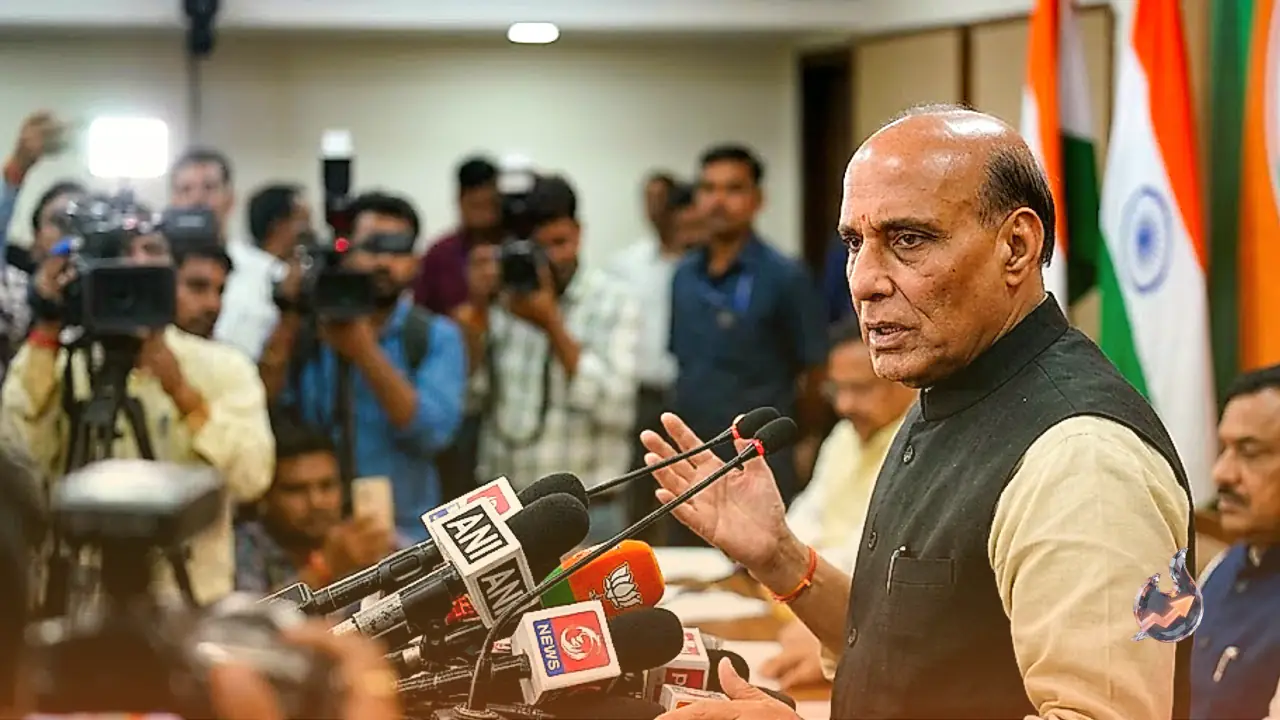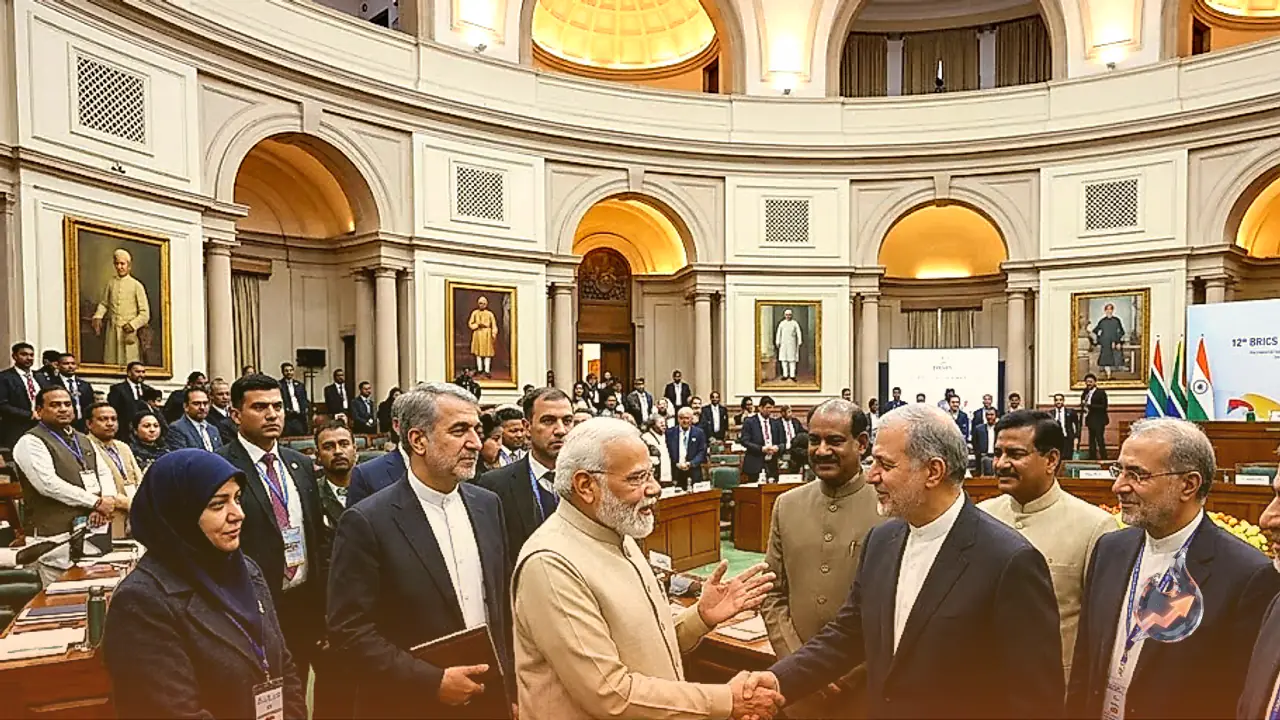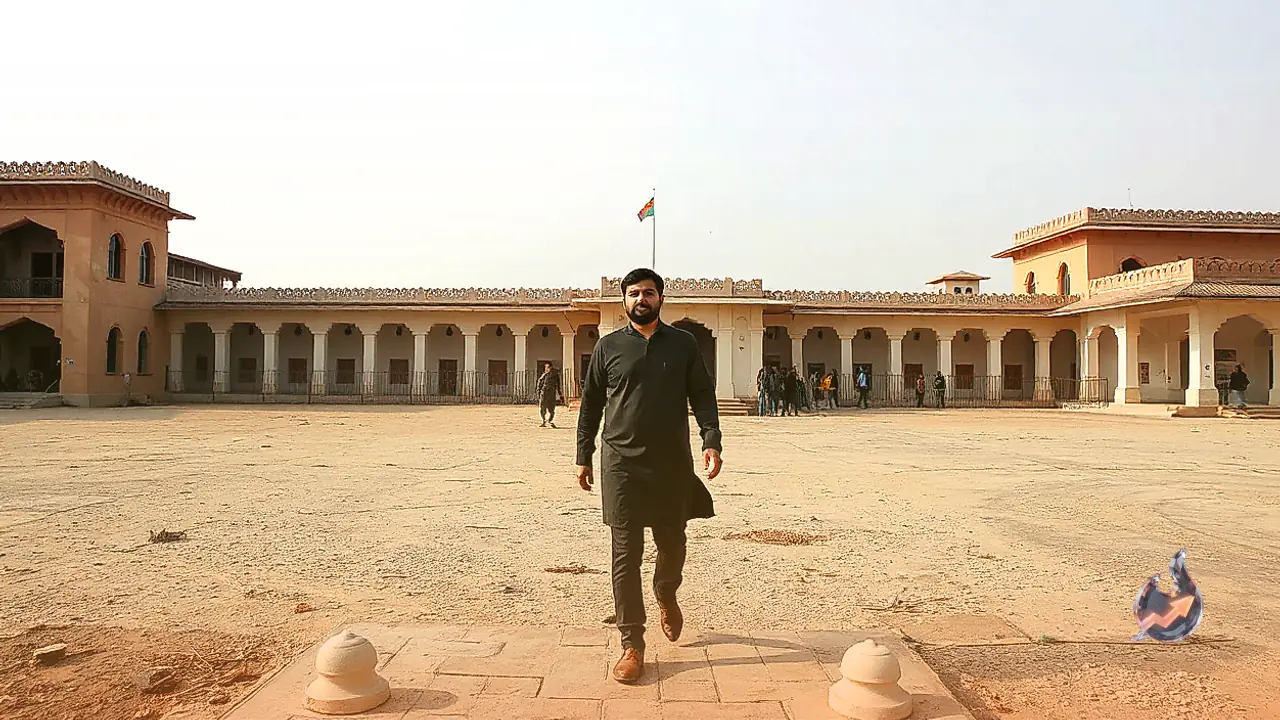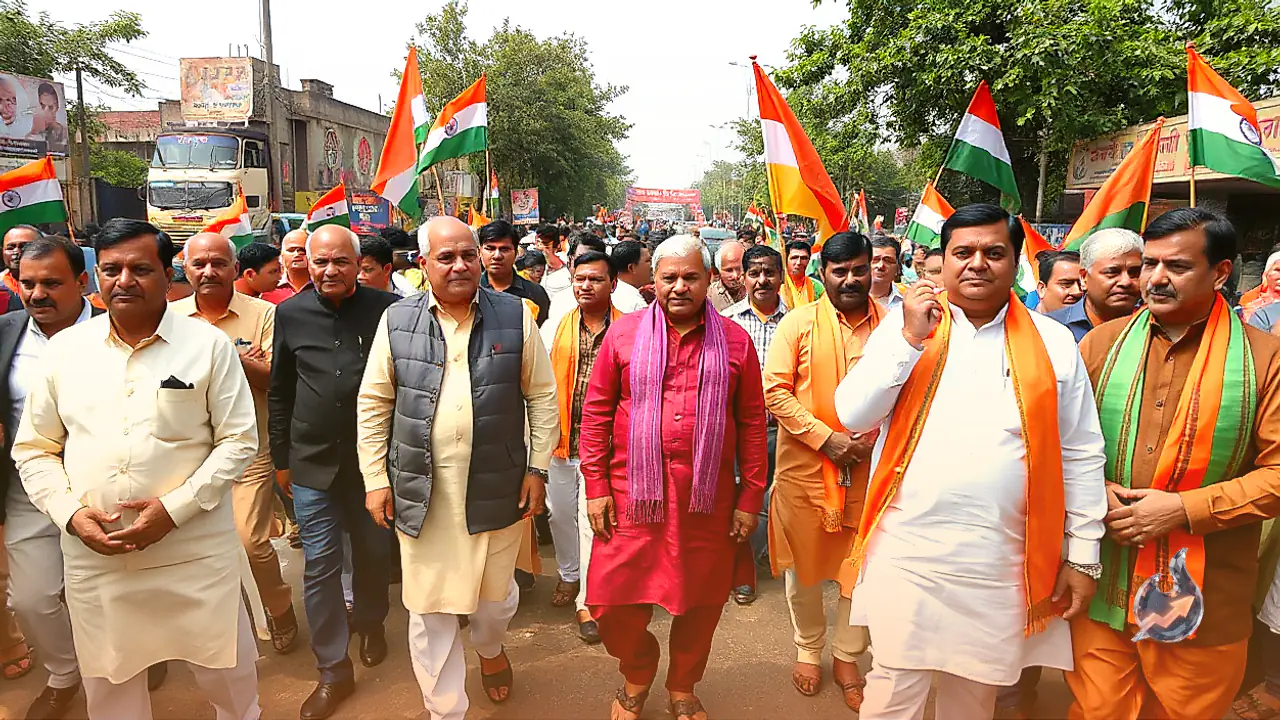

















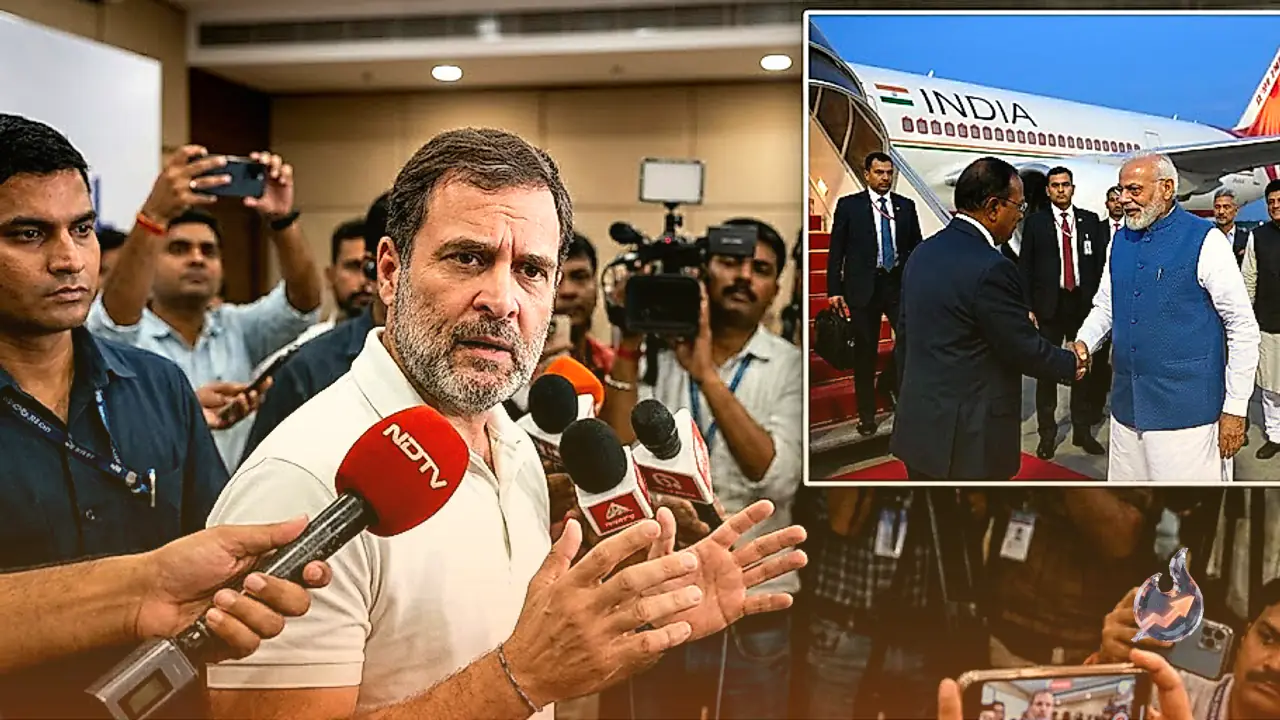

Amidst the political maneuvering surrounding attempts to corner Prime Minister Narendra Modi, a controversy erupted from Rahul Gandhi's platform that drew intense scrutiny, prompting immediate damage control through a newly staged platform and a completely revised image-building script. However, in an effort to correct a previous blunder, additional issues emerged for Rahul Gandhi. In an attempt to overshadow the controversy regarding the disrespect toward Meloni, discussions shifted toward women's respect and Manusmriti, which ultimately ended up trapping him further in political trouble. While the Congress party remains busy containing the fallout from these episodes, Prime Minister Narendra Modi has opened an entirely new front in diplomacy, initiating a comprehensive global outreach program stretching from China to Russia and the United States.
Deployment of Ministers and Officials on the Diplomatic Front
A close observation reveals how Prime Minister Modi has actively mobilized his core team across the globe. National Security Advisor Ajit Doval is currently on an official visit to China. External Affairs Minister S. Jaishankar has traveled to Russia. Finance Minister Nirmala Sitharaman is scheduled to visit the United States and Canada, while Commerce Minister Piyush Goyal is visiting Japan accompanied by a large delegation of 200 business leaders. Furthermore, Argentina, Chile, and Brazil are also prominent figures on the Prime Minister's strategic agenda. In essence, Prime Minister Modi has deployed NSA Doval and a formidable team of senior ministers to manage international affairs. This outreach highlights the overarching strategy behind dispatching the team to diverse nations simultaneously and the grand plan the Prime Minister is executing.
Simultaneous Opening of Multiple Foreign Fronts
While critics previously argued that foreign policy under the current administration was merely about embracing foreign leaders, the Prime Minister has effectively demonstrated how multiple diplomatic fronts can be engaged concurrently. Prime Minister Narendra Modi has dispatched National Security Advisor Ajit Doval to China on a three-day official visit. This visit takes place at a crucial juncture, just ahead of the upcoming BRICS summit scheduled to be held in New Delhi next month, which is anticipated to feature Chinese President Xi Jinping.
Should President Jinping travel to India, it would mark his first visit to the country in seven years. Ajit Doval's trip to China ahead of Jinping's visit is viewed as a positive and strategic move aimed at laying the groundwork for the Chinese leader's tour, mirroring a similar preparatory invitation extended by China to the Indian Prime Minister last year.
Objectives Behind NSA Doval's Visit to China
Beyond preparations for the BRICS summit, NSA Doval will engage in discussions with the Chinese Foreign Minister regarding ongoing border disputes. Doval's visit comes at the explicit invitation of the Chinese Foreign Minister. This marks the 25th round of talks under the bilateral mechanism established in 2003 to resolve the India-China boundary question. The agenda for these discussions includes maintaining peace and tranquility along the Line of Actual Control, reducing border tensions, and reviewing patrolling arrangements along the LAC. Additionally, talks will focus on strengthening bilateral relations and addressing broader international and regional issues.
Developments in the Meeting Between Putin and S. Jaishankar
While NSA Doval is engaged in China, Prime Minister Modi has sent External Affairs Minister S. Jaishankar to Russia. The External Affairs Minister met with Russian President Vladimir Putin to personally deliver a message from Prime Minister Modi, which included an official invitation to the upcoming BRICS summit in India next month. During the meeting, President Putin conveyed a special message in return for the Indian Prime Minister.
President Putin expressed his eagerness to meet Prime Minister Modi during the upcoming Shanghai Cooperation Organisation meeting in Kyrgyzstan. Putin highlighted that both nations are actively cooperating across nearly every sector, including trade. Noting a resurgence in bilateral trade following a slight dip in 2025, Putin credited the personal interest taken by Prime Minister Narendra Modi as a key factor in this growth.
Strengthening Trade and Investment Through Japan
Even as India navigates its border dispute resolution with China and enhances trade ties with Russia, Prime Minister Modi has also dispatched Commerce Minister Piyush Goyal to Japan. The primary objective of the Japan visit is to boost foreign investment in India, illustrating that the core focus of the Prime Minister's diplomacy is the systematic elevation of India's economic power. To achieve this, Goyal traveled to Japan leading the largest business delegation to date.
The 200-member delegation comprises representatives from critical sectors such as semiconductors, clean energy, steel, healthcare, and startups. Discussions are centered on expanding bilateral trade and investment. Japan currently stands as the fifth-largest source of foreign direct investment for India. Having set a target of achieving 60,000 crore rupees in investments in India over the next decade, the Prime Minister has actively mobilized his administrative machinery to meet these economic goals and strengthen the domestic economy through expanded global outreach.
Engagements with Canada and South American Nations
Efforts to enhance trade and investment extend further to North America, with Finance Minister Nirmala Sitharaman scheduled to visit Canada on August 26 and 27, followed by a trip to the United States to attend the G20 Finance Ministers' meeting. Furthermore, the Commerce Secretary is slated to visit Argentina, Chile, and Brazil. India's trade agreement with Chile is currently on the verge of finalization, a pact that will grant India valuable access to Chile's critical minerals market.
In addition, India is on track to finalize a trade agreement with the South American trading bloc Mercosur, which includes countries such as Argentina, Brazil, Paraguay, and Bolivia. Given that Argentina and Brazil represent large economies and substantial consumer markets, these nations are actively seeking to diversify their partnerships and reduce their heavy economic reliance on China.
Conclusion
By activating multiple international fronts simultaneously, Prime Minister Narendra Modi has reinforced a comprehensive and proactive diplomatic strategy aimed at securing national economic and strategic interests.