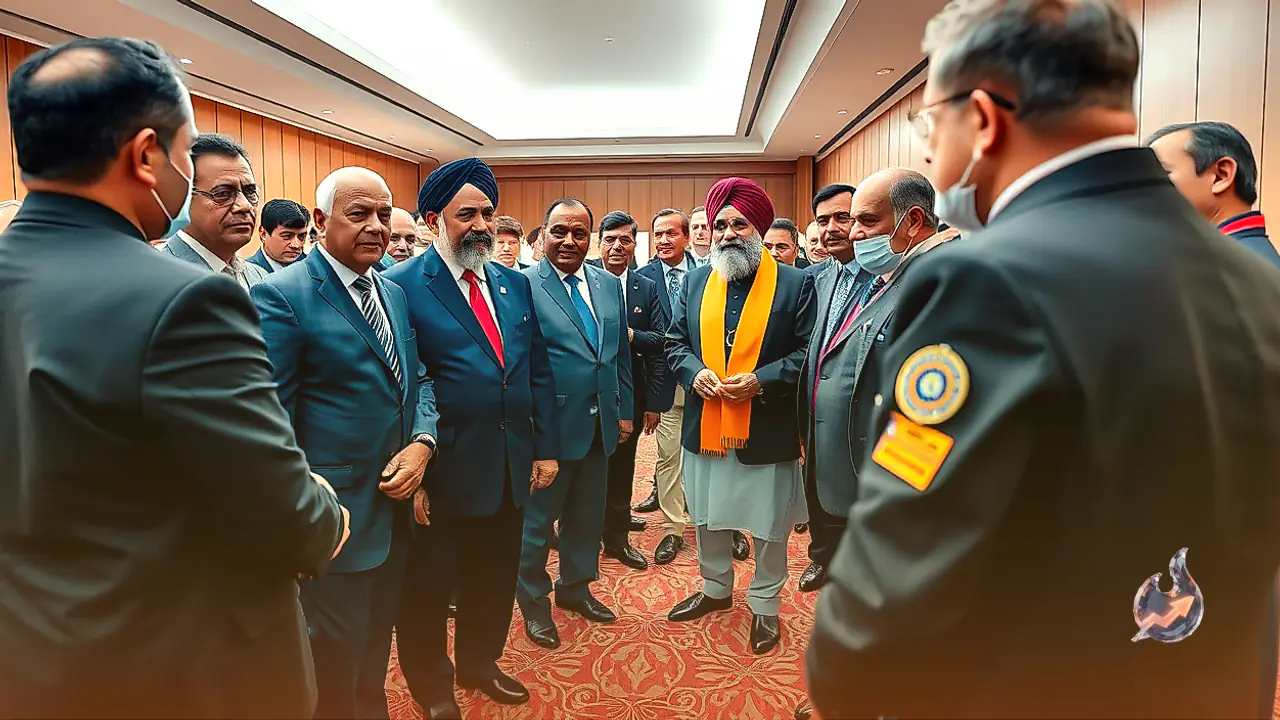

















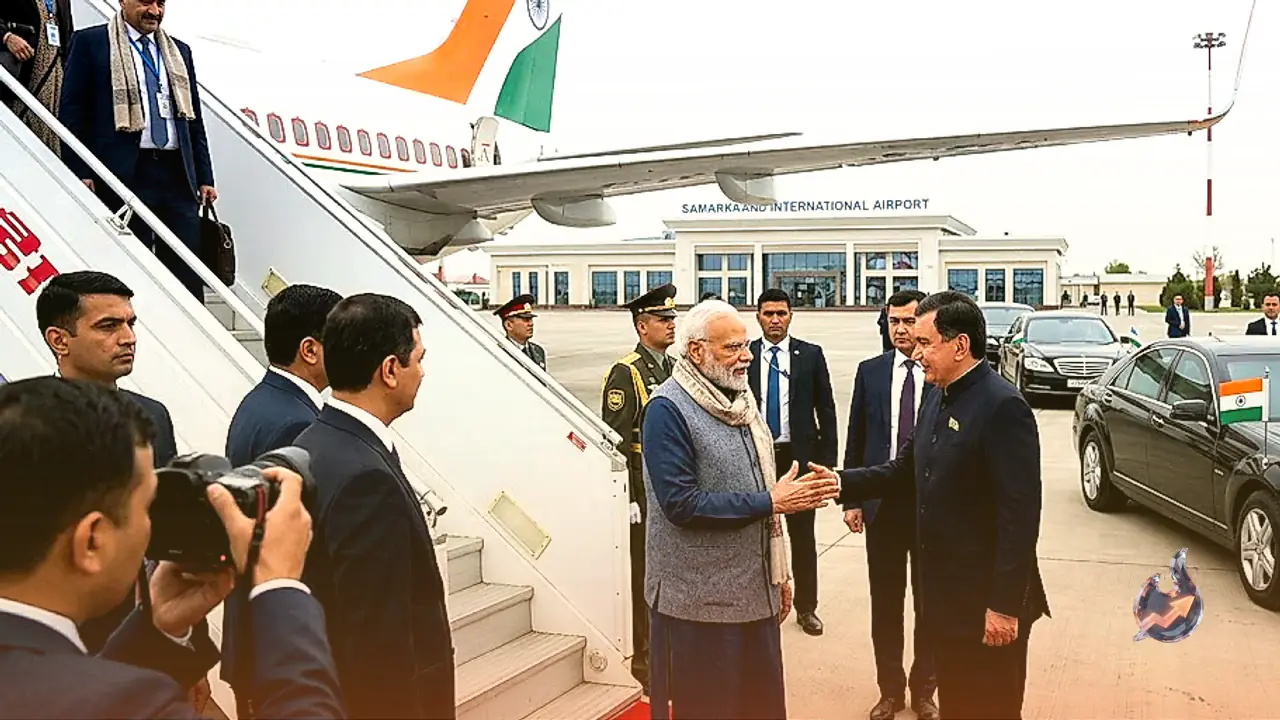

Prime Minister Narendra Modi has embarked on a diplomatic tour to Central Asia, drawing significant international attention. The visit to Uzbekistan and Kyrgyzstan is designed to deepen bilateral partnerships and facilitate high-level diplomatic engagements at the upcoming Shanghai Cooperation Organisation summit, where leaders from multiple nations will convene.
Energy Security and Moscow Ties
Energy consumption remains a foundational pillar for any growing economy. Amid ongoing tensions in West Asia and disruptions surrounding critical maritime oil corridors like the Strait of Hormuz, India has successfully diversified its energy sourcing. Through strategic economic engagements, Russia has emerged as the premier crude oil supplier to the Indian market, accounting for nearly 50 percent of total imports over recent months. High-level discussions during this summit are vital to ensuring the uninterrupted flow of petroleum supplies and maintaining robust bilateral channels.
Intelligence Warnings and Regional Diplomacy
Wider geopolitical tensions continue to shape international relations. Reports indicate that diplomatic and intelligence communications have addressed various regional security concerns between major global actors. As diplomatic alignments shift, regional partners are carefully evaluating the evolving security architecture across Eastern Europe and Central Asia.
Expanding Trade and Economic Footprint
The itinerary spans four days, starting with a visit to Uzbekistan on August 29 and 30, followed by stops in Kyrgyzstan on August 31 and September 1. Economic ties with these Central Asian nations have experienced exponential growth, highlighted by a 300 percent surge in bilateral trade and a 700 percent increase in investments over recent years.
Defense Collaboration and Military Exercises
Ministry of External Affairs Secretary Sibi George noted that institutional frameworks for defense cooperation were established through a joint working group in 2019, with recent meetings exploring advanced avenues within the defense manufacturing sector. India and Uzbekistan regularly conduct joint military drills under the DUSTLIK framework, with the most recent edition hosted in Uzbekistan this past April.
Counter-Terrorism and Regional Security
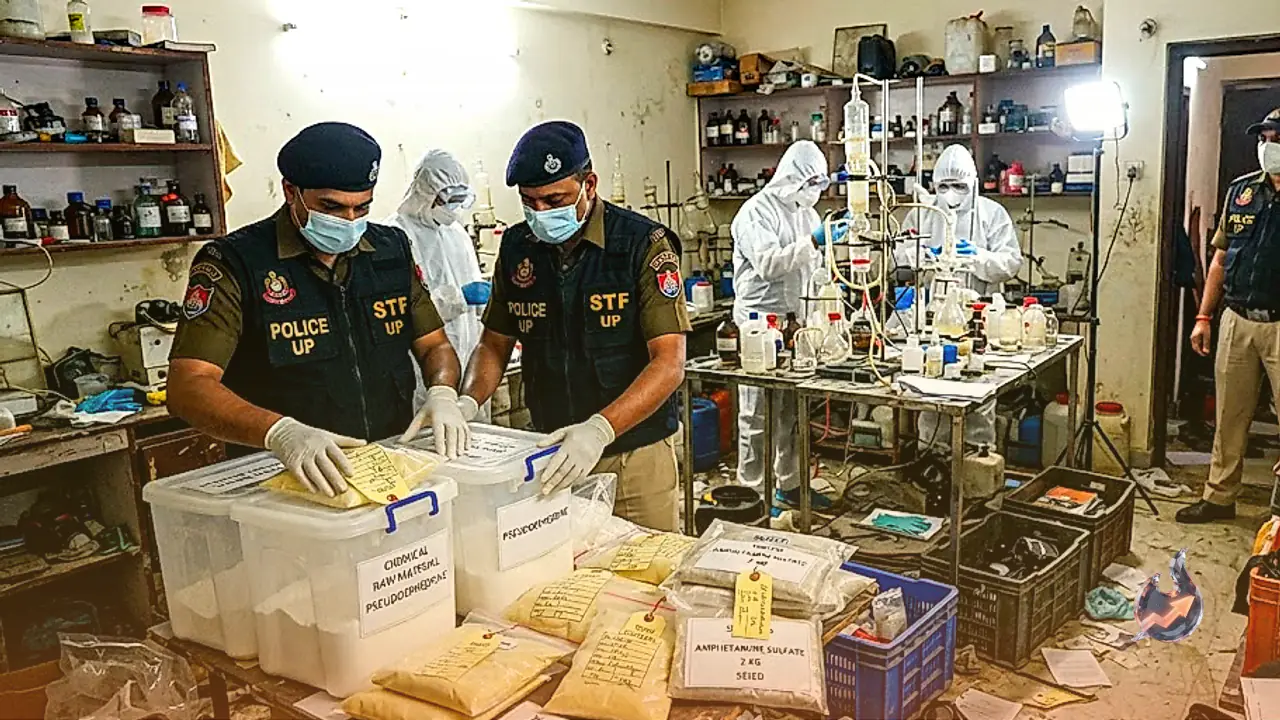
Uzbekistan shares a border with Afghanistan, making it a critical partner in combating cross-border terrorism, violent extremism, and illicit drug trafficking. Both nations actively share intelligence and collaborate on defense measures to neutralize regional security threats. Furthermore, Uzbekistan remains an essential supplier of uranium for India's civil nuclear energy program, with discussions expected to explore enhanced fuel delivery agreements.
Critical Minerals and Advanced Technology
As industrial demand shifts toward electric vehicles, green energy solutions, and advanced manufacturing, access to critical minerals has become paramount. Uzbekistan possesses rich reserves of rare earth elements and strategic minerals, positioning the nation as a key economic partner in supporting advanced technology sectors.