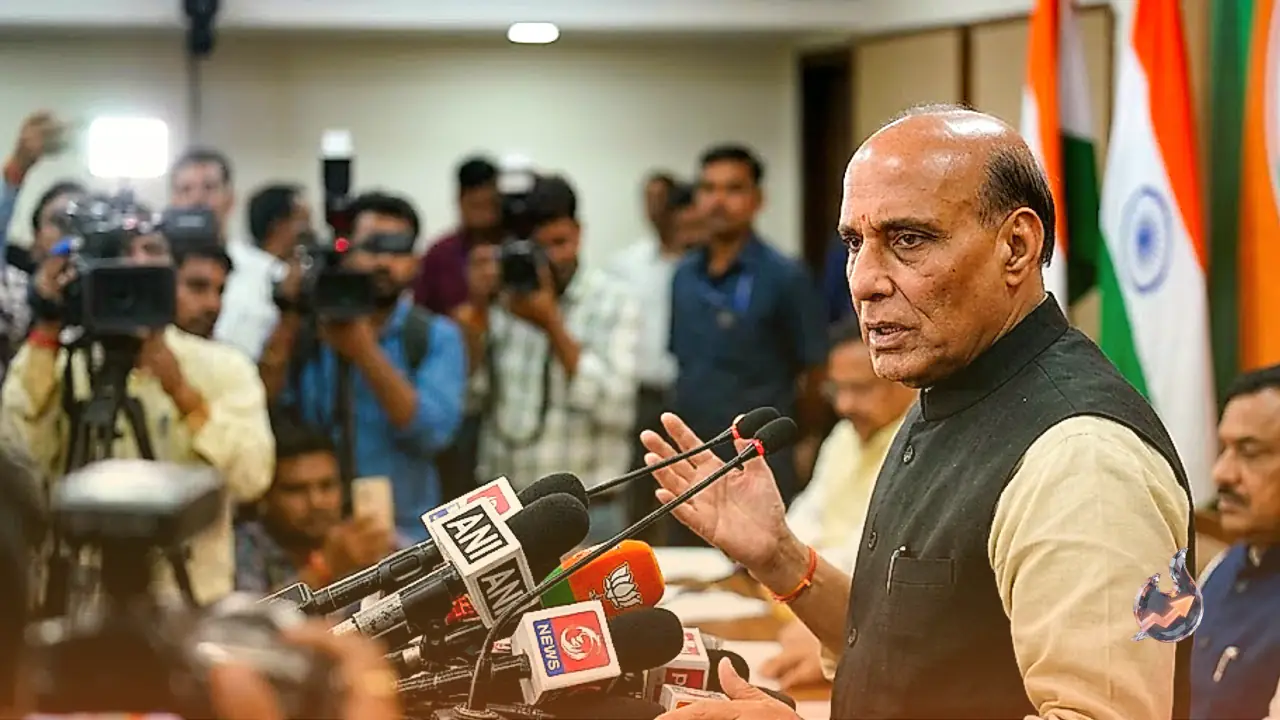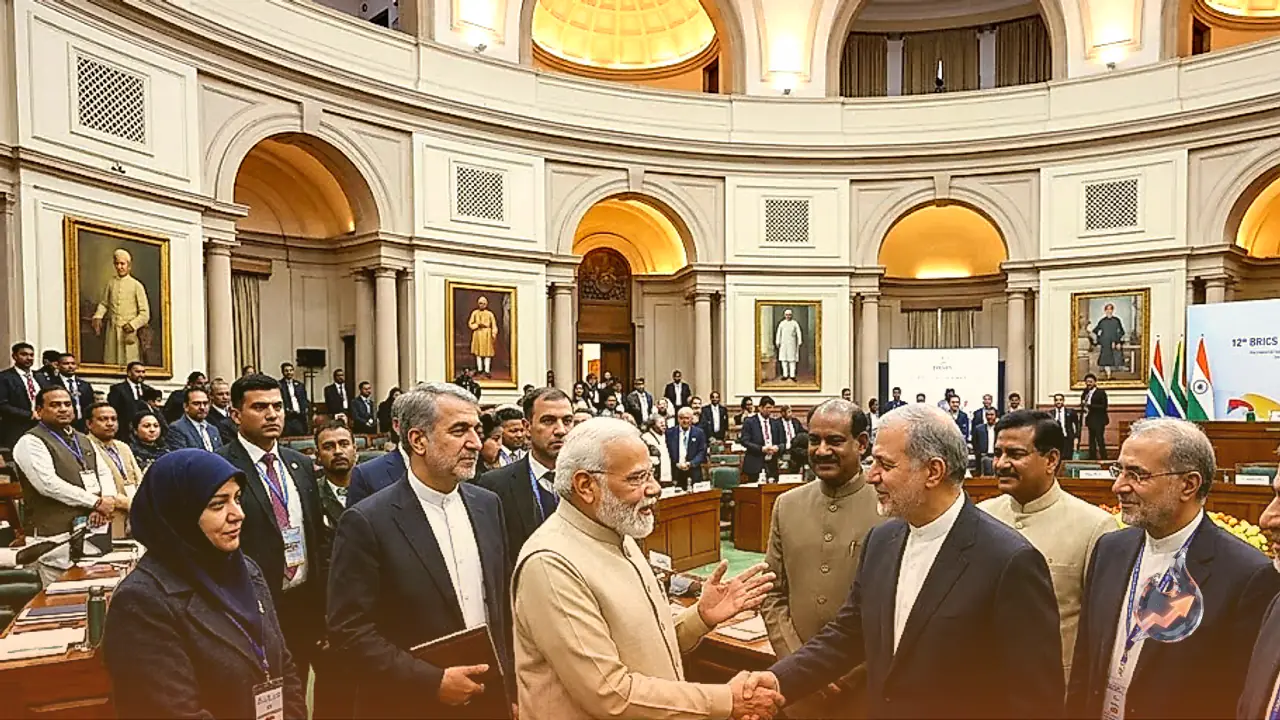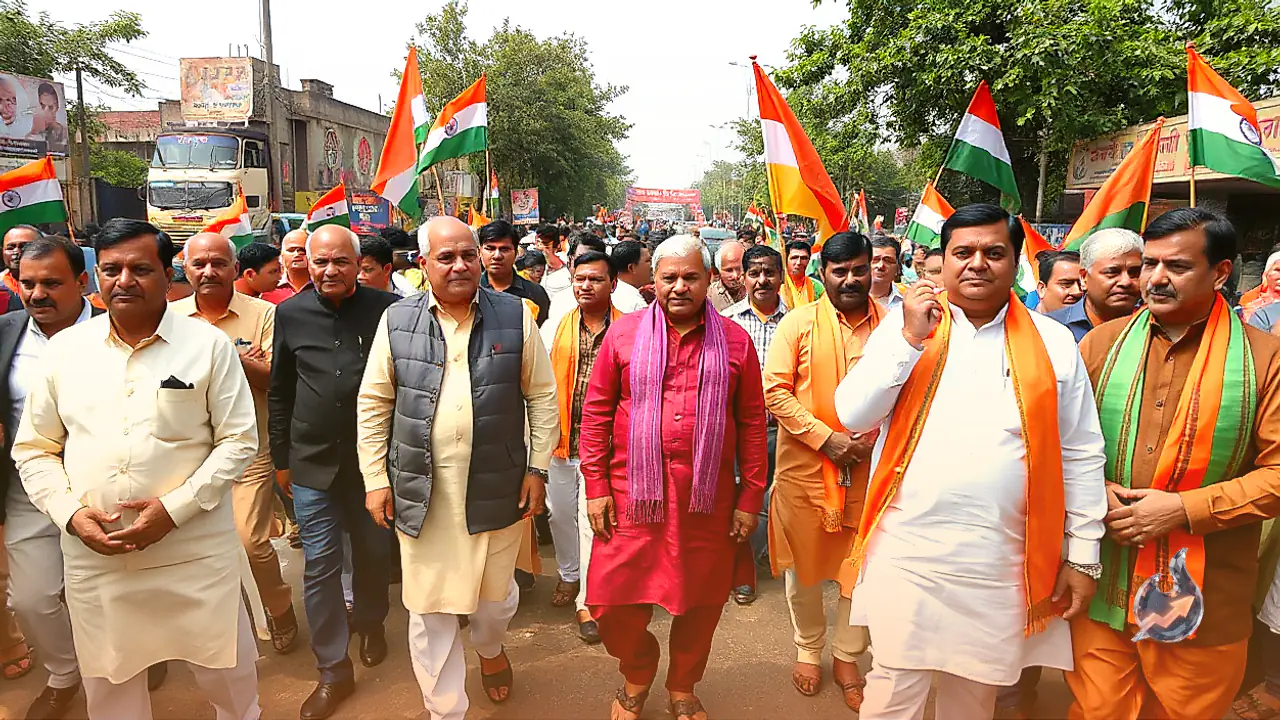





















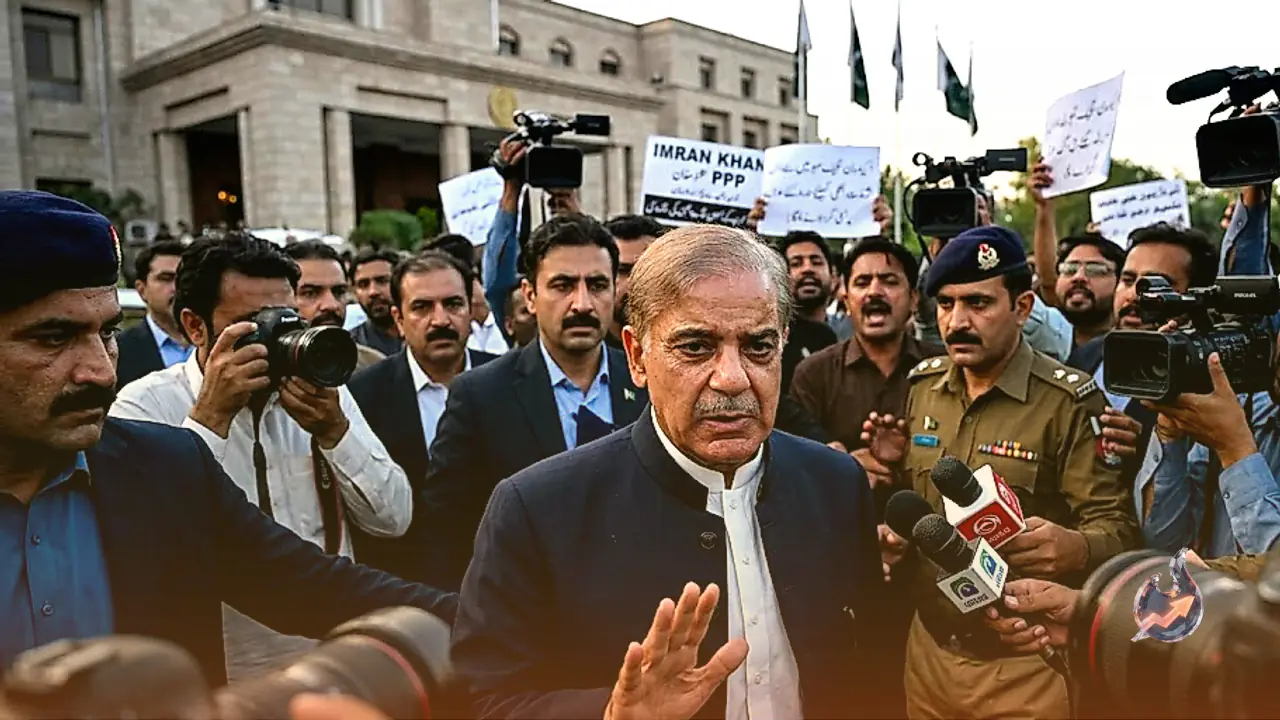

Political turbulence in Pakistan is reaching a critical juncture as Prime Minister Shehbaz Sharif's administration confronts escalating pressures on multiple fronts. The government is struggling to maintain stability not just against mounting parliamentary opposition, but also within its own fragile ruling coalition and through a tense standoff with the judiciary regarding the medical care of imprisoned former Prime Minister Imran Khan. With key allies voicing severe grievances and opposition factions uniting to apply coordinated pressure, the current administration finds its grip on power increasingly tenuous.
The Standoff Over Imran Khan Medical Treatment
At the center of the current political friction is the dispute surrounding the medical treatment of Imran Khan. The Pakistan Supreme Court had previously issued a directive ordering that the incarcerated leader be transferred from Adiala Jail to the Shifa International Hospital in Islamabad. The court mandated the formation of a medical board comprising specialists to conduct a thorough health examination and provide necessary treatment within a 48-hour window. However, the government sought a review of this order, arguing that any medical evaluation should take place at a government facility rather than a private hospital.
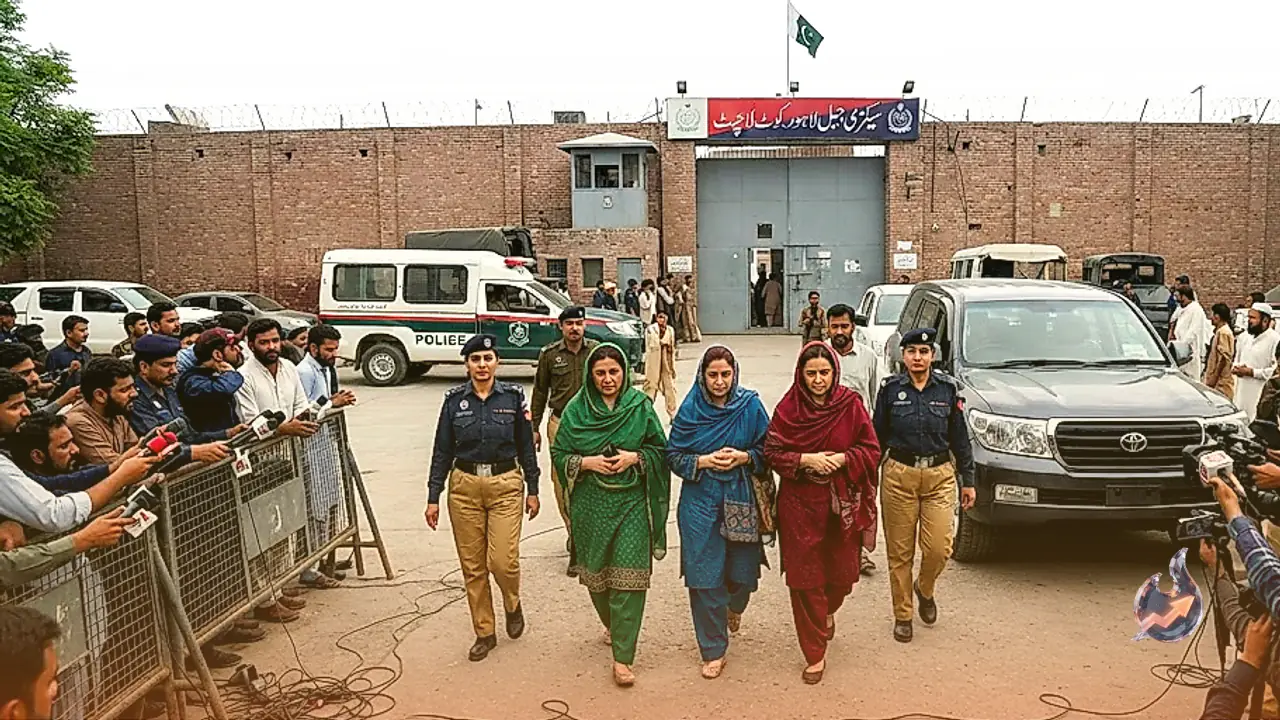
Instead of complying with the directive to visit Shifa International Hospital, authorities transferred Khan from jail to the government-run PIMS Hospital for a brief checkup before returning him to Adiala Jail within hours. This sequence of events provoked strong condemnation from Khan's family and his party, the Pakistan Tehreek-e-Insaf, who accused the administration of defying a direct Supreme Court order. The government defended its actions by citing security considerations. If the matter returns to the Supreme Court and is ruled as non-compliance, the administration could face severe contempt proceedings.
PPP Escalates Tensions and Demands Concessions
Compounding the executive branch's difficulties, the ruling coalition's vital partner, the Pakistan Peoples Party, has signaled an open revolt. PPP Chairman Bilawal Bhutto Zardari announced that his party will withhold support for any government legislation in the Senate and the National Assembly until its grievances are properly addressed. Relations between the two ruling partners soured significantly following recent elections in POK, with the PPP alleging vote-rigging and collusion, and vowing to challenge the outcomes through legal channels.
Bilawal has also engaged with opposition leaders, stating that a genuine alliance with the PML-N is no longer feasible under current circumstances. Furthermore, the PPP has insisted on building a broad political consensus regarding the creation of new provinces, creating additional legislative hurdles for the prime minister's agenda.
Opposition Prepares a Unified Front
Simultaneously, opposition groups are actively consolidating their ranks. JUI-F chief Maulana Fazlur Rehman confirmed that opposition parties have reached a principled agreement to form a joint opposition front. Key figures including National Assembly Opposition Leader Mahmood Khan Achakzai and Senate Opposition Leader Allama Raja Nasir Abbas are actively involved in this coalition-building effort.
Opposition lawmakers are currently formulating a unified strategy for parliamentary maneuvers, with high-level consultations scheduled. The ultimate stance of the PPP will prove decisive in this dynamic; should the opposition decide to table a no-confidence motion against Shehbaz Sharif's government, the choice made by the PPP will dictate whether the administration survives.