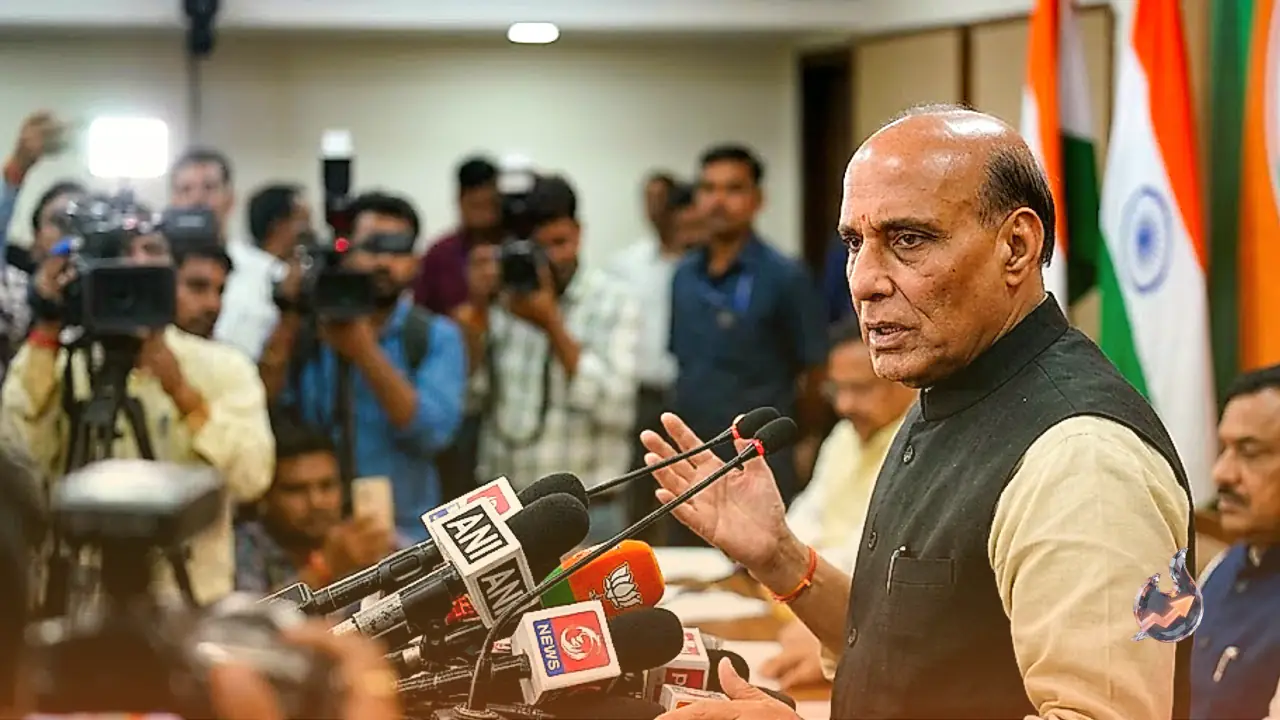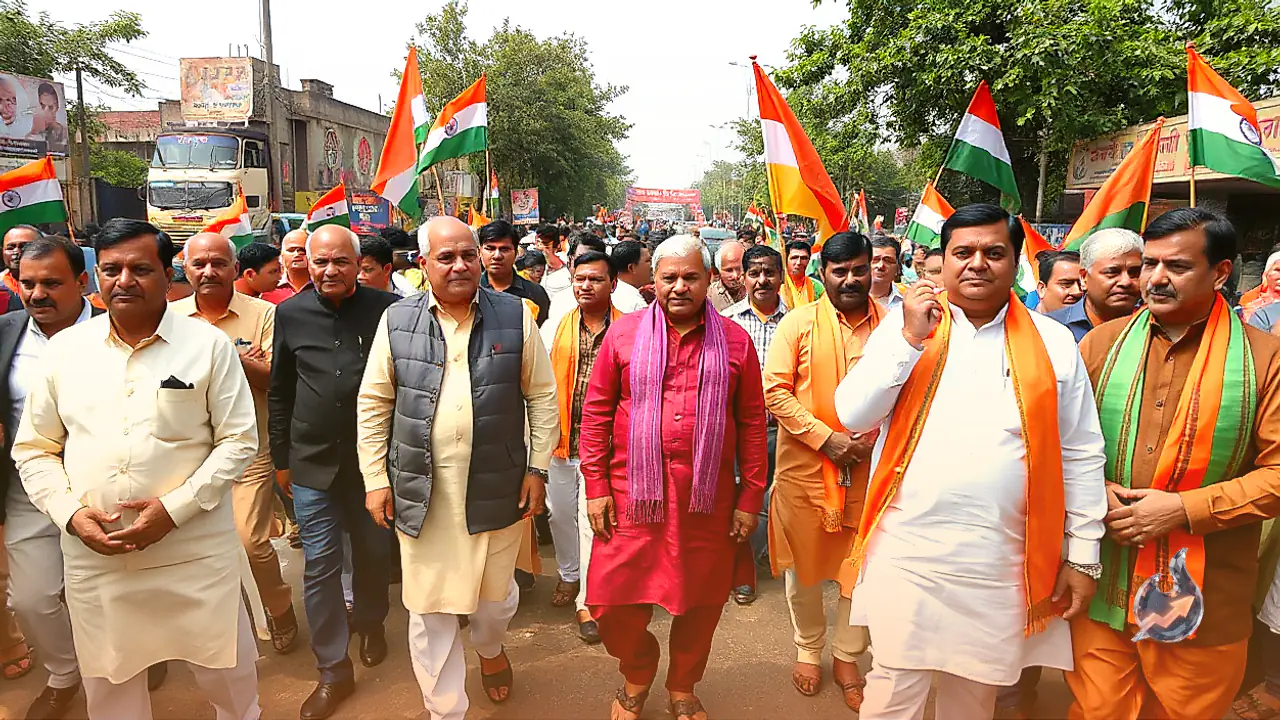





















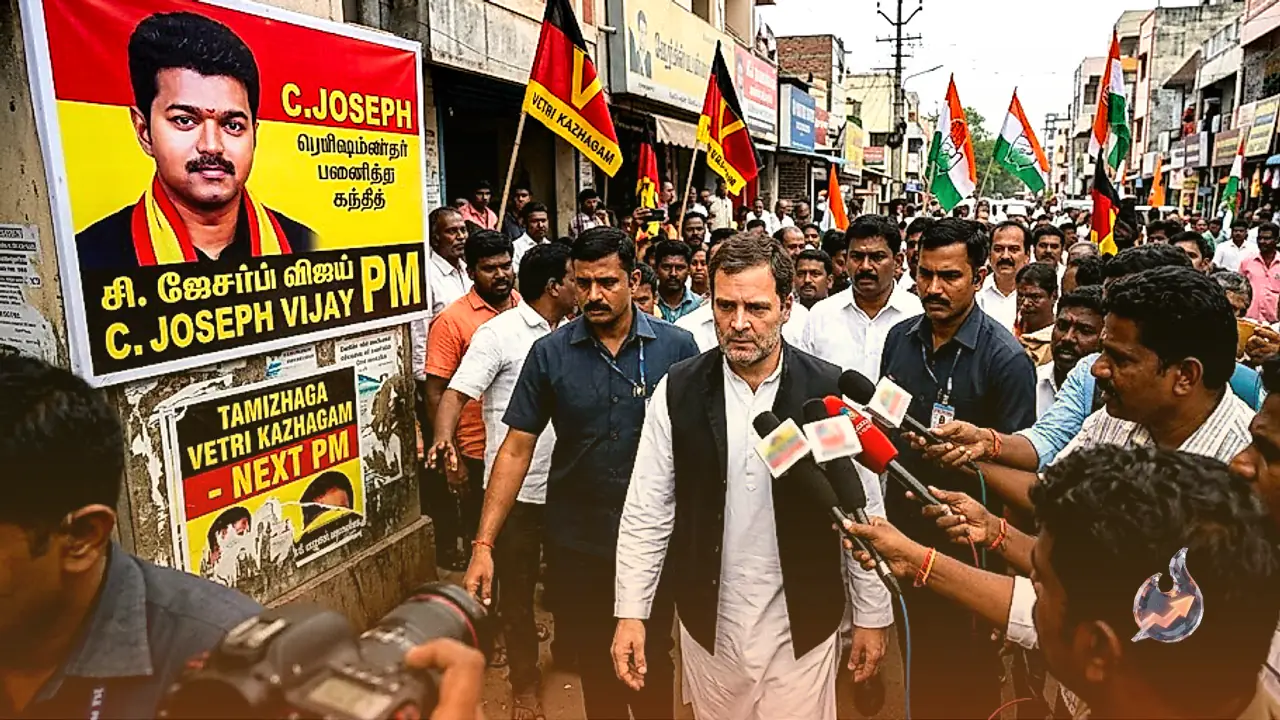

Political circles in Chennai are currently gripped by intense discussions following a series of promotional campaigns that project Tamil Nadu Chief Minister C. Joseph Vijay as a prime candidate for the country's highest office. These efforts have inadvertently highlighted underlying friction between the ruling party Tamizhaga Vetri Kazhagam (TVK) and its key political ally, the Congress party. According to available reports, the national leadership of Congress is growing increasingly unsettled by a barrage of promotional posters, digital banners, and video clips that actively promote C. Joseph Vijay for the nation's premier executive position. Although political observers believe this grassroots campaign is primarily being orchestrated by a faction of zealous TVK supporters aiming to influence their own party leadership, Congress strategists fear it could send confusing signals regarding the broader national political narrative of the alliance.
Spurt from Legislative Assembly Benches to Public Streets and Northern States
The debate surrounding this prospective prime ministerial push originally gained momentum when legislators and ministers belonging to the TVK started heaping lavish praises on C. Joseph Vijay on the floor of the state assembly. Before long, the topic spilled far beyond the legislative chambers, manifesting as prominent hoardings and public posters in various urban locations portraying him as a national leader. Intriguingly, similar promotional reels and digital clips began surfacing across northern India, a region where the Congress party traditionally positions itself as the principal challenger to the ruling Bharatiya Janata Party. This parallel positioning in key northern territories has made local Congress units particularly uneasy as they navigate complex electoral equations.
Survey Statistics Triggering Anxiety and the Prior DMK Breakup Context
Public attention towards this campaign drew sharply into focus following a comprehensive survey conducted by a television news channel, which placed C. Joseph Vijay third in popularity among potential prime ministerial contenders with roughly 9 percent public support, trailing behind senior Congress leader Rahul Gandhi. Reportedly, this specific survey outcome acted as a catalyst, intensifying unease within the Congress ranks. Party insiders noted deep dissatisfaction among leaders who felt that projecting C. Joseph Vijay for the top national job occurred merely months after the TVK-Congress alliance assumed political power in Tamil Nadu. Sources also pointed toward recent public critiques by Tamil Nadu Congress Committee President Manickam Tagore, who censured ministers for exhibiting what he termed a fan-following mindset. This delicate dynamic assumes even greater significance because the Congress party forged its alliance with the TVK only after severing ties with the DMK, an outfit that had previously endorsed Rahul Gandhi as its preferred prime ministerial choice.
Navigating Divergent Standpoints and Future Political Repercussions
Addressing the swirling controversy, Congress MP Jothimani recently dismissed the attempts to elevate Chief Minister C. Joseph Vijay as part of an electoral strategy, while firmly asserting that when it comes to confronting and defeating the administration led by Narendra Modi, Rahul Gandhi remains entirely peerless. When questioned about an incident that unfolded in Madurai on Saturday, state minister Nirmal Kumar remarked that people across the breadth of India harbor high expectations from C. Joseph Vijay. He added that the Chief Minister would evaluate prevailing political circumstances before making definitive choices, emphasizing that an elaborate discussion on the matter is premature at this juncture.
Initial political planning by the Congress envisioned projecting Rahul Gandhi as the definitive national face of the broader coalition while simultaneously leveraging the immense regional popularity of C. Joseph Vijay to bolster alliance prospects across southern India. However, the sudden rush among supporters to push the Chief Minister onto the national stage has severely complicated that strategic blueprint, generating awkward questions regarding future messaging, leadership hierarchies, and genuine political cohesion within the alliance.