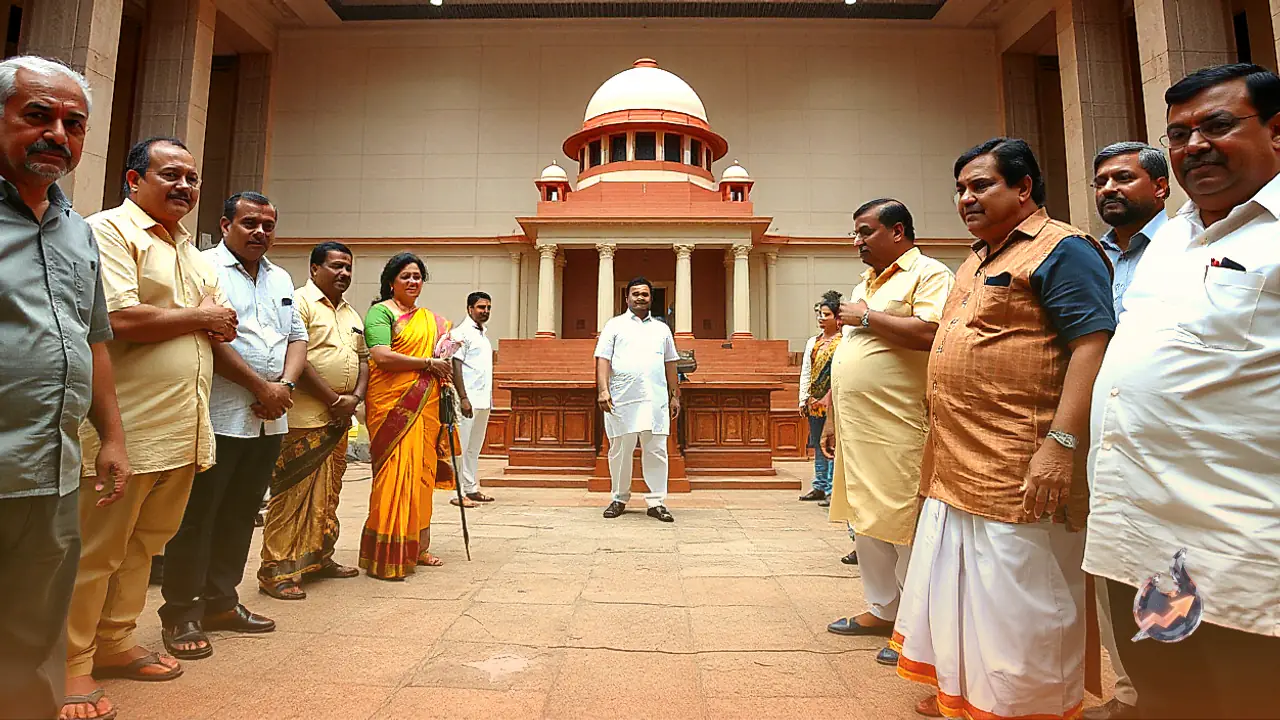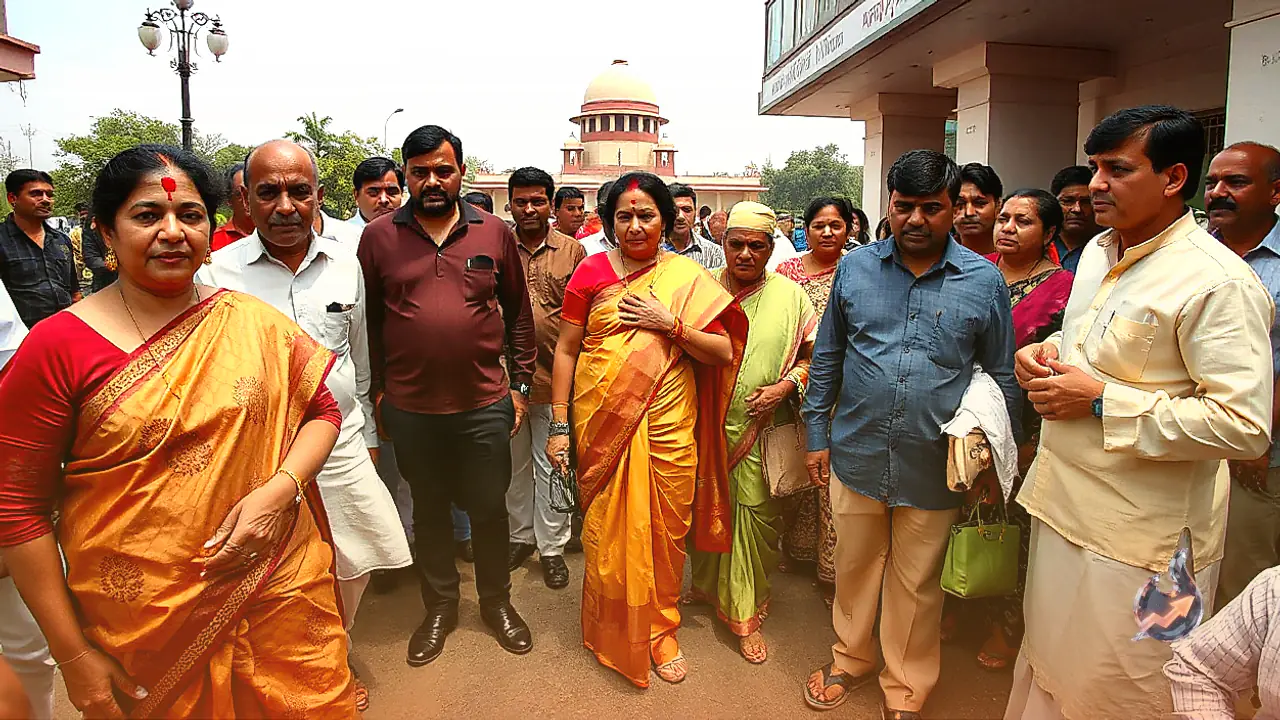






















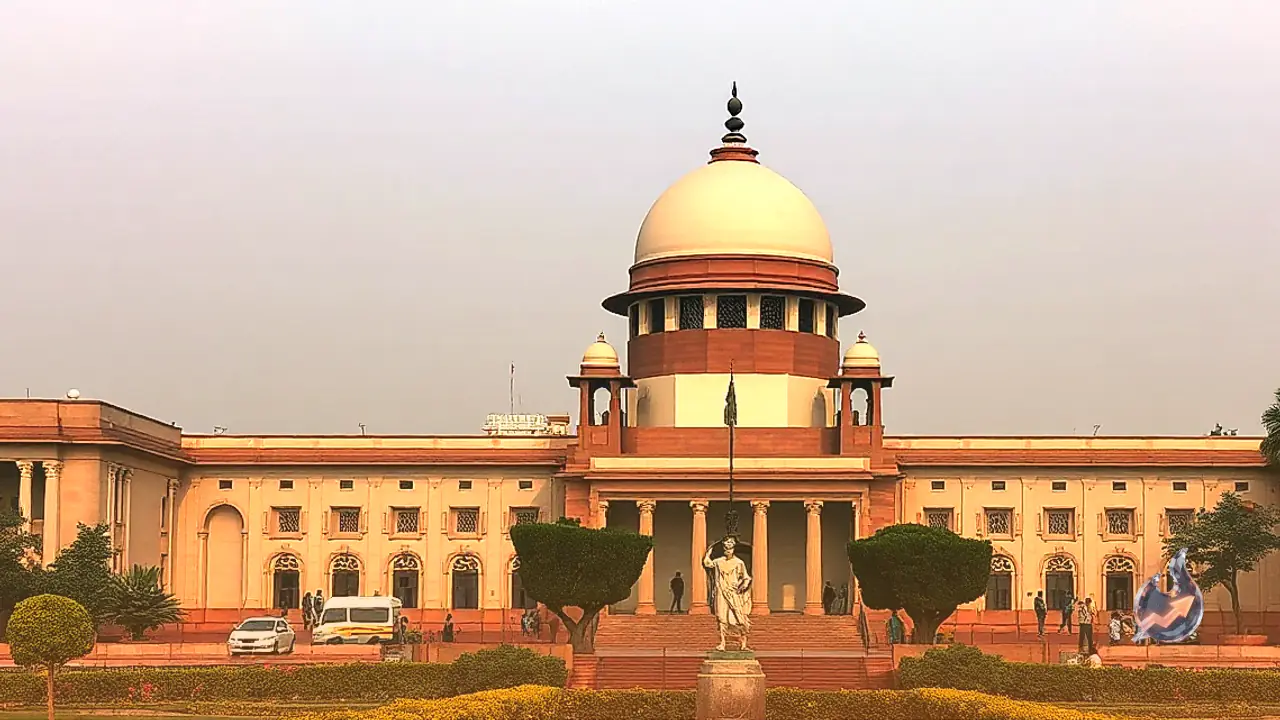

The Supreme Court of India refused to initiate suo motu proceedings against Bharatiya Janata Party Rajya Sabha Member of Parliament Nagendra Rai, also known as Anant Maharaj, over his alleged derogatory remarks regarding Netaji Subhash Chandra Bose. During a hearing held on Thursday, a bench comprising Chief Justice of India Surya Kant and Justice Joymalya Bagchi declined the verbal request made by an advocate seeking court-driven action. The bench emphasized that judicial intervention through suo motu cognizance is reserved strictly for exceptional scenarios and instructed the lawyer to follow established legal procedures by filing a formal petition instead.
Legal Principles Governing Suo Motu Cognizance
Addressing the advocate in court, Chief Justice Surya Kant outlined the primary philosophy behind taking suo motu action. He noted that the judiciary exercises such extraordinary powers primarily when affected parties lack the resources, physical ability, or capacity to approach the legal system on their own. Pointing out that the lawyer involved was fully knowledgeable in law and thoroughly capable of presenting arguments, the bench questioned why a standard petition was not prepared. The court asserted that individuals who have full access to legal remedies must utilize regular statutory channels rather than relying on summary court actions.
Specific Scenarios Cited by Chief Justice Surya Kant
To elaborate on the criteria, CJI Surya Kant provided clear contextual examples where judicial intervention becomes necessary. He highlighted environmental protection cases, observing that natural ecosystems such as forests cannot speak for themselves, requiring judicial protection. He also referenced a past case involving an 83 year old widow and her blind son, explaining that the court was compelled to step in because the vulnerable individuals had no one to support or represent them. The bench contrasted these helpless circumstances with the current matter, finding no grounds to bypass regular filing procedures.
Bench Responds to Precedents and Directs Formal Action
When the advocate cited a past incident where the apex court took suo motu cognizance of an NCERT textbook for allegedly disrespecting the judiciary, the bench provided crucial clarification. Justice Joymalya Bagchi noted that the current grievance pertains to alleged hate speech, which demands thorough examination under established legal framework and evidentiary standards. Reiterating that accountability must be determined through proper judicial scrutiny, the Supreme Court directed the counsel to draft and submit a structured petition so that the matter could be evaluated systematically under the law.